
REVIEW · JAPAN
Private Tour of Mt. Fuji Culture and Nature Walk
Mt. Fuji takes on a different meaning on this private tour. You do not simply stop for a photograph, you trace the mountain’s spiritual story through Aokigahara Forest, lava caves, and Sengen shrines. Momo, a local sociology teacher, explains how Fuji was treated as a god and why pilgrims once prepared for the climb in caves near its base.
I like the mix of open views and quiet forest time. I also like the private format, since Momo can adjust the pace and explain details that are easy to miss at a shrine or cave. One consideration: this is an active six-hour day with a 15-minute uphill walk, forest walking, and cave visits, so it may not suit anyone wanting a relaxed, mostly vehicle-based outing.
Key points to know
- A morning view from Sankodai gives you Mt. Fuji, the lakes, and the broad sweep of Aokigahara Forest from one hilltop.
- Aokigahara Forest takes two hours, giving you more than a quick roadside stop and time to notice its unusual volcanic setting.
- Three cultural sites follow the nature walk, including Narusawa Ice Cave, Funatsu Tainai Jugata Lava Tree Mold, and Kitaguchi Hongu Fuji Sengen Jinja.
- Momo is both guide and driver, with a sociology background that suits the tour’s focus on belief, pilgrimage, and local customs.
- The tour is private, so your group alone takes part and the pace can be adjusted when needed.
- Lunch and admission fees are included, while drinks and snacks are up to you.
Seeing Fuji as a sacred mountain
Many Mt. Fuji excursions focus on height, weather, and the best photo angle. This one asks you to consider why the mountain has mattered to Japan for more than 1,500 years. The day links scenery with belief, showing how the forest, caves, shrines, and pilgrimage routes fit together.
That idea gives the outing a clear purpose. You are not just collecting four or five stops. You are following the old preparation for a sacred climb: first seeing the mountain from afar, then entering the forest, visiting caves tied to worship, and finishing at a major shrine.
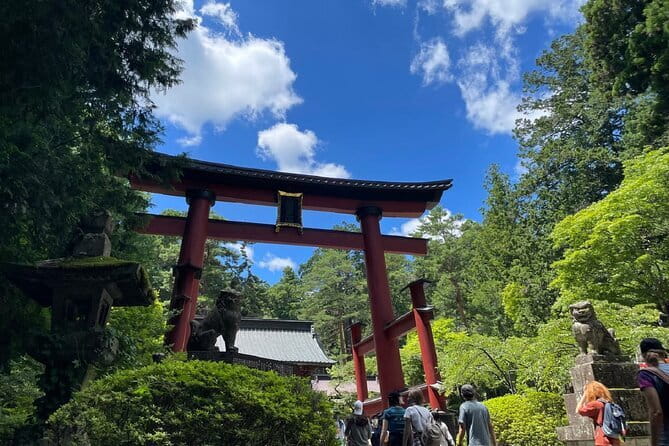
Momo’s background as a sociology teacher is a useful match. The tour promises academic and detailed explanations, but the subject is still grounded in places you can see and enter. You can ask about the meaning of a shrine gate, the role of Fuji-ko pilgrims, or why caves mattered to worshippers.
The tone should suit you if you prefer context over a quick photo stop. If your main goal is to reach a high Fuji viewpoint or spend most of the day shopping around the lakes, this is probably not the right choice.
More Mountain Hikes in Japan
- Full Day Hiking Tour at Mt.Takao including Hot Spring
★ 5.0 · 52 reviews - Hike Japan Heritage Hakone Hachiri with certified mountain guide
★ 5.0 · 46 reviews - Explore Kiso Valley : Magome – Tsumago Mountain Trail Walk
★ 5.0 · 33 reviews
Sankodai gives you the wide-angle beginning
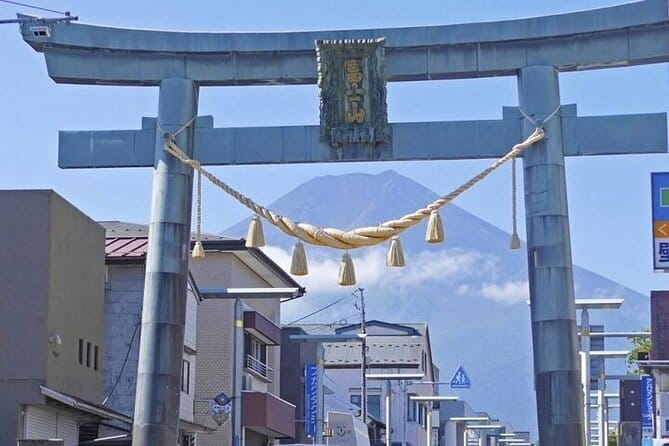
The first stop is Sankodai, reached by a walk of about 15 minutes to a hilltop. From there, you can see Mt. Fuji in front of you, the lakes below, and the wide area of Aokigahara Forest spreading across the lower ground.
This is a smart way to begin. Before you enter the forest, you see how large the setting is. The view also helps connect the next stops: the forest is not an isolated attraction, but part of the volcanic area around Fuji.
The stop lasts about an hour, including the walk and time at the viewpoint. The admission fee is free. You should still think of this as a walking viewpoint rather than a vehicle-accessible photo pullout, and weather will affect how much of Fuji you can see.
The open view is also a useful contrast to the later forest stops. At Sankodai, the mountain dominates the scene. In Aokigahara, your attention shifts to trees, rock, shade, and the ground beneath your feet.
Two hours among the trees at Aokigahara
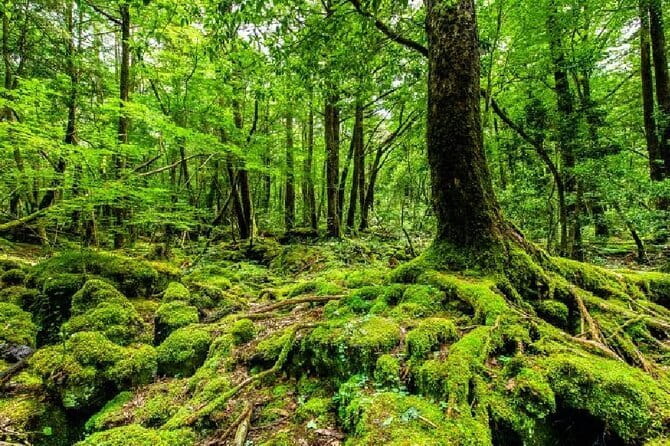
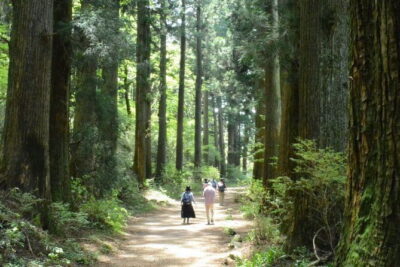
Aokigahara Forest, often called the Sea of Trees, receives two hours of the tour. That is enough time for more than a quick look from the roadside. You walk through the forest, see some of its caves, and experience what the tour describes as forest bathing.
The appeal is the change in pace. Fuji is often presented as a clean, distant cone, but Aokigahara lets you experience the mountain area at ground level. You see the forest as a place shaped by volcanic activity, with caves and unusual rock formations part of the setting.
The forest portion is also where Momo’s explanations can add the most value. Without context, trees and dark openings in the rock can blend into a pleasant walk. With an explanation of the area’s place in Fuji worship and local life, the visit has a stronger thread.
You should be prepared for uneven walking and the need to stay attentive on forest paths. The tour details do not give a trail difficulty rating, so ask Momo about the day’s route if anyone in your group has mobility concerns. One particularly useful sign is that Momo adjusted the tour for a 75-year-old participant who had difficulty walking long distances, allowing her to take part rather than wait behind. That does not guarantee a certain route or pace, but it suggests that a private booking gives you room to discuss limits.
Narusawa Ice Cave puts you inside Fuji’s volcanic world
Narusawa Ice Cave is at the eastern entrance to Aokigahara. It is described as a sightseeing stop that can be visited throughout the year, and admission is included in the tour price.
The main value here is physical. Instead of only looking at Fuji from a distance, you enter a cave connected to the volcanic ground beneath the forest. The name points to its ice cave character, though the supplied details do not promise a particular amount of ice on the day you visit.
Allow about an hour for this stop. That is a generous portion of a six-hour outing, so the cave is not treated as a rushed add-on. Still, cave visits can involve confined spaces and walking conditions that feel different from a normal shrine or park visit. If that concerns you, ask for practical details before booking.
Narusawa also helps explain why Aokigahara feels different from an ordinary woodland. The forest and caves belong together. You first see the forest from above at Sankodai, walk through it, and then enter one of the formations within it.
More Private Hiking Tours in Japan
- Fushimi Inari Hidden Hiking Tour (Private Option Available)
★ 5.0 · 1,750 reviews - Kyoto: Fushimi Inari Hidden Hike (Private)
★ 5.0 · 31 reviews - Private Local Hiking to enjoy the nature and culture of Mt.Fuji
★ 5.0 · 22 reviews - Private Hiking Tour to View Mt. Fuji
★ 5.0 · 10 reviews
The Funatsu lava tree mold connects cave and pilgrimage
The next cave has a more direct religious role. At Funatsu Tainai Jugata Lava Tree Mold, you go inside a historical cave where Fuji-ko pilgrims paid homage before beginning their climb.
This is the point where the tour’s cultural theme becomes especially clear. A pilgrimage was not simply a hike to a summit. Preparation, prayer, and ritual mattered, and this cave formed part of that process.
The phrase lava tree mold describes a volcanic formation created when lava surrounded trees and left hollow spaces after the organic material disappeared. The tour presents the site through its religious use, so you get both a natural feature and a place connected to worship.
You should expect another hour here. The cave is included, as are all fees and taxes for the listed stops. The attraction is not its size or polished presentation. It is the feeling of entering a place that pilgrims used before taking on Mt. Fuji.
Kitaguchi Hongu Fuji Sengen Jinja rewards a slower look
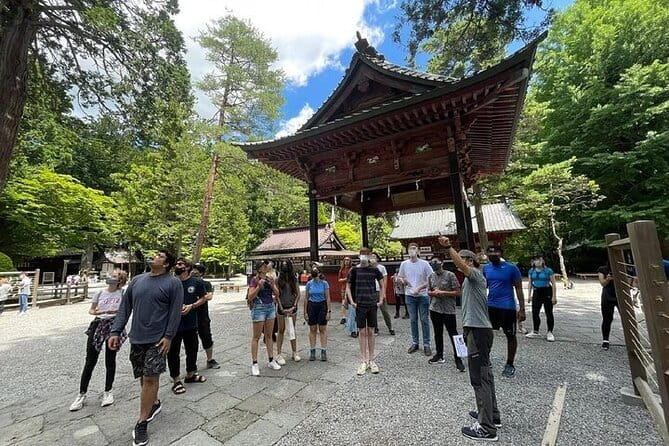
The final major stop is Kitaguchi Hongu Fuji Sengen Jinja, one of the principal sightseeing and worship sites in the Mt. Fuji area. Its buildings and grounds are described as majestic, but the real point of the visit is understanding what you are seeing.
Many people can walk through a Japanese shrine and notice the gate, trees, lanterns, and worship hall without knowing how those pieces fit together. Momo focuses on the shrine’s history and cultural meaning, helping you read the site rather than simply pass through it.
This is a free-admission stop lasting about an hour. Coming after the forest and caves gives it extra weight. You have already considered Fuji as a natural force and a pilgrimage destination. At the shrine, those ideas become visible in an organized place of worship.
A shrine visit is best approached with a little patience. This is not a stop designed only for a quick photograph. Listen to the explanation, notice the path toward the worship area, and ask questions. The private setting should make that easier than it would be in a large group.
What the private format changes

The price is about $99.40 per person, with private transportation, a guide and driver, lunch, and admission fees included. For a six-hour private outing with several stops, that is a fair package, especially when you consider the driving between viewpoints, forest sites, caves, and the shrine.
The value depends on what you want from Mt. Fuji. If you only need transport to a viewpoint, this may feel like more tour than you need. If you want a local guide to connect nature and religion, the included explanations and private vehicle make the price easier to justify.
Private also means only your group participates. That matters here because the tour is built around questions and interpretation. You can spend more time on a topic that interests you, or ask for a slower pace when a member of your group needs it.
The advertised start is 9:00 a.m. at Kawaguchiko Bus Station No. 2, with the activity ending back at the same meeting point. Pickup is offered, but because the stated meeting point is the bus station, confirm the exact pickup arrangement when you book.
Lunch is included, while drinks and snacks are not. Bring or buy something to drink, especially since the day includes walking and forest time. Confirmation is sent within 48 hours, subject to availability, so do not leave the reservation until the last minute if your schedule is tight. The tour is often booked about 75 days ahead, another reason to plan early.
Who will get the most from this six-hour day
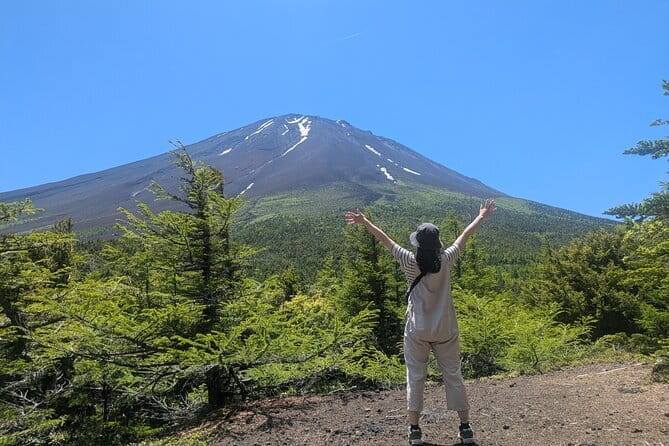
I would choose this experience if you care about the story behind a place. It is a strong fit for people interested in Japanese religious traditions, local history, volcanic features, and smaller-scale guiding.
It also suits families or mixed-age groups that benefit from a private pace. Momo has shown flexibility with a participant in her seventies who had trouble walking, though you should still discuss mobility needs before the day. The 15-minute walk to Sankodai and the cave visits mean this is not a no-walking tour.
The outing is less suited to someone who wants a free afternoon around Lake Kawaguchi, a summit visit, or a simple Fuji photo tour. The day has a set theme and several stops, and the cultural explanations are a major part of the experience.
The five available ratings are all five-star scores, with praise focused on Momo’s kindness, local knowledge, help with bus navigation before the tour, and willingness to adapt the route for an older participant. Those details matter more than a generic promise of a good guide. You can expect the human side of the experience to be important, especially if you need help finding the meeting point or want a flexible pace.
Should you book the Mt. Fuji Culture and Nature Walk?
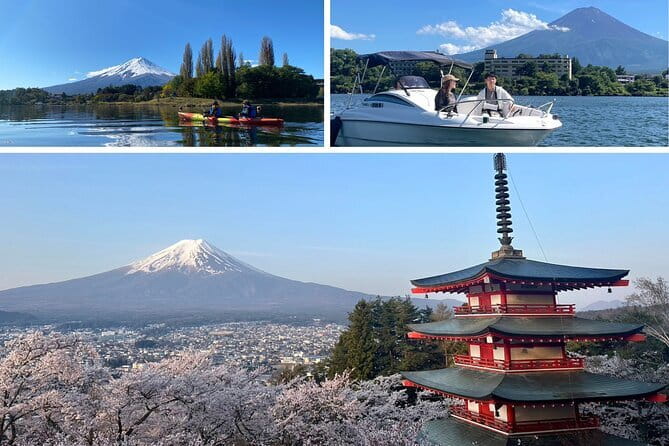
Book it if you want to see Mt. Fuji as more than a scenic backdrop. The combination of Sankodai, Aokigahara, two caves, and Kitaguchi Hongu Fuji Sengen Jinja creates a clear six-hour story about nature, pilgrimage, and worship.
The best reason to choose it is Momo’s focus. A local sociology teacher can give you a useful framework for understanding why these sites matter, while the private format lets you ask questions and adjust the day. Lunch, admission fees, and transport are already covered.
Skip it if you want a gentle sightseeing loop with little walking, or if caves and forest paths are not appealing. For the right visitor, though, this is a thoughtful and unusually focused way to meet Mt. Fuji.
FAQ
How long does the tour last?
The tour lasts approximately six hours and starts at 9:00 a.m.
Where does the tour start?
The stated meeting point is Kawaguchiko Bus Station No. 2 in Fujikawaguchiko.
Where does the tour end?
The activity ends back at the meeting point.
Is pickup available?
Pickup is offered. The stated start location is Kawaguchiko Bus Station No. 2, so confirm the exact pickup details when booking.
Is this a private tour?
Yes. Only your group participates in the activity.
Who guides and drives the tour?
Momo serves as the guide and driver. Momo is a sociology teacher at a local university.
What is included in the price?
The price includes all fees and taxes, private transportation, lunch, and the guide and driver.
Are drinks and snacks included?
No. Drinks and snacks are not included.
Can I cancel for a full refund?
Yes, if you cancel at least 24 hours before the experience start time. Cancellations made less than 24 hours before the start time are not refunded, and changes within that period are not accepted.
More Walking Tours in Japan
- From Matsumoto/Nagano: Nakasendo Trail Walking Tour
★ 4.9 · 33 reviews - Oiso: Adventure Hike to See Mt. Fuji & Historic Coastal Walk
★ 5.0 · 10 reviews - Walk the Ancient Pilgrim Paths of Mt. Fuji – Private Tour
★ 5.0 · 10 reviews - Kyoto: Arashiyama Bamboo Grove, Monkey Mountain Walking Tour
★ 4.7 · 4 reviews
More Nature Walks in Japan
- Easygoing Nature Walk in Hakone Tour
★ 5.0 · 15 reviews - Furepe Waterfall Nature Walk
★ 5.0 · 6 reviews - Minoo Park: Guided Nature Walk
★ 4.5 · 2 reviews - Oslo Nature Walks: Island Hopping Tour
★ 4.8 · 2,713 reviews
Just added around Japan
- Hiking Tour in Enoshima with a Local Guide★ 5.0 · 4 reviews
- Kanazawa Day Tour: Shomyo Falls & Tateyama Mountain Walks★ 5.0 · 4 reviews
- Pasture Hike with Horse Whisperer at Horse Trust in Kagoshima★ 5.0 · 2 reviews
- 4.5 hours Snowshoe hike in Shiretoko five lakes★ 4.5 · 2 reviews
- 3.5hours Primeval Forest Snowshoe hike and Wildlife Watching Tour★ 5.0 · 14 reviews
- 3 hours Snowshoe hike to “Furepe fall” and Wildlife Watching★ 5.0 · 9 reviews
- Furepe Waterfall Nature Walk★ 5.0 · 6 reviews
- Traverse Outer Rim of Hakone Caldera and Enjoy Onsen Hiking Tour★ 5.0 · 30 reviews
Japan Hiking Tours, compared.
Fushimi Inari Hidden Hiking Tour (Private Option Available)
Read our review →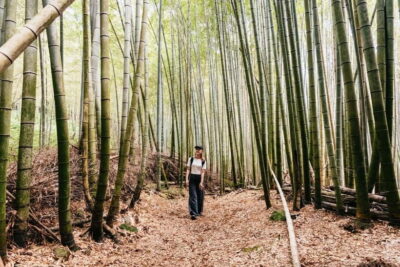
Kyoto: 3-Hour Fushimi Inari Shrine Hidden Hiking Tour
Read our review →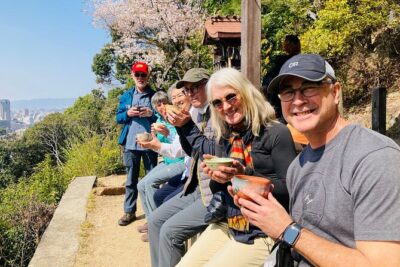
Hiroshima Local guided Hiking Tour&Open-air Tea Ceremony
Read our review →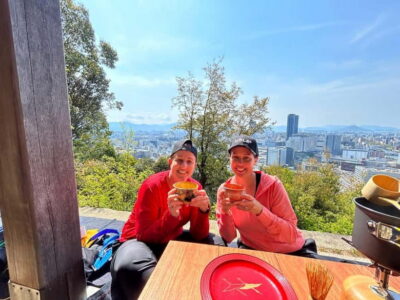
Hiroshima: Morning Hiking Tour with Open-air Tea Ceremony
Read our review →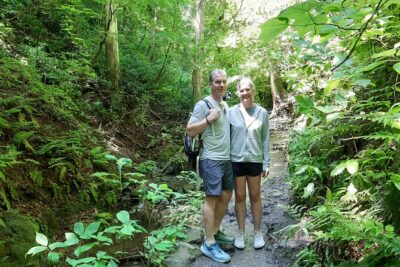
Full Day Hiking Tour at Mt.Takao including Hot Spring
Read our review →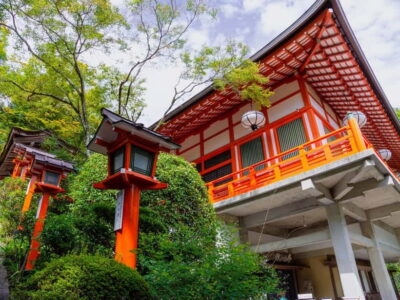
Hike Japan Heritage Hakone Hachiri with certified mountain guide
Read our review →Browse the lists this tour appears in