
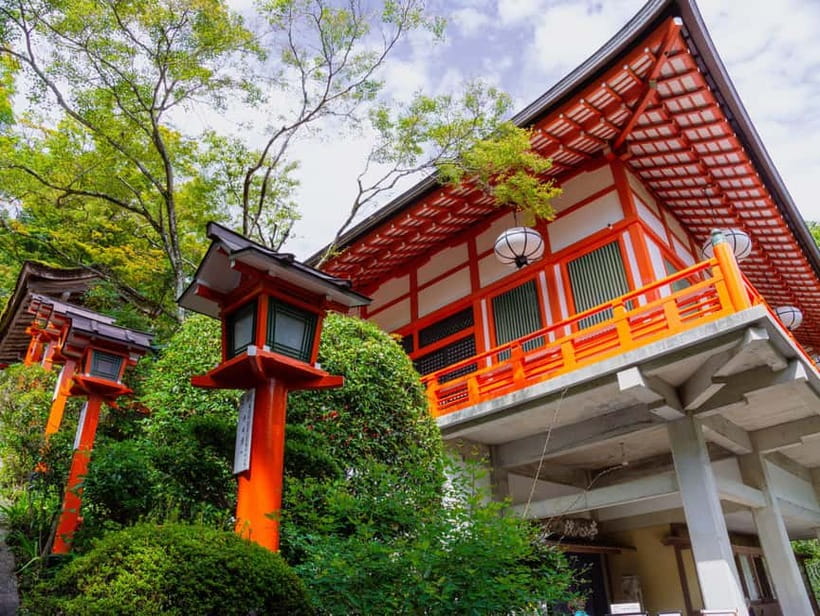
REVIEW · JAPAN
Kyoto: Hike and Hot Springs in Kurama
Kurama gives you a very different Kyoto: cedar forest, mountain air, shrine gates, stone steps, and old religious legends instead of crowded lanes and city traffic. The route climbs to Kurama Temple, then descends to a small village where you can eat, catch the train, or soak in an outdoor hot spring with mountain views.
I like two things especially. First, the train ride from Demachiyanagi through northern Kyoto makes the outing feel like a real change of scene. Second, guides such as Philippe, Chris, Kevin, and Salome add useful cultural background and can take you to quieter corners of the mountain. The main catch is simple: this is a proper uphill walk, not a gentle stroll.
Key points at a glance
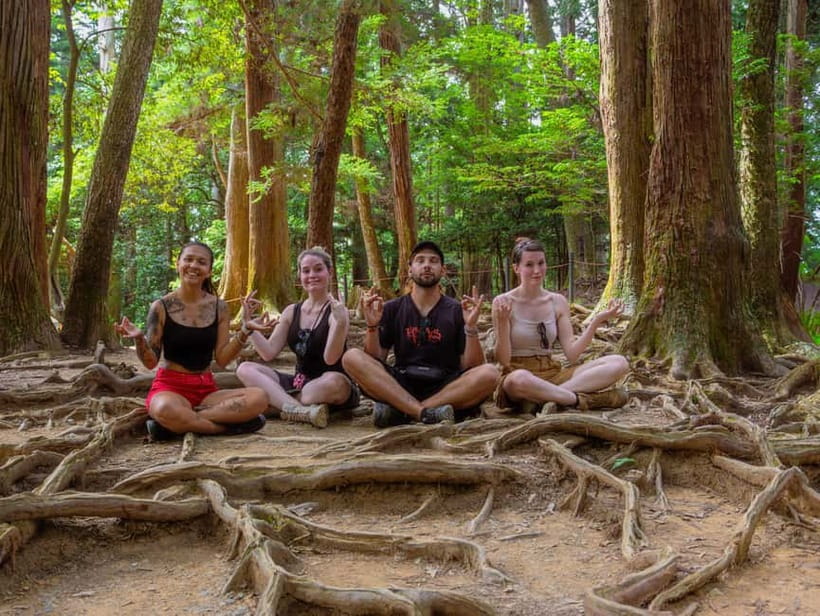
- The climb takes about 30 to 40 minutes: Expect regular stone steps and a moderate fitness demand.
- Kurama Temple is the high point: You get mountain views, a sacred setting, and local stories tied to the site.
- Kibune adds a second spiritual stop: The shrine is linked with prayers for good relationships.
- The mountain train is part of the pleasure: Transport from Kyoto is included, but your return journey is not.
- The hot spring is optional: Bring extra time and money if you want the outdoor bath in Kurama.
- Guide quality matters: Philippe receives especially warm praise, while the assigned guide can vary.
Leaving Kyoto by train for Kurama
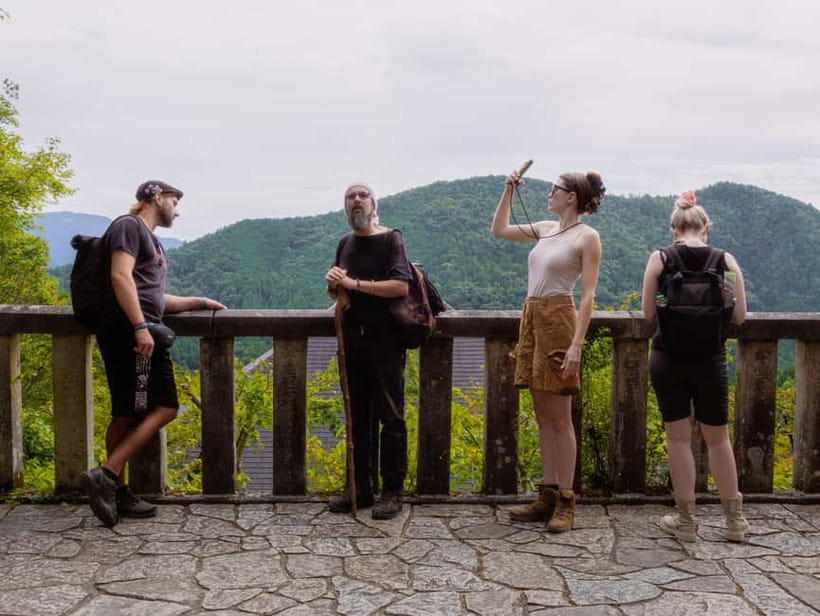
The meeting point is Demachiyanagi Station exit 7, in front of the Eizan Railway. This makes the start fairly easy to reach from central Kyoto, though you should allow enough time to find the correct station exit and railway entrance.
The train ride is not just a way to get to the trail. It carries you from the city toward the wooded northern hills, with the scenery changing as the route follows the valley. The journey helps set the mood before the walking begins. You are trading traffic and dense streets for steep hills, tall cedars, and a small mountain community.
Transportation during the tour is included in the $80 price. Your trip back to the meeting point is not included, so plan on paying for your return train ride separately. The tour ends in Kurama village, and your guide explains the available choices: lunch, a walk around town, the hot spring, or the train back to Kyoto.
The four-hour schedule is enough for the main walk and temple visit, but it is not a full-day mountain outing. If you want a long lunch or a leisurely hot spring soak, you will need to manage your time carefully or allow extra time after the guided portion.
More Hot Spring Hikes in Japan:
- Full Day Hiking Tour at Mt.Takao including Hot Spring
★ 5.0 · 52 reviews - Bali: Mount Batur Sunrise Guided Hike and Natural Hot Spring
★ 4.8 · 9,284 reviews - Mount Batur Sunrise Hike and Natural Hot Spring Option
★ 5.0 · 1,927 reviews
Starting at Kibune Shrine
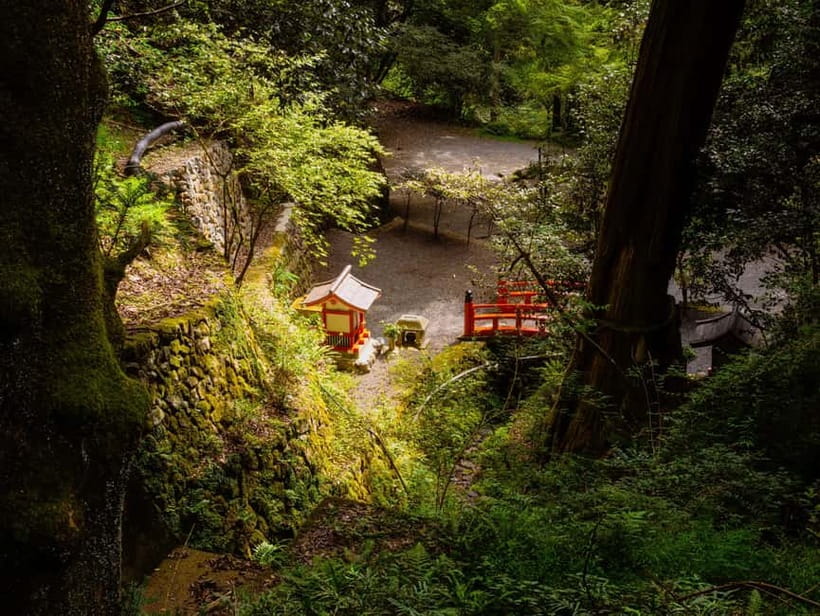
The route includes a visit to Kibune Shrine, one of the most appealing parts of the outing for anyone interested in Japanese religious tradition. The shrine is associated with prayers for good relationships, so you can make a prayer before heading deeper into the mountain route.
The appeal here is not only the shrine itself. Kibune sits along a legendary river in a wooded valley, giving the area a cool, quiet feel that contrasts sharply with Kyoto’s busy central districts. The surrounding cedar forest and clean mountain air make this a good place to slow down before the climb.
Your guide provides the cultural setting for the visit, including stories about the shrines, temples, and local customs. This is where a private or small-group format can help. You have more room to ask questions, and the pace can be adjusted for the group.
The tour description presents Kibune as an early stop before the hiking course. Exact timing can vary, so do not expect to linger over a long meal here. The main food break comes later, in Kurama village.
The uphill trail through cedar forest
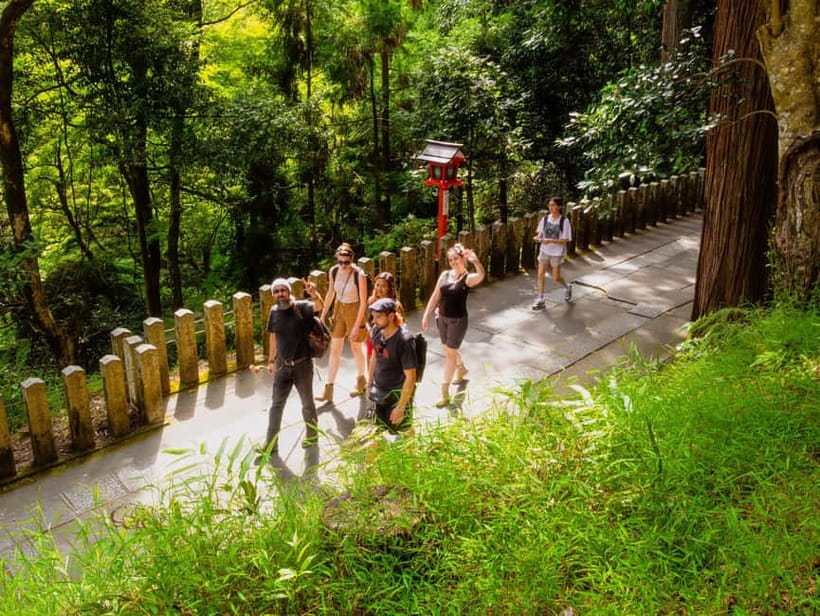
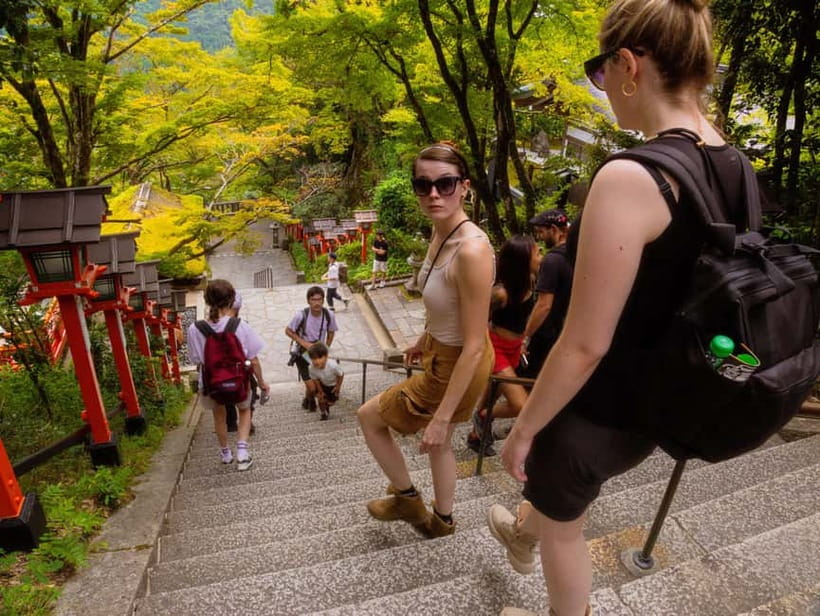
The climb to the top of Kurama Mountain takes roughly 30 to 40 minutes, but the short time can be misleading. The route uses steps, and the heat can make the climb harder in summer. One participant described it as demanding even with the beautiful setting, while another noted that the guide made patient stops during the ascent.
You should have a decent level of fitness and some hiking experience. The tour is not suitable for people with mobility impairments, wheelchair users, children under 11, or people without hiking experience. Comfortable shoes are essential, and water is a must.
I would also wear long pants. The forest is part of the attraction, but long clothing can help reduce bug bites. In summer, the heat may be the bigger concern, so start with enough water and use the scheduled pauses to catch your breath rather than trying to race uphill.
The trail rewards a steady pace. You will have chances to stop for views, breathe the cool air, and notice features along the route. The guide can explain the religious meaning and legends connected with the mountain, which gives the climb more purpose than simply reaching the top.
The forest is also where the outing feels most removed from Kyoto. There is no need for elaborate scenery or staged entertainment. The appeal comes from the trees, the slope, the quiet, and the feeling of following an old route toward a mountaintop temple.
Kurama Temple and the mountain summit
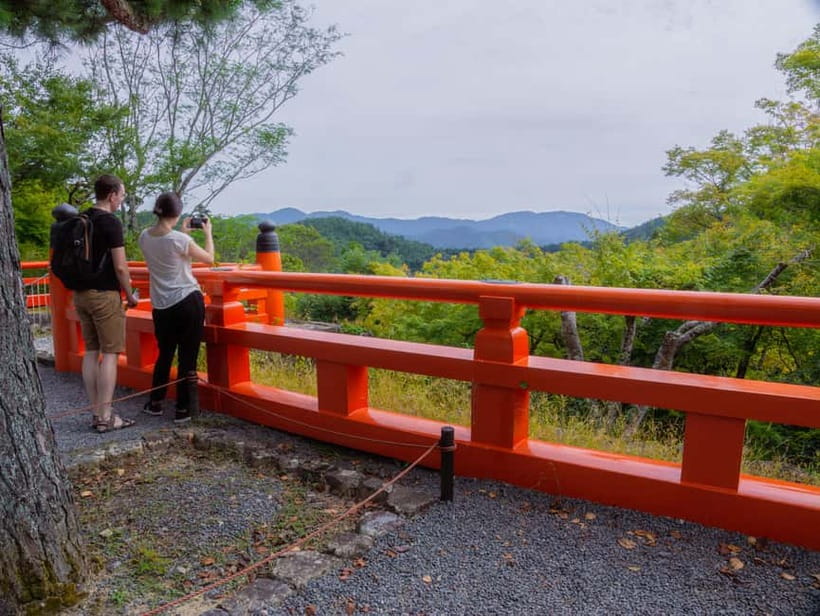
At the top, you visit Kurama Temple, with admission included in the tour price. The temple is treated locally as a power spot, and its setting gives the visit a strong sense of place. From the upper area, you can look down toward the valley and take a proper break after the climb.
The temple is important for both its spiritual associations and its position on the mountain. Guides explain the deities, stories, and religious background, helping you see more than a collection of buildings and steps. Philippe, who leads many departures, is repeatedly praised for his explanations of the area, Japanese culture, and the legends tied to Kurama.
Access and views can change with maintenance work. One departure found parts of the temple covered by scaffolding, which reduced the visual impact, although the group could still enter and ring the large bell in the hills above. If the temple is under repair during your visit, the forest route and setting still make the stop worthwhile, but the main building may not look as you imagined.
Some departures have included less familiar areas, such as a crypt and maze beneath the temple. Treat these as a possible bonus rather than a guaranteed part of every outing. What you see can depend on the guide, access, and the day’s pace.
The mountain also has a connection with Reiki in the way it is presented locally and by some guides. If you practice Reiki or have an interest in spiritual traditions, you may find the setting especially meaningful. If not, you can still appreciate the temple as a historic religious site in a remarkably calm mountain setting.
A few more hikes around Japan worth a look
- Traverse Outer Rim of Hakone Caldera and Enjoy Onsen Hiking Tour
★ 5.0 · 30 reviews - Hoover Dam & Hot Springs Kayak Tour with Lunch & Expert Guide
★ 5.0 · 318 reviews - Mount Batur Sunrise Hike, Breakfast & Hot Spring
★ 5.0 · 316 reviews - Bali: Mount Batur Sunrise Hike with Breakfast & Hot Spring
★ 4.7 · 146 reviews
Descending to Kurama village
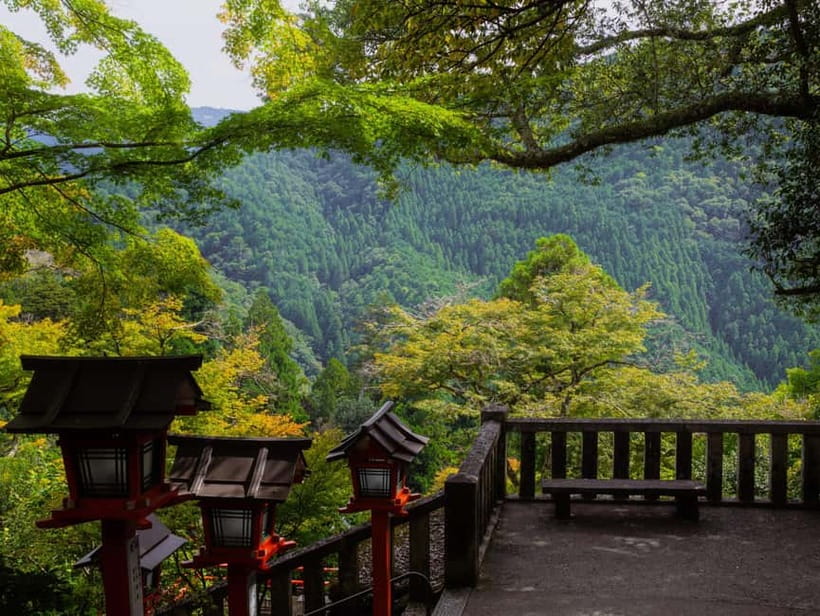
After the temple visit, you walk back down the steps toward Kurama village. Downhill walking is easier on your lungs but can be tiring on your knees, especially after the ascent. Take care on uneven or steep sections and keep your comfortable shoes on until the tour ends.
Kurama village is the practical finish point. Here, you can stop for a late lunch, stroll around, return to Kyoto by train, or continue to the hot spring. Lunch is not included, and the guide does not appear to keep the group together for a formal meal at the end. Instead, you receive guidance about the available options.
This flexible ending is useful if your plans differ from those of other people in the group. You can eat and return to Kyoto, or add the bath and turn the outing into a longer mountain break. The tradeoff is that you need to make your own arrangements once the guided hike is over.
The optional Kurama hot spring
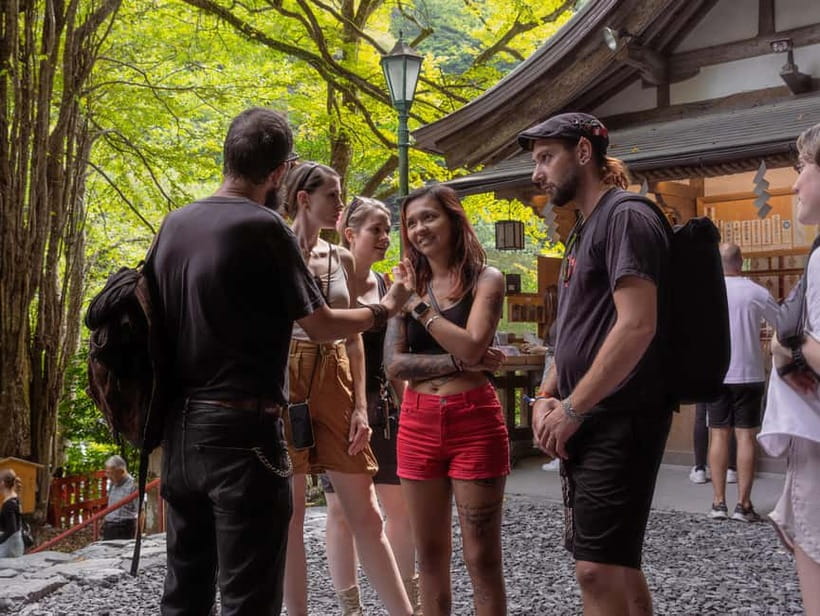
The hot spring is the most tempting add-on. The outdoor bath is known for its mountain views, and a soak after the climb makes practical sense, particularly in cooler weather. The experience is not included in the $80 price, but the tour can offer a special discounted bathing ticket.
One participant called the onsen the perfect finish and strongly advised not missing it. That enthusiasm is understandable: after a steep walk, sitting in warm water while looking toward the hills offers a very different kind of rest than simply boarding the train.
Still, treat the bath as optional. The tour itself lasts four hours, and the hot spring will require extra time, an additional fee, and a return journey afterward. If you have a packed Kyoto schedule, you may prefer to eat in Kurama and catch the train. If you have a free afternoon, the bath adds real value.
The tour information does not provide detailed bathing rules or changing-room information, so check the current arrangements when booking. The key point is that the hot spring is an add-on, not part of the basic admission and transport package.
Guides, group size, and the human side
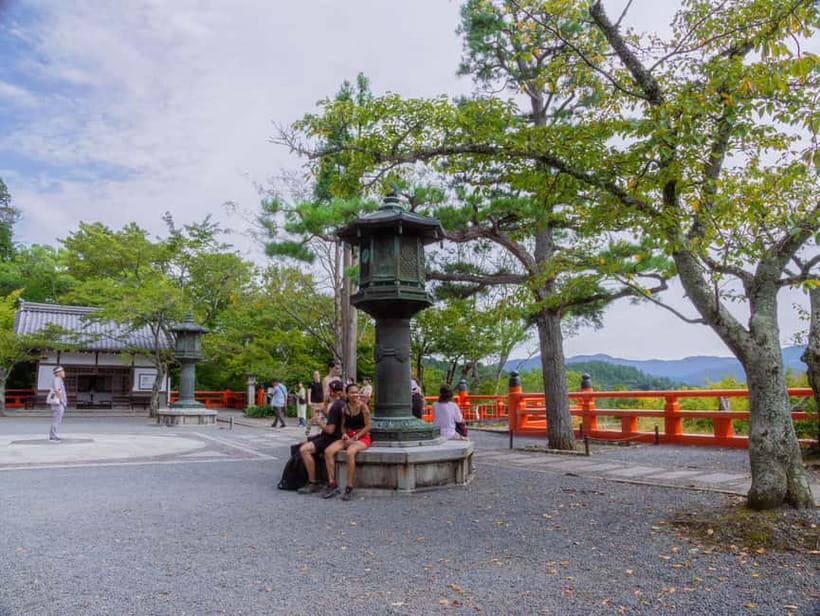
The guide is a major part of this experience. Philippe is praised for his warmth, patience, local background, and ability to explain temples, deities, legends, and Japanese customs. He has also adjusted the pace for harder climbs and, on some departures, taken people to quieter places around the mountain.
Other named guides include Chris, Kevin, Salome, and Eric. The comments about Chris highlight his ability to find less obvious places, while Kevin is praised for adding historical and cultural context. Salome and Eric are also described as friendly and helpful.
You cannot assume that every departure will have the same person or the same guiding style. One departure had an unsatisfactory guide whose smoking and drinking habits made the experience uncomfortable for the group. That appears to be an exception among the very strong feedback, but it is still worth noting because the guide sets the tone for a half-day outing.
Private and small-group options are available. A small group gives you a better chance to ask questions and keep a comfortable walking pace. A private departure can also make it easier to spend more time at places that interest you, though the price and availability may differ from the standard rate.
Is the $80 price fair?
At $80 per person, the tour includes the guide fee, transportation during the activity, and Kurama Temple admission. That is a reasonable package if you want help with the mountain route and cultural context rather than simply taking the train and walking independently.
The value rests mainly in the guide. The trail itself does not require an expensive attraction ticket, but the route, religious sites, and local stories are easier to appreciate when someone explains what you are seeing. A good guide also helps with pacing and points out details you might otherwise pass without noticing.
You should budget extra for lunch, the hot spring, and your return transport to Kyoto. That makes the final cost higher than the advertised price if you choose every option. Still, the tour gives you a full half-day outside the city, and the combination of train, forest, shrine, temple, village, and optional bath is varied enough to justify the expense for many visitors.
The free cancellation period and reserve-now, pay-later option also reduce the risk of booking far ahead. The basic terms allow cancellation up to 24 hours before the activity for a full refund.
Who should book this Kurama outing?
I would choose this tour if you want a break from Kyoto’s central sights and enjoy walking with a cultural purpose. It suits people who like shrines, mountain scenery, local legends, and a flexible finish with the option of a hot spring.
It is a particularly good match for confident walkers who do not want to plan the train route, trail, and temple visit alone. The English and French guiding options make the cultural details more accessible, and a private or small group gives you more control over the pace.
I would hesitate if you dislike uphill steps, have limited mobility, or want a relaxed sightseeing trip with almost no physical effort. The climb is short, but it is not effortless. Summer heat can make it tougher, and the descent still requires care.
Final verdict: book it for the mountain day
Book this experience if you want Kyoto with more trees, fewer city crowds, and a real sense of getting away. The strongest reasons are the mountain train, the cedar trail, Kurama Temple, and the consistently warm guiding style associated with Philippe and several other guides.
Add the hot spring if your schedule allows. Just wear proper shoes, bring water, use long pants, and remember that the tour ends in Kurama rather than at the original meeting point. For a half-day escape with genuine cultural interest and a bit of healthy exertion, this is one of the more satisfying ways to see northern Kyoto.
FAQ
How long does the Kurama hike and hot spring experience last?
The guided activity lasts four hours. Extra time may be needed if you choose lunch, the hot spring, or a slower return to Kyoto.
Where does the tour meet?
The meeting point is Demachiyanagi Station exit 7, in front of the Eizan Railway, in Kyoto.
Is transportation included?
Transportation during the activity is included. Your transportation back to the meeting point is not included.
Is lunch included?
No. Lunch is not included, and you can choose to eat in Kurama village after the hike.
Is the hot spring included in the tour price?
No. The hot spring fee is separate, although a discounted bathing ticket may be available through the tour.
How difficult is the hike?
The hike requires a decent level of fitness and includes steps to the top of Kurama Mountain. The climb takes about 30 to 40 minutes, with stops along the way.
What should I bring and wear?
Bring comfortable shoes and water. Long pants are recommended if you want to reduce the chance of bug bites.
Just added around Japan
- Hiking Tour in Enoshima with a Local Guide★ 5.0 · 4 reviews
- Kanazawa Day Tour: Shomyo Falls & Tateyama Mountain Walks★ 5.0 · 4 reviews
- Pasture Hike with Horse Whisperer at Horse Trust in Kagoshima★ 5.0 · 2 reviews
- 4.5 hours Snowshoe hike in Shiretoko five lakes★ 4.5 · 2 reviews
- 3.5hours Primeval Forest Snowshoe hike and Wildlife Watching Tour★ 5.0 · 14 reviews
- 3 hours Snowshoe hike to “Furepe fall” and Wildlife Watching★ 5.0 · 9 reviews
- Furepe Waterfall Nature Walk★ 5.0 · 6 reviews
- Traverse Outer Rim of Hakone Caldera and Enjoy Onsen Hiking Tour★ 5.0 · 30 reviews
Japan Hiking Tours, compared.
Fushimi Inari Hidden Hiking Tour (Private Option Available)
Read our review →
Kyoto: 3-Hour Fushimi Inari Shrine Hidden Hiking Tour
Read our review →
Hiroshima Local guided Hiking Tour&Open-air Tea Ceremony
Read our review →
Hiroshima: Morning Hiking Tour with Open-air Tea Ceremony
Read our review →
Full Day Hiking Tour at Mt.Takao including Hot Spring
Read our review →
Hike Japan Heritage Hakone Hachiri with certified mountain guide
Read our review →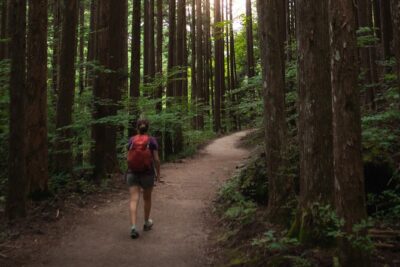
Magome & Tsumago Nakasendo Trail Day Hike with Government-Licensed Guide
Read our review →Browse the lists this tour appears in