
REVIEW · JAPAN
Kyoto Hiking Tour: The Nature and Legends of Kurama and Kibune
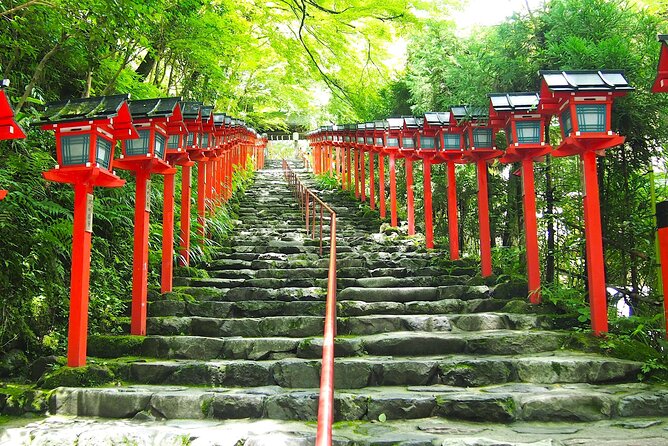
Mount Kurama gives you a very different Kyoto: cedar forest, mountain shrines, old religious legends, and cool air instead of crowded city lanes. You’ll walk from Yuki Shrine toward Kurama-dera, continue through the woods to Okunoin Maoden, then reach Kifune Shrine and its river valley. The forest hike is the main event, not a side trip between temples.
I like the private hotel pickup, which removes a fair bit of Kyoto transit fuss, and I like having a guide who can explain Reiki, water worship, local folklore, and the meaning of the places you pass. Guides such as Ryoma, Yuki, Miyo, Akari, and Yoji have also adjusted pace and plans for individual needs.
The catch is physical: this is not a casual stroll. Long stair sections, uneven surfaces, and uphill walking make moderate fitness important. Heavy rain can also force changes, as happened when a guide replaced the forest walk with easier shrine visits.
Key points to know before you book
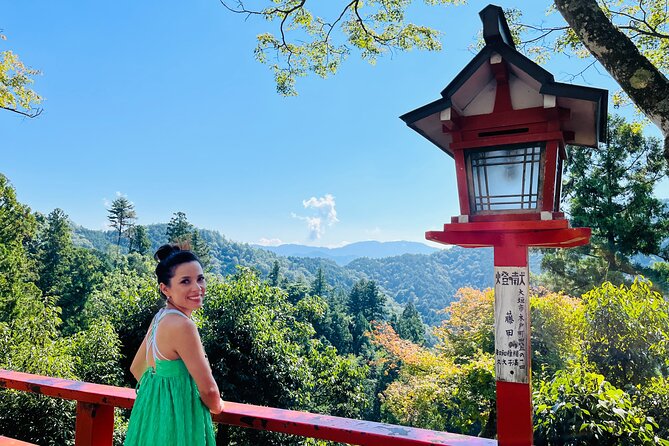
- The route links Kurama and Kibune: You see Yuki Shrine, Mount Kurama, Kurama-dera, Okunoin Maoden, and two parts of Kifune Shrine.
- Your guide is private to your group: The day can be paced around your interests, walking speed, and comfort.
- Hotel pickup and drop-off are included: This applies to the Kyoto urban area and the Kurama area.
- The trail has plenty of stairs: Allow for a real mountain walk, not simply temple sightseeing.
- Temple admission is covered: Kurama-dera entrance and the listed shrine visits are included.
- Lunch is your responsibility: A soba lunch in the mountain town may fit the day, but it is not included in the price.
Why Mount Kurama makes a fine escape from central Kyoto
Kyoto is famous for temples, but the city center can feel packed and polished. Mount Kurama offers a quieter change of pace, with tall trees, mountain air, and a string of sacred sites connected by footpaths.
The spiritual story is a big part of the appeal. Mount Kurama is associated with Reiki, the holistic healing practice. The founder, Mikao Usui, is said to have meditated here for 21 days in the early 1900s before receiving Reiki healing energy. You do not need to follow Reiki to enjoy the visit, but the idea gives the mountain a clear sense of place.
A private guide helps turn the walk into more than exercise. You can ask about Japanese religious traditions, the legends behind the shrines, and details that are easy to miss when walking alone. Guides have also pointed out lesser-known spots and adjusted the day around interests in food, religion, culture, or local life.
The tour lasts about eight hours and begins at 9 a.m. That is a full day, but the mountain setting gives the schedule a natural rhythm: shrine visits, forest walking, pauses for explanations, and time in the small mountain towns.
A few more hikes around Japan worth a look
- Fushimi Inari Hidden Hiking Tour (Private Option Available)
★ 5.0 · 1,750 reviews - Kyoto: 3-Hour Fushimi Inari Shrine Hidden Hiking Tour
★ 4.9 · 270 reviews - Hiroshima Local guided Hiking Tour&Open-air Tea Ceremony
★ 5.0 · 213 reviews
Starting at Yuki Shrine and its ancient cedar
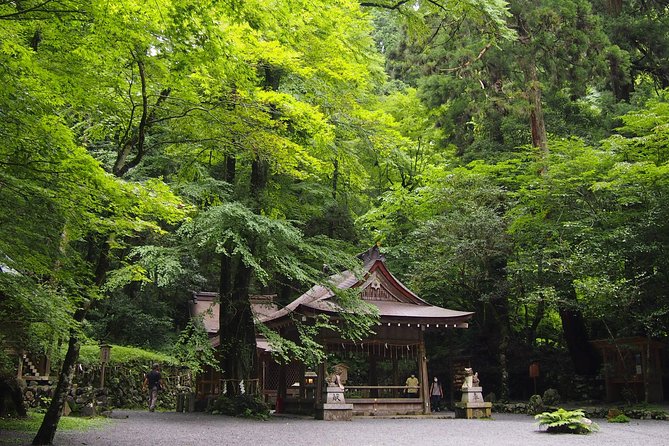
Yuki Shrine is the first scheduled stop, with about 20 minutes set aside. The shrine was originally built in central Kyoto, then moved to Kurama in 940 to protect the area from mysterious evil.
The site’s most memorable feature is an 800-year-old cedar tree. Your guide can provide the local meaning and context, helping you look past the usual quick shrine visit. This is also a useful warm-up before the harder part of the walk.
Twenty minutes is not long, so do not expect an extended visit. The stop works best as an introduction to Kurama’s legends and religious setting. If photography matters to you, mention it early so your guide can help balance pictures with the day’s walking schedule.
Walking Mount Kurama, with Reiki lore in the forest
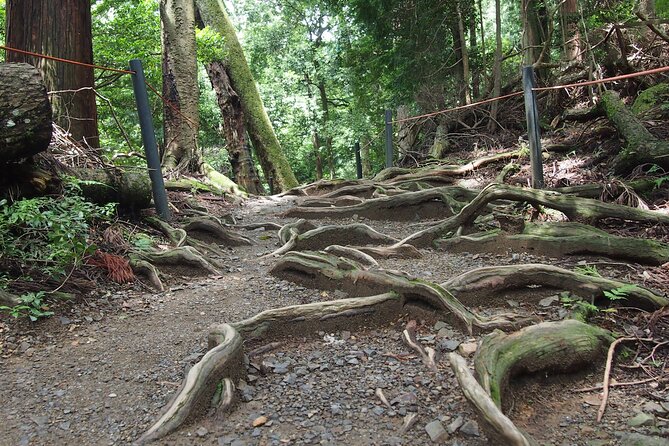
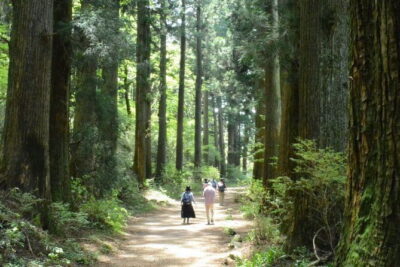
The Mount Kurama portion takes about an hour, though the full route includes additional walks and stair sections between the stops. The setting shifts from shrine grounds to wooded mountain paths, making this the part that gives the tour its character.
You should expect steps and uneven surfaces. One guide described the route as short in distance but demanding because of the amount of climbing and descending. Another guest in their seventies found the pace manageable because the guide used frequent stops and shared stories along the way.
That is the advantage of a private tour. You are not locked into a group pace. Yoji, for example, adjusted his walking speed for an older participant, while Michiko changed plans around an injury. Those examples do not promise a particular guide or result, but they show what private guiding can mean here: communication matters.
Wear shoes with a firm grip and bring water. The supplied information calls for moderate physical fitness, so you should be comfortable with sustained walking and stairs. If you have an injury or mobility concern, discuss it before the tour rather than hoping the route will be easy.
Kurama-dera, the mountain’s major temple
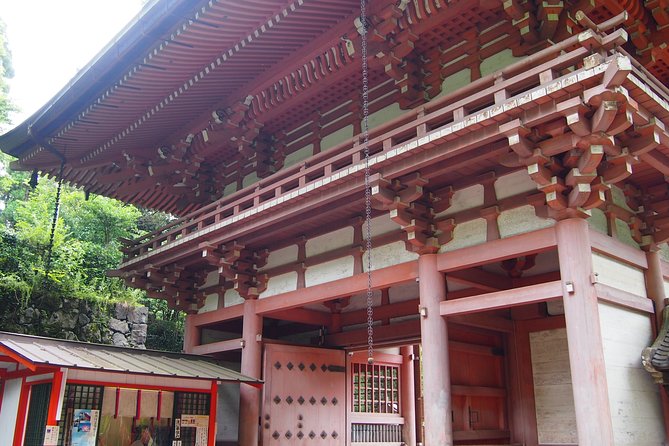
After Yuki Shrine, the route follows the forest for about 25 minutes to Kurama-dera. The temple dates to the eighth century and is dedicated to the Buddhist deity Bishamonten.
Admission is included, which keeps the day simple. You do not need to stop and sort out separate entry costs at the temple. The visit lasts about 45 minutes, giving you time to see the grounds and hear how the temple fits into Kurama’s religious traditions.
Kurama-dera is also where the physical effort begins to feel worthwhile. The temple is set in the mountain rather than on a flat city block, so the approach forms part of the experience. You reach it through the woods, not by simply stepping off a bus.
The tradeoff is clear: the setting makes the visit special, but it also requires effort. If you want a gentle temple tour with little walking, this is the wrong choice. If you enjoy connecting a temple to its setting, the uphill route adds meaning.
Same trailhead, a different sort of day:
- Hiroshima: Morning Hiking Tour with Open-air Tea Ceremony
★ 4.8 · 58 reviews - Full Day Hiking Tour at Mt.Takao including Hot Spring
★ 5.0 · 52 reviews - Kyoto: Hike and Hot Springs in Kurama
★ 5.0 · 49 reviews - Hike Hakone Hachiri
★ 5.0 · 48 reviews
Okunoin Maoden and the darker side of local legend
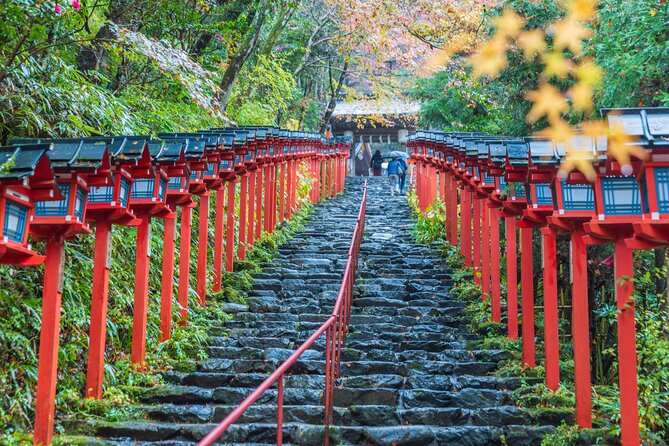
The short visit to Okunoin Maoden lasts about 10 minutes. It lies farther into the mountain and is associated with demons and a mysterious atmosphere.
This is not a long temple stop, but it adds a different tone to the route. Yuki Shrine introduces protection from evil, while Okunoin Maoden brings you closer to the mountain’s darker folklore. Your guide can explain the local stories and help you understand why the place feels different from the more formal temple grounds.
Do not judge this stop by its time allocation. Ten minutes is enough for a brief look and explanation, especially after the longer forest walk. The appeal is atmosphere and legend, not a long list of sights.
Arriving at Kifune Shrine, where water is sacred
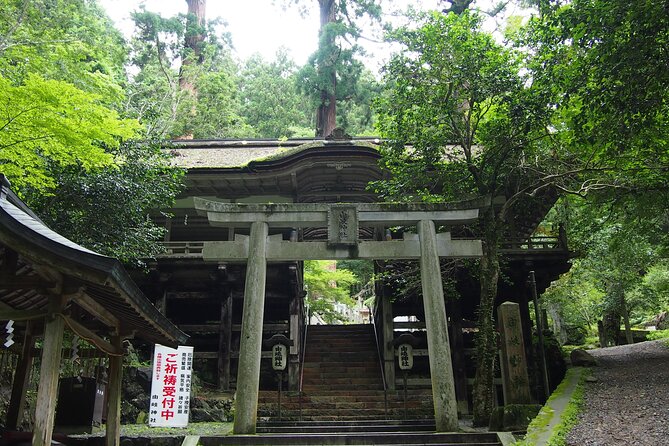
The route then reaches Kifune Shrine, with about 30 minutes at the main shrine. Kifune is linked to sailors seeking good fortune on their voyages and is dedicated to the god of water and rain.
You can drink the clear mountain water here. That small detail makes the shrine feel tied to its setting. Water is not simply scenery in this part of Kyoto; it is part of the shrine’s purpose and identity.
The setting also helps explain why this route works as a full-day outing. You are not repeating the same temple view all day. The experience moves from forest trails and Buddhist traditions to a shrine connected with rivers, rain, travel, and mountain springs.
Your guide’s explanations matter most here. Japanese shrines can be confusing if you do not know what you are seeing or why a place matters. An English-speaking guide can connect the rituals and legends to the wider culture without forcing you to read every sign yourself.
The inner shrine and the boat legend
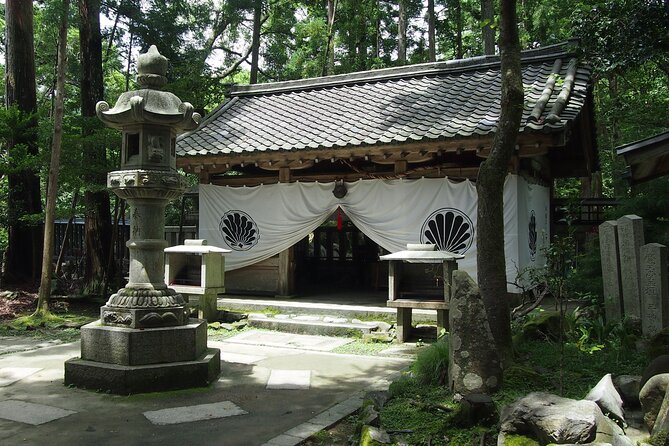
A second Kifune stop lasts about 25 minutes. This inner shrine is tied to the story of a goddess who traveled by boat from Osaka up the river into the mountains. The boat she is said to have used is housed here.
This gives the end of the route a strong narrative finish. You begin with a shrine moved to Kurama for protection, pass through a mountain associated with Reiki and demons, then reach a water shrine linked to a goddess’s journey.
The two Kifune stops are close in subject but not identical in purpose. The first focuses on water, rain, sailors, and mountain water. The inner shrine centers on the boat legend. If you are mainly interested in scenic walking, these explanations may feel more important than the buildings themselves.
What the private guide adds to the day
The strongest part of this experience is the guide relationship. You are not simply being led from one pin on a map to another. A good guide can explain religious movements, local legends, history, food, and daily life while keeping an eye on the path.
Several guides have been praised for clear English and easy conversation, including Mariko, Ryoma, Yuki, Akari, Miyo, Mizuho, Michiko, Miki, Etsuko, and Yoji. You cannot choose all of them from the information provided, but the range of names shows that the tour uses multiple guides.
The best guide stories involve practical care. Miyo was patient with a slower pace. Akari helped a group manage the climb safely. Mizuho made a demanding walk feel more like a guided stroll by stopping to explain the sites. Michiko changed the plan during heavy rain and arranged easier shrine visits instead.
That flexibility is useful, but it is not magic. A private guide cannot remove every stair or turn a wet mountain trail into a flat path. You still need to be honest about your fitness and tell the guide what you need.
Transport, timing, and the real cost
The price is $191.60 per person. That is not a bargain-priced walking tour, but the value improves if you would otherwise need to arrange transport, admissions, and a full day of guiding separately.
Hotel pickup and drop-off are included from the Kyoto urban area and the Kurama area. This is a real convenience because the tour starts at 9 a.m. and reaches a mountain area away from central Kyoto. The experience is private, so only your group participates, and group discounts may be available.
The price includes:
- Hotel pickup and drop-off in the stated service areas
- An English-speaking guide
- All listed fees and taxes
- Kurama-dera admission
- Admission for the included shrine and temple visits
- Photos of tour participants
Lunch is not included. A soba lunch in the mountain town may be possible during the day, but you should budget separately and confirm the plan with your guide. Private transportation by taxi, private car, or bus may also cost extra, despite the included hotel transfer arrangement. Ask about that point if your pickup location falls outside the stated areas.
The tour is commonly booked about 60 days ahead, so do not leave it until the last minute if your Kyoto dates are fixed. Confirmation is provided at booking, and free cancellation is available until 24 hours before the start time.
Weather can change the route
This is a mountain outing, so weather matters. If poor weather causes cancellation, you are offered another date or a full refund. If rain is possible but the tour goes ahead, the route may change for safety.
One account describes a day of heavy rain when the forest walk was canceled. The guide chose shrines with easier access, arranged transport, and used the extra time for another cultural visit. That is a sensible approach, but it means you should not treat every stop as guaranteed in bad conditions.
Bring clothing suitable for changing weather and expect the guide to put safety first. The forest is a major reason to book, but a wet trail can become a poor place for an eight-hour hike.
Who will enjoy this Kurama and Kibune day?
I would choose this tour if you want to see a quieter, greener side of Kyoto and enjoy learning while you walk. It suits people interested in Japanese religion, mountain folklore, Reiki, shrine traditions, and local stories.
It also works well for travelers who dislike handling transport connections in an unfamiliar area. Pickup, a private guide, and included admission remove several small tasks from the day.
I would hesitate if you want a flat walk, a short outing, or a schedule built around lunch and shopping. The route includes a lot of stairs and uneven ground. You should also be comfortable spending most of a day outdoors.
Older walkers may manage it if they have moderate fitness and use a sensible pace. The tour is not automatically easy for older people, but the private format allows regular pauses and adjustments. Tell the guide about injuries, fitness limits, or preferred interests before setting out.
Should you book it?
Book this tour if the walk itself matters as much as the temples. You get mountain scenery, local legends, Reiki connections, two Kifune stops, and a guide who can make the route understandable. The private format and hotel transfer are worth real money, especially on a first Kyoto visit.
Skip it if you want effortless sightseeing or dislike stairs. For the right person, this is one of the better ways to leave central Kyoto behind for a day. Just bring sturdy shoes, leave room in your budget for lunch, and treat the weather as part of the decision.
FAQ
How long does the Mount Kurama and Kibune tour last?
The tour lasts approximately eight hours and starts at 9 a.m.
Is hotel pickup included?
Yes. Hotel pickup and drop-off are included from the Kyoto urban area and the Kurama area.
Is this a private tour?
Yes. Only your group participates in the activity.
Is a guide included?
Yes. An English-speaking guide is included.
Are temple and shrine admissions included?
Yes. Admission to Kurama-dera and the listed shrine and temple visits is included.
Is lunch included?
No. Lunch is not included in the tour price.
How difficult is the hike?
You should have moderate physical fitness. The route includes many stairs, uphill and downhill walking, and uneven surfaces.
What happens if bad weather cancels the tour?
You will be offered a different date or a full refund if the experience is canceled because of poor weather.
Just added around Japan
- Hiking Tour for Sacred Sites in Kyoto with a Guide★ 5.0 · 3 reviews
- Kyoto Off The Beaten Path: Hidden Zen Garden & Magical Shrine★ 5.0 · 4 reviews
- Kyoto Arashiyama Bamboo Forest Hiking Tour(Hidden Temples)★ 5.0 · 30 reviews
- Hike and explore the Kurama and Kibune ancient Paths★ 5.0 · 3 reviews
- Hiking Tour in Enoshima with a Local Guide★ 5.0 · 4 reviews
- Kanazawa Day Tour: Shomyo Falls & Tateyama Mountain Walks★ 5.0 · 4 reviews
- Pasture Hike with Horse Whisperer at Horse Trust in Kagoshima★ 5.0 · 2 reviews
- 3.5hours Primeval Forest Snowshoe hike and Wildlife Watching Tour★ 5.0 · 14 reviews
Japan Hiking Tours, compared.
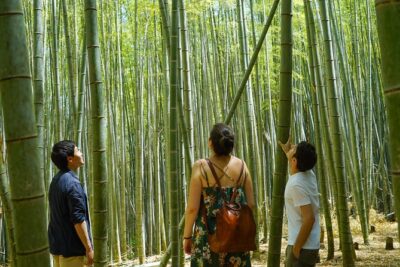
Fushimi Inari Hidden Hiking Tour (Private Option Available)
Read our review →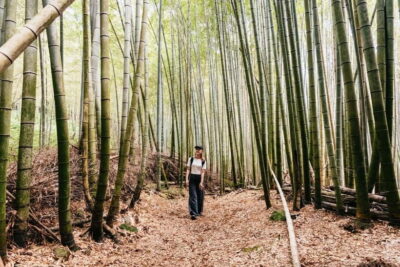
Kyoto: 3-Hour Fushimi Inari Shrine Hidden Hiking Tour
Read our review →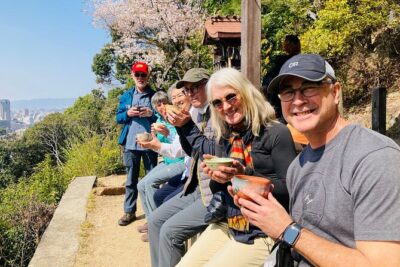
Hiroshima Local guided Hiking Tour&Open-air Tea Ceremony
Read our review →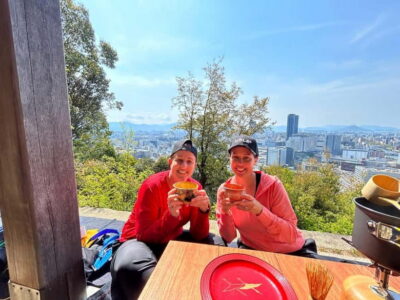
Hiroshima: Morning Hiking Tour with Open-air Tea Ceremony
Read our review →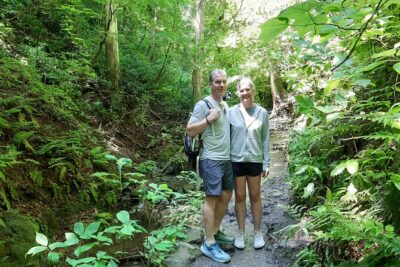
Full Day Hiking Tour at Mt.Takao including Hot Spring
Read our review →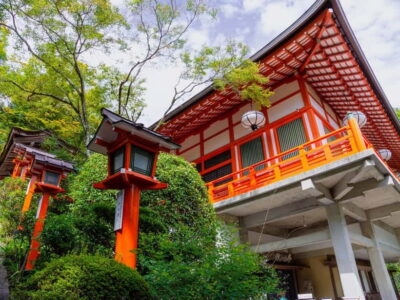
Hike Japan Heritage Hakone Hachiri with certified mountain guide
Read our review →Browse the lists this tour appears in