
REVIEW · JAPAN
Hiking Tour for Sacred Sites in Kyoto with a Guide
Kyoto’s most rewarding sacred sites may be found beyond its crowded central temples. This private day takes you by train from Kyoto Station to Mt. Kurama, then along a four-kilometer forest trail to Kifune Shrine. You get birdsong, mountain air, Buddhist and Shinto traditions, and a guide who can explain what you are seeing as you go.
I like the steady pace and the way the day mixes active hiking with cultural visits. I also like that public transportation and admission fees are included, so you are not sorting out every train, bus, and entrance ticket on your own.
The main catch is physical effort. The walk takes about 1.5 to 2 hours, and the full outing lasts roughly eight hours. Rain can also change the route or timing, so bring proper walking gear and keep your schedule flexible.
Key points at a glance
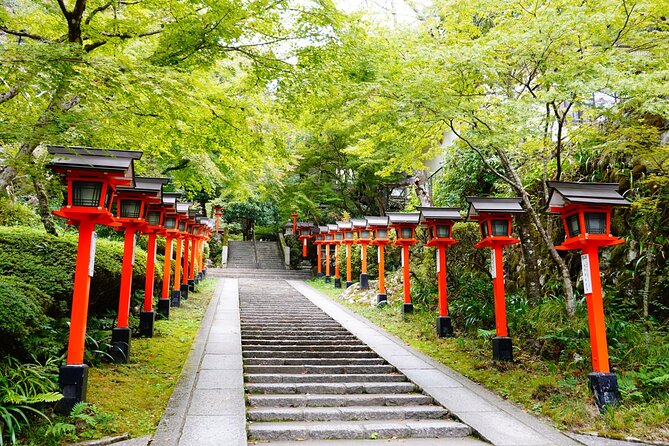
- Four-kilometer mountain walk: Follow the popular trail from Kurama toward Kibune through quiet forest paths.
- Two very different sacred places: Visit Buddhist Kurama-dera and Shinto Kifune Shrine in one day.
- Private guiding: Your group takes part on its own, with a National Licensed Guide Interpreter.
- Family-friendly pace, within limits: Guide Mark kept a family moving comfortably, including children aged 15 and 7.
- Transport handled for you: Trains, buses, and the return route toward Kyoto Station are included.
- A flexible format: The sample plan can be adjusted around your interests and dietary needs.
Why this Kyoto day feels different
Many Kyoto sightseeing days keep you among famous wooden buildings, stone lanes, and crowds. This one changes the rhythm. You leave the city by train, climb into the mountains, walk beneath trees, and finish in the village of Kibune.
The reward is not only the destination. It is the gradual shift from urban Kyoto to a quieter setting where religious sites make sense as part of the natural surroundings. Kurama-dera feels tied to the mountain, while Kifune Shrine is linked to water and sits in a narrow village north of Kyoto.
Your guide helps connect those settings to Japanese culture. That matters here because the day is not simply a hike with two photo stops. You are visiting a Buddhist temple and a Shinto shrine, two traditions with different customs and symbols. A National Licensed Guide Interpreter can explain those differences while also answering broader questions about Kyoto.
The experience is private, which gives you more freedom than a large group tour. You can ask for more cultural explanation, spend extra time at a particular site, or discuss adjustments when the day needs to change. The provider also says the sample plan can be adapted to your interests.
A few more hikes around Japan worth a look
- Hiroshima Local guided Hiking Tour&Open-air Tea Ceremony
★ 5.0 · 213 reviews - Hike Japan Heritage Hakone Hachiri with certified mountain guide
★ 5.0 · 46 reviews - Magome & Tsumago Nakasendo Trail Day Hike with Government-Licensed Guide
★ 5.0 · 38 reviews
From Kyoto Station to Kurama by train
The day begins at Kyoto Station, where you take trains toward Kurama. The travel section is listed at about two hours, so do not think of this as a quick transfer before the real activity begins. Public transit is part of the experience and part of the value.
For some visitors, riding local trains with a guide is useful in itself. You do not need to work out the route alone, and your guide can help the journey feel like part of the day rather than dead time. The return journey also uses public transportation, with a bus from Kibune-guchi Station to Kokusaikaikan Station before continuing toward Kyoto Station.
The transport cost is included, listed at about 740 Japanese yen for the return section. That is convenient, though you should still expect a full day with several changes of setting and some time spent seated.
Because the tour is booked an average of 47 days ahead, popular dates may fill well before your visit. You receive confirmation at booking in most cases. If you book within seven days of departure, confirmation can take up to 48 hours and remains subject to availability.
Kurama-dera and the first hour of culture
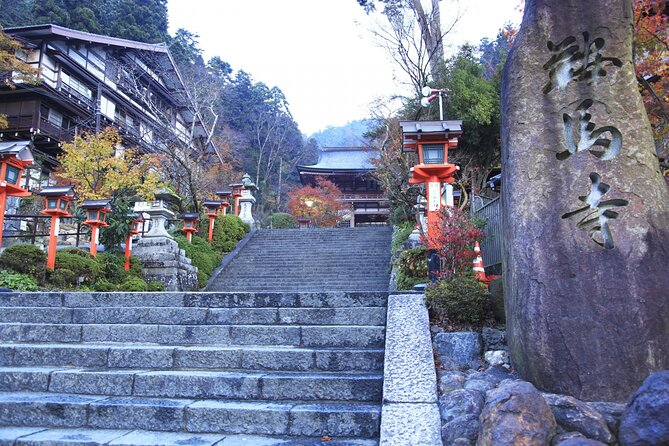
Kurama-dera is a historic Buddhist temple in the mountains north of Kyoto. Its setting is a major part of the appeal. Rather than arriving at a temple surrounded by city streets, you reach a religious site framed by forest and mountain air.
The visit lasts about one hour. Admission is included, with the listed entrance cost around 500 yen per person. Your guide can give the temple context before you continue on foot, which helps you notice more than the buildings alone.
I would give this stop your attention instead of treating it as a quick photo break. The temple establishes the spiritual tone of the day, and the walk afterward lets you see how the site relates to its surroundings.
There is also a practical point here: Kurama-dera is part of an active hiking day, not a flat sightseeing circuit. If you have trouble with steps, uneven ground, or prolonged walking, tell the provider before booking. The stated requirement is a moderate level of physical fitness.
The four-kilometer trail from Kurama to Kibune
The central event is the hike from Mt. Kurama toward Kibune. The trail covers about four kilometers and takes roughly 1.5 to 2 hours. Expect forest paths, natural scenery, and a steady connection between the two sacred sites.
This is not presented as an extreme mountain trek. Still, the tour requires enough stamina for a sustained walk after the visit to Kurama-dera, followed by more sightseeing and transportation. Good walking shoes matter more than fashionable footwear, particularly if rain has made sections wet.
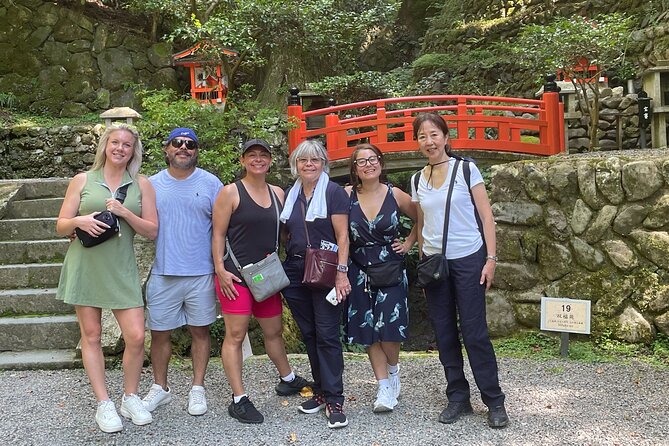
The best feature of a guided hike is the pace. Mark, the guide named in the tour information, kept a family moving comfortably, including children aged 15 and 7. That gives you a useful sense of the rhythm: this can suit a family with active children, but it is not a ride where you simply step off a bus at each sight.
The same account describes the walk as enjoyable even in rain, with birds and the forest adding to the mood. Do not take that as a promise of ideal conditions. Treat it as a reason to pack a light rain layer and expect the route to feel different in wet weather.
Weather may lead to changes in the plan. That is sensible for a mountain trail, but it means this day should not be your choice if you need every stop to happen at an exact time. The guide and provider may adjust the route for safety or other conditions.
Same trailhead, a different sort of day:
- Fushimi Inari Hidden Hiking Tour (Private Option Available)
★ 5.0 · 1,750 reviews - Kyoto: 3-Hour Fushimi Inari Shrine Hidden Hiking Tour
★ 4.9 · 270 reviews - Kyoto Hiking Tour: The Nature and Legends of Kurama and Kibune
★ 5.0 · 75 reviews - Hiroshima: Morning Hiking Tour with Open-air Tea Ceremony
★ 4.8 · 58 reviews
Kifune Shrine and the water connection
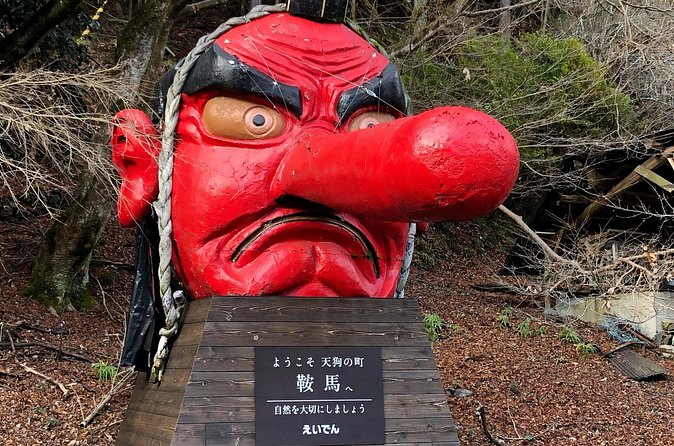
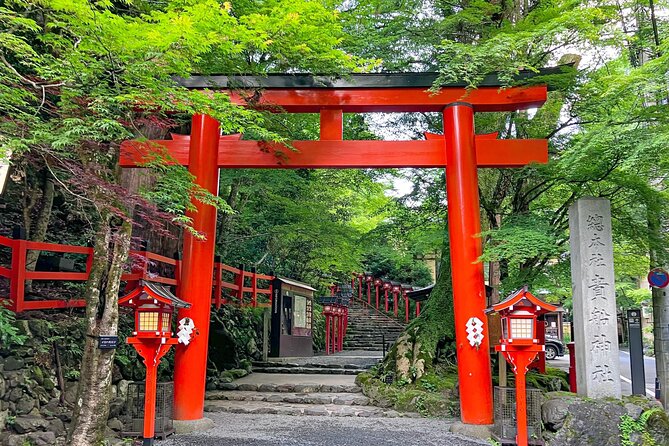
After the forest walk, you reach Kifune Shrine, also called Kifune-jinja, in the village of Kibune. The shrine is known for its connection to water deities and for its setting in the mountains north of Kyoto.
The visit lasts about one hour, and admission is included. This creates a satisfying contrast with Kurama-dera. You begin with a Buddhist temple and finish at a Shinto shrine, giving you a compact introduction to two major strands of Japanese religious life.
Kifune is not merely a final checkbox after the hike. Its water association gives the stop a clear sense of place. You have spent the day moving through a wooded mountain area, so a shrine linked to water feels connected to the setting rather than dropped into it.
The village location also means the day ends away from central Kyoto. That is pleasant, but it adds another transport stage. Plan to stay patient during the return trip instead of expecting to be back at Kyoto Station immediately after leaving the shrine.
Returning through Kibune-guchi and Kokusaikaikan
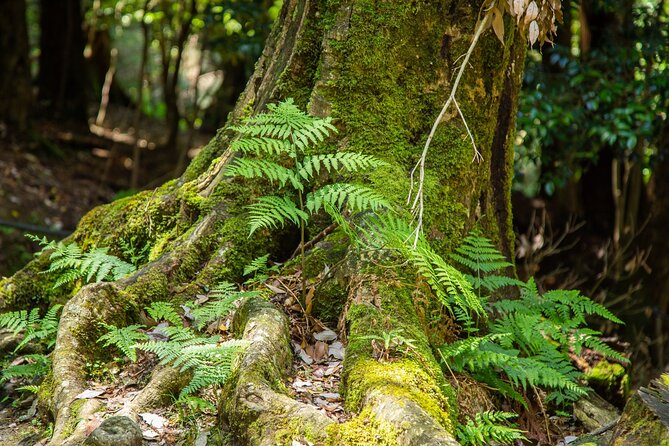
From Kibune-guchi Station, you take a bus to Kokusaikaikan Station, then continue toward Kyoto Station. The return section is listed at about two hours, so transportation takes a meaningful part of the day.
That travel time is one reason the eight-hour estimate feels realistic. The experience includes a mountain outing, two site visits, and the journey in and out. You are not paying for eight hours of nonstop guiding on a trail.
The benefit is simplicity. Your guide helps coordinate the public transit, and the fare is included. The drawback is that public buses and trains do not offer the privacy or speed of a private vehicle. If you prefer door-to-door touring, this may feel less comfortable. If you want to see Kyoto beyond the central tourist routes and use local transport with support, it is a sensible trade.
Pickup is offered, but the stated route begins at Kyoto Station and uses trains. Confirm the meeting and pickup details when booking, especially if your accommodation is outside central Kyoto.
What the $250 price really covers
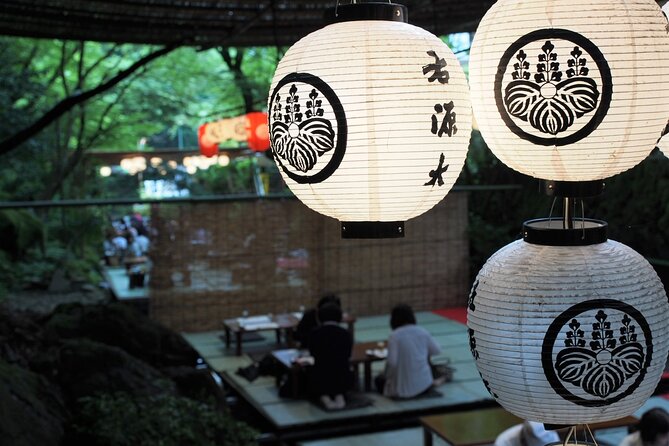
At $250 per person, this is not a budget outing. The price needs to be judged against what is included and the fact that the activity is private.
You receive a National Licensed English-speaking Guide Interpreter, admission fees, and public transportation. The private format means only your group participates, so the guide can focus on your interests instead of managing strangers. The provider can also accommodate vegetarian, vegan, gluten-free, and other dietary needs when you note them in the booking requirements.
Lunch is not included. Set aside about $10 to $20 for food, along with money for souvenirs and personal expenses. The tour information does not promise a particular restaurant or meal, so ask about lunch planning if food is important to your day.
The value is strongest for people who want help with both logistics and meaning. Getting to Kurama and Kibune independently may cost less, but you would need to plan the rail and bus connections, manage the timing, and interpret the sites on your own. Here, you are paying for a full day of transport coordination, guiding, and a private pace.
The value is weaker if you are already comfortable navigating Kyoto, want only a short hike, or prefer to spend a whole day at one temple area. In that case, the eight-hour schedule and private-tour price may be more than you need.
Who should book this hike
I would recommend this experience to an active family, a couple, or a small private group that wants a quieter side of Kyoto. It suits you if you enjoy walking but also want cultural explanation along the way.
The tour can work for families because the pace has been manageable for children, including a seven-year-old. Still, parents should judge their children’s comfort with a four-kilometer mountain walk and a full day of public transportation.
It is also a good match for visitors who have already seen central Kyoto and want a change of setting. You get nature, a Buddhist temple, a Shinto shrine, and a look at how sacred places relate to mountains and water.
I would hesitate to recommend it if you dislike uneven trails, have limited stamina, or need a tightly timed day. The physical requirement is moderate, not effortless, and weather may alter the plan.
Free cancellation is available until 24 hours before the start time. Cancellations or changes made within 24 hours are not refundable, so keep that deadline in mind when making plans around weather.
Should you book the Kurama and Kifune hike?
Book it if you want Kyoto with fewer city streets and more forest, and if a private guide adds real value for you. The combination of Kurama-dera, the four-kilometer walk, and Kifune Shrine gives the day a clear story rather than a string of unrelated stops.
The strongest reasons to choose it are the private format, included transit, and the chance to ask questions throughout the day. Guide Mark’s calm pace with children also suggests that families can manage it, provided everyone is ready for a long outing.
Skip it if you want a short, flat activity or the lowest possible cost. For everyone else, this is a well-rounded way to connect Kyoto’s spiritual traditions with the mountain setting that surrounds them.
FAQ
How long does the tour last?
The experience lasts approximately eight hours, including transportation between Kyoto Station, Kurama, Kibune, and the return route.
Where does the tour begin?
The sample route begins at Kyoto Station Building. Pickup is offered, so confirm the exact meeting or pickup details when booking.
How long is the hike from Kurama to Kibune?
The trail is approximately four kilometers and takes about 1.5 to 2 hours.
What fitness level is required?
A moderate level of physical fitness is recommended. The tour includes a sustained mountain walk and several stages of public transportation.
Is the tour private?
Yes. Only your group participates in the activity.
Are transportation and admission fees included?
Yes. Public transportation and admission fees are included. The listed admission cost is about 500 Japanese yen for Kurama-dera, and the return transport is listed at about 740 Japanese yen.
Is lunch included?
No. Lunch is not included. The estimated cost is about 10 to 20 US dollars, and dietary requirements can be noted when booking.
What happens if the weather is poor?
The itinerary may change because of weather or other reasons. Free cancellation is available up to 24 hours before the start time, but cancellations or changes made less than 24 hours in advance are not refunded.
Just added around Japan
- Kyoto Off The Beaten Path: Hidden Zen Garden & Magical Shrine★ 5.0 · 4 reviews
- Kyoto Hiking Tour: The Nature and Legends of Kurama and Kibune★ 5.0 · 75 reviews
- Kyoto Arashiyama Bamboo Forest Hiking Tour(Hidden Temples)★ 5.0 · 30 reviews
- Hike and explore the Kurama and Kibune ancient Paths★ 5.0 · 3 reviews
- Hiking Tour in Enoshima with a Local Guide★ 5.0 · 4 reviews
- Kanazawa Day Tour: Shomyo Falls & Tateyama Mountain Walks★ 5.0 · 4 reviews
- Pasture Hike with Horse Whisperer at Horse Trust in Kagoshima★ 5.0 · 2 reviews
- 3.5hours Primeval Forest Snowshoe hike and Wildlife Watching Tour★ 5.0 · 14 reviews
Japan Hiking Tours, compared.
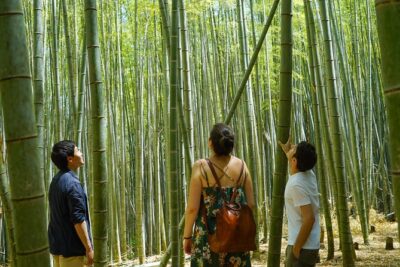
Fushimi Inari Hidden Hiking Tour (Private Option Available)
Read our review →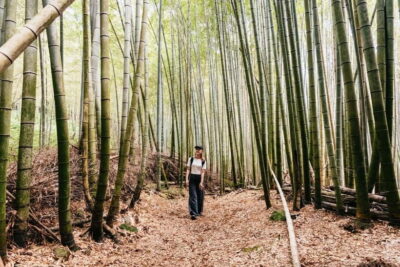
Kyoto: 3-Hour Fushimi Inari Shrine Hidden Hiking Tour
Read our review →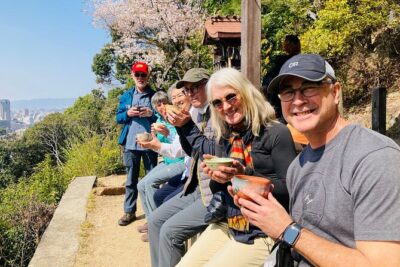
Hiroshima Local guided Hiking Tour&Open-air Tea Ceremony
Read our review →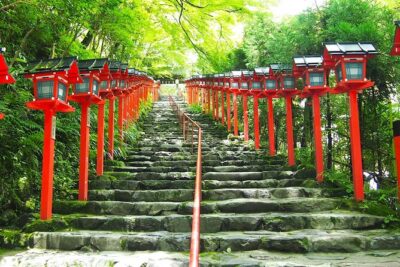
Kyoto Hiking Tour: The Nature and Legends of Kurama and Kibune
Read our review →
Hiroshima: Morning Hiking Tour with Open-air Tea Ceremony
Read our review →
Full Day Hiking Tour at Mt.Takao including Hot Spring
Read our review →
Browse the lists this tour appears in