
REVIEW · JAPAN
Morning Hiking Tour: Mt. Futaba & Hiroshima’s History
Mt. Futaba gives you something central Hiroshima rarely gets credit for: a quiet forest climb just minutes from the station. The route links Hiroshima Toshogu, Kinko Inari Shrine, red torii gates, and the Futabayama Peace Pagoda before opening to broad views of the city, the Seto Inland Sea, and Miyajima. I especially like the small private-group format and the way breakfast and tea turn a short hike into a cultural morning.
I also like the guides’ focus on shrine customs, architecture, religion, and Hiroshima’s recovery. Guides including Michi, Naomi, Kota, Lisa, and Michiyo have been praised for clear English and warm explanations. The main caution is simple: this is an uphill hike. It is described as manageable, but you still need comfortable shoes and enough energy for stairs and uneven paths.
Why this short Hiroshima hike is worth your morning
- Walk from Hiroshima Station into nature: The trail begins near the Shinkansen exit, so you do not lose time on a long transfer.
- Visit two very different sacred sites: Hiroshima Toshogu introduces ornate shrine architecture, while Kinko Inari leads you toward the mountain and its red torii.
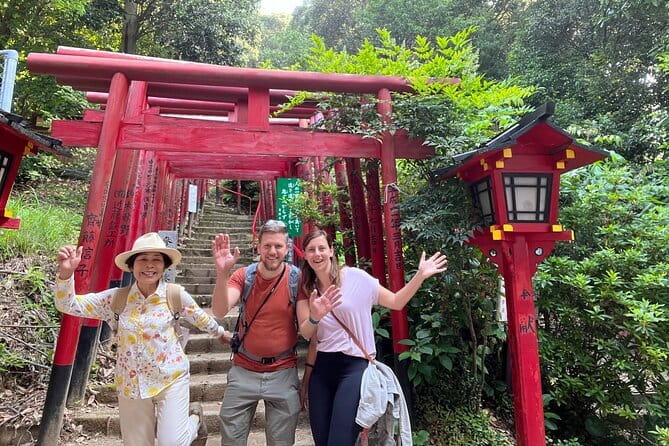
- See more than 100 torii gates: The gates create one of the route’s most memorable visual moments as the path rises through the trees.
- Pair a summit view with local food: A bento filled with local products is served near the summit shrine, with Hiroshima spread below.
- Try Nodate tea outdoors: Your guide performs an open-air tea ceremony, giving the morning a quiet Japanese rhythm.
- Keep the group intimate: The maximum is six people, and private booking means the pace and conversation can feel personal.
From Hiroshima Station to Hiroshima Toshogu
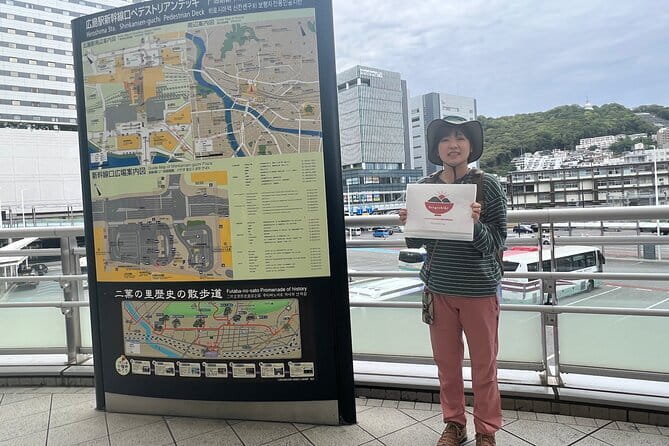
The tour begins at Hiroshima Station, at the Shinkansen exit area in Matsubaracho. The listed start times are 7:30 or 10:00, so confirm which departure you have selected. The early option gives you cool air, softer light, and time to continue sightseeing later in the day. The later start may suit you better if you arrived late or prefer a slower morning.
Your guide first explains the route and introduces the day. This is useful because the walk is not just a climb to a viewpoint. You are moving through a sequence of religious sites, each with its own setting and meaning.
Hiroshima Toshogu is the first major stop. The shrine honors Tokugawa Ieyasu, the founder of the Tokugawa shogunate, and is known for its decorative details. A guide can point out the craftsmanship, painted patterns, and design choices that are easy to miss if you simply walk through for a photograph.
I like this opening because it gives the hike a cultural foundation. You begin with buildings and symbols before entering the forest. The tour also places Hiroshima in a wider Japanese context, rather than treating the city only through the events of 1945.
Allow about 30 minutes here. Visitors interested in Japanese architecture and religious practice will get more from this stop than someone hoping to rush straight to the viewpoint. The pace is deliberate, and that is part of the value.
More Mountain Hikes in Japan
- Full Day Hiking Tour at Mt.Takao including Hot Spring
★ 5.0 · 52 reviews - Hike Japan Heritage Hakone Hachiri with certified mountain guide
★ 5.0 · 46 reviews - Explore Kiso Valley : Magome – Tsumago Mountain Trail Walk
★ 5.0 · 33 reviews
Kinko Inari Shrine and the first uphill stretch
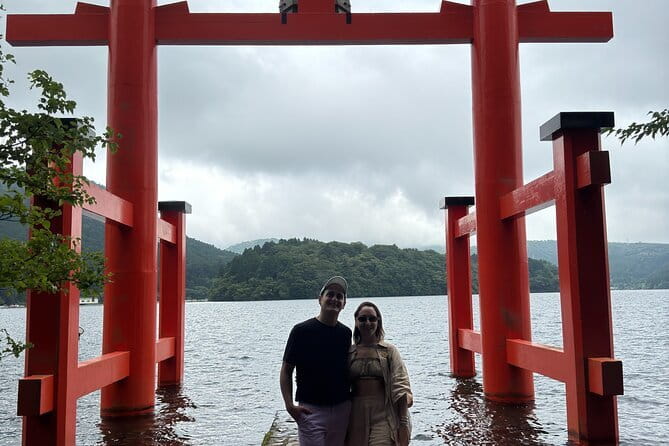
From Hiroshima Toshogu, the route continues to Kinko Inari Shrine. Here, the city starts to fall behind and the mountain path becomes the main setting. The red torii gates lead through the wooded slope, with more than 100 gates forming a corridor toward the higher shrine areas.
This is the point where the tour feels different from an ordinary city walk. You are still close to central Hiroshima, yet the sound and pace change. The trees provide shade, and the route offers a taste of shinrinyoku, or forest bathing, later in the morning.
The climb is not presented as a demanding mountain expedition. Several people who have taken the route describe it as easier than other Hiroshima hikes, with the ascent from the lower area to the summit taking roughly 20 to 30 minutes. Still, do not read easy as flat. You will walk uphill, use steps, and deal with forest paths. If you do not exercise often, take the climb at a steady pace and wear shoes with a firm sole.
A guide makes this portion more meaningful by explaining how to behave at shrines. You may learn how to approach a shrine respectfully, what certain structures represent, and how the worship spaces differ. These details are hard to pick up from signs alone.
Reaching the Futabayama Peace Pagoda
The route reaches the Futabayama Peace Pagoda, also called the Buddhist stupa in some descriptions of the area. From here, you get the tour’s main visual reward: Hiroshima City spreads below, with the Seto Inland Sea and Miyajima visible in the distance on a clear day.
The view connects the natural and urban sides of Hiroshima. You can look back toward the station and city center, then outward to the islands and water beyond. Miyajima may appear surprisingly prominent from this height. The view also gives physical meaning to Hiroshima’s recovery. The city is not presented only as a place of memory, but as a living place surrounded by hills, water, homes, and daily life.
Conditions matter. Clear morning air will give you the best chance of seeing the islands. On a hazy or rainy day, the panorama may be less sharp. That is one reason to check the forecast before booking, especially since the experience cannot be changed or refunded after cancellation.
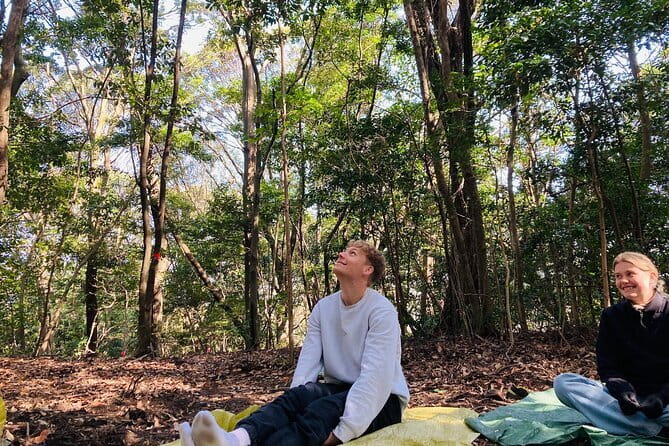
The stop also allows time for forest bathing. This does not mean a formal medical treatment. It is a guided pause in the trees, giving you time to slow down, notice the air and surroundings, and recover from the climb. I find this a welcome change from the usual sightseeing pattern of walking, photographing, and moving on.
Breakfast at the summit shrine
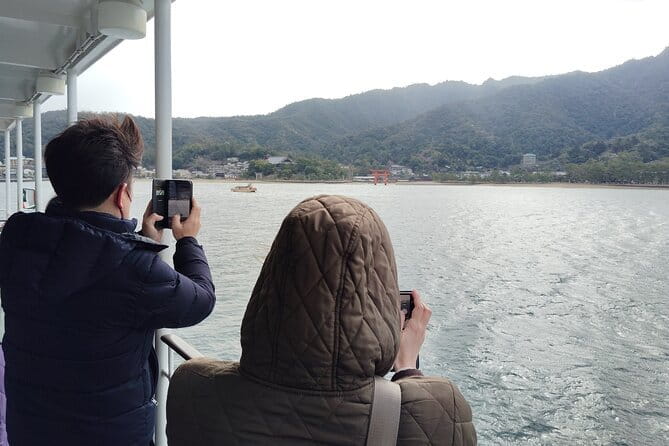
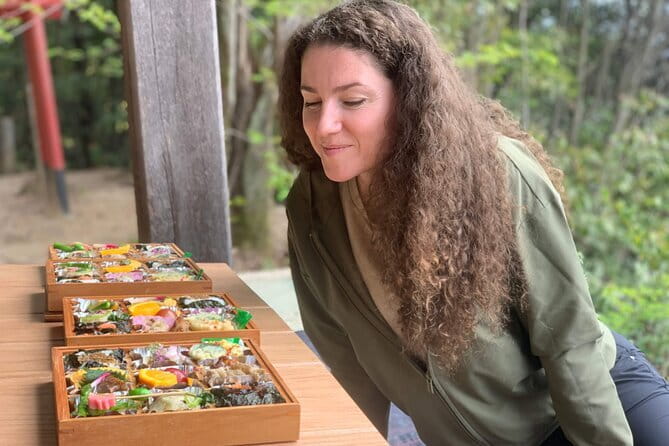
After the viewpoint and forest pause, you have a bento meal at the Okumiya Shrine, referred to in the tour details as the Okugu Shrine as well. The box includes local products and is served with the mountain view.
This is one of the tour’s strongest ideas. Breakfast makes practical sense after the climb, but it also turns the summit into a place to linger. Instead of taking a quick photograph and heading down, you sit with the view and have time to talk with your guide.
The meal is not described as a large restaurant breakfast, so set your expectations accordingly. It is a bento-style meal, served outdoors at a shrine setting. The appeal is the combination of local food, fresh air, and a view that you would not get from a station café.
Food needs can be handled for allergies, halal and Muslim-friendly requirements, vegetarian diets, and vegan diets. Contact the operator before booking so the meal can be arranged properly. This is important because substitutions should not be left until the morning of the walk.
The setting may also change with the season. Spring flowers, autumn color, and colder winter air have all been part of the experience at different times. One local participant returned in another season and found that the mountain offered new views and sensations. You should expect the basic route to remain the same, while the temperature, foliage, and visibility may change.
Same trailhead, a different sort of day:
- Fushimi Inari Hidden Hiking Tour (Private Option Available)
★ 5.0 · 1,750 reviews - Kyoto: 3-Hour Fushimi Inari Shrine Hidden Hiking Tour
★ 4.9 · 270 reviews - Hiroshima Local guided Hiking Tour&Open-air Tea Ceremony
★ 5.0 · 213 reviews - Magome & Tsumago Nakasendo Trail Day Hike with Government-Licensed Guide
★ 5.0 · 38 reviews
Nodate, tea served in the open air
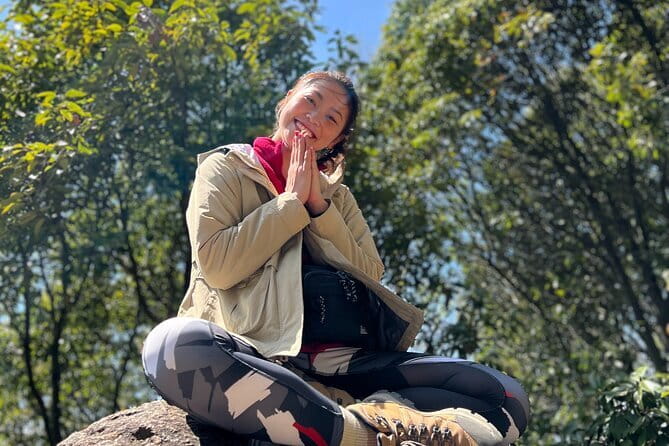
The final special touch is Nodate, an open-air tea ceremony performed by your guide. It is not a formal ceremony inside a tea house. Instead, the guide prepares and serves tea outdoors near the summit shrine.
That setting makes the activity approachable. You do not need prior knowledge of tea ceremony customs, and the guide can explain what is happening as part of the walk. After the exertion of the climb, the quiet pause and warm tea give the morning a satisfying finish.
I like the contrast here. The tour begins with city streets and shrine architecture, moves through a forest trail, reaches a broad city view, and ends with a calm cultural ritual. None of these parts takes an entire day on its own, but together they create a more rounded picture of Hiroshima.
The tea ceremony can also be a good moment to ask questions. Guides such as Michi, Naomi, Kota, Lisa, and Michiyo have been praised for discussing religion, local customs, city history, and everyday life in Hiroshima. The exact guide is not guaranteed, but the small group allows more room for conversation than a large scheduled walk.
Timing, group size, and value at $157.60
The advertised duration is about 3 hours and 30 minutes. The detailed schedule shows the walking and sightseeing portion ending back at Hiroshima Station around 11:00 for the early departure, or around 13:30 for the later departure. The itinerary also lists a 10-minute return period at the end.
At $157.60 per person, this is not the cheapest way to see a Hiroshima viewpoint. You are paying for a private experience, a guide, shrine interpretation, breakfast, tea, and a carefully linked route rather than for transport or admission to a major attraction.
The price makes more sense if you value personal explanation. You could walk toward Mt. Futaba independently, but you would need to find the route, understand the shrine customs, arrange breakfast, and bring your own context. The tour combines those pieces and keeps the group to no more than six people.
It is less compelling if you want a long, strenuous mountain day or a low-cost self-guided walk. The actual climb is fairly short, and much of the value comes from the guide’s explanations and the meal and tea service. You are buying a guided cultural outing, not a serious hiking challenge.
The experience is also practical for a short Hiroshima stay. Since it starts and ends at the station, you can fit it around a train journey or use the rest of the day for the Peace Memorial Park, museum, or other city sights. Just leave yourself enough time afterward if you have a reserved train.
Who should book this Mt. Futaba experience?
I would recommend it most to you if you want to see a quieter side of Hiroshima without leaving the city. It suits people who enjoy modest physical activity, Japanese religious sites, local food, and conversation with a guide.
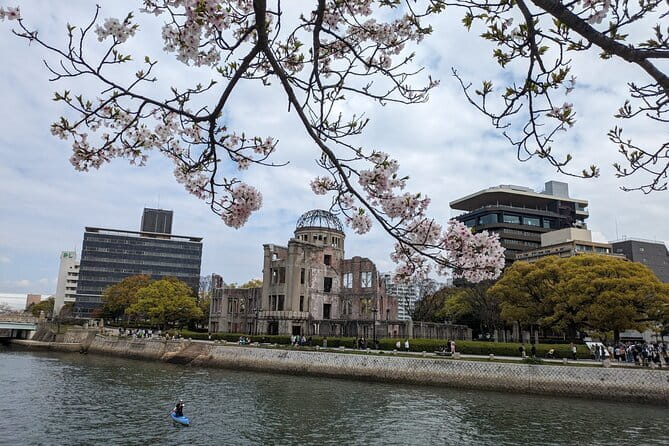
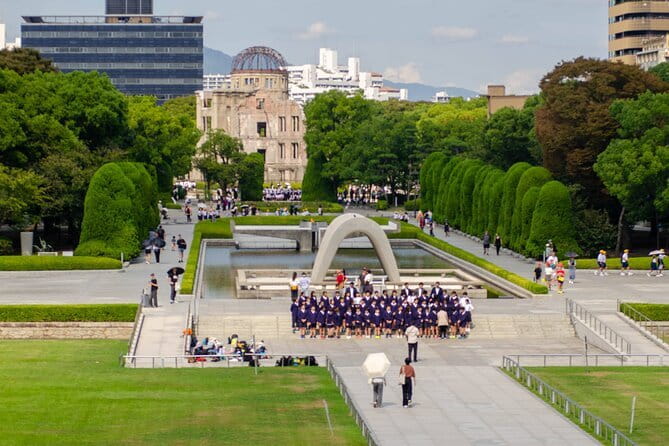
It is also a good choice for first-time visitors who want history beyond the usual central attractions. The tour does not replace the Peace Memorial Museum or the A-Bomb Dome. Instead, it adds a different view of Hiroshima, showing the city through its shrines, wooded hills, religious traditions, and postwar life.
Families may also find the format workable. Children aged 0 to 5 can participate free, and most people can take part. The uphill sections still require supervision and sensible footwear, especially for small children.
You should think twice if you have difficulty with uphill walking, stairs, or uneven ground. The route is considered manageable, but it remains a hike. You should also reconsider if your main goal is a long wilderness trek, since the walk is relatively short and close to the station.
The maximum group size is six, which helps keep the pace flexible. Since this is a private group experience, you have a better chance to ask detailed questions or request a slower rhythm than on a large coach excursion.
Practical advice before you go
Wear walking shoes rather than smooth-soled city shoes. The route includes an uphill section through wooded areas, and comfort matters more than fashion here.
Dress for the season and bring a light layer. A November morning can feel cold at around 5 degrees Celsius, while the forest may feel cooler than the city. The summit can also be more exposed than the lower shrine areas.
Bring water unless the operator tells you otherwise. Breakfast and tea are included, but the supplied details do not promise a separate drink service throughout the hike.
Check the weather before committing. If the operator expects bad weather to cancel the tour, contact the tour company directly by the morning of the previous day. The booking is non-refundable and cannot be changed for any reason, so weather planning matters.
Food requests should be sent before you apply. Allergy, halal, Muslim-friendly, vegetarian, and vegan needs can be accommodated, but the operator needs advance notice.
Because the experience returns to the same station meeting point, it is easy to plan around. The mobile ticket also means you can keep the booking details on your phone rather than carrying paper.
Should you book it?
Book this tour if you want a compact, guided morning that combines nature, religion, local food, and wide Hiroshima views. The route is close to the station, the group is small, and the breakfast and open-air tea give the climb a clear purpose.
Skip it if you want a demanding hike, a bargain-priced walk, or a completely independent outing. For most visitors with three and a half hours to spare, though, Mt. Futaba offers an unusually efficient way to see a calmer, greener, and more reflective side of Hiroshima.
FAQ
Where does the tour begin?
It begins at Hiroshima Station, near the Shinkansen exit, at 1-2-37 Matsubaracho in Hiroshima’s Minami Ward.
Where does the tour end?
The activity ends back at Hiroshima Station, at the same meeting point.
How long does the experience last?
The tour lasts approximately 3 hours and 30 minutes.
What start times are available?
The schedule lists departures at 7:30 or 10:00. Confirm your selected start time when booking.
How difficult is the hike?
It is an uphill hike through the Mt. Futaba area, but it is described as manageable and easier than some other Hiroshima walks. Comfortable shoes are recommended.
What will I see on the route?
You will visit Hiroshima Toshogu, Kinko Inari Shrine, the red torii gates on Mt. Futaba, and the Futabayama Peace Pagoda. The summit offers views of Hiroshima City, the Seto Inland Sea, and Miyajima.
Is food included?
Yes. You receive a bento filled with local products at the summit shrine and take part in an open-air Nodate tea ceremony.
Can dietary requirements be accommodated?
Food and drinks can be adapted for allergies, halal and Muslim-friendly requirements, vegetarian diets, and vegan diets. Contact the operator before applying.
What happens if the weather is poor?
If cancellation is expected because of weather, contact the operator directly by the morning of the previous day. The experience is otherwise non-refundable and cannot be changed for any reason.
More Early Starts in Japan
- Bali: Sunrise Mount Batur Guided Hike with Breakfast
★ 4.8 · 9,660 reviews - Bali: Mount Batur Sunrise Guided Hike and Natural Hot Spring
★ 4.8 · 9,284 reviews - Funchal: Pico do Arieiro Sunrise Hiking Transfer
★ 4.8 · 4,021 reviews - Mount Batur Sunrise Hike and Natural Hot Spring Option
★ 5.0 · 1,927 reviews
More Historical Tours in Japan
- 1-Day Tour from Nagoya: Hiking the Historic Nakasendo Trail
★ 4.9 · 34 reviews - Nepal Discovery Tour: Heritage Sites & Scenic Hill Easy Hike
★ 5.0 · 121 reviews - Kathmandu Highlights: Private UNESCO World Heritage Sites Tour
★ 5.0 · 50 reviews - Semi – Private Tour at Cape of Rodon; Hidden Beaches & History
★ 5.0 · 46 reviews
Just added around Japan
- From Nagoya: Kamikochi Guided Hike in the Japanese Alps★ 5.0 · 3 reviews
- Kyoto: Arashiyama Bamboo Grove, Monkey Mountain Walking Tour★ 4.7 · 4 reviews
- 1-Day Tour from Nagoya: Hiking the Historic Nakasendo Trail★ 4.9 · 34 reviews
- From Matsumoto/Nagano: Nakasendo Trail Walking Tour★ 4.9 · 33 reviews
- Private Local Hiking to enjoy the nature and culture of Mt.Fuji★ 5.0 · 22 reviews
- Walk the Ancient Pilgrim Paths of Mt. Fuji – Private Tour★ 5.0 · 10 reviews
- Kyoto: Fushimi Inari Hidden Hike (Private)★ 5.0 · 31 reviews
- Explore Kiso Valley : Magome – Tsumago Mountain Trail Walk★ 5.0 · 33 reviews
Japan Hiking Tours, compared.
Fushimi Inari Hidden Hiking Tour (Private Option Available)
Read our review →
Kyoto: 3-Hour Fushimi Inari Shrine Hidden Hiking Tour
Read our review →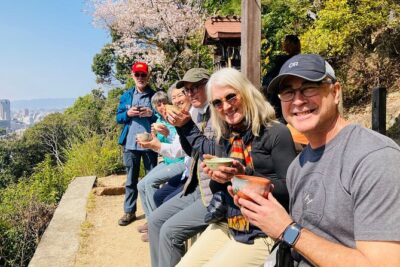
Hiroshima Local guided Hiking Tour&Open-air Tea Ceremony
Read our review →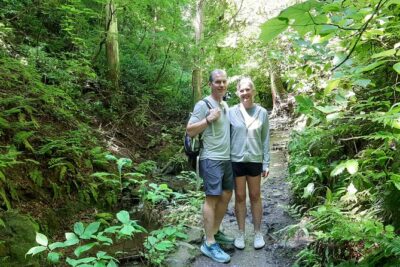
Full Day Hiking Tour at Mt.Takao including Hot Spring
Read our review →
Hike Japan Heritage Hakone Hachiri with certified mountain guide
Read our review →
Magome & Tsumago Nakasendo Trail Day Hike with Government-Licensed Guide
Read our review →
1-Day Tour from Nagoya: Hiking the Historic Nakasendo Trail
Read our review →
From Matsumoto/Nagano: Nakasendo Trail Walking Tour
Read our review →Browse the lists this tour appears in