
REVIEW · VIETNAM
Mountain views & Rice Terraced Fields Hiking – 2D 1N
Sapa’s best scenery comes on foot, and this two-day route takes you beyond town into rice terraces, mountain valleys, and villages of the Hmong, Giay, and Red Dao peoples. You’ll walk with a local Hmong guide, with guide San specifically praised for his explanations and care.
I like the mix of big mountain views and ordinary village life. I also like that the $90 price includes two lunches, dinner, breakfast, village fees, a homestay, water, and transport back to Sapa. The main catch is the walking: you need moderate fitness, and wet weather can make the trails harder.
Key things to know before booking
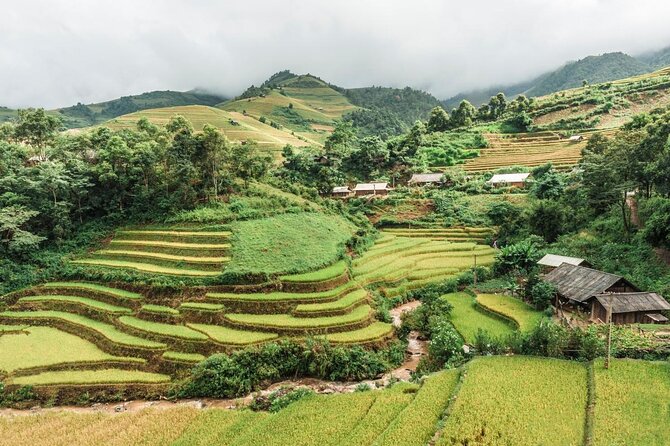
- Four named village stops: The route visits Hang Da, Hau Thao, Giang Ta Chai, and Ta Van, with a fifth village included in the wider route description.
- A local Hmong guide: You learn about marriage customs, rice growing, house building, and daily work from someone connected to the region.
- One night in a homestay: Dinner and breakfast are included, giving you a closer look at overnight village life.
- A small group: The maximum is 10 people, a useful size for narrow paths and conversations with your guide.
- A proper two-day walk: You hike uphill, downhill, and between villages rather than simply stopping at viewpoints by car.
- Simple, useful pricing: The fee covers the major tour costs, but drinks at the homestay, insurance, and tips are extra.
Why this Sapa trek works well
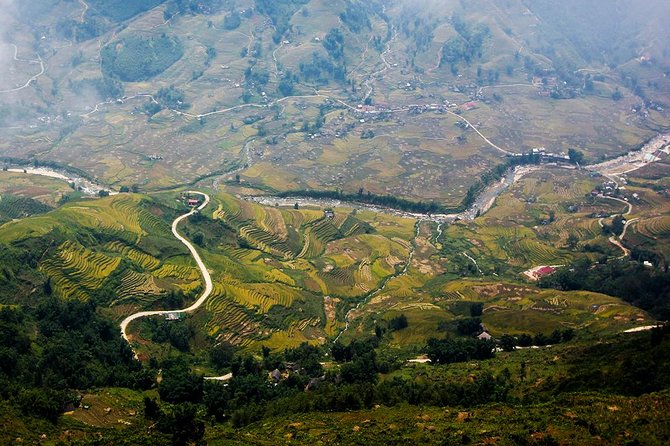
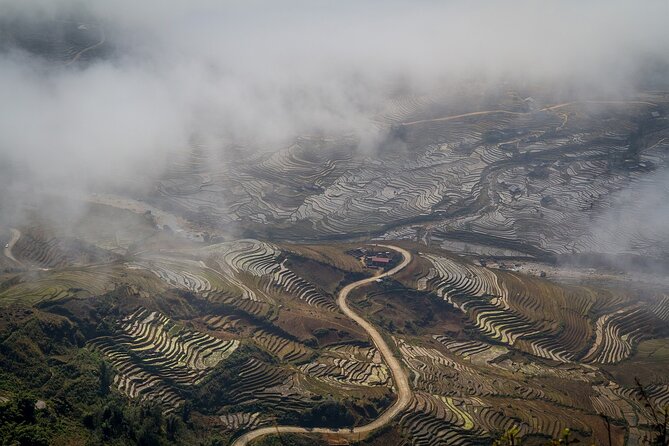
Sapa is famous for its rice terraces, but the town itself can feel busy and built up. This tour quickly gets you onto smaller trails and village roads, where the scenery changes with every turn. You’ll see steep mountains, broad valleys, Sapa’s largest river, and terraces shaped by generations of farming.
The cultural side is just as important. Your guide explains how the Black Hmong, Giay, and Red Dao communities live in the area. You may learn about Hmong marriage traditions, the work involved in cultivating rice, and local house-building methods. These details give meaning to the fields and homes you pass instead of leaving you with only photographs.
The group limit of 10 matters here. Small paths are easier to manage with fewer people, and you have a better chance to ask questions without turning the walk into a lecture. A local guide can also explain customs in a way that a general sightseeing guide may not.
A guide named San has been singled out for being helpful and clear, and the experience is run by a small local Hmong team. That local connection is a real strength. It does not guarantee that San will lead every departure, so check the guide details when booking if his presence matters to you.
More Mountain Hikes in Vietnam
- Ninh Binh 1 day Hoa Lu Trang An with Dragon Mountain Hiking
★ 5.0 · 245 reviews - 2 Days Motorbike Tour Ban Gioc Waterfall & Mt. Angel Eye Hike
★ 5.0 · 46 reviews - Bike and Hike to Lang biang Peak
★ 5.0 · 34 reviews
Day one: Hang Da and the first mountain views
Meet your guide at 9 am at your Sapa hotel or in front of Sapa’s main church. The stated meeting point is Sapa Church on Ham Rong Street, so confirm the exact pickup arrangement before setting out.
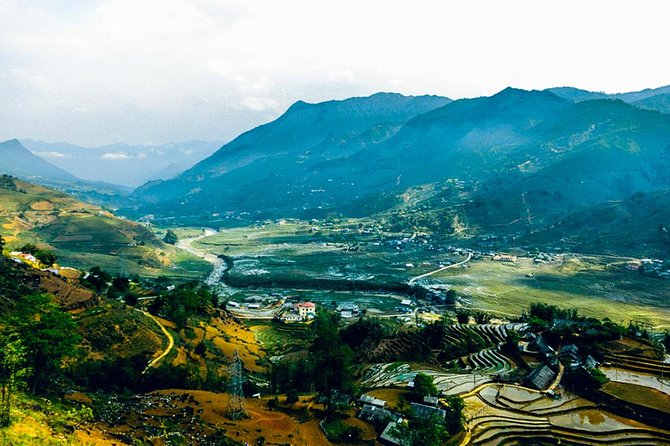
The opening walk climbs about 1 kilometer on a small trail toward mountain viewpoints near Hang Da Village. This short uphill section sets the tone for the trip. You are not being driven straight to a lookout, you are gaining the view under your own power.
The Hang Da stop lasts about an hour and includes the village entry fee. The appeal is the combination of elevation and open scenery. From the higher ground, you can take in the mountain shapes and valley below, with the rice terraces forming the most distinctive patterns when conditions and the agricultural season are right.
The route description does not give a total walking distance for either day. That matters if you are comparing this trip with a gentle sightseeing outing. Expect a real hike, not a short stroll, and bring shoes with a firm grip.
After the morning walk, lunch is included. Exact restaurant or meal details are not specified, but two lunches are covered in the price. You should still tell the provider about dietary needs before departure rather than assuming the menu can be changed on the spot.
Hau Thao: village life after lunch
After lunch, the route follows a small road downhill toward Hau Thao, a Black Hmong village. This is a quieter part of the day, with a chance to see local daily work if you arrive at the right time.
The stop itself is listed as brief, but the value is not measured only in minutes. Hau Thao gives you a chance to watch how a working village functions rather than treating the community as a stage set. Your guide can add context about Hmong homes, farming, and local customs.
The word Black Hmong refers to a Hmong group associated with the dark clothing traditionally made from hemp and dyed with indigo. The tour focuses on local culture, including marriage traditions, rice fields, work, and house building. You should treat these conversations as an introduction, not a complete account of every Hmong community in northern Vietnam.
The first night is spent at a homestay. Accommodation is included, along with dinner and a big bottle of water per person. A homestay is usually a simpler form of lodging than a hotel, so pack with flexibility. The supplied information does not specify private rooms, bathroom arrangements, bedding, or electricity, so ask the operator if those details affect your comfort.
The overnight stay is one of the best reasons to choose the two-day format. A single-day trek can show you terraces and villages, but staying overnight gives the route a slower rhythm. You are not watching the clock for a return transfer every few hours.
Day two: waterfall paths to Giang Ta Chai
After breakfast at the homestay, you begin the second day from Hau Thao. The route heads downhill toward Giang Ta Chai Village, with a waterfall along the way.
The walk to Giang Ta Chai is listed as about an hour, though the full day continues after that. Downhill walking can sound easy, but uneven paths can put more strain on your knees than a steady climb. Trekking poles are not listed as included, so bring your own if you use them.
The waterfall adds a welcome change from the terrace views. Water, trees, and rock give the morning a different feel, and it creates a natural place to pause for photographs. The exact waterfall name and trail conditions are not provided, so do not plan around a specific swimming or picnic stop.
This section also shows why weather matters. The tour requires good conditions, and poor weather can lead to a changed date or a full refund. Rain can affect footing on village trails and reduce the clarity of mountain views. If the forecast is poor, a rescheduled trek may be better than forcing the route.
The village entry fees are included, so you do not need to carry cash for those charges. You may still want money for extra drinks or small personal purchases.
Same trailhead, a different sort of day:
- Halong Bay Full Day with Kayaking, Hiking viewpoint, Cave – Deluxe To Luxury
★ 5.0 · 884 reviews - Ninh Binh: Cuc Phuong Jungle Hike & Wildlife Day Trip
★ 4.4 · 327 reviews - Half Day Hiking to Cat Ba National Park with a Guide
★ 4.8 · 312 reviews - Full day hikes, Cycles, Kayaks & swims in Cat Ba National park
★ 5.0 · 241 reviews
Ta Van and the meeting of two cultures
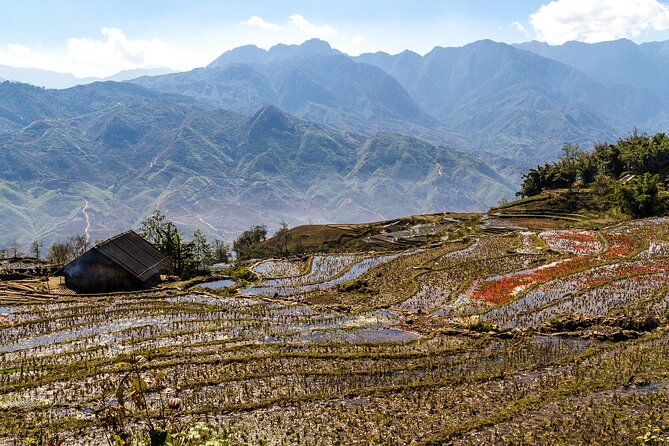
From Giang Ta Chai, the route continues downhill to Ta Van Village. Here you can see both Giay and Black Hmong communities.
Ta Van is a useful final stop because it brings together two ethnic groups within the same broader valley area. The guide can help you understand that Sapa is not culturally uniform. Customs, clothing, homes, and daily work can differ from one community to another, even when villages are close together.
The stop is brief in the formal schedule, but the entire approach is part of the experience. You walk through the countryside rather than arriving at a single viewpoint, so the route connects the scenery with the people who farm and live there.
The tour description also refers to visits involving Red Dao communities. The named stops specifically identify Black Hmong and Giay villages, so ask your guide how the Red Dao part fits into your departure route. Village access and the exact walking line may vary.
Once the village portion ends, transport back to Sapa is included. This is practical and saves you from arranging a separate ride after two days on foot. The activity ends back at the meeting point in Sapa.
What the $90 price really covers
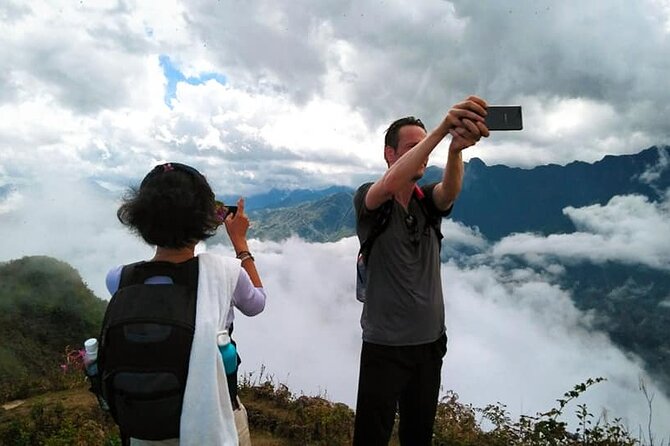
At $90 per person, this is good value if you want a guided overnight trek rather than a short countryside walk. The price includes:
- Two lunches
- One dinner
- One breakfast
- One night at a homestay
- Village entry fees
- A local guide
- One large bottle of water per person
- Transport back to Sapa
That package removes several costs that can otherwise add up. You are paying for guiding, food, lodging, access fees, and the return ride in one booking.
You still need to budget for personal travel insurance, extra drinks such as bottled water or beer at the homestay, and a tip. The tour does not state that all drinks are included, so do not rely on the single included bottle as your only water supply for two days. Ask the operator about refills and carry enough for the walking conditions.
The price is less compelling if you only want a panoramic viewpoint and do not care about village life. In that case, a shorter day trip may suit you better. This tour earns its value through time on the trail and the overnight stay.
Fitness, weather, and what to pack
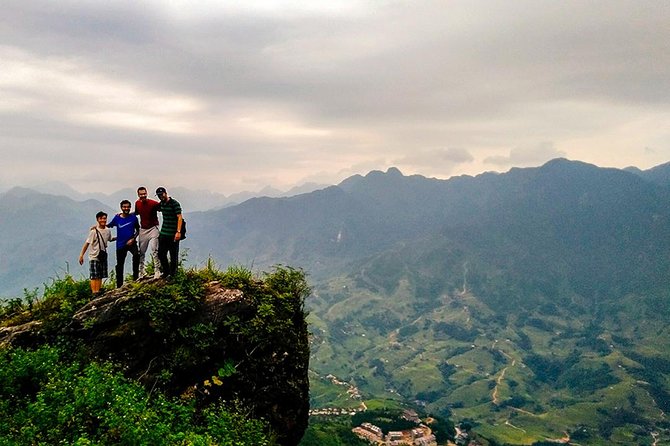
The operator asks for moderate physical fitness. That is a useful warning, since the route includes an uphill trail near Hang Da, downhill sections to Hau Thao and Ta Van, and a second-day walk to Giang Ta Chai and its waterfall.
You do not need to be an experienced mountaineer based on the information provided, but you should be comfortable walking on uneven rural paths for much of a day. The total distance and elevation gain are not supplied, so ask for current conditions if you are unsure about your ability.
Pack light, since you will be staying one night and walking between villages. Useful items include:
- Shoes with good grip
- Lightweight rain protection
- A refillable water bottle
- Sun protection
- A change of clothes
- A small overnight bag
- Cash for extra drinks and personal expenses
The tour may be canceled in poor weather. You can move the booking to another date or receive a full refund if the operator cancels for that reason. For your own cancellation, you must cancel at least 24 hours before the 9 am start for a full refund. Changes or cancellations inside that window are not accepted for a refund.
How personal is the experience?
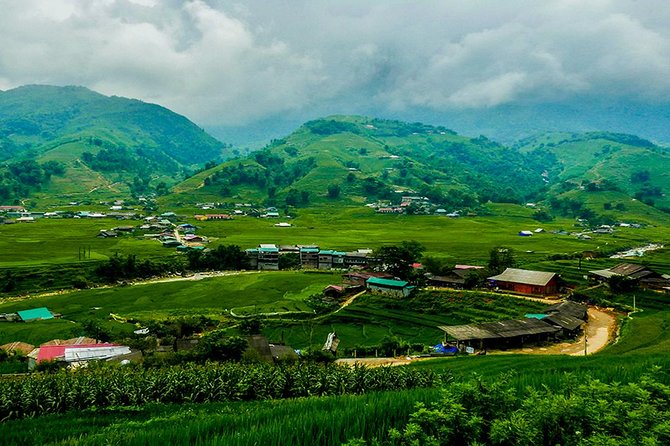
The maximum group size is 10. That is small enough to keep the walk manageable and large enough for a social feel. It also gives the guide room to stop and explain what you are seeing.
The local Hmong connection is important. The company describes itself as a small local Hmong team in Sapa, and the tour is built around cultural explanation rather than just moving from viewpoint to viewpoint. A guide such as San may discuss marriage customs, farm work, and building methods as you pass through the villages.
The experience is not designed as a private cultural exchange. You are visiting working communities, and the route includes entry fees and established stops. Still, the walking format and small group make it more grounded than a quick vehicle tour.
You should listen carefully, ask respectful questions, and avoid treating homes or people as photo props. The best part of the route is the chance to see everyday life with some context, not simply to collect pictures.
Who should book this two-day route?
I would choose this tour if you want three things at once: mountain scenery, rice terraces, and a local cultural introduction. It suits people who prefer walking to riding between viewpoints and who are comfortable with simple overnight accommodation.
It is also a strong option if you have only two days in Sapa but want more than a town visit. The 9 am start gives you a clear morning departure, and the return transport removes a common end-of-tour hassle.
I would hesitate if you need exact mileage, fixed hotel-style amenities, or a highly polished schedule. The information does not specify the full walking distance, room setup, bathroom facilities, meal menus, or the exact guide for every date. Ask those questions before paying if they are important to you.
The tour is not ideal for anyone looking for a relaxed vehicle excursion. The hills, downhill trails, and weather-sensitive paths call for reasonable fitness and sensible footwear.
Should you book Mountain Views and Rice Terraced Fields Hiking?
Book it if you want to see Sapa at walking pace, sleep in a village homestay, and learn about Hmong, Giay, and Red Dao culture from a local guide. The combination of included meals, entry fees, lodging, and return transport makes $90 a fair price.
The strongest reasons to go are the mountain views, the rice terraces, and the cultural explanations. The main reasons to pause are the unspecified walking distance and the simple nature of homestay accommodation.
For many visitors, this is a practical middle ground: more personal than a quick sightseeing ride, but less demanding than a serious multi-day trek. Confirm the guide, trail conditions, and homestay details before departure, then bring good shoes and leave room for the route to unfold at village pace.
FAQ
Where does the tour start?
The tour starts at 9 am. Pickup is offered from your hotel in Sapa, or you can meet the guide in front of Sapa’s main church on Ham Rong Street.
How long does the experience last?
The experience lasts two days and includes one night at a homestay.
Which villages does the route visit?
The named stops are Hang Da Village, Hau Thao, Giang Ta Chai Village, and Ta Van Village. The wider tour description also refers to five villages and Red Dao communities, so confirm the exact route for your departure.
What ethnic communities can I learn about?
The tour introduces you to Hmong, Giay, and Red Dao communities. The named village stops specifically include Black Hmong and Giay communities.
Is food included?
Yes. The price includes two lunches, one dinner, and breakfast.
Is transport back to Sapa included?
Yes. Transport back to Sapa is included after the village portion of the tour, and the activity ends at the meeting point.
What happens if bad weather cancels the tour?
If the tour is canceled because of poor weather, you can choose another date or receive a full refund.
More 2-Day Experiences in Vietnam
- SaPa: 2-Day Villages,Rice Fields, Love Waterfall Hiking Tour
★ 5.0 · 9 reviews - From Hanoi to Lan Ha Bay: 2-Day Jungle Hiking & Night Kayak
★ 5.0 · 3 reviews - From Antigua: Adventure, 2-Day Hiking to Acatenango Volcano
★ 4.4 · 1,189 reviews - From Antigua: 2-Day Acatenango Volcano Hiking with Guide
★ 4.1 · 366 reviews
Just added around Vietnam
- Full day hike – climbing in Jungle of Cat Ba National park★ 4.9 · 34 reviews
- From Sapa: Fansipang Mountain Hike 1 Day★ 4.5 · 6 reviews
- From Sapa: Fansipan hiking 1 Day trip – Most Recommended★ 5.0 · 4 reviews
- From Hanoi to Lan Ha Bay: 2-Day Jungle Hiking & Night Kayak★ 5.0 · 3 reviews
- From Hanoi: Hoa Lu, Hang Mua Hike, Tam Coc Boat, and Lunch★ 4.4 · 28 reviews
- Cuc Phuong National Park Hiking Tour★ 4.3 · 4 reviews
- SaPa: 2-Day Villages,Rice Fields, Love Waterfall Hiking Tour★ 5.0 · 9 reviews
- 1Day 5 Stars Cruise:Swimming,Hiking & Kayaking,★ 5.0 · 3 reviews
Vietnam Hiking Tours, compared.
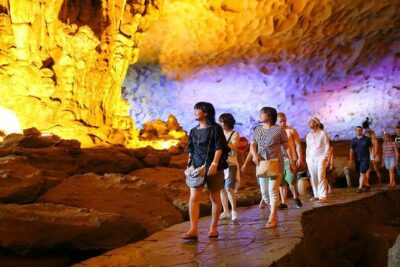
Halong Bay Full Day with Kayaking, Hiking viewpoint, Cave – Deluxe To Luxury
Read our review →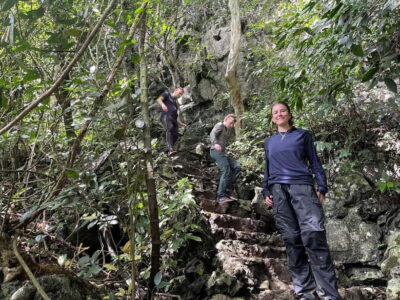
Ninh Binh: Cuc Phuong Jungle Hike & Wildlife Day Trip
Read our review →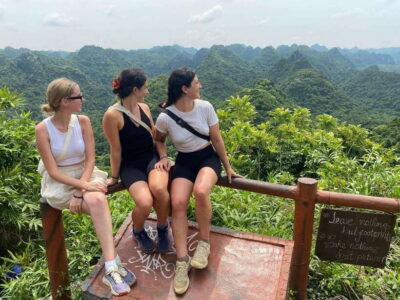
Half Day Hiking to Cat Ba National Park with a Guide
Read our review →Ninh Binh 1 day Hoa Lu Trang An with Dragon Mountain Hiking
Read our review →
Full day hikes, Cycles, Kayaks & swims in Cat Ba National park
Read our review →
From Hue: Bach Ma National Park Hiking Day Trip with Pickup
Read our review →
Dalat: Cloud Chasing packaged hike – Sunrise Pickup Included
Read our review →
Ninh Binh: Hoa Lu, Trang An and Mua Caves Hiking Day Trip
Read our review →Browse the lists this tour appears in