
REVIEW · VIETNAM
Hiking Fansipan 2D1N – Explore The Majestic Nature
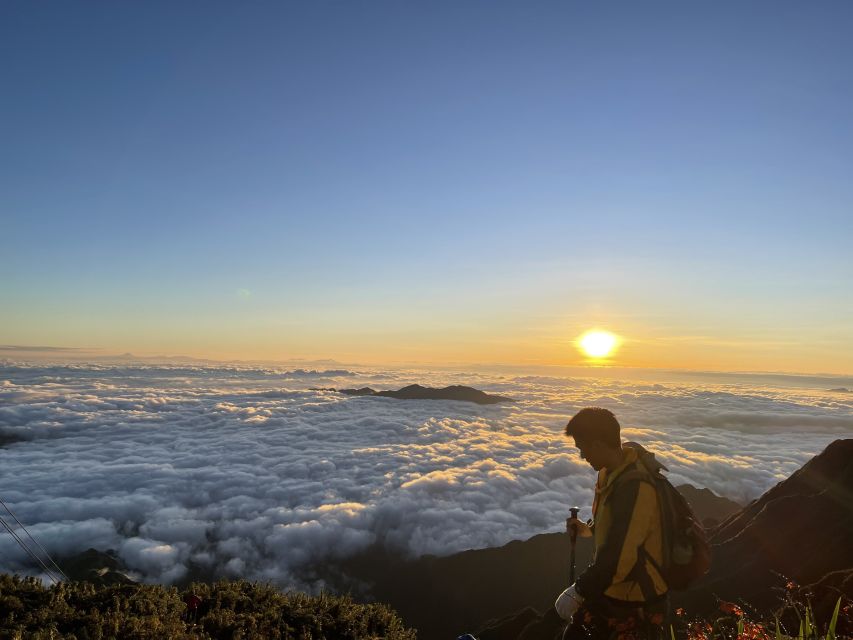
Fansipan is more than a summit photo. This 2-day mountain trek takes you through Hoang Lien National Park, past cardamom plants and jungle vegetation, then up to a basic wooden shack at 2,800 meters. The early climb to the 3,143-meter peak is hard, but it gives you a real chance to see sunrise and a sea of clouds before the cable-car crowds arrive.
I like the slower pace, which gives you more time for breaks and lets the guide cook dinner at camp. I also like the cultural side: local Hmong and Red Dao guides explain plant uses and ethnic traditions along the way. The catch is simple: the hut is cold, noisy, and very basic, with a hard mattress and no pillow.
- A 3:00 AM summit start: Reach Fansipan in time for sunrise, if clouds and weather cooperate.
- A local guiding team: Hmong and Red Dao guides lead the hike and share knowledge of plants and local culture.
- A real overnight stop: Sleep at 2,800 meters in a wooden shack rather than rushing the mountain in one day.
- Porter support: One porter carries food and water for every three participants.
- A challenging route: The trek suits fit hikers, not children under 16 or people with mobility or heart problems.
Fansipan by Foot, Not Just by Cable Car
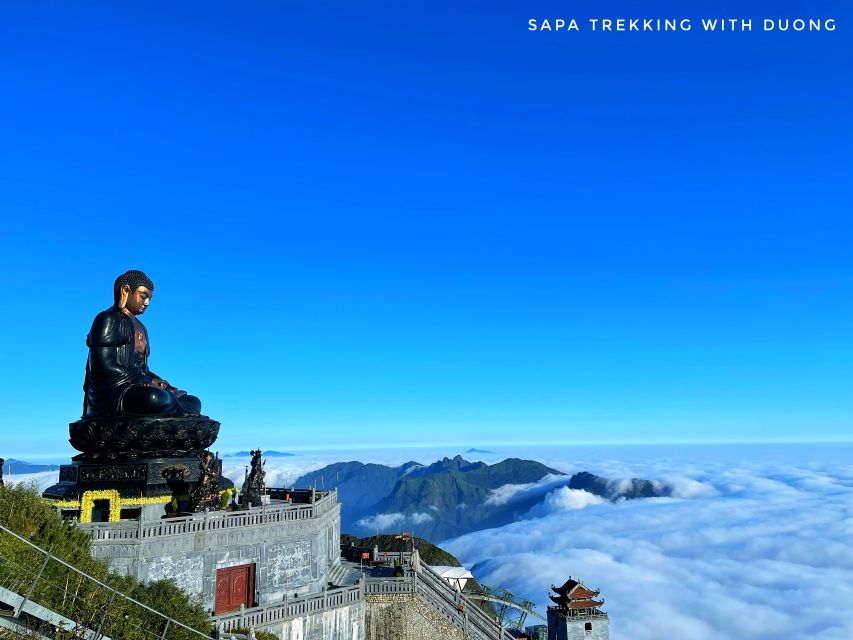
At 3,143 meters, Fansipan is the highest mountain in Indochina. The mountain rises above Sapa in the Hoang Lien Son range, and reaching it on foot gives you something the cable car cannot: a gradual change from town and road to forest, mountain vegetation, cold summit air, and high-altitude views.
This is not a casual walk. You climb from Tram Ton Pass to 2,800 meters on the first day, sleep for a few hours, then get up around 4:00 AM for the final two-hour push to the summit. You need steady legs, decent stamina, and a willingness to sleep in rough conditions.
The route is private, so your group can move at its own pace. That matters on a steep trail. You can stop for photographs, rest during the climb, and ask questions without trying to keep up with a large party.
Starting in Sapa and Reaching Tram Ton Pass
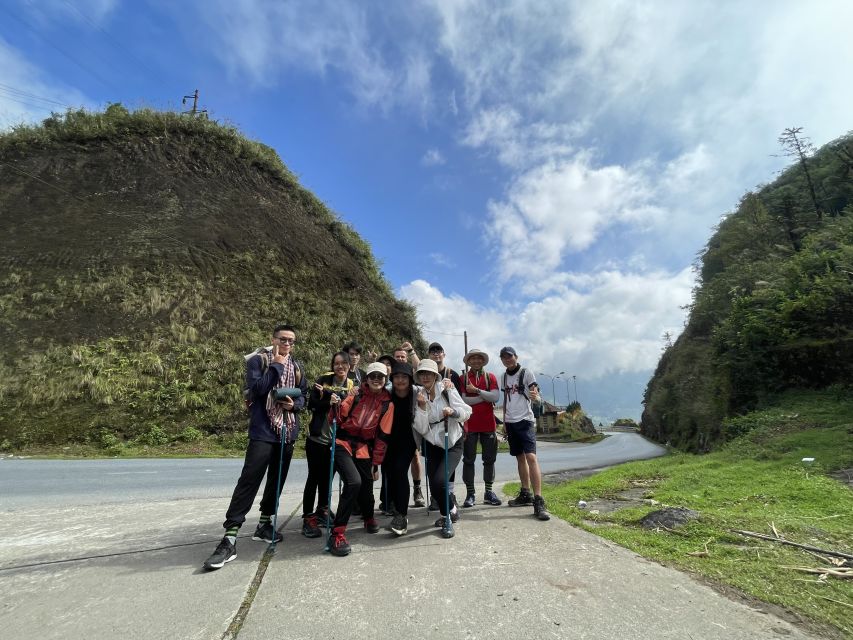
Pickup is from your hotel in central Sapa or from Sapa Church if your lodging sits outside the central pickup area. The guide waits in the lobby about 15 to 30 minutes before the agreed time, and the drive to Tram Ton Pass takes roughly 30 minutes.
At about 8:30 AM, you meet the guide and driver, hear the safety briefing, and begin the short transfer. Tram Ton Pass is the trailhead for the climb. From here, the road gives way to the mountain path and the first serious work of the trip begins.
The transfer is useful rather than scenic sightseeing. It saves your legs for the long climb and puts you directly at the starting point. Keep your daypack ready before leaving Sapa, since you will want easy access to water, a jacket, snacks, and rain protection.
The tour includes transportation from Sapa to Tram Ton Pass and back. It does not include transport from the cable-car station to Sapa if you choose to descend by cable car, so ask about that option before committing to it.
A few more hikes around Vietnam worth a look
- Mountain views & Rice Terraced Fields Hiking – 2D 1N
★ 5.0 · 99 reviews - 2 Days Motorbike Tour Ban Gioc Waterfall & Mt. Angel Eye Hike
★ 5.0 · 46 reviews - SaPa: 2-Day Villages,Rice Fields, Love Waterfall Hiking Tour
★ 5.0 · 9 reviews
Forest Paths, Cardamom, and the Climb to 2,200 Meters
The first section takes you through jungle and mountainside vegetation. One of the more interesting details is the chance to see local cardamom plants and learn how people use them in the area. This turns the uphill walk into more than a test of endurance. You begin to understand how the forest supports local communities.
The guide also provides a window into Hmong and Red Dao traditions. The information may be shared in simple English, and the quality of conversation can depend on the individual guide’s language skills. Still, the local connection is an important part of the trip. The company is owned by ethnic-minority people from Sapa, and guides come from local Hmong and Red Dao communities.
At about 2,200 meters, you stop for a picnic lunch and rest for roughly an hour. This break is well placed. The climb has already taken effort, and eating too quickly before continuing would make the next section harder.
Food and water are carried by porters, with one porter shared by every three people. That arrangement keeps your own pack lighter, though you should still carry personal items. The tour provides 1.5 liters of water per person per day, but one experienced booking note recommends bringing at least another liter. I would follow that advice, especially in dry or warm conditions.
The Final Ascent to the 2,800-Meter Hut
After lunch, you continue upward toward 2,800 meters. The reward is wider views over Hoang Lien National Park and its changing vegetation. The higher you go, the more exposed and demanding the route can feel, especially if the weather turns cold, wet, or windy.
You aim to reach the overnight shack at about 4:30 PM. After settling in, you can walk around the area, take pictures, and watch the sunset if the clouds allow it. The sunset is weather dependent, just like the summit view the next morning. On Fansipan, clouds can hide the very scenery you came to see, so keep your expectations flexible.
Dinner is prepared at the shack. You can join the cooking if you like, then eat with the guide and group before trying to rest. Coffee and tea at the wooden shack are included, as is the gas used for cooking.
The hut is the main comfort compromise. It is a simple wooden shelter, not a lodge. You sleep on a hard mattress, and there are no pillows. Cold air and loud wind can make the night uncomfortable, so pack warm layers and something soft to use as a pillow. A towel and a full change of clothes are also sensible, particularly if rain or sweat leaves your hiking clothes damp.
A Pre-Dawn Walk to Indochina’s Highest Summit
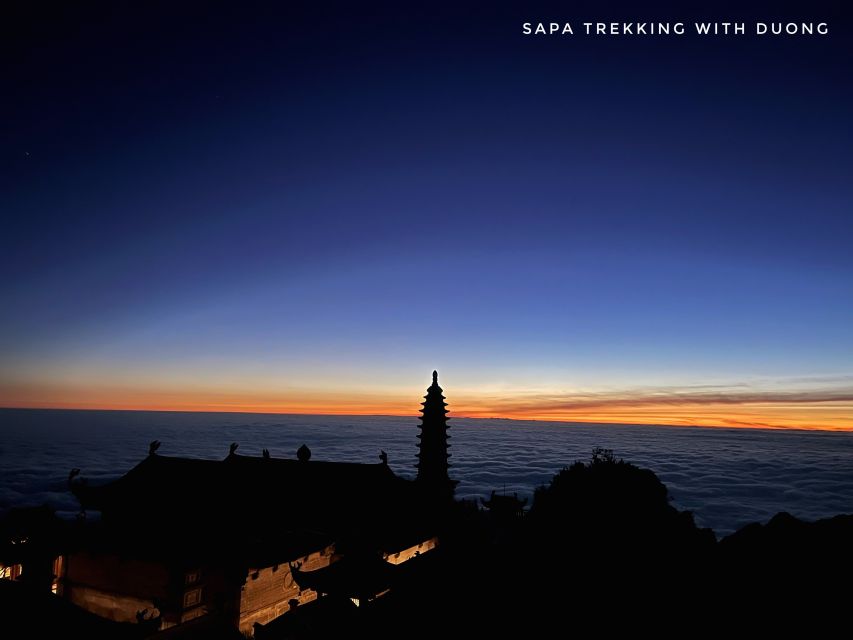
The second day starts at around 4:00 AM. You have breakfast, gather your belongings, and begin the final climb. The summit takes about two hours from the hut, putting you near the top at first light.
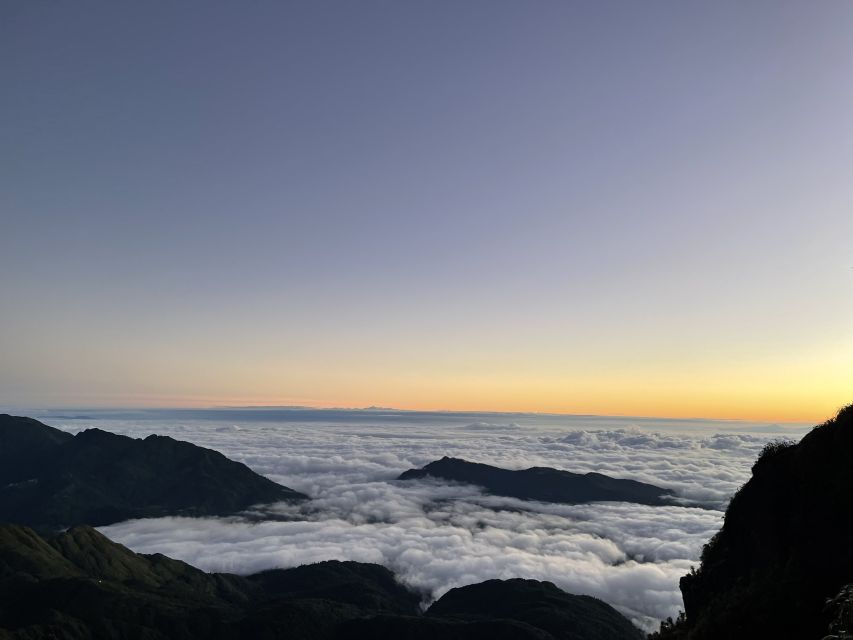
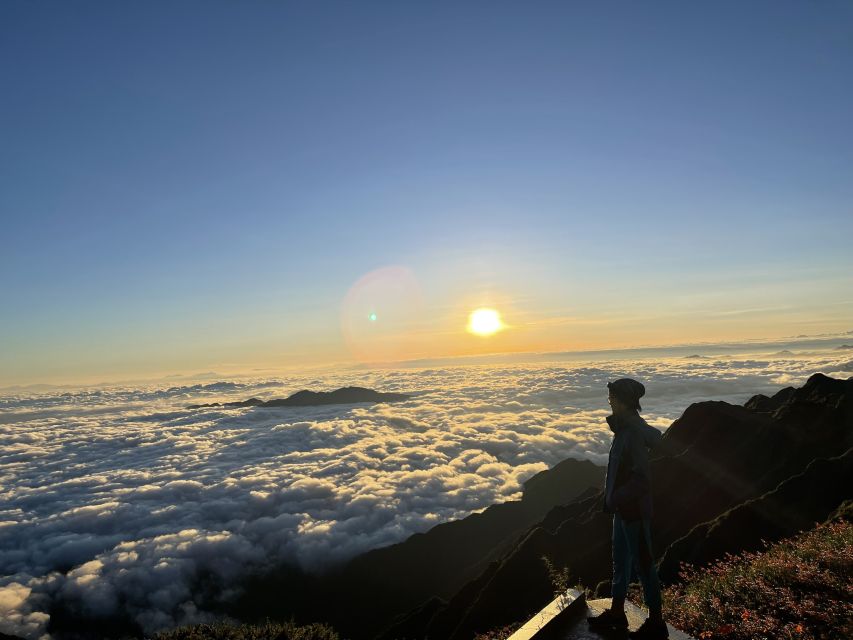
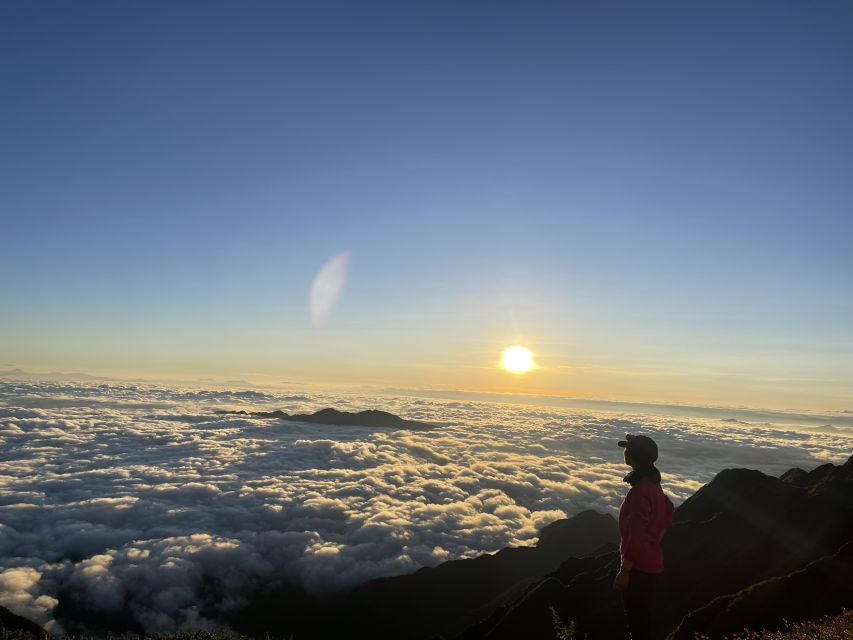
This early start is the best reason to choose two days instead of one. You are not trying to complete the entire route in a single push, and you can reach the peak before the main daytime flow of cable-car visitors. If conditions are clear, you may see sunrise and a sea of clouds filling Muong Hoa Valley.
The weather decides how much you see. Fog, rain, cloud, or strong wind may cover the valley and block the sunrise. The mountain is still worth taking seriously, but you should not book this trip only for a guaranteed panoramic photograph.
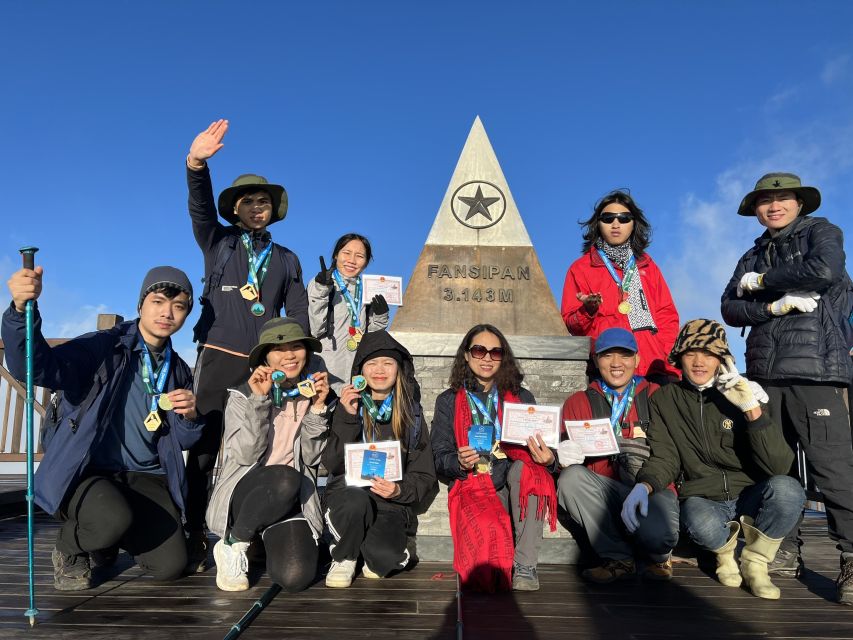
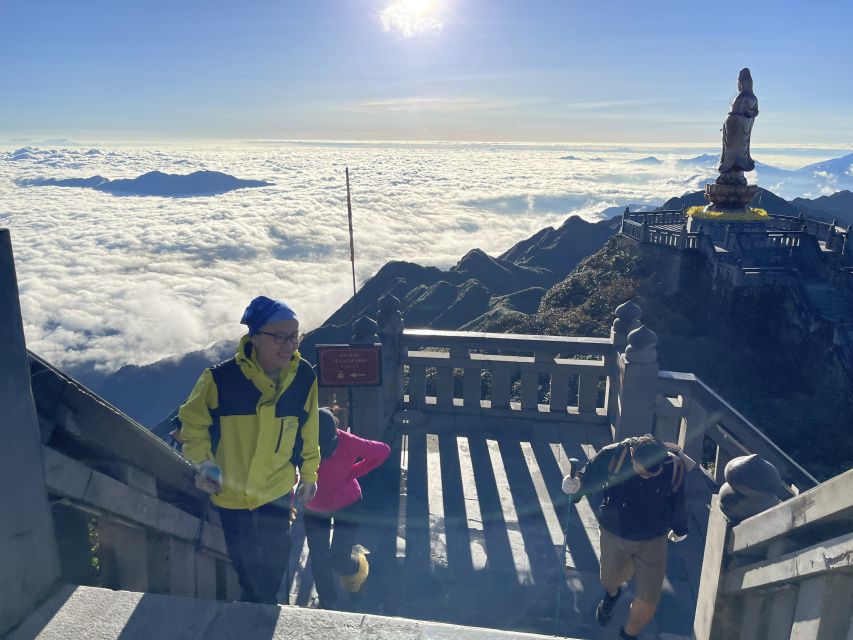
At the top, you reach 3,143 meters above sea level and can celebrate the climb with the group. The package includes a medal and certificate, which are small touches but pleasant reminders of the effort. You can also visit the Buddhist architecture at the summit and learn about the history of Fansipan exploration.
Bring gloves and a warm jacket even if Sapa feels mild. Gloves are included, along with a raincoat, but your own layers matter. One useful rule is to pack one extra warm layer beyond what you think you need, especially during colder months such as February. Windproof clothing is particularly important at the top and around the hut.
Same trailhead, a different sort of day:
- Halong Bay Full Day with Kayaking, Hiking viewpoint, Cave – Deluxe To Luxury
★ 5.0 · 884 reviews - Ninh Binh: Cuc Phuong Jungle Hike & Wildlife Day Trip
★ 4.4 · 327 reviews - Half Day Hiking to Cat Ba National Park with a Guide
★ 4.8 · 312 reviews - Ninh Binh 1 day Hoa Lu Trang An with Dragon Mountain Hiking
★ 5.0 · 245 reviews
Descending to Tram Ton Pass and Sapa
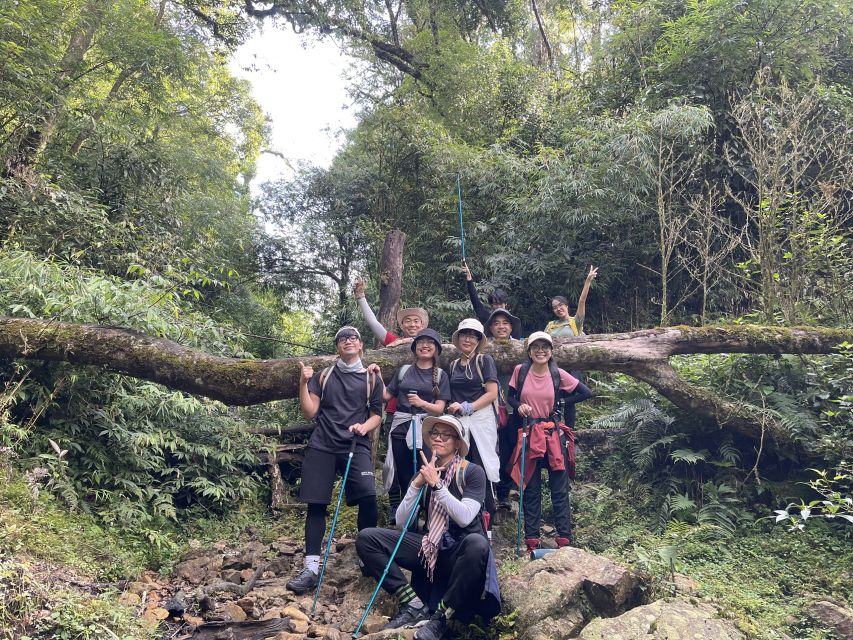
After time at the summit, you descend to 2,800 meters at around 10:30 AM. Lunch is served there before you continue down toward Tram Ton Pass.
The return is easier in one sense because you are going downhill, but tired knees can make descent demanding. The path may also feel less forgiving after a short night. Use trekking poles if you normally rely on them, and keep your pace controlled.
You are expected back at Tram Ton Pass at about 3:00 PM, where the driver transfers you to Sapa. The stated activity duration is 16 hours, but the schedule itself runs from the morning of the first day through the afternoon of the second. Check the exact operating time when booking so your Sapa accommodation and onward transport fit comfortably.
What the $123 Price Covers
At $123 per person, the cost is reasonable if you value a local guide, transport, meals, park entry, porter support, and an overnight mountain stop in one package. You receive one breakfast, two lunches, one dinner, water, tea or coffee, rain protection, gloves, travel insurance, and the hut stay.
The included porter service is especially useful. Carrying food, cooking supplies, and group water up the mountain would make the hike harder. With three people sharing a porter, you still need to pack carefully, but you do not have to haul the entire camp.
The price does not cover tips for the guide, porters, or driver. It also excludes extra drinks, so bring enough personal water and money for anything additional. A cable-car descent is optional but costs extra, and you must arrange your own transport from the cable-car station back to Sapa if you use it.
Free cancellation is available up to 24 hours before departure, and you can reserve now and pay later. Pickup is included within central Sapa, while transport from Hanoi can also be arranged separately by sleeper bus, cabin bus, night train, or limousine.
Who Should Choose This Fansipan Trek
I would choose this trip if you want the satisfaction of reaching Fansipan under your own power and prefer a slower schedule over a one-day push. The overnight stay gives you more breaks, more time for photographs, and a strong chance of being on the summit early.
It is best for physically capable hikers who are comfortable with steep mountain trails, an early start, basic sleeping conditions, and uncertain weather. The private-group format is helpful if your party wants to move at a particular speed.
This is not suitable for children under 16, pregnant women, people with heart problems, or people with mobility impairments. It is also a poor fit if you need a soft bed, indoor comfort, or a guaranteed sunrise.
Pack comfortable shoes, long pants, a jacket, warm layers, a passport or ID card, snacks, and extra water. Avoid oversize luggage, plastic bags, and swimwear. A towel, dry clothes, gloves, and a makeshift pillow will improve the overnight stay.
Should You Book the Two-Day Route?
Book it if the mountain itself matters more to you than comfort. The strongest parts are the pre-dawn summit arrival, the local Hmong and Red Dao guiding connection, the cardamom and forest knowledge, and the chance to see Fansipan before the busiest daytime period.
Think twice if you sleep badly in cold, windy huts or need polished English explanations throughout the day. The hut is very simple, and the guide’s English may be enough for conversation and basic cultural information but not always detailed discussion.
For most fit hikers, the two-day format is the better choice than forcing Fansipan into one long day. Bring more layers, extra water, snacks, dry clothes, and something for your head at night. If the weather gives you a clear morning, the hard climb and rough sleep can pay off with a sunrise above the clouds.
FAQ
How high is Fansipan?
Fansipan reaches 3,143 meters above sea level and is the highest mountain in Indochina.
How long does the hike take?
The tour is listed as lasting 16 hours, with the scheduled route beginning in the morning of day one and ending after the return to Sapa on day two. The exact starting time depends on availability.
Where does the hike begin?
You are picked up in Sapa and transferred by vehicle to Tram Ton Pass, where the trek begins.
What time does the first day start?
The meeting with the guide and driver is scheduled for about 8:30 AM.
Where do I sleep overnight?
You spend one night in a simple wooden shack at approximately 2,800 meters.
Are meals included?
Yes. The package includes one breakfast, two lunches, and one dinner. Coffee and tea at the wooden shack are also included.
Is water provided?
The tour provides 1.5 liters of water per person per day. Bringing at least one extra liter is advisable based on the demands of the hike.
Can I take the cable car down?
Yes, but the cable-car ride is not included. Transportation from the cable-car station back to Sapa is also not included if you choose this option.
Who cannot join the hike?
The experience is not suitable for children under 16, pregnant women, people with heart problems, or people with mobility impairments.
Just added around Vietnam
- Ninh Binh & Cuc Phuong 2 days group tour from Hanoi: Biking, boat trip, Hiking★ 5.0 · 3 reviews
- Ninh Binh-Hoa Lu-Tam Coc – Mua cave – Dragon Mountain Hiking 1 Day Tour★ 4.5 · 8 reviews
- Ninh Binh – Bai Dinh – Trang An – Mua Cave Day Trip: Walking, Hiking, Boat trip★ 5.0 · 3 reviews
- Mai Chau Private Day Tour: Hiking & Biking in Pristine Landscapes★ 5.0 · 21 reviews
- Ninh Binh – Hoa Lu – Tam Coc – Mua cave Day Trip: Hiking, boat trip, Bike, lunch★ 3.5 · 3 reviews
- Ninh Binh: The best of Hoa Lu, Hang Mua Hiking, Tam Coc Boat Tour★ 4.0 · 6 reviews
- HaLong Bay Day Cruise with Kayaking, Swimming, Hiking and Lunch★ 5.0 · 14 reviews
- Ha Giang Jeep Tours: 3 Day 4WD + Hiking + Cruising Adventures★ 5.0 · 9 reviews
Vietnam Hiking Tours, compared.
Halong Bay Full Day with Kayaking, Hiking viewpoint, Cave – Deluxe To Luxury
Read our review →
Ninh Binh: Cuc Phuong Jungle Hike & Wildlife Day Trip
Read our review →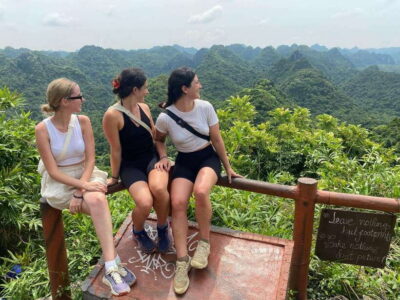
Half Day Hiking to Cat Ba National Park with a Guide
Read our review →Ninh Binh 1 day Hoa Lu Trang An with Dragon Mountain Hiking
Read our review →
Full day hikes, Cycles, Kayaks & swims in Cat Ba National park
Read our review →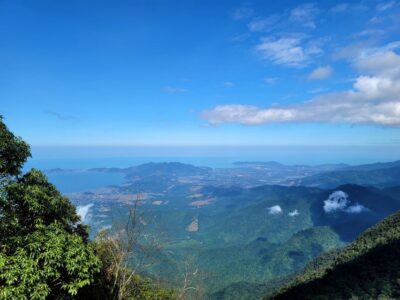
From Hue: Bach Ma National Park Hiking Day Trip with Pickup
Read our review →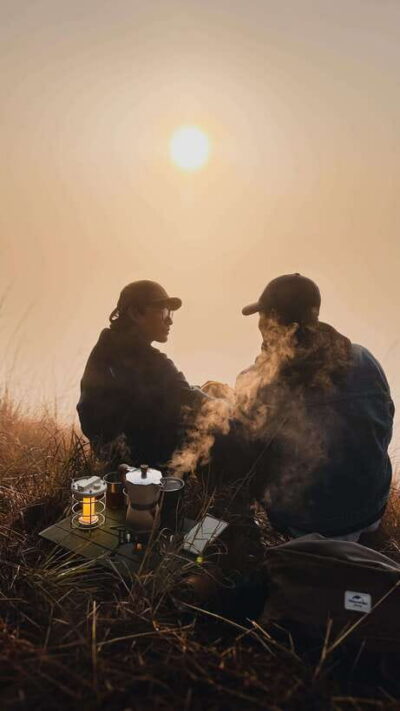
Dalat: Cloud Chasing packaged hike – Sunrise Pickup Included
Read our review →
Ninh Binh: Hoa Lu, Trang An and Mua Caves Hiking Day Trip
Read our review →Browse the lists this tour appears in