
REVIEW · USA
Sequoia National Park: Sherman Tree & Congress Trail Walk
General Sherman Tree is the headline, but the best part of this tour is what happens after you reach it. Wildlife biologist Scott leads you farther into Giant Forest, explaining how sequoias, birds, squirrels, chipmunks, and black bears live here. His former bear-management work gives the walk a useful safety focus, not just a string of tree facts.
I like the small-group format, with fewer than 14 people plus the guide, and the careful pace over three miles. I also like that Scott adjusts the walk for the people in front of him, including older walkers and children. The main consideration is altitude: you will be above 6,000 feet and climb two hills, each gaining about 300 feet.
Key points at a glance
- General Sherman Tree is only the beginning: The walk continues into Giant Forest instead of ending at the famous tree.
- A former bear-management ranger leads the way: Scott has worked in Sequoia and Kings Canyon National Parks since 2014 and has led more than 1,000 tours for park and nonprofit groups.
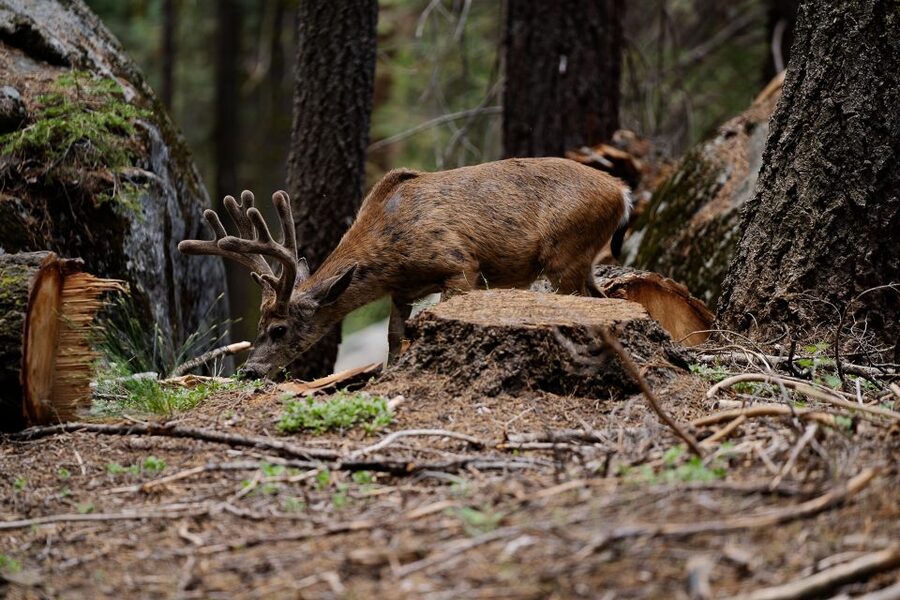
- Wildlife viewing stays safe and realistic: Birds, squirrels, chipmunks, and sequoias are expected. Black bears and mule deer are possible, but never promised.
- Three miles takes three hours: This is a learning walk with photo stops, not a race to cover ground.
- The $100 price buys personal attention: You get a private guide, wildlife expertise, field guides, safety equipment, and help with park planning, but park admission and transport cost extra.
- It works for mixed-age groups: The guide can set a gentler pace, and accessibility accommodations are available.
Why General Sherman Tree is only the first chapter

Many people come to Giant Forest with one job: see General Sherman Tree, take a photo, and move on. This tour gives you a better reason to stay. The General Sherman stop is part of a longer walk that uses the famous tree as an introduction to the whole sequoia forest.
The tree itself is an impressive starting point. You will have time for photographs, a guided explanation, wildlife viewing, and a safety briefing. The value is not just seeing a huge trunk. Scott can put the tree into the larger story of sequoia life, from young trees and plant communities to the role of fire and the challenges faced by the forest.
After the first stop, you walk farther into Giant Forest. That change matters. The area becomes less about one landmark and more about noticing the forest around you. You might stop for a bird, identify a plant, discuss animal behavior, or ask about how black bears use the park.
I like this approach because it helps you see the forest as a living system rather than a photo backdrop. The famous tree gets your attention, but the slower walk gives you time to understand why Giant Forest matters.
More National Park Hikes in the USA
- San Francisco: Yosemite National Park & Giant Sequoias Hike
★ 4.5 · 1,777 reviews - Everglades National Park Biologist Led Adventure: Cruise, Hike + Airboat
★ 5.0 · 685 reviews - The Narrows: Zion National Park Private Guided Hike
★ 5.0 · 209 reviews
A guide with bear-management experience
Scott has a degree in wildlife biology and has worked in Sequoia and Kings Canyon National Parks since 2014. He also spent part of his career moving black bears out of campgrounds, a job that gives his wildlife advice practical weight.
That experience is useful when you are near wild animals. The aim is not to get close to a bear or force an encounter. It is to watch safely, understand animal behavior, and know why giving wildlife space protects both you and the animal.
Scott has also provided more than 1,000 tours for National Park Service and nonprofit groups. The tour includes access to local field guides and identification books, so the walk can respond to what you actually see. If a bird calls from the trees or you notice tracks and plants along the trail, you can ask about them rather than waiting for a fixed script.
His style also appears well suited to families. He uses humor, including plenty of puns, and makes a point of speaking directly with children. That can make a three-hour walk easier for a family group, especially when young walkers need more than a lecture about tree measurements.
The tour is in English, and the guide is trained in first aid and CPR. He carries a basic first aid kit and an emergency medical contact device. These details will not change the scenery, but they add comfort on a high-elevation walk.
What the three-hour route feels like
You meet at Sherman Tree Parking Access, near the Upper Sherman Parking Lot. Look for the paved walkway around the boulders, the covered walkway, restrooms, and shuttle stop. Scott meets you between the restrooms and the covered walkway, although the exact meeting spot can change seasonally.
The first ten minutes are used for a safety briefing in Giant Forest. This is a good moment to ask questions about the altitude, the hills, wildlife behavior, and the pace. Since the walk takes place rain or shine, listen closely to any advice about weather and footing.
The opening walk lasts about 15 minutes. You head along a paved trail toward General Sherman Tree, which makes this first stretch manageable for many ages and skill levels. It is also a practical way to settle into the altitude before the route becomes more varied.
At General Sherman Tree, plan on about 15 minutes for the main stop. You can take photos, hear the guide’s explanation, and ask questions. The visit includes another safety briefing and a chance to look for wildlife.
Do not expect a quick photo stop with no context. The point here is to connect the individual tree with the forest around it. If you are new to sequoias, this is where you begin learning how their life cycle, size, and habitat fit together.
The next walking section lasts around 30 minutes. You move farther into Giant Forest, where the guide focuses on plants, wildlife, and the forest’s natural and cultural history. This is the section where the tour earns its three-hour length. You are walking, but you are also stopping to notice details you could easily miss on your own.
A second Giant Forest stop lasts about 15 minutes and includes photographs, sightseeing, wildlife viewing, and more explanation. A later walking segment takes about 15 minutes before another 15-minute stop. The exact subjects will depend on what you encounter, the questions in your group, and the pace that works best.
The final return walk takes about 30 minutes and brings you back to Sherman Tree Parking Access. You finish where you began, near the restrooms and shuttle stop. That makes the tour easy to fit into a park day, since you do not need a separate pickup at the end.
Wildlife viewing without false promises
The tour guarantees sequoias, birds, squirrels, chipmunks, views, and more. Black bears and mule deer are chance sightings. That distinction is important. You should book this for the forest walk and the guide’s interpretation, not because you expect a bear encounter.
The guide’s background helps you watch wildlife responsibly. You will learn about biology and behavior while keeping a safe distance. A bear sighting would be memorable, but the tour does not claim that joining more than once improves your odds.
There is also an unusual seasonal detail: occasional berry eating is included when berries are in season and with parent permission. This is not a meal or a food stop. It is a small way to connect with what grows in the forest, and parents should treat the permission requirement seriously.
For most of the walk, the pleasure will come from ordinary sightings. A squirrel or chipmunk may seem common, but a guide can help you notice behavior, habitat, and the relationship between animals and the sequoia forest. That is a more reliable reward than waiting for a rare animal to appear.
Same trailhead, a different sort of day:
- Lower Antelope Canyon Hiking Tour
★ 5.0 · 6,216 reviews - Boston Freedom Trail Walking Tour with Costumed Guide
★ 4.5 · 2,531 reviews - Small Group: Valley of Fire Half Day Tour from Las Vegas
★ 5.0 · 2,130 reviews - Multnomah Falls and Columbia River Gorge Half-Day Hiking Tour
★ 5.0 · 2,108 reviews
How difficult is the walk?
The route covers three miles in three hours and takes place above 6,000 feet, or about 1,828 meters. There are two hills, each with an elevation gain of roughly 300 feet.
That makes this more than a flat stroll, even though much of the route uses a paved trail. You should bring hiking shoes, comfortable clothing, water, sun protection, and a daypack. Sunglasses, a sun hat, sunscreen, insect repellent, and rain gear are also recommended.
The altitude is the main factor to respect. If you are not used to high elevations, give yourself time to walk steadily and drink water. The slow pace helps. One participant who was older appreciated that Scott adjusted the speed, and the route was described as manageable for a mixed-age family that included a 12-year-old.
Still, all ages does not mean every person will find it effortless. You need to handle three miles and two moderate climbs. Ask about accessibility accommodations before booking if you have specific mobility needs. Wheelchair accessibility is offered, but the provided information does not describe every surface or the exact limits of those accommodations.
Pets are not allowed, although assistance dogs are permitted. No unaccompanied minors can join, so children must be with an adult.
What the $100 price includes
The cost is $100 per person. That is not a low-cost park walk, but you are paying for more than a person pointing out the largest tree.
The fee includes a wildlife biologist guide, a private guide for your group and fewer than 14 other people, wildlife safety instruction, local field guides, first aid supplies, and an emergency medical contact device. You also get trip-planning help, which can be useful if you have limited time in Sequoia or are unfamiliar with the area.
I see the best value for first-time visitors, families, and anyone with only one day to understand Giant Forest. A self-guided visit can certainly show you General Sherman Tree. The paid guide adds interpretation, questions, wildlife awareness, and a set pace. It can also reduce the chance that you spend your limited park time taking wrong turns or missing the meaning behind what you see.
The value is less clear if you already know the area well, prefer complete solitude, or want a fast independent hike. You will still pay the park entrance fee, arrange your own vehicle transportation, and bring your own food and drink. The tour does not include any of those costs.
Three percent of the tour revenue goes back to the parks. That will not decide the purchase on its own, but it gives the fee a small conservation connection.
Practical planning before you arrive
The tour begins and ends at Sherman Tree Parking Access. Vehicle transportation is not included, so you need to reach the meeting point yourself. The nearby restrooms and shuttle stop are useful landmarks, but check your booking messages because the meeting location can change seasonally.
Bring water even though the walk is guided. Pack rain gear because the tour runs in wet weather unless hazardous conditions, a park closure, or another safety issue forces a change. The provider can reschedule or cancel with a refund in those cases.
You can cancel up to 24 hours in advance for a full refund, and you can reserve now and pay later. Starting times vary, so check availability before you build the rest of your park day around the walk.
The tour is limited to fewer than 14 people plus the guide. That is large enough for a social outing but small enough for questions and pace adjustments. If your group includes children or an older walker, tell the guide what you need early rather than waiting until the hills become tiring.
Who will get the most from this experience?
I would choose this walk if you are visiting Giant Forest for the first time and want more than a famous-tree photograph. It suits families, mixed-age groups, casual hikers, and people who enjoy asking questions as they walk.
It is also a strong choice if wildlife interests you but you do not know how to watch animals safely. Scott’s bear-management background gives the wildlife portion a practical edge, while his biology training supports the plant and sequoia explanations.
The tour may not suit you if you want a strenuous hike, a private outing with no other people, or a guaranteed bear sighting. It is also not the best choice if you dislike scheduled stops or prefer to explore without a guide.
Should you book the Sherman Tree and Congress Trail Walk?
Book it if you want to turn a three-mile forest walk into a focused lesson in sequoias, wildlife, and park history. The strongest reasons are Scott’s experience, the small group, the careful pace, and the chance to ask questions along the way.
At $100 per person, this is a specialist tour rather than a basic sightseeing add-on. I think it earns the price for first-time visitors, families, and anyone with limited park time. Bring water, respect the altitude, and treat wildlife sightings as a bonus. The sequoias and the guide’s interpretation are the dependable parts of the experience.
FAQ
How long is the Sherman Tree and Congress Trail Walk?
The tour lasts three hours and covers about three miles, or 4.8 kilometers.
Where does the tour meet?
You meet at Sherman Tree Parking Access near the Upper Sherman Parking Lot, between the restrooms and the covered walkway. There is also a paved walkway around boulders and a nearby shuttle stop.
Does the tour include General Sherman Tree?
Yes. The route begins with a walk to General Sherman Tree, where you have time for photographs, sightseeing, a guided explanation, and wildlife viewing.
Will I see a black bear?
A black bear sighting is possible but not guaranteed. Birds, squirrels, chipmunks, sequoias, and views are guaranteed parts of the experience.
How high is the tour?
The walk takes place above 6,000 feet, or about 1,828 meters, above sea level.
Are there hills on the route?
Yes. The walk includes two hills with elevation gains of about 300 feet, or 91 meters, each.
Is the tour suitable for children?
Children can join with an accompanying adult. Unaccompanied minors are not allowed, and the tour has no more than 14 people plus the guide.
Are park admission, food, and transportation included?
No. You must arrange your own vehicle transportation, park entrance fees, food, and drinks.
What happens if the weather is unsafe?
The tour operates rain or shine, but Big Trees Tours may reschedule or cancel with a refund because of hazardous weather, park closures, government shutdowns, or other safety concerns.
More Walking Tours in the USA
- Freedom Trail Walking Tour 250
★ 4.5 · 1,118 reviews - Entire Freedom Trail Walking Tour: Includes Bunker Hill and USS Constitution
★ 5.0 · 732 reviews - From Miami: Everglades Airboat Ride and Nature Walk
★ 4.8 · 459 reviews - Self guided Hike Trail to Nature Walk & Waterfall
★ 4.5 · 283 reviews
Just added around the USA
- Ketchikan Rainforest Canoe and Nature Walk★ 4.5 · 89 reviews
- Alaskan Escape: Cruise, Hike, and Cultural Immersion★ 5.0 · 3 reviews
- Private Waterfalls Hike and Swim in Lihue★ 5.0 · 38 reviews
- Hike and Bike Kelleys Island Trails★ 5.0 · 13 reviews
- Kansas City Crossroads Art District and Westside Urban Hike★ 5.0 · 22 reviews
- Strawberry Hill and Downtown KCK Hike★ 5.0 · 18 reviews
- Juneau Shore Excursion: Mendenhall Glacier Canoe, Paddle and Hike★ 5.0 · 75 reviews
- Norris Adventure: Seaplane, Paddle and Glacier Hike★ 5.0 · 12 reviews
USA Hiking Tours, compared.
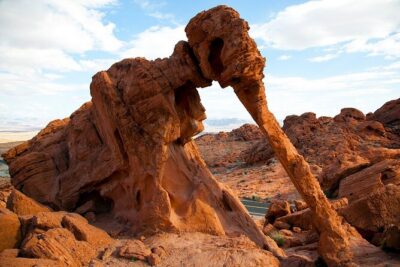
Small Group: Valley of Fire Half Day Tour from Las Vegas
Read our review →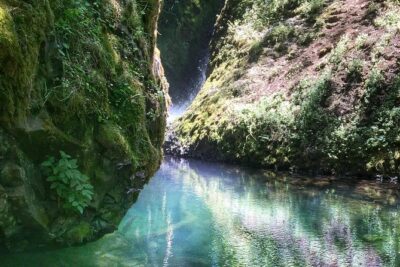
Multnomah Falls and Columbia River Gorge Half-Day Hiking Tour
Read our review →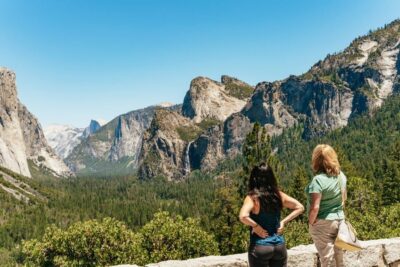
San Francisco: Yosemite National Park & Giant Sequoias Hike
Read our review →

Small Group Waterfall and Rainforest Hiking Adventure on Maui
Read our review →
Kauai Adventure: Kayak & Hike to Secret Falls with Expert Guide
Read our review →Browse the lists this tour appears in