
REVIEW · JAPAN
Okinawa: Nanjo Ozato Area Spiritual and Utaki Hike
Okinawa’s Utaki are sacred places where nature, ancestors, and spiritual belief meet. This three-hour walk through the Nanjo Ozato area gives you a close look at that world, from Ozato Castle and Chichinga spring to tombs, wells, caves, and several holy sites. Guide Izabela Ishikawa explains the customs and myths in English, Japanese, or Polish.
I like the small group, limited to eight people, and the focus on places you would not understand fully from a quick drive past. I also like the chance to learn about Okinawan burial customs rather than seeing only the island’s beaches. The main caution is simple: this is a real 2.5-hour moderate hike, not a gentle sightseeing stroll, and it is not suited to young children, wheelchair users, or people with mobility limits.
Key points to know before you go
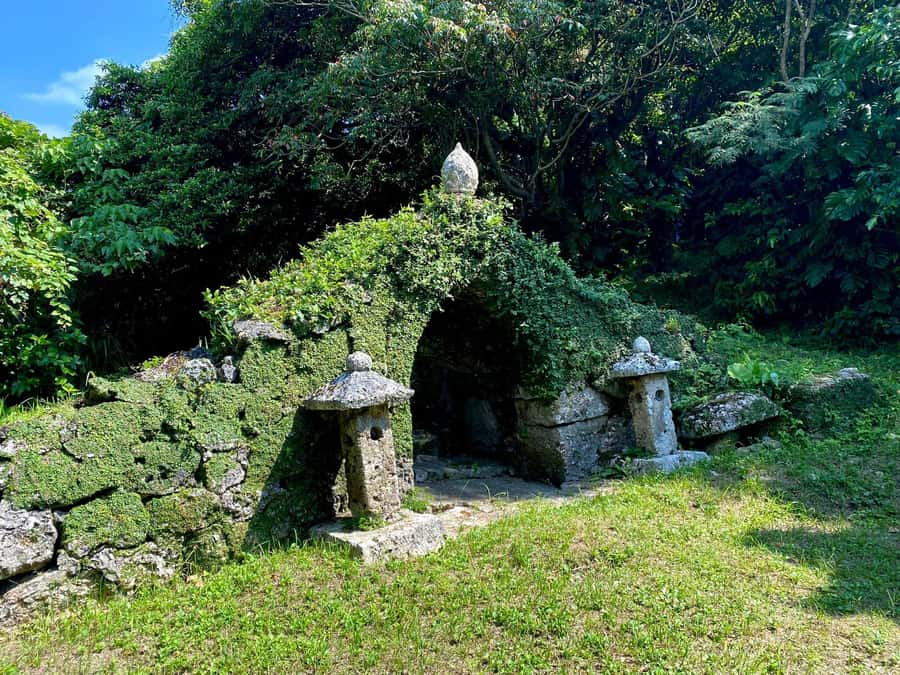
- Several Utaki sites in one walk: Visit Kamimae Utaki, Ibinu Utaki, Macchu Utaki, Iimui Utaki, Girimui Utaki, Fusumi Utaki, and a castle site.
- A local view of Okinawan belief: Learn how sacred places, ancestors, burial customs, wells, caves, and nature fit together.
- Small group, personal guide: The group is capped at eight, with live guiding in English, Japanese, or Polish.
- Easy access from Naha: The Nanjo area is about 30 minutes from Naha Airport, making this a useful first or last-day outing.
- Plan for heat and insects: Wear long pants and hiking shoes, and bring water, a hat, and insect repellent.
- Good value for a focused cultural walk: At $45 per person, the price covers the guide and cultural explanation, but not lunch.
Why Nanjo Ozato offers a different side of Okinawa
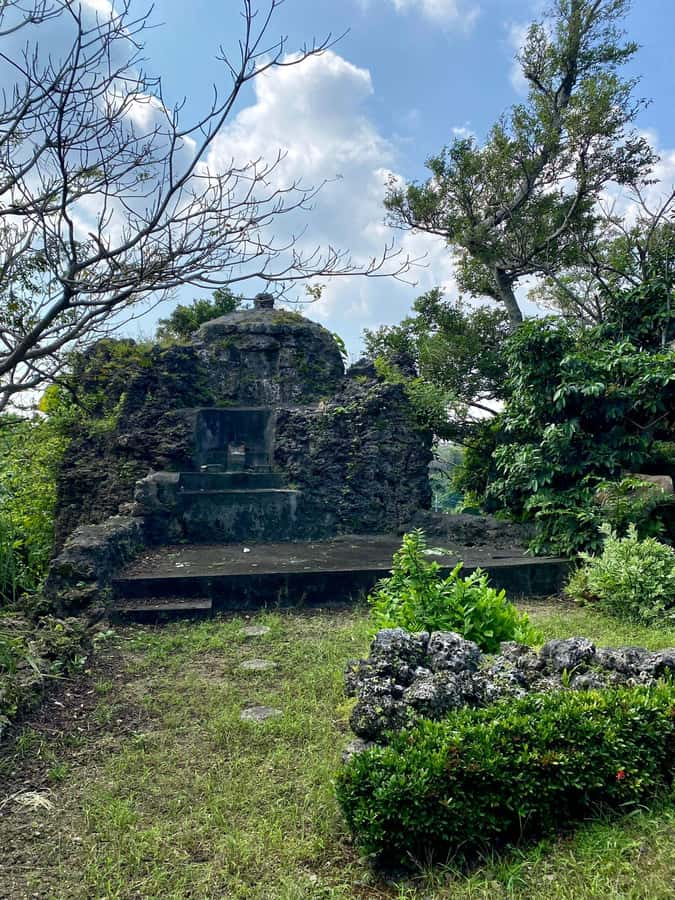
Many people come to Okinawa for the coast, but southern Okinawa also gives you a strong sense of the island’s older customs. The Nanjo Ozato area is close to Naha, yet the experience feels far removed from airport roads and resort beaches. You spend the morning or afternoon on foot, following a route through sacred sites and historic places rather than moving from one large attraction to another.
That setting matters because an Utaki is not simply a monument to photograph. It is a sacred site tied to Okinawan religion and local practice. Some sites may be connected to a spring, a cave, a stand of trees, a rock formation, or another natural feature. The meaning comes from the place and the customs around it.
Your guide helps explain what you are seeing and, just as important, what you should not treat as an ordinary tourist stop. This is a good fit if you want context. Without an explanation, a small shrine site, tomb, or well can be easy to miss or misunderstand.
The walk also gives you a look at Okinawa as a culture distinct from mainland Japan. The island’s beliefs include ideas about ancestors, spirits, and the natural world that do not always fit neatly into the religious categories you may know from elsewhere in Japan. The tour presents that local view in a direct, accessible way.
A few more hikes around Japan worth a look
- Fushimi Inari Hidden Hiking Tour (Private Option Available)
★ 5.0 · 1,750 reviews - Kyoto: 3-Hour Fushimi Inari Shrine Hidden Hiking Tour
★ 4.9 · 270 reviews - Hiroshima Local guided Hiking Tour&Open-air Tea Ceremony
★ 5.0 · 213 reviews
Starting near Ozato Castle
The route includes Ozato Castle, which gives the walk an early historical anchor. The information provided for the tour does not set out a full account of the castle ruins, so you should not book this as a castle-focused visit. Its value here is as part of a wider story about the Nanjo Ozato area and the places where power, community, belief, and daily life once met.
A guide-led visit is useful at a site like this because the physical remains may not tell the whole story on their own. Izabela Ishikawa connects the place to the surrounding sacred sites, helping you see the walk as one connected route rather than a string of unrelated stops.
Do not expect a large museum, polished visitor center, or long indoor break. This is an outdoor cultural walk. You will spend most of the time moving between sites, listening, asking questions, and taking in the views.
Chichinga spring and the role of water
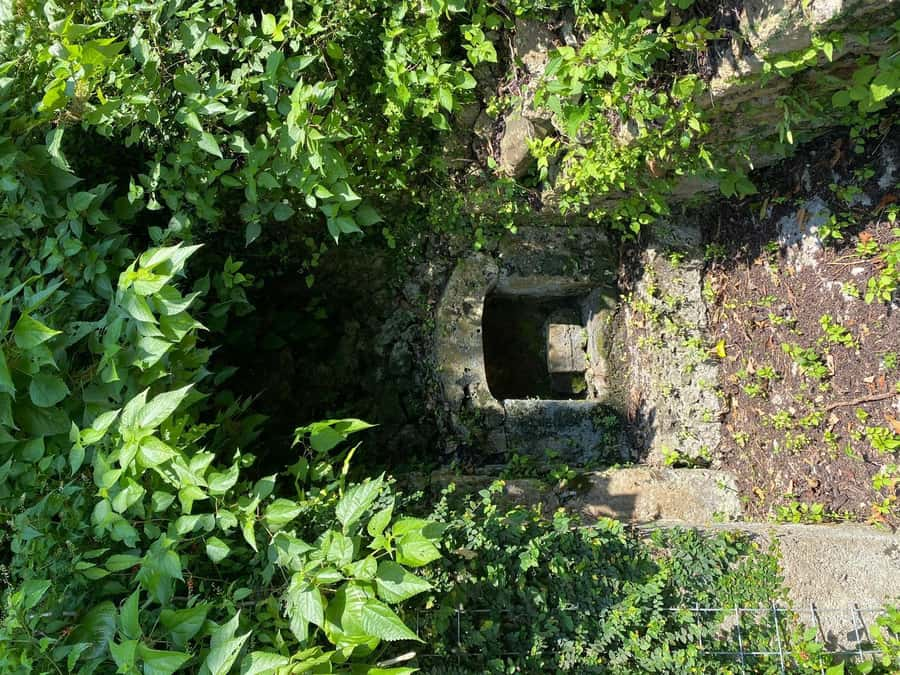
Chichinga Water spring is another key stop. Springs matter in any settlement, but on Okinawa, a water source can also carry cultural and spiritual meaning. Here, the spring helps show how the natural setting fits into local custom.
The stop is also a practical reminder of the walking conditions. You will be outdoors, and the route includes natural places rather than only paved paths. Good shoes will make the visit more comfortable, particularly if the ground is uneven or damp.
The spring is one of the details that makes this outing feel more specific than a general history tour. You are not simply hearing about Okinawan beliefs in the abstract. You are visiting places connected to water, burial, prayer, and local memory.
Visiting the Utaki sites one by one
The central part of the walk visits a group of Utaki sites. Their names include Kamimae Utaki, Ibinu Utaki, Macchu Utaki, Iimui Utaki, Girimui Utaki, and Fusumi Utaki. The route also includes a castle site, along with tombs, wells, and caves described as part of the experience.
You should not expect every Utaki to look like a formal temple. That is part of the point. These sites are often understood through their setting and religious use, not through grand buildings or elaborate displays. The guide’s explanation gives each place a reason for being on the route.
Kamimae Utaki and Ibinu Utaki are among the first named sacred sites on the walk. At each stop, Izabela explains the role of the place and the beliefs linked to it. The value is cumulative. One site might introduce the idea of an Utaki, while later stops help you see how the same idea takes different forms.
Macchu Utaki and Iimui Utaki continue the cultural thread. You may find the sites visually simple, so listen closely rather than expecting a major structure at every stop. The experience is about learning how local people identify and respect holy places.
Girimui Utaki and the nearby castle area add another layer, connecting spiritual places with the history of the wider community. Fusumi Utaki rounds out the group of named sacred sites. The exact order can depend on the guide and conditions, but you should expect a route that combines several points of cultural interest within one moderate walk.
This is where a small group helps. With no more than eight people, you have a better chance to hear the explanation and ask about customs that may be unfamiliar. A large group would make a quiet sacred site feel less personal and make questions harder to manage.
Same trailhead, a different sort of day:
- Hiroshima: Morning Hiking Tour with Open-air Tea Ceremony
★ 4.8 · 58 reviews - Full Day Hiking Tour at Mt.Takao including Hot Spring
★ 5.0 · 52 reviews - Kyoto: Hike and Hot Springs in Kurama
★ 5.0 · 49 reviews - Hike Hakone Hachiri
★ 5.0 · 48 reviews
Understanding Okinawan burial customs
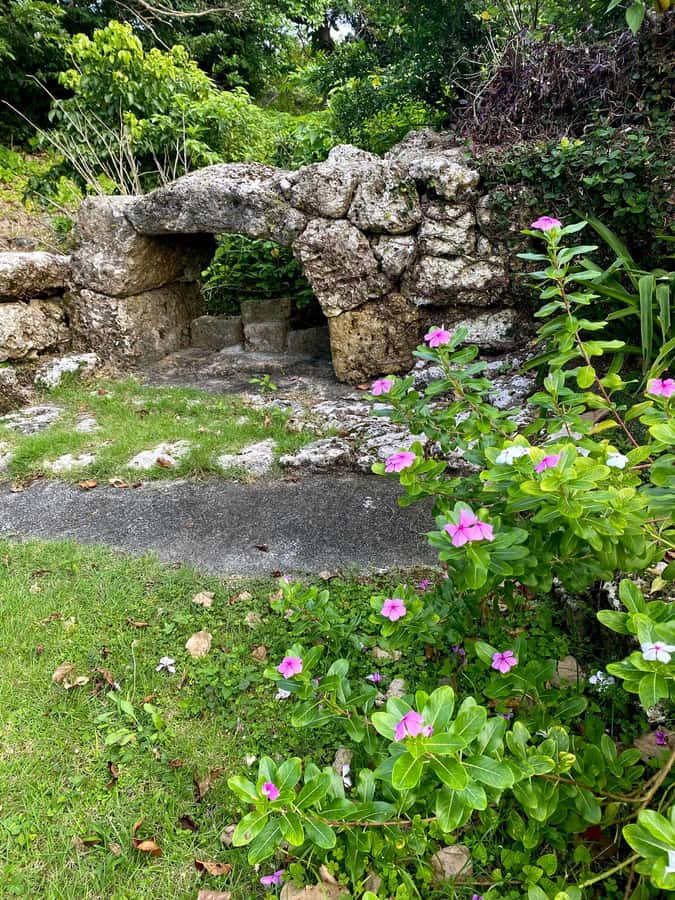
The tour includes an explanation of burial customs, and this may be one of its most meaningful parts. Okinawan tombs, caves, and burial places reflect local ideas about family, ancestors, and the connection between the living and the dead.
The experience does not treat these places as spooky curiosities. You are given cultural context and a chance to understand why they matter. That distinction is important. Sacred and burial places call for a respectful attitude, modest behavior, and careful photography.
The tour’s spiritual focus also helps explain a belief described by one participant: in Okinawan thought, people can die and become gods. You will hear about local myths and beliefs that link people, ancestors, and nature. This is a useful way to approach the island because it shows that Okinawan identity is not just food, music, and scenery. It also includes a particular way of seeing family and the natural world.
If you prefer tours built around grand architecture, famous artifacts, or long historical timelines, this may feel too subtle. If you like learning how a community understands its sacred places, it offers something far more personal than a standard sightseeing loop.
What the 2.5-hour hike feels like
The activity lasts three hours, with roughly 2.5 hours spent hiking. The hike is rated moderate. That means you should be ready to walk continuously across an outdoor route, with conditions that may not feel as easy as a city sidewalk.
The tour is not suitable for children under six, wheelchair users, or people with mobility impairments. Even if you normally enjoy walking, think about Okinawa’s warmth, humidity, insects, and the need to remain outdoors for much of the activity.
Wear long pants. They offer protection from insects and brush. Hiking shoes are a better choice than sandals or smooth-soled casual shoes. Bring water, a hat, and insect repellent. Smoking is not allowed.
The walk offers beautiful views, but the scenery is not the only reward. You are moving through an area where natural features and cultural sites sit close together. That combination makes the route more interesting than a simple exercise hike.
Because lunch is not included, plan food separately. The activity is only three hours, so a meal before or after should be easy to arrange around your schedule, but you should not count on eating during the walk.
Izabela Ishikawa’s role in the experience
The guide is central to the quality of this outing. Izabela Ishikawa leads the walk and explains Okinawa’s history, customs, religion, myths, and burial practices. Her role is not just to point out the next stop. She provides the bridge between a quiet spring, a cave, or a simple sacred site and the ideas that give it meaning.
Her warm, friendly manner is especially useful for a subject that can feel difficult to approach. You can ask questions as you go, rather than trying to decode the sites later from a guidebook.
The tour has earned a perfect 5.0 rating from five recorded bookings, with praise focused on Izabela’s passion, friendliness, and ability to offer a new perspective on Okinawa. One particularly memorable detail is the chance to meet local people and enjoy shaved ice at a small café that had already closed for the day. That kind of unplanned human contact cannot be guaranteed, but it shows the personal tone this experience can have.
The guide’s languages are English, Japanese, and Polish. Select the language that lets you ask questions comfortably. The more freely you can talk, the more you will gain from the spiritual and cultural parts of the walk.
Is $45 a fair price?
At $45 per person, this is a reasonable price for a three-hour, small-group cultural activity near Naha. You are paying for a live guide, interpretation of several sacred sites, and access to a focused route that would be hard to understand fully on your own.
The value is strongest if you are curious about Okinawan religion and local customs. A self-guided walk might cost less, but it would not provide the same explanation of Utaki, burial places, myths, or the relationship between ancestors and nature.
The price is less compelling if you only want a scenic hike. You can expect beautiful views, but the main product is cultural interpretation. The tour also does not include lunch or transportation details beyond the meeting area being in Nanjo, about 30 minutes from Naha Airport. You should plan how you will reach the starting point before booking.
A small group of eight is another reason the cost feels fair. The guide can keep the walk personal, and you are less likely to lose the thread of the explanation at each stop.
Who should book this Nanjo hike?
I would choose this tour if you have already seen some of Okinawa’s main sights and want a closer look at the island’s own traditions. It is also a smart choice early in your visit, since it gives you cultural background that can help you understand other places in southern Okinawa.
It suits adults and older children who can handle a moderate walk and take interest in religion, folklore, local history, and burial customs. It also suits solo visitors and couples who prefer a small group and plenty of conversation.
I would skip it if your ideal Okinawa outing means sitting by the water, avoiding insects, or staying on level pavement. The route is not designed for wheelchairs or people with mobility limitations, and children under six cannot join.
Book it if you want the island explained through its sacred places, not just displayed as scenery. At $45, it offers a thoughtful, personal look at Nanjo Ozato, especially with Izabela Ishikawa guiding the route. Bring the right shoes, accept that the sites may be quiet and understated, and you will be much more likely to appreciate what this walk is trying to show you.
FAQ
How long does the Nanjo Ozato spiritual hike last?
The activity lasts three hours, with about 2.5 hours of moderate hiking.
How much does the tour cost?
The price is $45 per person.
Which sacred sites are included?
The route includes Kamimae Utaki, Ibinu Utaki, Macchu Utaki, Iimui Utaki, Girimui Utaki, and Fusumi Utaki. It also includes Ozato Castle, Chichinga spring, and a castle site.
What languages does the guide speak?
Live guiding is available in English, Japanese, and Polish. The experience provider is Izabela Ishikawa.
What should I bring?
Bring a hat, hiking shoes, water, insect repellent, and long pants.
Is the hike suitable for everyone?
No. It is not suitable for children under six, wheelchair users, or people with mobility impairments. Smoking is not allowed.
Just added around Japan
- Hiking Tour in Enoshima with a Local Guide★ 5.0 · 4 reviews
- Kanazawa Day Tour: Shomyo Falls & Tateyama Mountain Walks★ 5.0 · 4 reviews
- Pasture Hike with Horse Whisperer at Horse Trust in Kagoshima★ 5.0 · 2 reviews
- 3.5hours Primeval Forest Snowshoe hike and Wildlife Watching Tour★ 5.0 · 14 reviews
- 4.5 hours Snowshoe hike in Shiretoko five lakes★ 4.5 · 2 reviews
- 3 hours Snowshoe hike to “Furepe fall” and Wildlife Watching★ 5.0 · 9 reviews
- Furepe Waterfall Nature Walk★ 5.0 · 6 reviews
- Traverse Outer Rim of Hakone Caldera and Enjoy Onsen Hiking Tour★ 5.0 · 30 reviews
Japan Hiking Tours, compared.
Fushimi Inari Hidden Hiking Tour (Private Option Available)
Read our review →
Kyoto: 3-Hour Fushimi Inari Shrine Hidden Hiking Tour
Read our review →
Hiroshima Local guided Hiking Tour&Open-air Tea Ceremony
Read our review →
Hiroshima: Morning Hiking Tour with Open-air Tea Ceremony
Read our review →
Full Day Hiking Tour at Mt.Takao including Hot Spring
Read our review →

Hike Japan Heritage Hakone Hachiri with certified mountain guide
Read our review →Browse the lists this tour appears in