
REVIEW · JAPAN
Hakone Hachiri: Old Tokaido Highway Hiking Tour
Hakone Hachiri is one of those day trips that turns Japanese history into something you can feel in your legs. You follow sections of the Old Tokaido Highway, the route once used between Kyoto and Edo, with forest paths, stone paving, old cedar trees, Lake Ashi, and a steep mountain crossing that you partly skip by bus.
I like the 400-year-old Amasake Tea House, where a warm cup of amasake and local snacks give the walk a fine historical pause. I also like the small-group format, limited to six people, and the way guides such as Aki adjust the pace, explain native trees, and help on slippery or uneven sections.
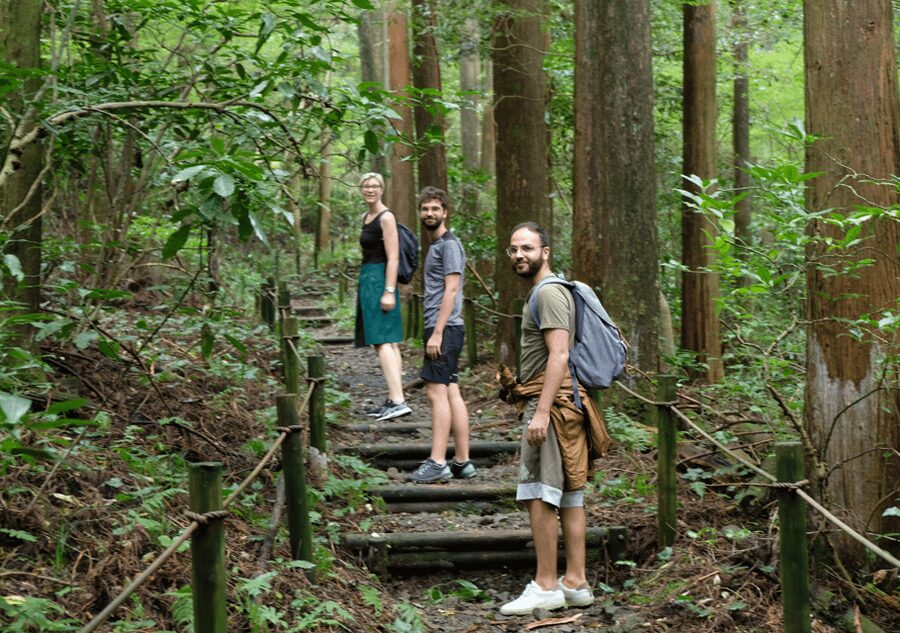
The main consideration is stamina. This is billed as a beginner-friendly hike, but you will walk for about five to six hours over roughly 8km. Some parts are steep, rocky, rooted, or cobbled, and the tour is not suitable for people with mobility impairments.
Key points to know before you book
- Walk an old mountain highway: Follow surviving sections of the Edo-period route between Kyoto and Tokyo rather than seeing Hakone only from a bus window.
- Stop at a 400-year-old teahouse: Amasake and Japanese snacks make this one of the most memorable breaks of the day.
- See Hakone from several angles: Lake Ashi, the shrine torii, the cedar avenue, and possible Mt Fuji views give the tour plenty of visual variety.
- Learn from a certified mountain guide: Aki and other guides explain history, geography, plants, and wildlife while keeping an eye on tricky footing.
- Use buses to avoid the hardest sections: You still experience the Hachiri route without walking the full 32km mountain crossing.
- Finish in Mishima: The day can end near Mishima Shrine and Genbe River, with Mishima Station as the final point.
Why Hakone Hachiri is more than a forest walk
The name Hakone Hachiri refers to about eight ri, an old Japanese distance measurement. In modern terms, that comes to roughly 32km, the difficult mountain section that people once had to cover between the eastern and western sides of Hakone.
You will not walk all 32km. Instead, this seven-hour trip selects some of the most interesting and scenic pieces, using local buses or a shared taxi to skip the steepest stretches. That is a sensible choice. You get the feel of the old route without turning the day into an exhausting endurance test.
What makes the walk valuable is the connection between place and history. The Old Tokaido was not just a pretty trail. It was a working route used by people moving between Kyoto and Edo, now Tokyo, during the 17th to 19th centuries. When you walk over old cobbles beneath tall cedar trees, the route becomes easier to understand than it would be from a museum display.
The tour begins at Hakone-Yumoto Station, where the guide meets you at the ticket gate. From there, a shared taxi takes about 15 minutes toward the trailhead. Transportation between sections is not included in the price, so you should bring money for buses, taxis, lunch, and snacks beyond the provided teahouse stop.
A few more hikes around Japan worth a look
- Fushimi Inari Hidden Hiking Tour (Private Option Available)
★ 5.0 · 1,750 reviews - Kyoto: 3-Hour Fushimi Inari Shrine Hidden Hiking Tour
★ 4.9 · 270 reviews - Hiroshima Local guided Hiking Tour&Open-air Tea Ceremony
★ 5.0 · 213 reviews
From Sukumo River to Hatajuku
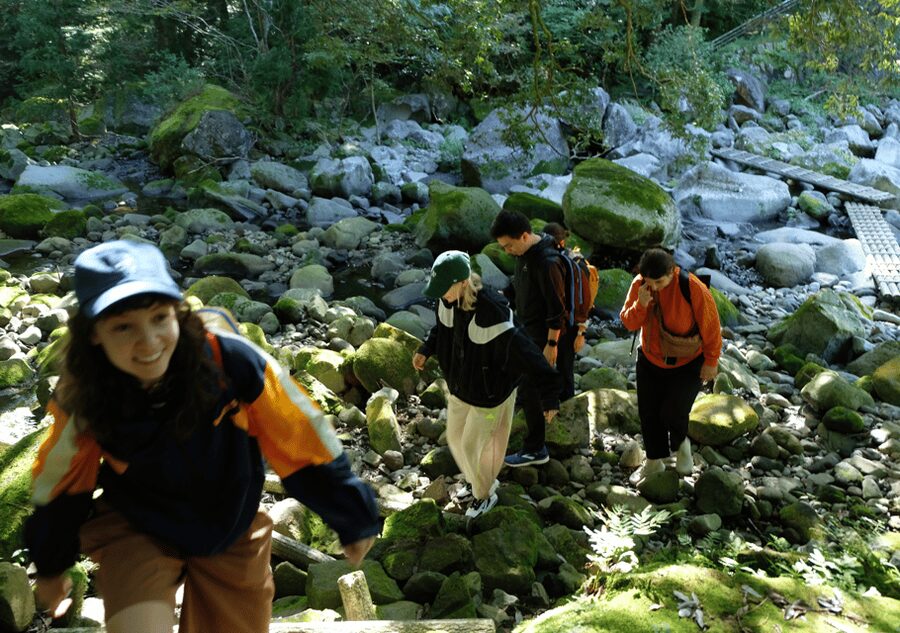
The first walking section follows the Sukumo River and takes about an hour. This gives you a gentle start, though the exact footing can vary. You are walking through the Hakone mountain area, not along a smooth city path, so comfortable shoes are essential.
Hatajuku comes next, with about 30 minutes to look around, pass through the settlement, and browse local goods. The stop helps set the scene for the old route, where small communities served people making the difficult crossing through Hakone.
You will then take a short bus ride of about 10 minutes to the Amasake Tea House. This small transfer is useful because it avoids spending your energy on less notable road sections. It also keeps the focus on the historic path and natural scenery.
Amasake at a 400-year-old teahouse
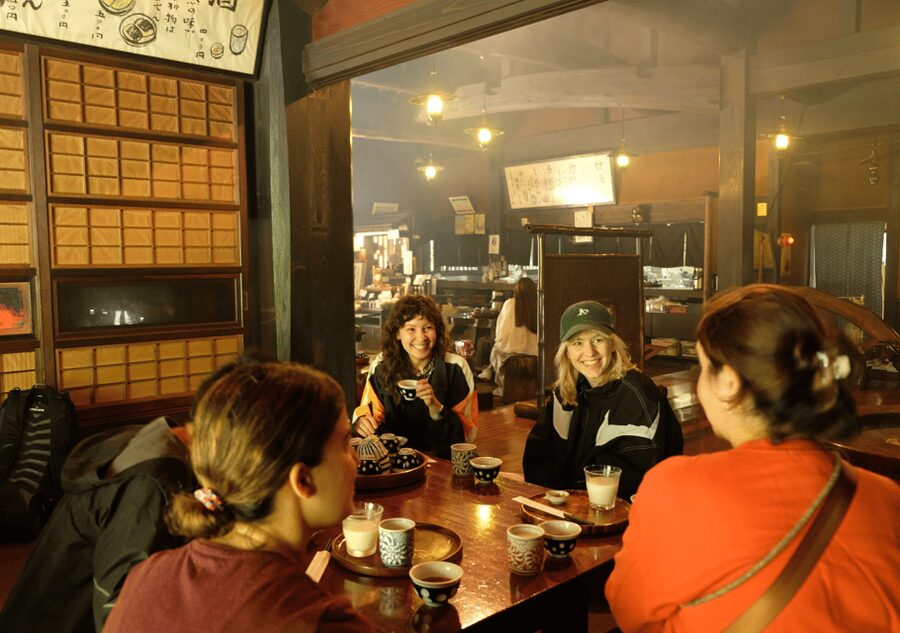
The Amasake Tea House is the emotional center of the morning. It has been serving people for around 400 years, and the stop gives you a direct link to the practical side of historic travel. People needed food, warmth, and rest on this demanding road, not just grand views.
Amasake is a traditional sweet rice drink. Despite the name, it is not necessarily alcoholic, and here it is served with local snacks. The break lasts about 30 minutes, long enough to warm up, refuel, and enjoy the old setting before returning to the trail.
I especially like that this is not a rushed photo stop. A teahouse pause makes the route feel lived in. You are not simply looking at an old road. You are taking a break in the same kind of place that supported people crossing the mountains centuries ago.
Cobbles, Lake Ashi, and the cedar avenue
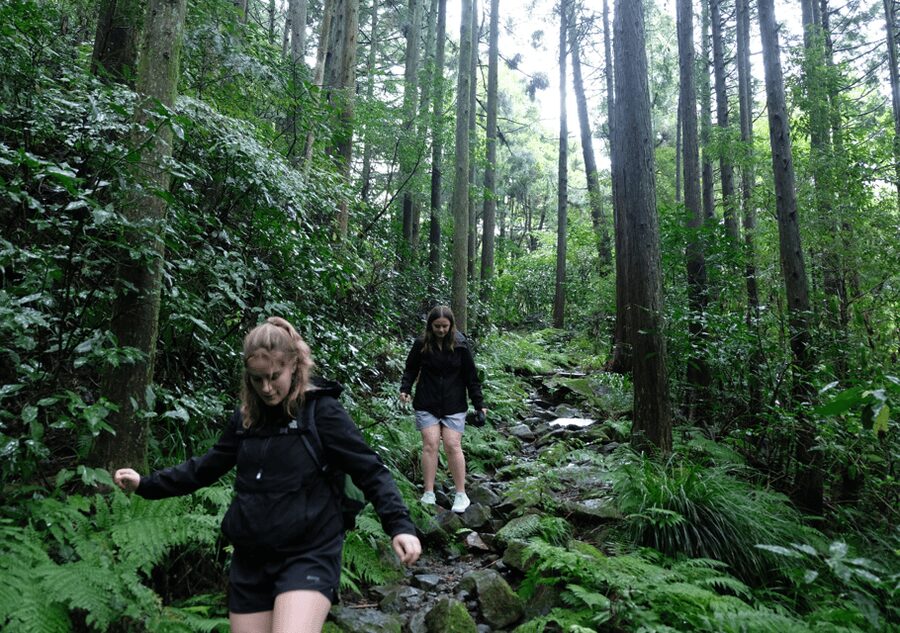
After the teahouse, you walk for around 45 minutes on cobbles along the Old Tokaido Highway. This is one of the parts where good shoes matter most. The route is suitable for beginners in general, but cobbles can be awkward, and wet stones or exposed roots may slow you down.
The guide can help you place your feet on tricky sections. Aki has been praised for watching the group closely and offering clear pointers when the path becomes slippery or uneven. You should still expect to walk carefully rather than casually stroll.
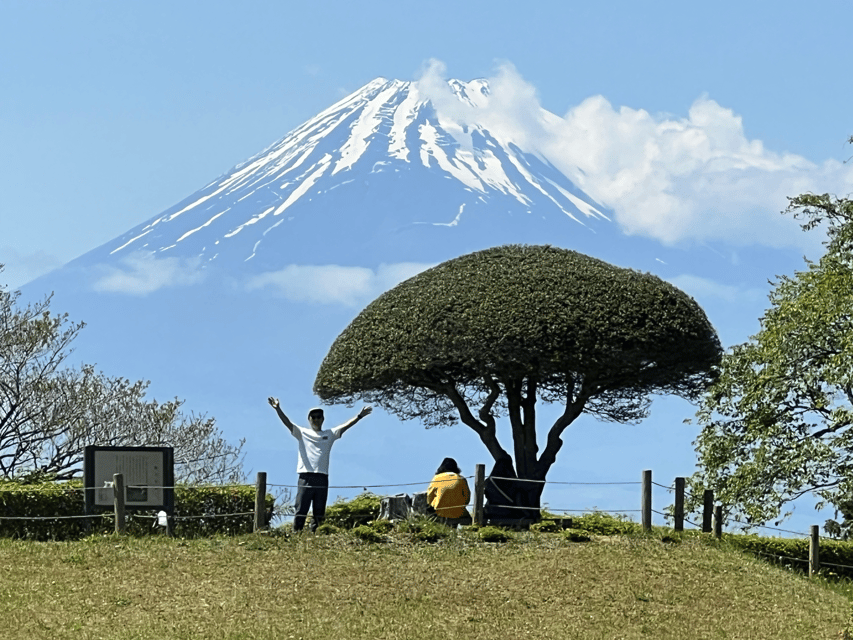
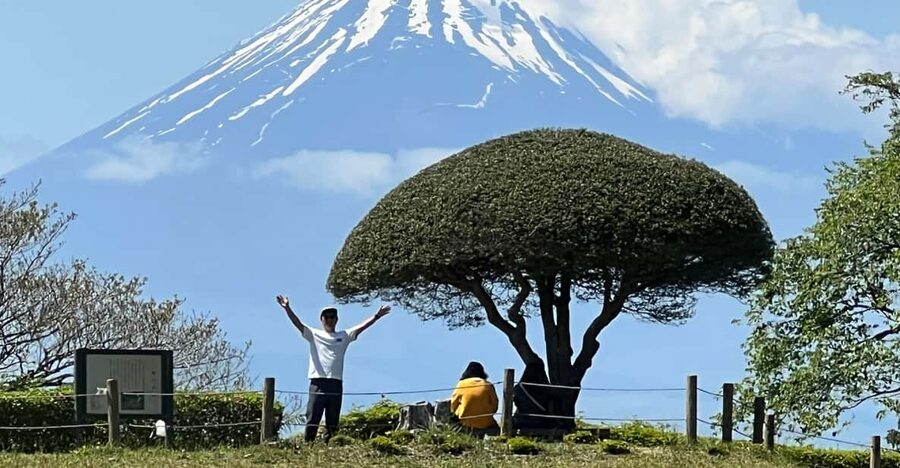
The route then reaches Lake Ashi, where you have time for photographs and a short walk. The lake is one of Hakone’s signature sights, and the view becomes especially memorable when Mt Fuji appears behind it. Weather controls that part of the experience, so you should treat Fuji as a possibility, not a promise.
The familiar red torii of Hakone Shrine can also be seen near the water. This is the classic Hakone view, but arriving on foot gives it more meaning. You have just followed the historic road through the mountains, then reached the lake that helped define the region’s geography.
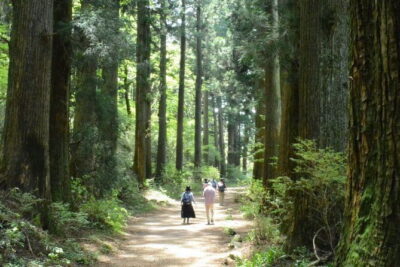
From the lake, the walk continues along the famous Old Tokaido cedar avenue. Some trees are more than 400 years old, planted to protect people from sun, wind, and snow. Their scale gives this section a solemn feel, and the shade can be welcome in warmer weather.
You do not spend all day at each sight. The schedule allows about 15 minutes for the cedar avenue and another 10 minutes around the Hakone Checkpoint. That is enough for a sense of the place, but not enough for a slow, independent visit. If you want extensive time at every site, a self-guided day may suit you better.
Same trailhead, a different sort of day:
- Hiroshima: Morning Hiking Tour with Open-air Tea Ceremony
★ 4.8 · 58 reviews - Full Day Hiking Tour at Mt.Takao including Hot Spring
★ 5.0 · 52 reviews - Kyoto: Hike and Hot Springs in Kurama
★ 5.0 · 49 reviews - Hike Hakone Hachiri
★ 5.0 · 48 reviews
The Hakone Checkpoint and lunch by the lake
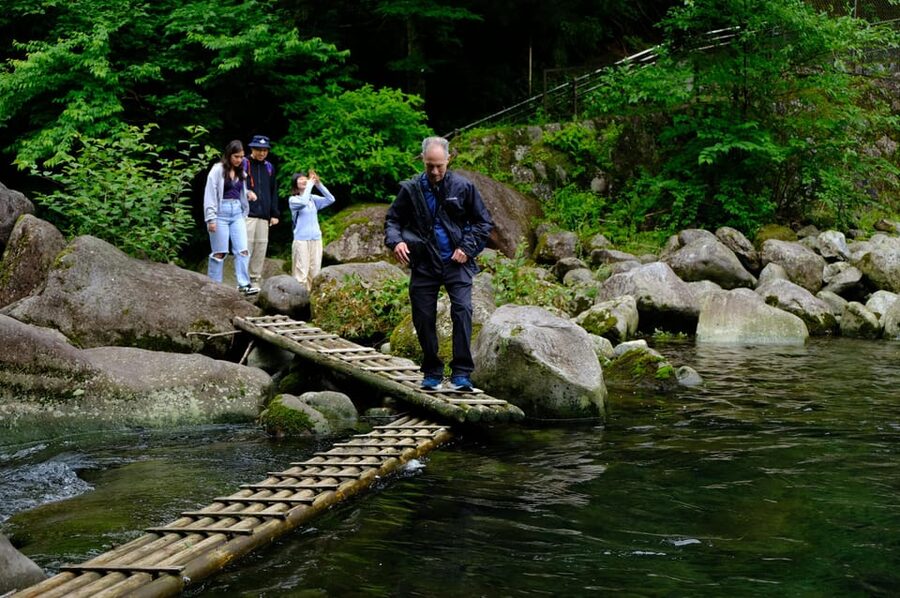
The Hakone Checkpoint was a control point where the Edo government monitored people moving along the Tokaido. Its presence explains why this mountain passage mattered politically as well as geographically.
The tour passes through the checkpoint area before returning to Lake Ashi for a 45-minute lunch break. Lunch is not included, and the details of the restaurant depend on the day and local arrangements. Plan to pay separately for food and drinks.
A 45-minute meal is practical but not leisurely. You should be ready to order and eat within the allotted time, especially if the group is keeping to the afternoon schedule. If you have dietary needs, ask the provider before booking, since the available details do not specify menus or special-diet arrangements.
Across Hakone Pass to Yamanaka Castle Ruins
After lunch, a bus takes you for about 15 minutes toward the next section. This is where the tour makes a useful compromise. Rather than forcing you to walk every steep part of the historic crossing, it uses public transport to move beyond Hakone Pass.
A later bus ride of about 30 minutes brings you toward Mishima, depending on the group’s pace and preference. Along the way, you stop at a less publicized scenic point for about 45 minutes. The exact place is described as a secret stop, so you should expect a quiet photo and walking break rather than a major formal attraction.
The route can include Yamanaka Castle Ruins. These remains help show how the mountain terrain was used for defense and control. The site is not presented as a long archaeological visit. Instead, it forms part of the broader story of crossing Hakone, protecting roads, and managing movement through a difficult natural barrier.
Because the final section depends on pace and preference, the day may finish with Mishima Shrine and Genbe River, or return toward the Lake Ashi area. The planned finish is Mishima Station, but the afternoon route has some flexibility. That is useful when weather or walking speed changes the plan.
Mishima Shrine and Genbe River
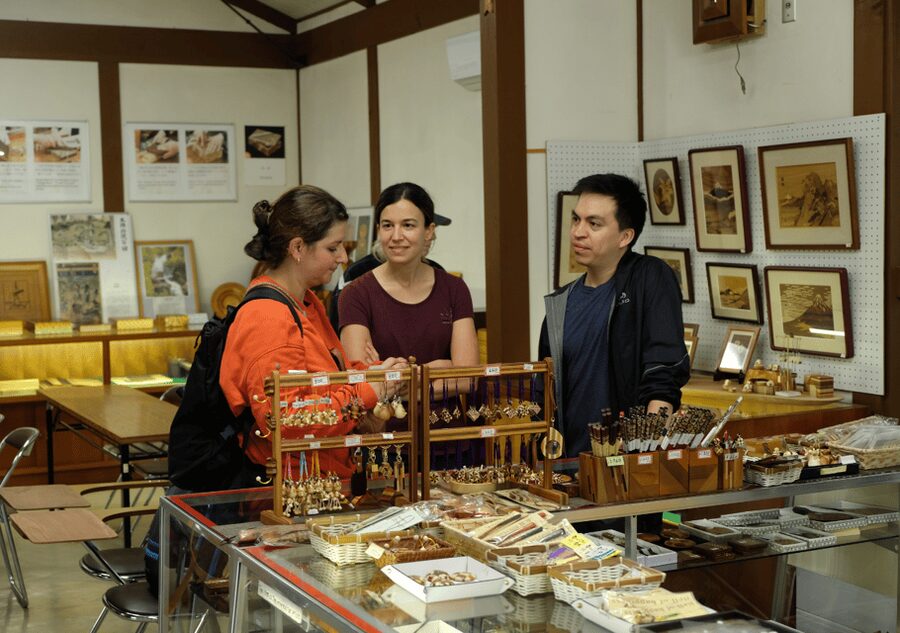
At Mishima Taisha Shrine, you have about 30 minutes for a visit, photographs, and a short walk. The shrine gives the day a different character from the forest and lake. By this point, you have moved from an old mountain road into a place of religious and civic importance.
A 15-minute walk leads to Genbe River, known in Japanese as 源兵衛川. You spend about 30 minutes sightseeing and walking beside the water before continuing to Mishima Station.
This ending is one reason the tour feels like a journey rather than a single hike. You begin at a transport hub in Hakone, cross a historic mountain route, reach the lake, pass through old roadside sites, and finish in Mishima among shrine and riverside scenery.
What the guide adds to the walk
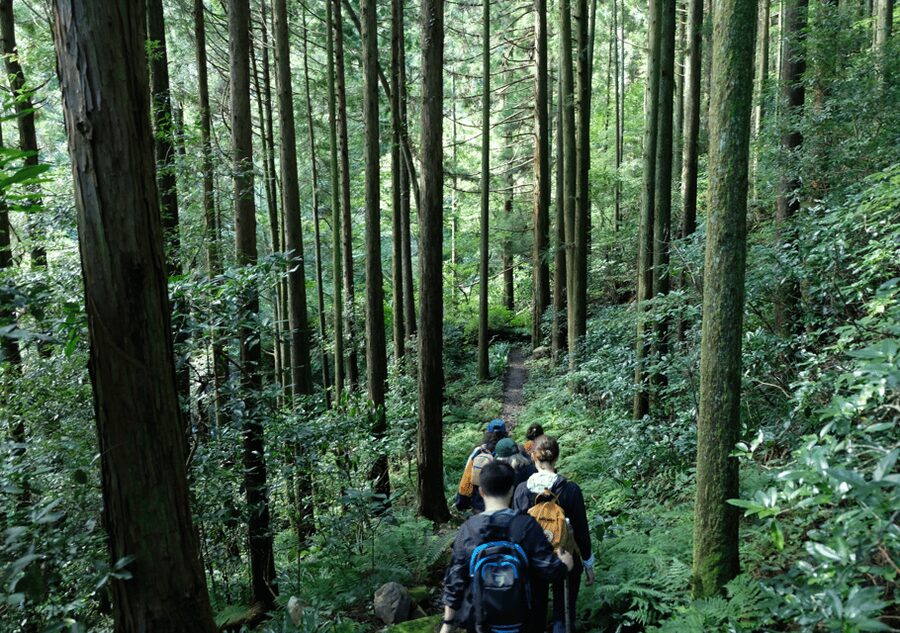
The tour includes a nationally certified mountain guide with advanced wilderness first-aid training. That matters on a route with uneven surfaces, changing weather, and several hours on foot.
The guide’s role is not limited to leading the way. Aki, also referred to as Akihiro, has guided visitors through the route while explaining Japanese history, local geography, plants, and wildlife. If you are interested in trees, you can ask for more attention to native species. If history is your main interest, the Old Tokaido and checkpoint can receive more explanation.
Small groups make this practical. With a maximum of six participants, it is easier to ask questions and easier for the guide to notice when someone needs a slower pace. One group was able to adjust the plan for a slower walker, and Aki even carried a bag for an older participant. That does not mean you should expect personal porter service, but it does show the sort of attentive support this format can provide.
The guide has also adjusted plans in bad weather. Still, the tour is not weatherproof. Mt Fuji views may disappear, and wet conditions can make cobbles, roots, and stones more difficult.
How demanding is the hike?
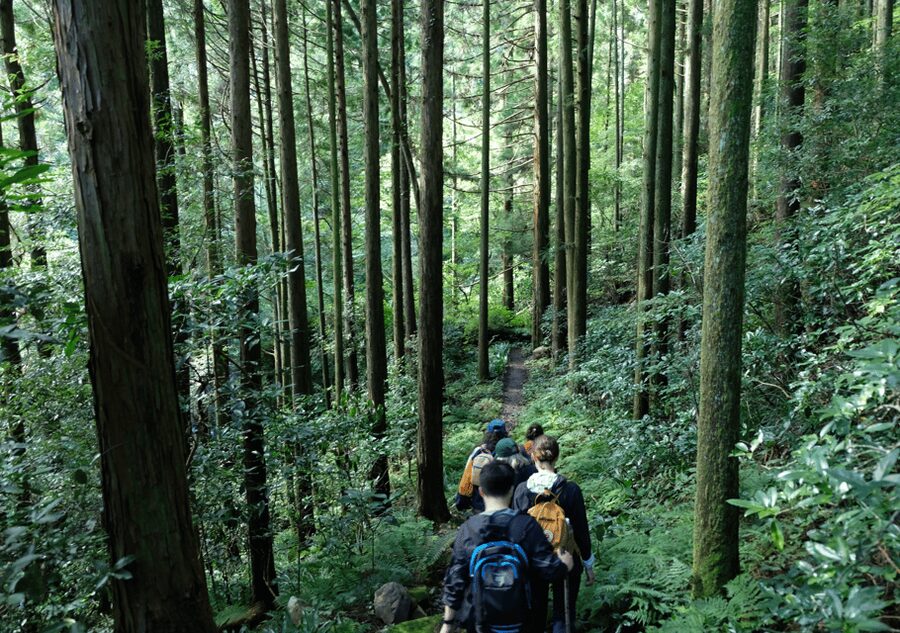
The tour covers about 8km, with five to six hours spent walking across the full day. The slopes are described as mostly gentle, but that should not be confused with completely flat or effortless.
You may encounter:
- Cobbled sections of the Old Tokaido
- Steeper slopes
- Tree roots and stones
- Potentially slippery footing
- Several hours of continuous activity, broken up by food, transport, and sightseeing stops
A review of the physical demands described the hike as exciting and slightly challenging, with steep parts over roots and stones. Another account found it comfortable in winter when conditions were dry, but noted that it felt cold at the highest elevation.
Wear proper hiking shoes if you have them. At minimum, choose sturdy comfortable shoes with good grip. Bring a sun hat, and dress for changing temperatures. The highest parts can feel cold even when lower sections are pleasant.
People with mobility impairments should not book this trip. If you are a beginner who is comfortable walking for several hours, the tour should be manageable, especially because buses skip the hardest stretches. Be honest about your pace when booking.
Is the $167 price fair?
At $167 per person, this is not a cheap transport-and-sightseeing outing. You also pay separately for buses, shared taxis, lunch, drinks, and other food. The Shinkansen between Mishima and Odawara is not included either, and that train costs less than 3,000 yen and takes about 15 minutes.
The value comes from the guide and the planning. You would need to connect several trail sections, local buses, historic sites, and the final Mishima route on your own. You would also lose the context that links the cedar avenue, checkpoint, castle ruins, shrine, and river.
For a group of up to six, the price is more defensible than it would be for a large coach tour. You are paying for route design, local interpretation, safety awareness, and flexibility when weather or walking speed changes.
I would not choose it if your main goal is a cheap walk beside Lake Ashi. You can visit the lake and shrine area more simply. I would choose it if you want the Old Tokaido explained properly and prefer a guide to handle the complicated transitions between trail, bus, and taxi.
Who will enjoy this experience most?
This tour suits you if you want:
- A half-day-to-full-day outdoor activity away from Japan’s big cities
- A practical introduction to Edo-period travel
- Forest walking without committing to the full 32km Hachiri route
- Mt Fuji viewing opportunities when weather cooperates
- Small-group guiding in English or Japanese
- A mix of history, botany, village life, shrine culture, and river scenery
It may not suit you if you dislike uneven ground, want a slow sightseeing day, or need guaranteed Fuji views. The route is beginner-friendly, but it remains a real hike. You should be comfortable being outdoors for most of the day.
Free cancellation is available up to 24 hours before departure, and you can reserve while paying later. Those options help if your Hakone schedule is still changing, but they do not remove the need to check transport costs and walking requirements before booking.
Should you book the Hakone Hachiri tour?
Book this tour if you want to understand Hakone with your feet, not just collect a few lake photographs. The 400-year-old teahouse, cedar avenue, cobbled road, and guide-led history give the day a strong sense of place.
The best reason to go is the combination of walking and interpretation. Aki and the other certified guides can adjust the pace, explain the natural setting, and make the old route easier to read. Just allow for extra transport and lunch costs, wear proper shoes, and keep your expectations flexible about Mt Fuji and the final route.
If that sounds like your kind of day, $167 is a reasonable price for a carefully connected small-group outing. If you want effortless sightseeing or have limited mobility, choose a simpler Hakone lake tour instead.
FAQ
Where does the Hakone Hachiri tour begin?
The tour begins at the ticket gate of Hakone-Yumoto Station, where the guide will be waiting.
Where does the tour finish?
The planned finish is Mishima Station. Depending on pace and preference, the afternoon route can change and may return toward the Lake Ashi area.
How far do you walk?
You walk about 8km in total and spend around five to six hours walking during the day.
Is the hike suitable for beginners?
Yes, the route is suitable for beginners and includes mostly gentle slopes or cobbled paths. However, some sections are steep, uneven, rooted, or slippery, so you need comfortable walking ability.
Is Mt Fuji guaranteed?
No. You may see Mt Fuji from different viewpoints if the weather permits.
What is included in the tour price?
The price includes a nationally certified mountain guide with advanced wilderness first-aid training. Transportation between sites, food, drinks, and lunch are not included.
What languages are available?
The tour is offered in English and Japanese.
How large is the group?
The tour is limited to six participants.
Can I cancel the booking?
You can cancel up to 24 hours in advance for a full refund. A reserve-now, pay-later option is also available.
Just added around Japan
- Hiking Tour in Enoshima with a Local Guide★ 5.0 · 4 reviews
- Kanazawa Day Tour: Shomyo Falls & Tateyama Mountain Walks★ 5.0 · 4 reviews
- Pasture Hike with Horse Whisperer at Horse Trust in Kagoshima★ 5.0 · 2 reviews
- 4.5 hours Snowshoe hike in Shiretoko five lakes★ 4.5 · 2 reviews
- 3.5hours Primeval Forest Snowshoe hike and Wildlife Watching Tour★ 5.0 · 14 reviews
- 3 hours Snowshoe hike to “Furepe fall” and Wildlife Watching★ 5.0 · 9 reviews
- Furepe Waterfall Nature Walk★ 5.0 · 6 reviews
- Traverse Outer Rim of Hakone Caldera and Enjoy Onsen Hiking Tour★ 5.0 · 30 reviews
Japan Hiking Tours, compared.
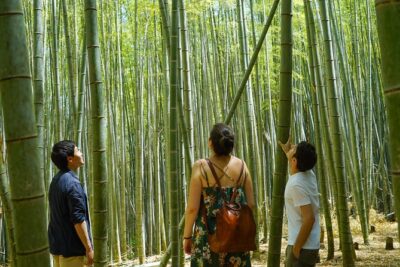
Fushimi Inari Hidden Hiking Tour (Private Option Available)
Read our review →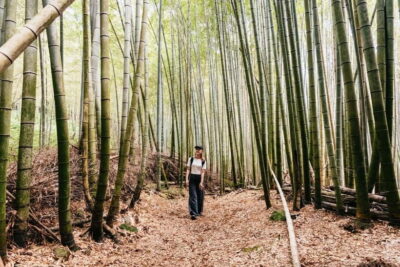
Kyoto: 3-Hour Fushimi Inari Shrine Hidden Hiking Tour
Read our review →
Hiroshima Local guided Hiking Tour&Open-air Tea Ceremony
Read our review →
Hiroshima: Morning Hiking Tour with Open-air Tea Ceremony
Read our review →
Full Day Hiking Tour at Mt.Takao including Hot Spring
Read our review →

Hike Japan Heritage Hakone Hachiri with certified mountain guide
Read our review →Browse the lists this tour appears in