
REVIEW · JAPAN
Hike Hakone Hachiri
The best part of Hakone Hachiri is that you walk a real section of Japan’s old Tokaido Highway, not a dressed-up theme route. This ancient road once linked Edo, today’s Tokyo, with Kyoto and Osaka. Your day includes towering cedar trees, the old Hakone checkpoint, Yamanaka Castle ruins, and a traditional tea stop run by the Yamamoto family for 13 generations.
I like the personal scale of this private tour, where only your group takes part. I also like the mix of history and exercise: Tony, the guide, brings the past to life and can translate Japanese at Amazake Chaya. The main drawback is the physical demand. The route covers about 12 kilometers and includes uneven stones, so sturdy walking shoes and a moderate fitness level are essential.
Key points to know before you book
- A 12-kilometer historic walk: You follow a preserved section of the old Tokaido Foot Highway between Odawara and Mishima.
- A rare tea-house visit: Amazake Chaya is managed by the 13th generation of the Yamamoto family.
- Private guiding with Tony: Your group receives personal attention, historical explanation, and Japanese translation.
- Several strong photo stops: Lake Ashi, Hakone’s cedar avenue, Yamanaka Castle ruins, and possible Mt. Fuji views all feature in the day.
- A proper hike, not a gentle stroll: Expect about five hours of walking within a roughly nine-hour experience, often over stones and changing ground.
- Weather matters: The outing requires good weather and may be moved or refunded if conditions make it unsuitable.
Why the old Tokaido makes a better walk than a standard Hakone outing
Hakone is famous for hot springs, lake cruises, and mountain views. This walk gives you a different way into the area. You are not simply moving between scenic stops by vehicle. You are following the route used by people crossing central Japan centuries ago.
The old Tokaido was a major road connecting Edo with the former capitals in western Japan. Hakone Hachiri refers to the mountainous stretch of roughly eight Japanese ri, or about 32 kilometers, between Odawara and Mishima. This experience covers a 12-kilometer section, preserved as a Japan Heritage Area.
That context matters. A cedar-lined trail can be pretty on its own, but it becomes more memorable when you understand why the trees were planted, why checkpoints controlled movement, and why castles guarded this mountain passage. Tony’s role is especially useful here. He is not just keeping the group on the route. He explains the road’s purpose and helps bridge language gaps at important cultural stops.
The day begins at Mishima Station at 8:30 a.m. and ends there. Since the tour lasts about nine hours, you should treat it as the main activity of your day rather than something to squeeze between other Hakone plans.
A few more hikes around Japan worth a look
- Fushimi Inari Hidden Hiking Tour (Private Option Available)
★ 5.0 · 1,750 reviews - Kyoto: 3-Hour Fushimi Inari Shrine Hidden Hiking Tour
★ 4.9 · 270 reviews - Hiroshima Local guided Hiking Tour&Open-air Tea Ceremony
★ 5.0 · 213 reviews
Amazake Chaya and a family tradition lasting 13 generations
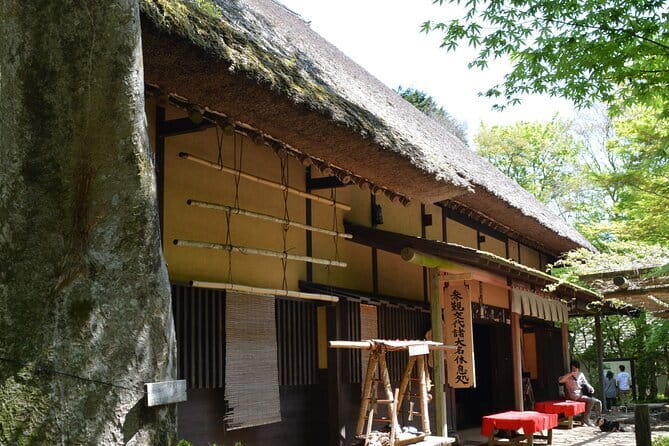
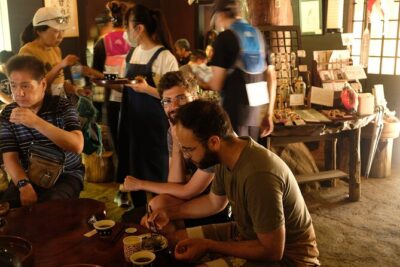
Amazake Chaya is one of the most distinctive stops. It is one of the few remaining teahouses from the time when hundreds lined the old Tokaido. The current manager, Mr. Yamamoto, represents the 13th generation of his family to run the place. His son and daughter may carry the tradition into a 14th generation.
You have about an hour here, with admission included. The value is not just the chance to pause over a drink. This is a living connection to the road’s past, maintained by the same family across many generations. With Tony providing Japanese translation, you can get more from the visit than you would from simply stopping for refreshments.
Coffee and tea are not included, so budget separately for anything you order. The stop is also an important rest point before the longer walking portion. I would avoid treating it as a quick photo break. Its appeal lies in the continuity of the place and the chance to slow down.
Lake Ashi brings the day’s broadest view
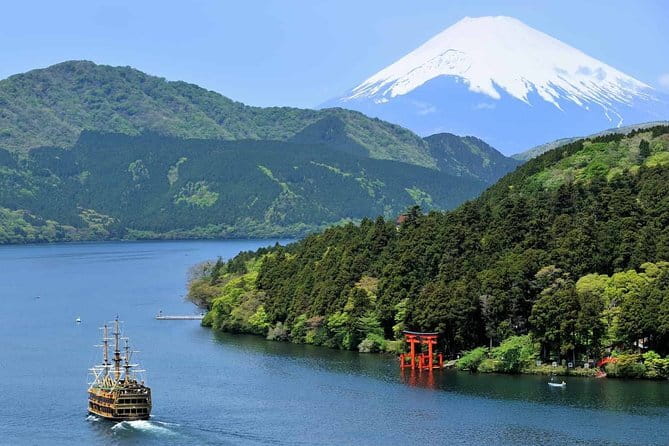
Lake Ashi is a 700-meter-deep crater lake, and the planned lunch stop gives you about an hour beside the water. The setting is instantly recognizable for its red torii gate standing in the lake, a classic Hakone sight.
Lunch is not included, so you pay for your own meal. That is worth noting when judging the price. The tour price covers the guide fee, but not food, drinks, or an air-conditioned vehicle.
The lake stop also breaks up the history-heavy sections with open scenery. You move from an intimate old teahouse to a wide body of water framed by mountains. On clear days, the route may also offer views of Mt. Fuji from Yamanaka Castle ruins later in the day. Those views depend on weather, so you should see Fuji as a bonus rather than a promise.
Walking beneath Hakone’s 400-year-old cedars
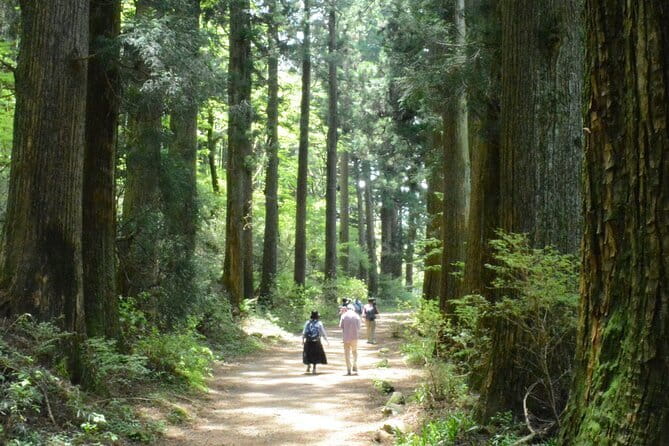
The Cedar Avenue of Hakone Old Road is one of the most atmospheric portions of the experience. Four centuries ago, Tokugawa Hidetada, the second Edo-period shogun, ordered Japanese cedar trees, or sugi, planted along both sides of the Tokaido. The goal was practical: provide shade for people using the road.
Today, the trees create a powerful corridor. Their age gives the route a sense of scale that younger woodland cannot match. You are walking beneath living markers of the road’s importance, not merely passing through a pleasant patch of forest.
The scheduled visit here is 30 minutes, but the cedar avenue also helps explain why the entire walk feels different from a normal countryside hike. The route combines natural surroundings with deliberate human planning. You will want comfortable footwear because historic roads are not always smooth modern paths.
Same trailhead, a different sort of day:
- Hiroshima: Morning Hiking Tour with Open-air Tea Ceremony
★ 4.8 · 58 reviews - Full Day Hiking Tour at Mt.Takao including Hot Spring
★ 5.0 · 52 reviews - Kyoto: Hike and Hot Springs in Kurama
★ 5.0 · 49 reviews - Hike Japan Heritage Hakone Hachiri with certified mountain guide
★ 5.0 · 46 reviews
Hakone Sekisho shows how movement was controlled
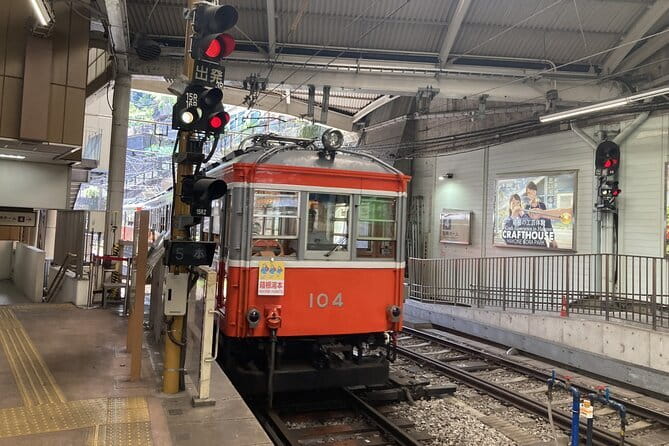
The old Tokaido was monitored through checkpoints, and Hakone Sekisho was one of the most heavily policed. It was close to Edo, the shogun’s capital, so controlling who passed through was a serious matter.
You spend about 30 minutes at Hakone Sekisho and its museum. This stop gives the route political weight. The road was not only for merchants, officials, and ordinary people getting from one city to another. It was also part of a system designed to protect the shogun and regulate movement.
The checkpoint is a useful counterpoint to the peaceful cedar avenue. The trees suggest shade and calm. The checkpoint reminds you that this was a controlled passage, with authorities watching those who entered and left the capital region.
Yamanaka Castle ruins add a rougher edge
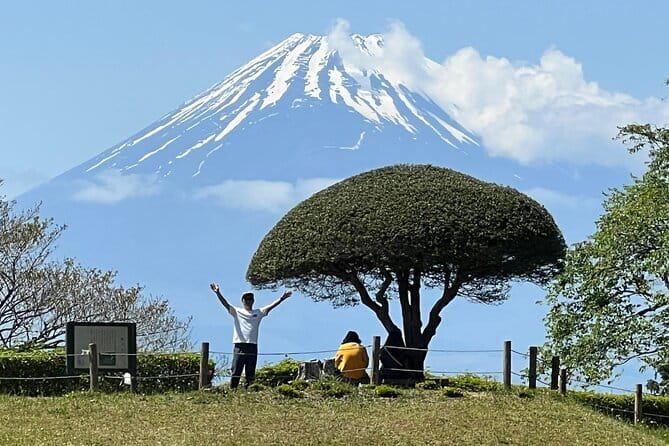
Yamanaka Castle dates to 1590 and protected the western boundary of the Hojo domain. Its name means castle in the middle of the mountain, which fits the setting.
Do not expect grand stone walls or a restored palace. The appeal is in the earthworks and mountain defenses. The site shows how Japanese castles could use the ground itself as a weapon. Ridges, slopes, and constructed defenses shaped the stronghold.
You have about 30 minutes here. The biggest reward is the combination of history and outlook. In good weather, Mt. Fuji may appear from the ruins. That view is never guaranteed, but the site remains worthwhile for its connection to the Hojo period and its position along the old route.
The ruins also help explain the physical character of the hike. This is mountain country. The route can feel rigorous and challenging, particularly on stones or after rain. One useful lesson from the guide’s handling of wet conditions is that the day can be adjusted when weather becomes difficult, but you still need to arrive prepared.
The five-hour hike is the heart of the experience

The central walk covers about 12 kilometers of the old Tokaido Foot Highway. It accounts for roughly five hours of the day, making this a genuine hike rather than a sightseeing tour with a short nature walk attached.
You should expect a moderate physical level, uneven stones, and a long day on your feet. The route includes forest, historic road sections, waterfalls, and large trees. It is not described as an extreme mountain climb, but it is demanding enough that weak shoes could make the day miserable.
Wear sturdy, comfortable walking shoes. If rain is possible, bring suitable protection and accept that the surface may be slick. The experience requires good weather, and the operator may offer a different date or a full refund if poor conditions force cancellation. Once you book, though, the experience is non-refundable and cannot be changed for personal reasons, so check your schedule and the forecast carefully.
The length is also part of the value. You are getting several hours on a historic route, with a guide who can explain what you are seeing as you walk. If you want only a short scenic outing, this is too much. If you want a day that combines exercise, Japanese history, and rural scenery, the distance is a major strength.
Finishing in Mishima beside the Genbegawa area
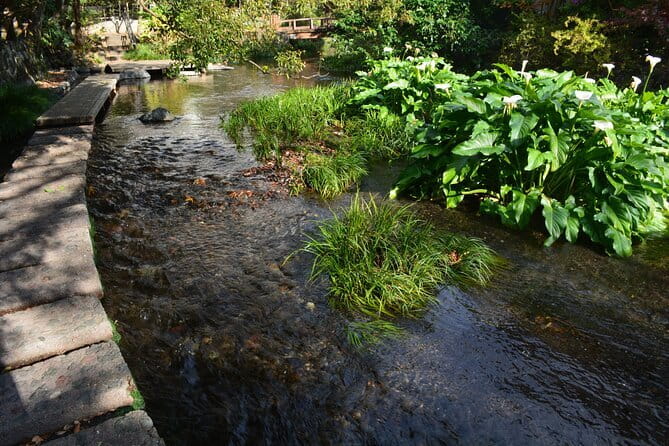
The final stop is Mishima, where you walk along the Genbegawa World Water Heritage Area for about 30 minutes. It provides a calmer finish after the longer historic-road section.
Ending at Mishima Station is practical. You begin and finish at the same station, so you do not need to arrange a separate return point. The meeting address is 16-1 Ichibanchō, Mishima, Shizuoka, and the start time is 8:30 a.m.
The tour is near public transportation, but an air-conditioned vehicle is not included. That matters when comparing this experience with a private sightseeing tour that drives between stops. Here, the walking is the main event, and the guide fee pays for interpretation rather than private transport.
Tony’s guiding style is a major part of the value
The guide can make or break a long walk. Tony receives especially strong praise for personal attention, historical explanation, humor, and experience. He also provides fluent Japanese translation, which is valuable at Amazake Chaya and any point where a local conversation adds meaning.
A private format gives Tony room to adjust the pace and shape of the day around your group. In poor weather, he has changed the plan rather than stubbornly forcing every stop. That flexibility is useful on a route where rain can affect stone paths and visibility.
You should still be realistic about what a guide can change. He can adapt the day, but he cannot guarantee Mt. Fuji, dry conditions, or an easy trail. The personal service is most valuable if you enjoy asking questions and want the history explained as you go.
Is the $231.18 price good value?
At $231.18 per person, this is not a cheap walking tour. The price makes more sense if you place value on a private guide, a full nine-hour day, historical interpretation, translation at a family-run tea house, and access to a route that can be difficult to understand on your own.
The group format also matters. Since only your party participates, the cost can feel more reasonable for families or friends who want a dedicated guide. Group discounts may improve the price for larger parties, though the exact reduction is not provided.
You still need to pay for lunch, tea, and coffee. Transport in an air-conditioned vehicle is not included. If your priority is simply reaching scenic viewpoints, you may find a regular sightseeing option more economical. If your priority is walking an ancient route with context and personal guidance, this experience offers a stronger return.
Who should book this hike?
I would choose this for someone who wants more than Hakone’s headline attractions. It suits hikers with moderate fitness, history fans, families with older children who can manage a long walk, and private groups that prefer a flexible day.
It is also a good choice if you have already seen the standard lake sights and want a quieter, more physical way to understand the region. The cedar avenue, castle ruins, old checkpoint, and traditional teahouse give the day a clear sense of place.
I would not book it for a relaxed spa day, a short family outing, or anyone uncomfortable walking for several hours over stones. Poor weather can also change the plan, and the non-refundable policy means you should book only when your date is firm.
FAQ
Where does the hike begin and end?
It begins and ends at Mishima Station, at 16-1 Ichibanchō, Mishima, Shizuoka 411-0036, Japan.
What time does the experience start?
The start time is 8:30 a.m.
How long does the tour last?
The full experience lasts approximately nine hours.
How far is the main hike?
The walk covers about 12 kilometers of the old Tokaido Foot Highway between Odawara and Mishima.
Is this a private tour?
Yes. Only your group participates in the activity.
Is lunch included?
No. Lunch is not included, and you should also budget separately for coffee or tea.
Is transportation in an air-conditioned vehicle included?
No. An air-conditioned vehicle is not included.
What happens if bad weather cancels the tour?
Because the experience requires good weather, a cancellation caused by poor conditions offers you a different date or a full refund. Personal cancellations or amendment requests are non-refundable.
Should you book Walk Hakone Hachiri?
Book it if you want a full day of walking, history, and local culture, and if a 12-kilometer route over uneven ground sounds appealing rather than daunting. Tony’s personal guiding, Japanese translation, and flexible handling of weather add real value, while Amazake Chaya gives the day a rare human connection.
Skip it if you want effortless sightseeing, guaranteed Mt. Fuji views, or a short excursion. For the right walker, this is one of the more meaningful ways to experience Hakone: step by step, along the road that helped connect Japan.
Just added around Japan
- Hiking Tour in Enoshima with a Local Guide★ 5.0 · 4 reviews
- Kanazawa Day Tour: Shomyo Falls & Tateyama Mountain Walks★ 5.0 · 4 reviews
- Pasture Hike with Horse Whisperer at Horse Trust in Kagoshima★ 5.0 · 2 reviews
- 4.5 hours Snowshoe hike in Shiretoko five lakes★ 4.5 · 2 reviews
- 3.5hours Primeval Forest Snowshoe hike and Wildlife Watching Tour★ 5.0 · 14 reviews
- 3 hours Snowshoe hike to “Furepe fall” and Wildlife Watching★ 5.0 · 9 reviews
- Furepe Waterfall Nature Walk★ 5.0 · 6 reviews
- Traverse Outer Rim of Hakone Caldera and Enjoy Onsen Hiking Tour★ 5.0 · 30 reviews
Japan Hiking Tours, compared.
Fushimi Inari Hidden Hiking Tour (Private Option Available)
Read our review →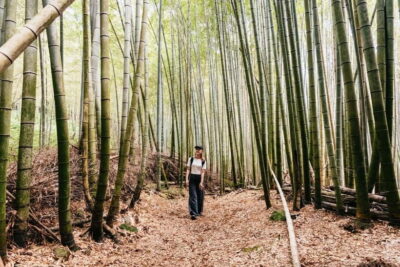
Kyoto: 3-Hour Fushimi Inari Shrine Hidden Hiking Tour
Read our review →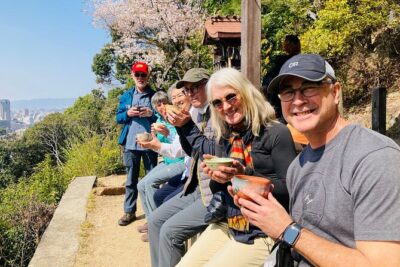
Hiroshima Local guided Hiking Tour&Open-air Tea Ceremony
Read our review →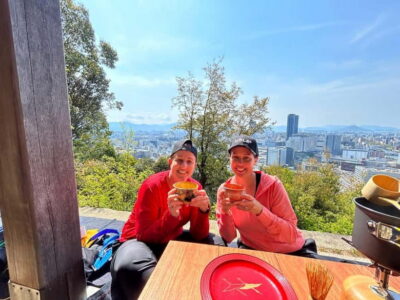
Hiroshima: Morning Hiking Tour with Open-air Tea Ceremony
Read our review →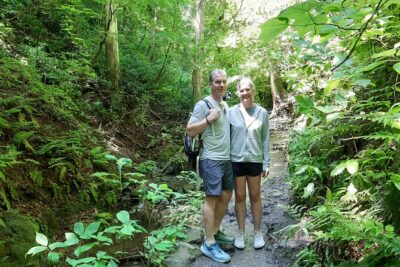
Full Day Hiking Tour at Mt.Takao including Hot Spring
Read our review →
Hike Japan Heritage Hakone Hachiri with certified mountain guide
Read our review →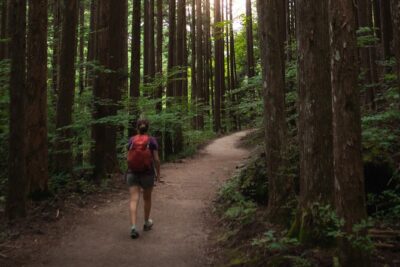
Magome & Tsumago Nakasendo Trail Day Hike with Government-Licensed Guide
Read our review →Browse the lists this tour appears in