
REVIEW · JAPAN
Magome & Tsumago Nakasendo Trail Day Hike with Government-Licensed Guide
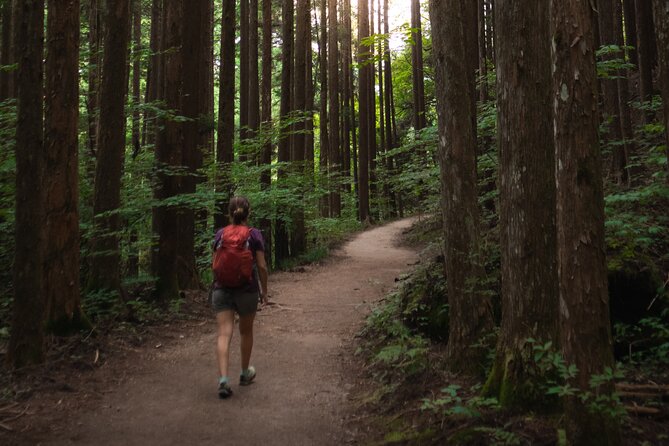
The best part of this experience is the chance to walk an old Japanese road between two beautifully preserved post towns, rather than simply arrive by bus, take a few photos, and leave. The route between Magome and Tsumago covers about 8 kilometers, with forest paths, stone paving, valley views, and plenty of history underfoot.
I like the private format, since your guide can adjust the pace and explain details that are easy to miss on your own. I also like the human touch: guides such as Hiroshi, Matt, Yumi, Elvis, and Kazue have helped visitors arrange soba, bento lunches, tea-house stops, and visits to historic buildings.
The main consideration is logistics. Public transport costs extra, pickup is on foot, and the hike is not offered from December through February because of ice. One visitor also found that explanations sometimes ended before the slower member of the group arrived, so pace and communication matter.
Key points before you book
- Walk an 8-kilometer section of the Nakasendo, an old route linking historic post towns across central Japan.
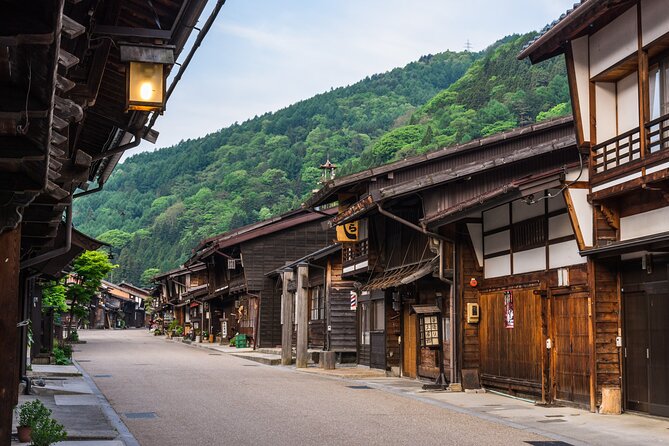
- Visit Magome and Tsumago, two preserved villages with different layouts, moods, and architectural styles.
- Travel privately with only your own group, giving you a better chance to ask questions and request a slower pace.
- Expect about six hours in total, including village time, the walk, and public transport arrangements.
- Bring cash for buses or trains, since transportation, lunch, entrance fees, and personal purchases are not included.
- Plan another option in winter, because this hiking version is unavailable from December through February.
Why the Magome to Tsumago walk works so well
The Nakasendo was an inland road used by people moving between Kyoto and Edo, present-day Tokyo. Its post towns gave merchants, officials, and other travelers a place to rest during long journeys. Today, the most appealing section for a short visit links Magome and Tsumago in the Kiso Valley.
You do not need to commit to a long-distance trek to experience it. This tour gives you a manageable day outdoors, with a guide who can put the road, villages, and buildings into context.
The walk is described as easy, though five miles on stone and woodland paths still calls for sensible shoes. The route includes slopes, particularly around Magome, and you should expect natural surfaces rather than a smooth urban pavement.
The six-hour schedule is useful because the walk itself takes around two hours, while the rest of the time allows for village visits, explanations, food, photographs, and transport. That makes this more than a quick point-to-point hike.
More Guided Day Hikes in Japan
- Hiroshima Local guided Hiking Tour&Open-air Tea Ceremony
★ 5.0 · 213 reviews - Full Day Hiking Tour at Mt.Takao including Hot Spring
★ 5.0 · 52 reviews - Kamakura One Day Hike Tour with Government-Licensed Guide
★ 4.5 · 12 reviews
Starting in Magome, the hill town with valley views
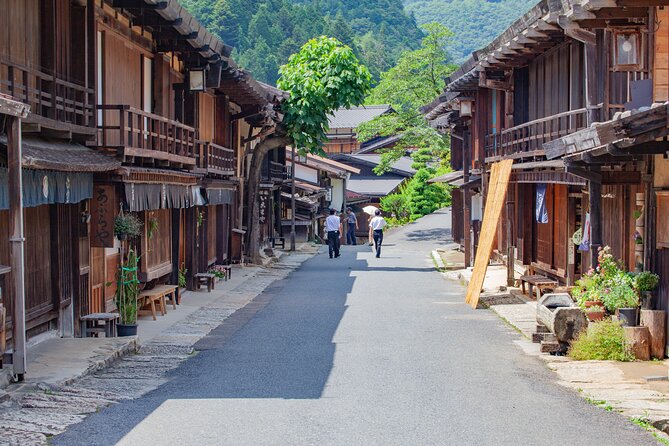
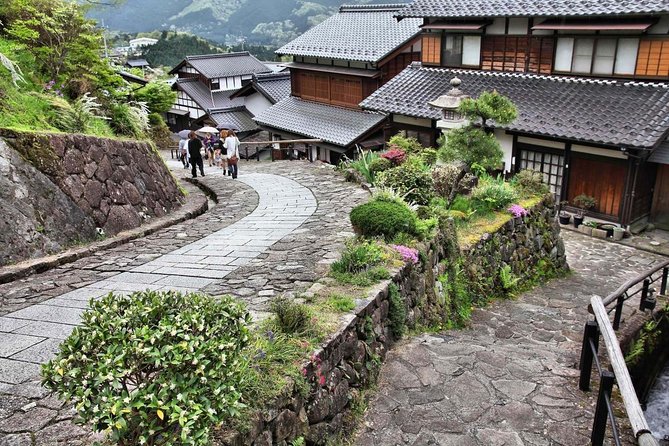
Magome is the more visibly sloping of the two post towns. Its broad stone walkway rises through the village, lined with trees, traditional wooden houses, small craft shops, and places to pause for food or a drink.
I like Magome because it gives you a sense of how the settlement fits into the surrounding valley. From higher parts of the town, you get open views that are harder to find in Tsumago, which sits on flatter ground.
Several small museums help explain the town’s past, local artists, and everyday life. Your guide can make these buildings more useful by pointing out what you are seeing and explaining how Magome differed from other post towns along the road.
Food timing is worth considering. You might prefer to eat near the upper part of the village, where the views are better, or lower down, where you can spend time around local shops and residents. Lunch is not included, so ask your guide early about stopping for soba, a bento, or another meal.
Magome can feel more active than Tsumago, with its shops and steady flow of people. That is not a flaw, but it means the village experience changes depending on your timing. Your guide can help you use the stop well rather than rushing straight to the trail.
Following the Nakasendo through forest and countryside
The walking section is the heart of the day. You move between two old post towns on a route that combines woodland, stone paving, rural scenery, and occasional historic markers.
The guide is especially useful here. It is possible to follow the general route without help, but the value of a private guide is not just navigation. Hiroshi has been praised for giving an introduction to the Nakasendo before setting out, while Matt has been noted for explaining the road’s purpose and the events connected with it.
The route is suitable for people who want exercise without signing up for a strenuous mountain hike. Still, do not treat easy as effortless. You will be walking for several miles, and sections can be uneven or sloped. A private guide can respond to your pace more easily than a large group tour can.
One important point is to speak up if someone in your group walks slowly. A Japanese-language comment from one participant raised a fair concern: explanations at stops sometimes began before the slowest person had caught up. On a private outing, this is usually easier to fix. Tell the guide at the start that you want everyone together before explanations begin.
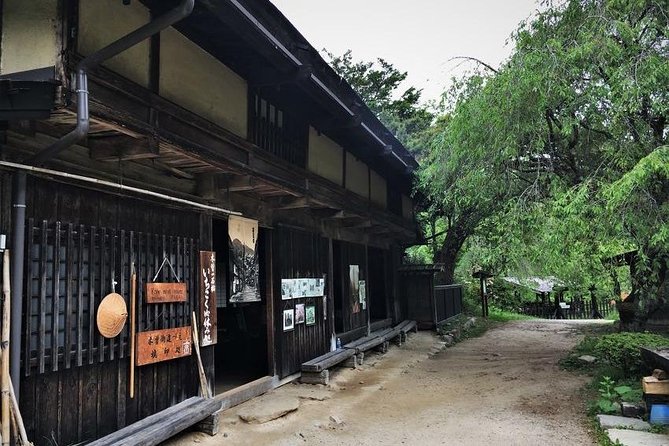
Along the way, you might stop at an old public tea house or take a break near a historic site. Matt has also arranged bento lunches in settings connected with the old route. These details can make the walk feel less like a fitness outing and more like a day spent understanding how people once crossed the region.
Tsumago, the quieter post town
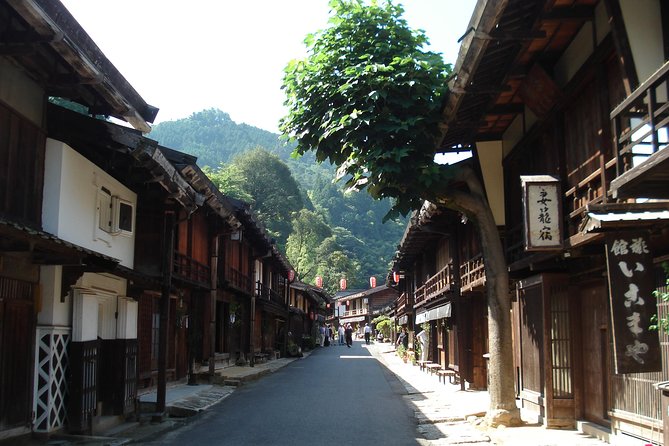
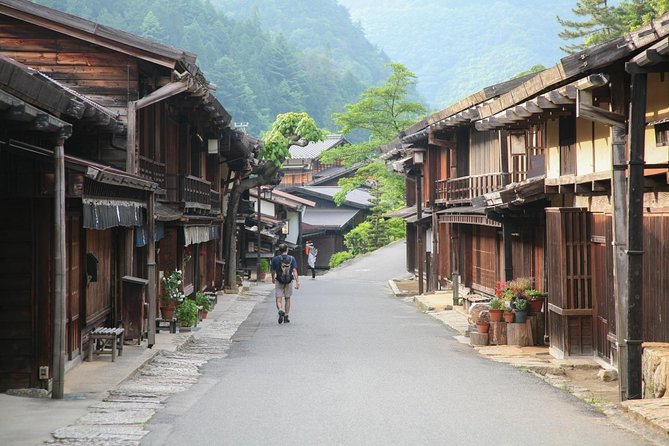
Tsumago has a different character from Magome. It is flatter, with unpaved streets, traditional buildings, and utility cables kept out of sight. The result is a calm village that gives you a strong sense of an older Japan.
Tsumago was among the earliest places in Japan to undertake major historical preservation work. The town’s appearance is carefully maintained, but it is not just a decorative set of buildings. Several sites explain how the post town functioned.
The Honjin was the main inn for important officials and merchants. The Wakihonjin, or secondary inn, served other travelers. You can also see an old notice board once used to display orders from the shogun, along with a Buddhist temple dating to the 16th century.
These places are much easier to appreciate when someone explains who used them and why the buildings mattered. Without context, you may see an attractive old house. With a guide, you can understand the social order of the road and the role of a post town in a long journey.
Tsumago is particularly atmospheric later in the day, when lanterns are lit and the streets become quiet. The tour timing may not guarantee an evening visit, so you should not book this hike solely for the lantern scene. Still, if your schedule allows you to linger, Tsumago rewards a slower look.
Same trailhead, a different sort of day:
- Fushimi Inari Hidden Hiking Tour (Private Option Available)
★ 5.0 · 1,750 reviews - Kyoto: 3-Hour Fushimi Inari Shrine Hidden Hiking Tour
★ 4.9 · 270 reviews - Hike Japan Heritage Hakone Hachiri with certified mountain guide
★ 5.0 · 46 reviews - 1-Day Tour from Nagoya: Hiking the Historic Nakasendo Trail
★ 4.9 · 34 reviews
What the private guide adds
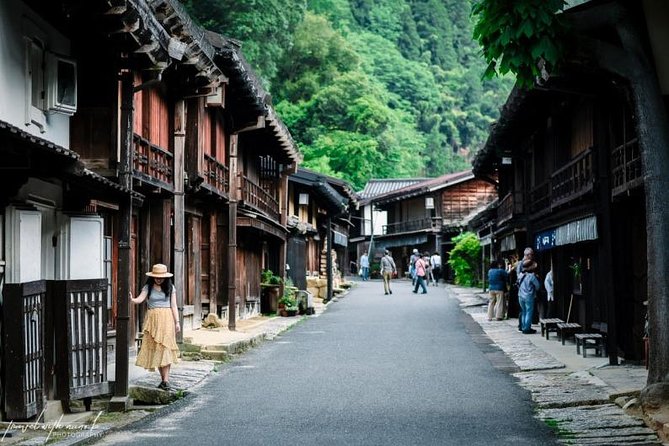
The guide is the main reason to choose this tour instead of simply making your own way along the route. This is not a vehicle tour with a scripted commentary. It is a walking day with a licensed local English-speaking guide.
Guides named in the experience include Hiroshi, Matt, Yumi, Elvis, and Kazue. Their styles will differ, but the strongest part of the service is personal contact. Hiroshi has helped visitors understand the route before beginning. Matt has arranged bento and tea-house stops, and he has sometimes offered extra walking instead of an immediate bus connection.
Yumi has been praised for carefully explaining the important sites and spending time on photographs and conversation. Elvis has helped with route navigation and practical support, including making sure visitors reached their next destination safely.
You should not assume that every guide will provide the same lunch stop or the same added walking time. Those details depend on the day, the guide, conditions, and your interests. Ask in advance if food, museums, or a slower pace are priorities.
The private setup also means you cannot combine multiple tour groups. That is good news if you want a more relaxed day with your own companions, but the price is charged per person and may feel high for a solo visitor.
Is $155.22 a fair price?
At $155.22 per person, this is not the cheapest way to see Magome and Tsumago. Public transport, lunch, entrance fees, and personal expenses are extra. You are paying mainly for a private licensed guide, route support, historical explanation, and the convenience of arranging the walking day around your group.
The value improves if you are short on time or uncertain about rural transport. The Nakasendo area is rewarding, but it is not as simple as visiting a central Tokyo neighborhood. A guide can help connect the meeting point, bus or train arrangements, village timing, and walking route.
It is also better value for a small group that wants personal attention. A group discount may be available, so check the price for your party rather than judging the cost only as a solo booking.
The tour is less attractive if you are confident with Japanese transport, happy to walk independently, and mainly want a quick look at the villages. Many people can follow the route without a guide. The question is whether you want information and local assistance enough to justify the extra cost.
Practical details that affect your day
This is a walking tour, and pickup is on foot at a designated meeting point. There is no private vehicle included, so bring cash for public transport. Transportation costs are paid separately, and you should also budget for food, museum or site entrance fees, drinks, and other purchases.
Most people can participate, and service animals are allowed. The experience is near public transportation, but you still need to be comfortable with a rural walking day and uneven sections of trail.
The best seasons are outside the winter closure. The activity is unavailable from December to the end of February because of icy conditions. If you want to visit during those months, a separate full-day private trip uses buses instead of the hiking route.
Weather changes the feel of the walk. One outing took place in chilly rain, while another benefited from moderate temperatures and cherry blossoms. Autumn can bring colorful foliage and persimmons hanging outside village homes. These seasonal details are a bonus, not something guaranteed on every departure.
Free cancellation is available if you cancel at least 24 hours before the start time. Changes or cancellations made later are not accepted for a refund.
Who should book this Nakasendo hike?
I would choose this for someone who wants an active day but does not have time for a multi-day trek. It also suits anyone who enjoys old buildings, Japanese history, rural scenery, and a guide who can answer questions along the way.
It is a good fit for couples, families, and small groups who prefer a private outing. History enthusiasts will get plenty from the Honjin, Wakihonjin, notice board, temple, and the guide’s explanation of the old road.
You should think twice if you dislike walking on uneven surfaces, need vehicle pickup, or want every cost included in one price. You should also avoid booking this version in winter, when the ice closure means the walking itinerary is not available.
Should you book it?
Book this tour if you want the story behind the Nakasendo, not just photographs of two pretty villages. The walk is manageable, the private format is useful, and guides such as Hiroshi, Matt, Yumi, and Elvis have added real value through history, food stops, route help, and flexible pacing.
Skip it if you are comfortable arranging rural transport and following the path yourself. For everyone else, the price buys more than directions. It gives you a local person to connect Magome, the forest route, and Tsumago into one understandable day.
FAQ
How long does the experience last?
The tour lasts approximately six hours.
How far is the hike?
The walk covers about 5 miles, or 8 kilometers, between Magome and Tsumago.
Is the hike difficult?
It is described as an easy hike, but you should still expect several miles of walking, stone paths, and some slopes near Magome.
Is this a private tour?
Yes. Only your group participates, and multiple tour groups cannot be combined.
Is a guide included?
A licensed local English-speaking guide is included. Guides may include Hiroshi, Matt, Yumi, Elvis, or Kazue, depending on availability.
Is transportation included?
No. Public transportation fees are extra, and you should bring cash. A private vehicle is not included.
Are lunch and entrance fees included?
No. Lunch, entrance fees, transportation, and personal expenses are not included. Guide entry fees are covered only for sights specifically listed in the experience details.
Is the tour available in winter?
The hiking tour is not available from December through the end of February because of icy conditions.
Can most people participate?
Most people can participate, and service animals are allowed. This is a walking tour with pickup on foot at a designated meeting point.
Can I cancel for a refund?
Yes. You can receive a full refund if you cancel at least 24 hours before the experience start time. Cancellations or changes made less than 24 hours before the start time are not accepted.
Just added around Japan
- From Nagoya: Kamikochi Guided Hike in the Japanese Alps★ 5.0 · 3 reviews
- Kyoto: Arashiyama Bamboo Grove, Monkey Mountain Walking Tour★ 4.7 · 4 reviews
- 1-Day Tour from Nagoya: Hiking the Historic Nakasendo Trail★ 4.9 · 34 reviews
- From Matsumoto/Nagano: Nakasendo Trail Walking Tour★ 4.9 · 33 reviews
- Private Local Hiking to enjoy the nature and culture of Mt.Fuji★ 5.0 · 22 reviews
- Walk the Ancient Pilgrim Paths of Mt. Fuji – Private Tour★ 5.0 · 10 reviews
- Kyoto: Fushimi Inari Hidden Hike (Private)★ 5.0 · 31 reviews
- Explore Kiso Valley : Magome – Tsumago Mountain Trail Walk★ 5.0 · 33 reviews
Japan Hiking Tours, compared.
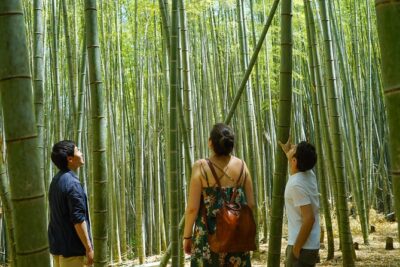
Fushimi Inari Hidden Hiking Tour (Private Option Available)
Read our review →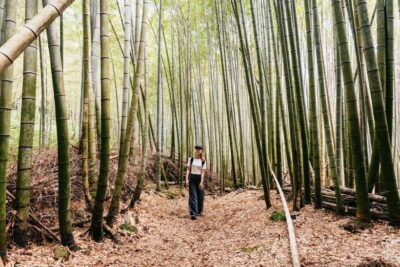
Kyoto: 3-Hour Fushimi Inari Shrine Hidden Hiking Tour
Read our review →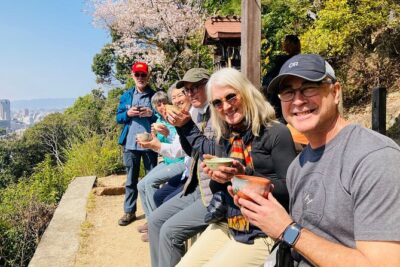
Hiroshima Local guided Hiking Tour&Open-air Tea Ceremony
Read our review →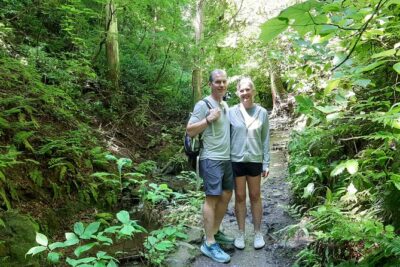
Full Day Hiking Tour at Mt.Takao including Hot Spring
Read our review →
Hike Japan Heritage Hakone Hachiri with certified mountain guide
Read our review →
1-Day Tour from Nagoya: Hiking the Historic Nakasendo Trail
Read our review →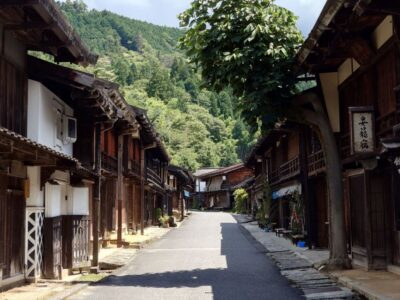
From Matsumoto/Nagano: Nakasendo Trail Walking Tour
Read our review →
Explore Kiso Valley : Magome – Tsumago Mountain Trail Walk
Read our review →Browse the lists this tour appears in