
REVIEW · ITALY
Rome: Hike along the ancient Appian Way
The original Appian Way gives you a rare way to meet ancient Rome: on foot, away from the crowds and traffic of the historic center. This 17-kilometer hike runs from S. Maria delle Mole through Roman countryside and old ruins to Circus Maximus, with a professional guide leading the way.
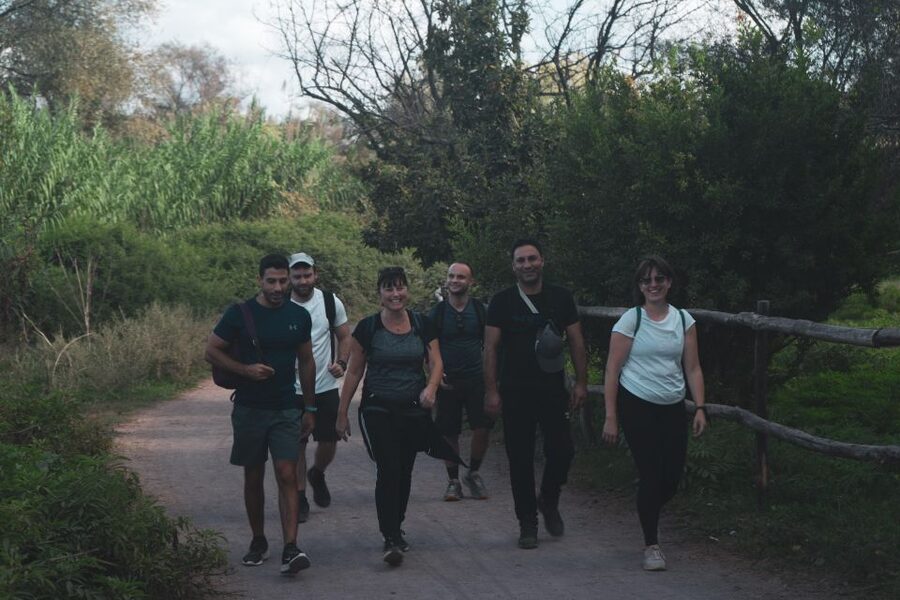
I like the direct contact with history, since you walk on the ancient road rather than simply viewing it behind a barrier. I also like the small group, limited to 10 people, and the thoughtful guiding style praised by guests who walked with Salvatore, including stories, poems, humor, and useful help with Rome.
The catch is simple: this is a difficult, five-and-a-half-hour walk, not a casual sightseeing stroll. The route is mostly flat, but uneven ground and the full 17 kilometers demand sturdy shoes, decent fitness, and a willingness to walk in rain or shine.
Key points to know before you book
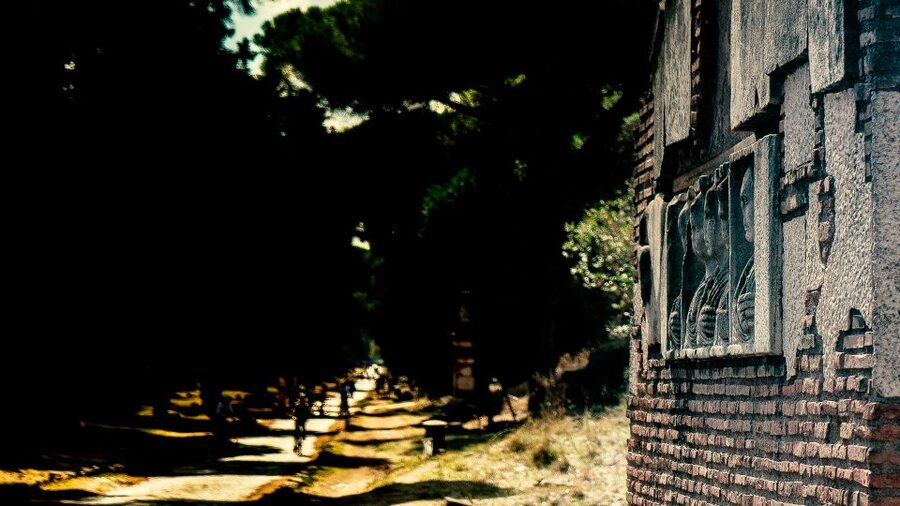
- Walk the original Appian Way: You follow one of Rome’s most famous ancient roads rather than seeing it only from a tour bus.
- Start outside central Rome: Meet at S. Maria delle Mole train station, a little over 20 minutes from Termini by train.
- Finish beside the metro: The hike ends at Circus Maximus, making the return to central Rome straightforward.
- Expect a real physical challenge: The route covers about 17 kilometers with 160 meters of uphill walking and uneven ground.
- Small-group guiding: The group is limited to 10, and Salvatore is one guide noted for warm stories, poems, and practical Rome advice.
- Bring hiking shoes: Sandals and flip flops are not allowed, and the outing runs in all weather.
Why the Appian Way is worth walking
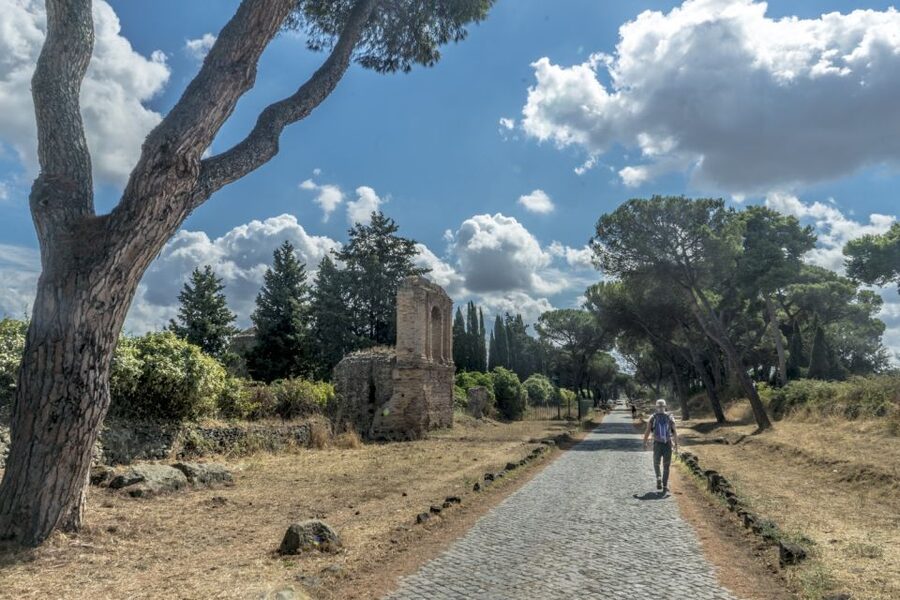
The Appian Way was built to move Roman troops and supplies, but today it offers something different: time and space. Rome’s center can feel packed with monuments, tour groups, scooters, and traffic. Along this route, you get long stretches where the road, fields, trees, ruins, and sky share the attention.
You are not just walking toward an attraction. The road itself is the attraction. Ancient paving stones under your feet make the past feel physical in a way that a museum label cannot quite match.
The route also gives you a side of Rome that many first-time visitors miss. Instead of staying among the Colosseum, Trevi Fountain, and Pantheon, you move through the countryside that once formed the outer edge of the Roman world. You can expect villas, old remains, plants, birds, and other signs of rural life along the way.
That combination is the tour’s main strength. You receive history from a guide, but you also get quiet, open space and a long walk that lets the setting unfold slowly.
A few more hikes around Italy worth a look
- Cinque Terre Day Trip with Optional Hiking or Pisa
★ 5.0 · 8,486 reviews - Florence: Cinque Terre Day Trip with Optional Hiking or Pisa
★ 4.9 · 4,848 reviews - Mount Etna: Summit Guided Hiking Tour up to 3,400 m
★ 4.8 · 4,792 reviews
Getting from Termini to S. Maria delle Mole
The meeting point is S. Maria delle Mole train station, a very small station with a single platform. The easiest connection begins at Termini Central Station and takes a little over 20 minutes.
This part requires more care than a typical central Rome meeting point. The platform is short, so use one of the front train doors when you get ready to leave. Meet directly on the platform, under the blue sign facing the main road that reads S. Maria delle Mole in white letters.
You should arrive 15 minutes before departure. Buy your train ticket in advance and validate it before boarding. Travel costs are not included in the tour price, so allow for that extra expense when planning your day.
The out-of-town start is a minor hassle, but it serves a purpose. You begin in a quieter setting and walk toward the heart of Rome, rather than spending the first part of the tour in city traffic. The one-way design also means you do not retrace your steps.
Starting the walk on Rome’s ancient road
Once the group meets, the hike heads toward Circus Maximus along the Appian Way. The guide sets the pace and explains what you are seeing as the route moves through countryside, old villas, and Roman remains.
The road is famous for good reason. It was one of the major arteries of the Roman Empire, and its survival gives you a direct link to ancient engineering and travel. You can think of it as a long, open-air historical site rather than one single monument.
The path is mostly flat, but flat does not mean easy. The total distance is about 17 kilometers, and the uneven surface makes the walk more demanding than the elevation gain of 160 meters might suggest. Old stone and rough ground require steady footing, especially if weather makes the surface slippery.
I would not book this as a break from walking. You will be on your feet for hours, with only the natural rhythm of the route to break up the distance. If you enjoy long walks, the physical effort is part of the pleasure. If you prefer short stops and frequent transport, choose a different Appian Way visit.
Roman countryside, villas, plants, and wildlife
The best surprise here may be the setting between the ruins. The Appian Way is not presented as a sealed archaeological park with every moment controlled by ropes and signs. You walk through a living rural area where nature shares the route with ancient stone.
You can expect to see countryside, villas, and local flora and fauna. The exact sights vary with the season and conditions, but the appeal is consistent: the route gives you room to notice details that are easy to miss from a vehicle.
This is also where the tour suits people who want quiet. The walk lets you trade the city’s noise for a slower pace, with the guide’s stories filling in the historical meaning without turning every moment into a formal lecture.
Do not expect a polished walking surface throughout. Uneven terrain is part of the experience, not a flaw to be fixed. Wear shoes with good support and grip, and avoid sandals or flip flops entirely.
Same trailhead, a different sort of day:
- Etna Volcano: South Side Guided Summit Hike
★ 4.7 · 1,545 reviews - Catania: Mount Etna Adventurous Hiking Tour with Equipment
★ 4.7 · 784 reviews - From Sorrento: Path of the Gods Guided Hike with Transfers
★ 4.8 · 530 reviews - From Taormina: Etna Tour with Hiking, Cave Visit, & Tastings
★ 4.7 · 518 reviews
Guiding that brings the road to life
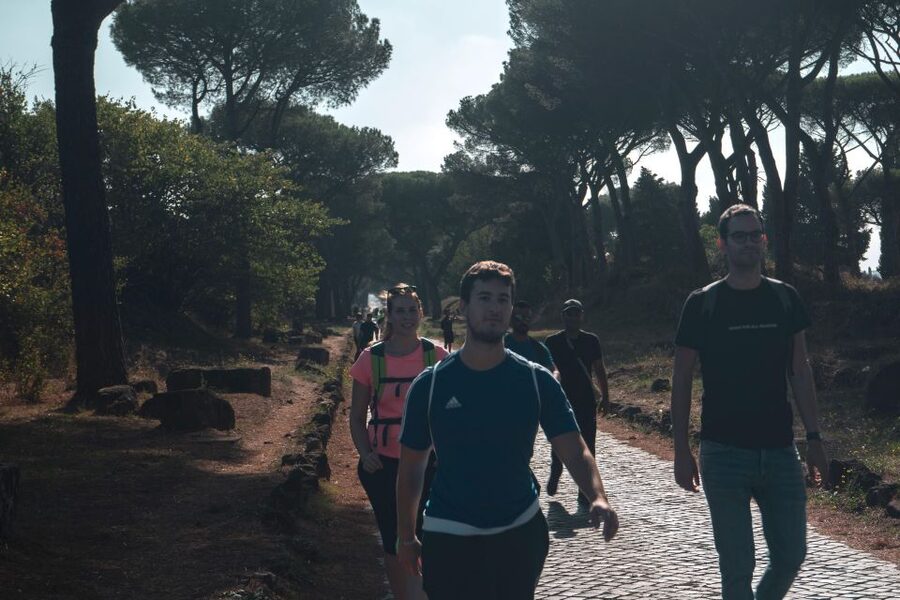
A long historical walk depends heavily on the guide. Five hours on ancient stones can feel flat if you receive only dates and names. The strongest feedback about this experience focuses on the personal quality of the guiding, especially Salvatore’s humor, stories, poems, and practical advice.
That detail matters. A guide who can connect Roman history to the road beneath your feet gives the walk shape. Anecdotes help you stay engaged during the longer stretches between major remains, while poems and lighter moments keep the experience from becoming a march through a textbook.
Salvatore has also helped with the practical side of the day, including meeting participants at Termini and guiding them back toward the metro after the hike. That extra care is not listed as a guaranteed part of every departure, so you should still follow the stated meeting instructions and plan your train connection. But it suggests a guide who pays attention to the whole outing, not only the historical commentary.
The experience is offered in English and German. Since the group is limited to 10 people, you should have a better chance to hear the guide and ask questions than on a large bus tour.
Arriving at Circus Maximus after 17 kilometers
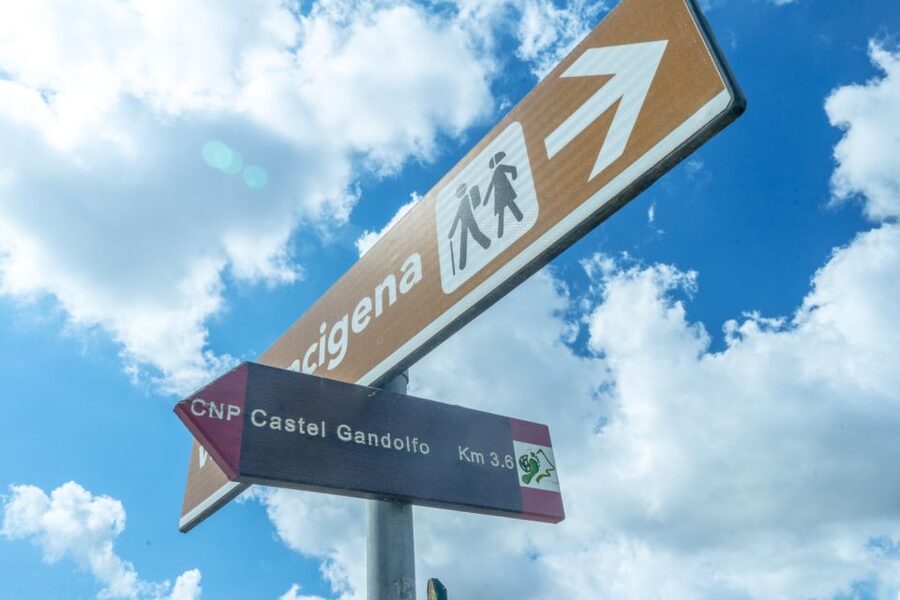
The route ends at Circus Maximus, beside a subway station. That finish is practical and satisfying. You begin outside the city and arrive at one of Rome’s central ancient sites, having crossed from rural Lazio into the urban core.
Circus Maximus was once a huge venue for public events, and its broad open space makes a fitting endpoint after a long road walk. The tour does not include entrance to attractions, so you should treat the finish as the end point and transport connection, not as an included indoor visit.
You may feel tired by the time you reach the metro. That is not a problem if you plan for it, but it does affect the rest of your day. I would avoid scheduling a formal dinner reservation or another demanding tour immediately afterward.
The one-way route is still a major advantage. You finish where you can continue exploring Rome by subway rather than facing a second long walk back to the starting station.
What the $99 price buys you
At $99 per person, this is not the cheapest way to see the Appian Way. The value depends on what you want from the day.
You are paying for a five-and-a-half-hour guided hike, a small group capped at 10, and access to a route that is awkward to experience independently in one direction. The guide also provides the historical context that turns a long walk into a cultural experience.
Transport to and from the route, food, drinks, and attraction admission are extra. That means the real cost is higher than the headline price once you add the train fare and anything you want to eat or drink.
Still, the price can make sense if you value personal guiding and a full day outdoors. A self-guided visit may cost less, but it would require more planning, route knowledge, and effort to connect S. Maria delle Mole with central Rome. You would also miss the live storytelling and the benefit of a guide choosing alternatives if weather or an obstacle affects the route.
I see this as a specialist experience rather than a general Rome sightseeing bargain. It offers strong value for hikers who want history, nature, and a small group. It offers weaker value for someone mainly looking for quick access to famous monuments.
Weather, timing, and the physical demands
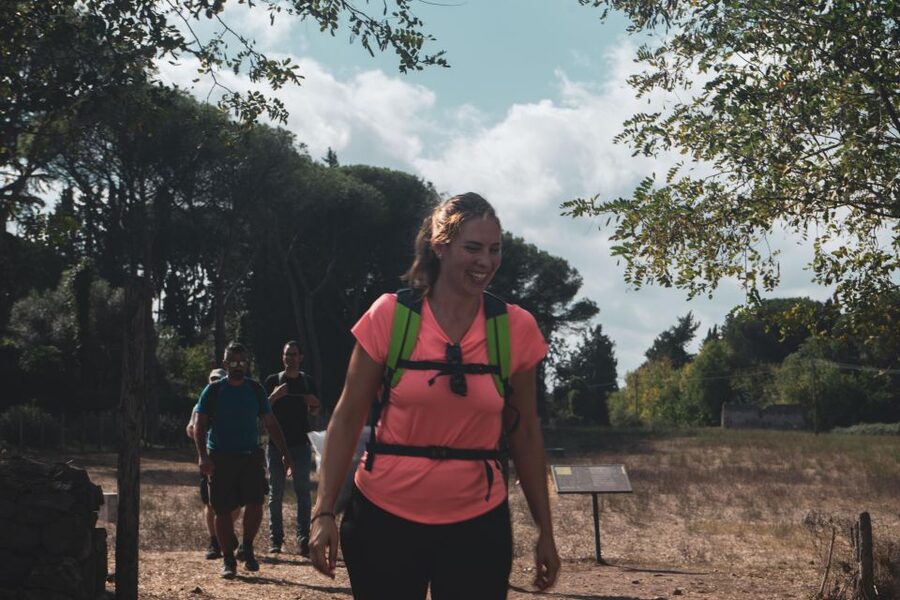
The hike takes place rain or shine. That policy makes preparation important. Check the forecast, but do not assume light rain will cancel the walk.
The guide can alter the route or shorten or extend the experience because of weather, fallen trees, or other safety concerns. The final duration and exact path may therefore vary. This flexibility is sensible on a rural route, but you should not book if you need a perfectly fixed schedule.
The official difficulty is difficult. The route is mostly flat and gains about 160 meters, but the 17-kilometer distance and uneven terrain are the real tests. You should be comfortable walking for several hours before booking.
Wear hiking shoes. The footwear rule is firm: sandals and flip flops are not allowed. Bring water and food for yourself, since neither is included, and make sure your clothing can handle changing conditions.
The walk may suit a fit teenager or adult who enjoys an active day, but the provided information does not establish a minimum age or a specific accessibility arrangement. If you have mobility concerns, ask the provider before booking rather than assuming that mostly flat terrain means an easy route.
Who should choose this Appian Way hike
I would choose this experience if you want to:
- Spend a substantial part of your Rome visit outdoors
- Walk on an ancient road instead of viewing it from a vehicle
- Combine Roman history with countryside and wildlife
- Hear stories and local advice from a live guide
- Travel in a group small enough for personal attention
- Finish near a central metro station without retracing the route
I would look elsewhere if you want a relaxed stroll, frequent indoor stops, guaranteed dry weather, or a short introduction to the Appian Way. The distance is too long for a casual outing, and the route conditions are too rough for dress shoes or open footwear.
This also works best when you have already seen some of Rome’s major central monuments, or when you want to balance them with a quieter day. The Appian Way gives you a different sense of the city’s scale and its connection to the countryside.
Practical planning for the day
Plan extra time before the meeting point. The train from Termini takes a little over 20 minutes, but you need time to find the correct platform, validate your ticket, and make sure you exit at the short S. Maria delle Mole platform.
Bring your own food and drinks because they are not included. The information does not specify scheduled meal stops, so you should not count on a restaurant or café during the hike.
The tour operates in English and German, with a professional guide. Check the departure time when booking, since starting times can vary.
The experience allows free cancellation up to 24 hours before departure for a full refund, and you can reserve now and pay later. Those terms help if your Rome plans are still shifting, especially since weather may affect your willingness to complete a long outdoor walk.
Should you book it?
Book this hike if the idea of walking 17 kilometers on an ancient Roman road sounds exciting rather than intimidating. The mix of original paving, rural scenery, ruins, plants, wildlife, and personal stories offers a side of Rome that a standard monument tour cannot provide.
The strongest reason to go is the combination of an authentic route and an engaging guide. The strongest reason to hesitate is the physical demand. For a fit walker with proper shoes, $99 can be fair value for a small-group, half-day experience that handles the route and supplies the historical context. For anyone seeking an easy outing, it is simply too long and too rough.
FAQ
Where does the Appian Way hike begin?
The hike begins at S. Maria delle Mole train station, on the single platform under the blue sign facing the main road.
How do I reach S. Maria delle Mole?
Take a train from Termini Central Station. The journey takes a little over 20 minutes. Validate your train ticket before boarding, and use one of the front train doors because the station platform is very short.
Where does the hike finish?
The walk finishes at Circus Maximus, right beside a subway station.
How long is the hike?
The hike lasts about five and a half hours and covers approximately 17 kilometers. The final duration can change because of weather, obstacles, or safety concerns.
How difficult is the route?
The route is rated difficult. It is mostly flat, includes about 160 meters of elevation gain, and has uneven terrain.
What should I bring?
You should bring hiking shoes, food, and drinks. Hiking shoes are required, and sandals or flip flops are not allowed.
Does the tour run in bad weather?
Yes. The hike takes place rain or shine, although the guide may change, shorten, or extend the route for weather, fallen trees, or other safety reasons.
Just added around Italy
- Hiking Florence Tuscany hills with lunch & wine★ 5.0 · 22 reviews
- Day trip to Cinque Terre by Deluxe minivan & Hiking★ 5.0 · 6 reviews
- Fiesole Hike & Italian Aperitivo★ 5.0 · 6 reviews
- Hiking Tuscany & Chianti Wine – 3 Organic Wineries with lunch★ 5.0 · 27 reviews
- Hike & Wine Tour★ 5.0 · 9 reviews
- Private Guided Hiking Cinque Terre Day From Florence★ 5.0 · 7 reviews
- Dolomites of Cortina Winter Hiking & Sledding Experience★ 5.0 · 6 reviews
- Snowshoe hike to the Cinque Torri★ 5.0 · 2 reviews
Italy Hiking Tours, compared.
Cinque Terre Day Trip with Optional Hiking or Pisa
Read our review →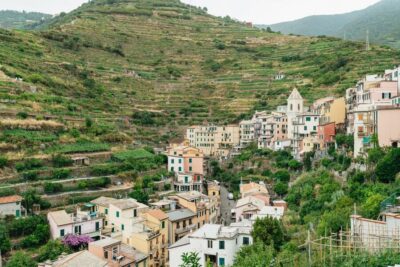
Florence: Cinque Terre Day Trip with Optional Hiking or Pisa
Read our review →
Mount Etna: Summit Guided Hiking Tour up to 3,400 m
Read our review →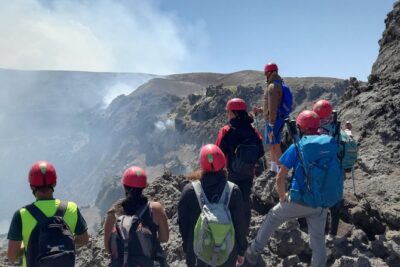
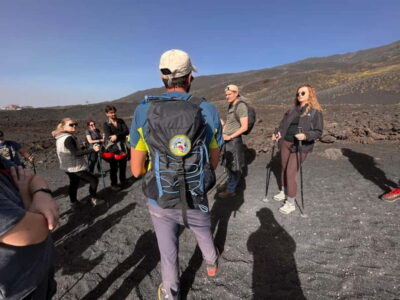
Catania: Mount Etna Adventurous Hiking Tour with Equipment
Read our review →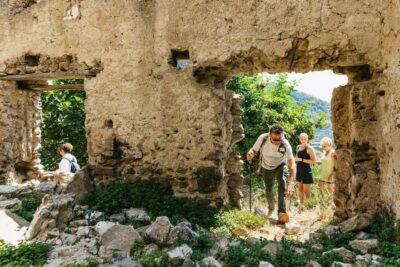
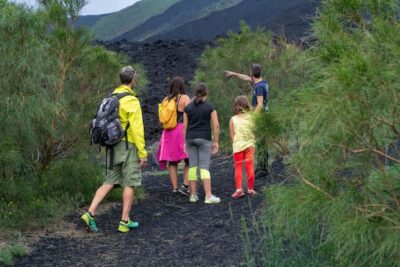
From Taormina: Etna Tour with Hiking, Cave Visit, & Tastings
Read our review →
Catania: Etna Nature Tour with Hiking, Cave Visit, & Tasting
Read our review →Browse the lists this tour appears in