
REVIEW · CAPE VERDE
Ribeira Grande: Hiking Day Trip to Ribeira de Torre
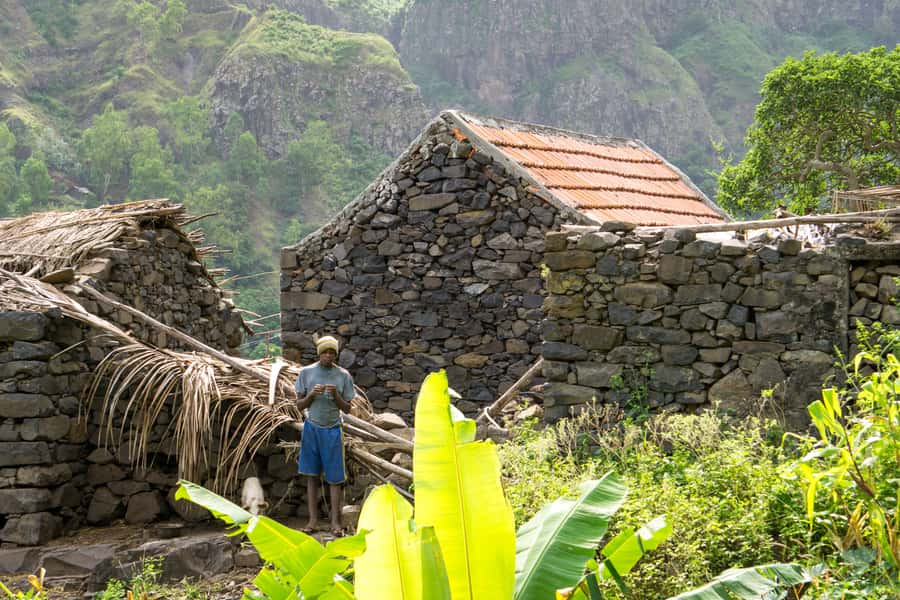
Santo Antão saves some of its best scenery for the footpath, and this hike takes you straight into the Ribeira de Torre valley. You’ll pass terraced farms, small mountain homes, villages such as Rabo Curto and Chu Chu, and a waterfall with a natural pool nearby. The rural setting feels real, not staged for sightseeing.
I like the mix of walking and local life. You see how crops shape the valley, then finish near banana and coffee plantations before visiting a grogue distillery. I also like the guide-led format, especially if you want help understanding the plants, villages, and scenery. João received particular praise for his conversation with local people and his handling of the scenery and route.
The main consideration is the terrain. This is a four-hour mountain hike with steep slopes and exposed sections, so it is not suitable for children under 12, wheelchair users, people with mobility impairments, or anyone afraid of heights. Bring water and proper hiking shoes, since food and drinks are not included.
Key points to know before booking
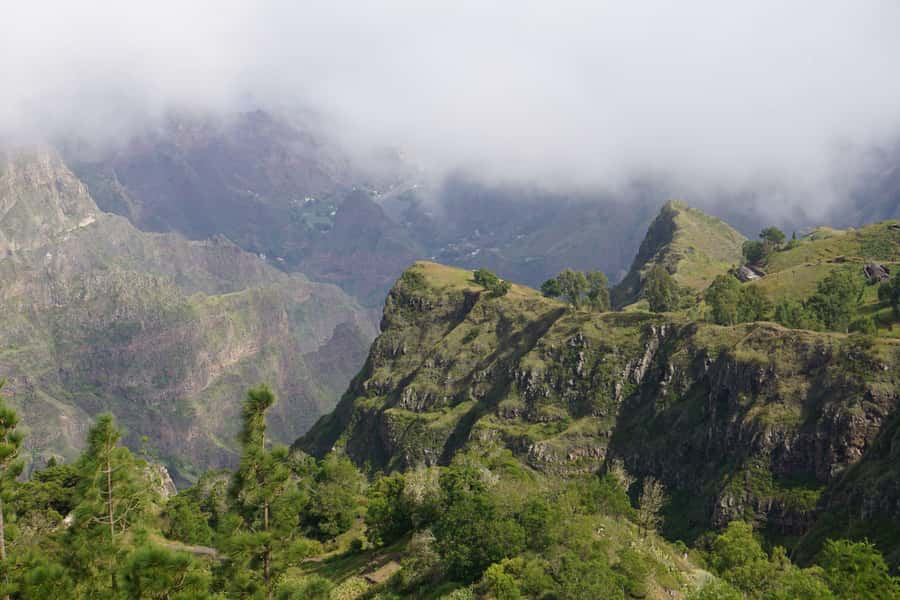
- Start high at Faja da Cima: The trailhead sits at 1,480 meters, giving you a mountain start before the route works toward the valley.
- Walk through working farmland: Expect agricultural terraces, sugar cane, fruit trees, banana plants, and coffee plantations.
- Stop in Chu Chu village: The village, also called Xoxo, offers broad views over the Ribeira Grande valley.
- Swim by a waterfall: A natural pool provides an optional cool-down, though swimming depends on your comfort and conditions.
- Finish with local grogue: The route ends with a visit to a rum distillery, with production season running from January 1 to May 31.
- Small groups make sense here: Private and small-group options allow more room for questions and a steadier walking pace.
Starting above Ribeira Grande at 1,480 meters
Your day begins with pickup at your accommodation in Ribeira Grande. Be ready in the hotel lobby 10 minutes before the scheduled time. The drive takes you to Faja da Cima, where the hike starts at about 1,480 meters above sea level.
That high starting point matters. Instead of spending the whole day climbing from town, you begin among the upper slopes and then work through mountain terrain toward the Ribeira de Torre valley. You get a changing view as the route moves between hills, cultivated terraces, villages, and lower plantations.
The six-hour schedule includes transport and a four-hour nature hike. That leaves time for the waterfall stop, the village views, the natural pool, and the distillery visit without turning the day into a rushed march. Still, you should treat this as an active outing, not a casual walk with a few photo stops.
The route includes slopes and hills, and the warning about heights is important. If narrow or exposed mountain paths make you uneasy, this may not be your best Santo Antão excursion. Ask yourself if you are comfortable walking uphill and across uneven rural terrain for several hours.
A few more hikes around Cape Verde worth a look
- Cinque Terre Day Trip with Optional Hiking or Pisa
★ 5.0 · 8,486 reviews - Florence: Cinque Terre Day Trip with Optional Hiking or Pisa
★ 4.9 · 4,848 reviews - From Tirana: Bovilla Lake & Gamti Mountain Hiking Day Trip
★ 4.9 · 4,397 reviews
From Rabo Curto to Lombo de Pedra
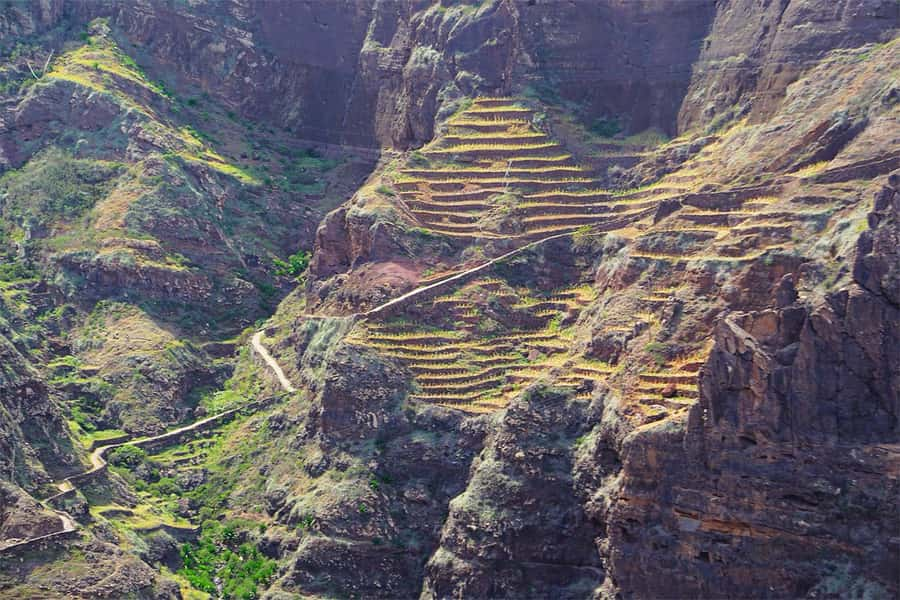
From Faja da Cima, you walk up the slopes toward Rabo Curto through natural vegetation. The route then passes cultivated agricultural terraces and small houses on the way to Lombo de Pedra.
This section gives you the clearest look at how people use the steep land. Terraces break the slopes into workable patches, while homes sit close to the fields. You are not simply looking at mountains from a road. You are moving through an area shaped by farming and village life.
I like this part because it gives the scenery a human scale. A wide valley view can be beautiful, but the small details matter too: the terraces, the homes, and the crops growing on slopes that look difficult to farm. Your guide can explain local plants, farming, and the countryside in English, French, Portuguese, or Spanish.
The route is also a good test of your footwear. Comfortable clothes and hiking shoes are listed as essentials for a reason. Sandals or smooth-soled shoes would make a mountain walk less comfortable and less secure, especially on sloping ground.
Crossing the hills into Ribeira de Torre
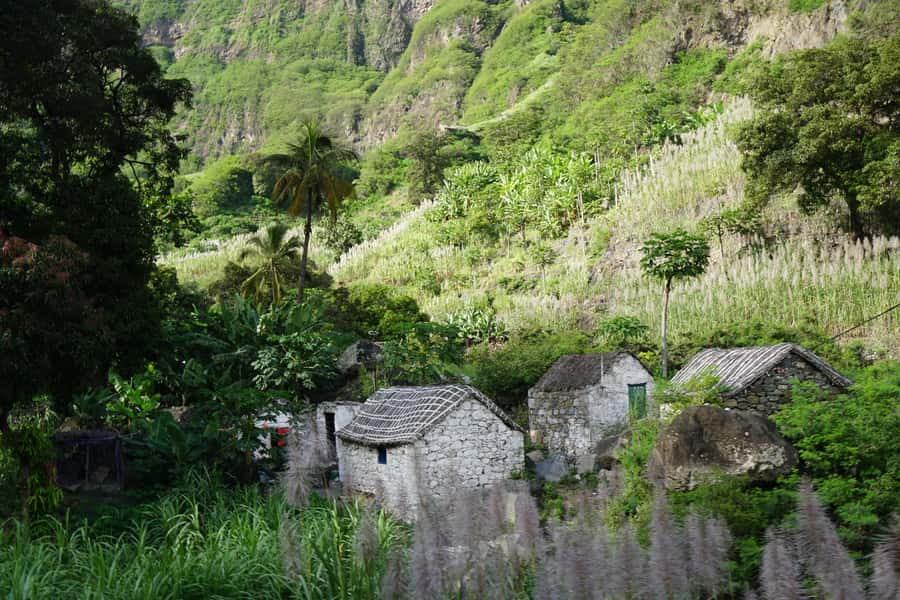
After Lombo de Pedra, the path crosses hills toward the Ribeira de Torre valley. This is where the scenery opens up, with views of mountains, deep valleys, and unusual rock formations.
The route does not give you just one fixed viewpoint. As you walk, the angle changes, and the terraces and houses appear in layers across the slopes. Keep your camera ready, but do not spend the whole walk looking through a screen. The route’s appeal comes from seeing the valley unfold as you move through it.
This is also the part where your guide adds real value. A guide can point out crops and explain what you are seeing, rather than leaving you with a string of attractive but unnamed views. One of the strongest comments about the experience praised the amount of information about the country, local plants, and wildlife. You should ask questions as you walk, since the guide is there to explain the setting rather than simply lead from the front.
The private or small-group format is useful here. Mountain paths are easier to enjoy when you do not feel pressed by a large crowd, and a smaller group usually makes it simpler to stop for photographs or ask about a plant, house, or farming area.
Chu Chu village and the valley view
The walk reaches Chu Chu, also known as Xoxo village. From here, you can look across the Ribeira Grande valley and take in the full scale of the surrounding mountains.
Chu Chu is not presented as a formal attraction with displays or staged entertainment. Its value is its setting and its place along the walking route. You pass through a rural village and get a closer sense of daily life in the valley. The experience can include contact with local people, something that was specifically praised alongside the guide João.
Keep your expectations practical. This is a hiking day trip, not a village tour with a long scheduled visit inside homes or community buildings. You will see village life as part of the walk. That is exactly what makes the stop feel natural, but it also means the experience depends on your interest in observing and asking questions.
The valley views are likely to be one of the day’s strongest photo opportunities. You can frame the small houses, layered fields, steep slopes, and rock formations together. A hat and sunscreen are wise, since the hike takes place outdoors and the itinerary does not include food or drinks.
Same trailhead, a different sort of day:
- Fogo Island: Pico do Fogo Volcano Summit Hike
★ 4.6 · 92 reviews - Serra Malagueta: Principal Valley Hike & Lunch with Locals
★ 4.7 · 64 reviews - Praia: Baobab Mysterious Tree, Green Valley & Old City Hike
★ 4.8 · 53 reviews - Santiago: Monte Tchota Natural Park to Pico d’Antónia Hike
★ 4.8 · 43 reviews
Waterfall views and an optional natural pool
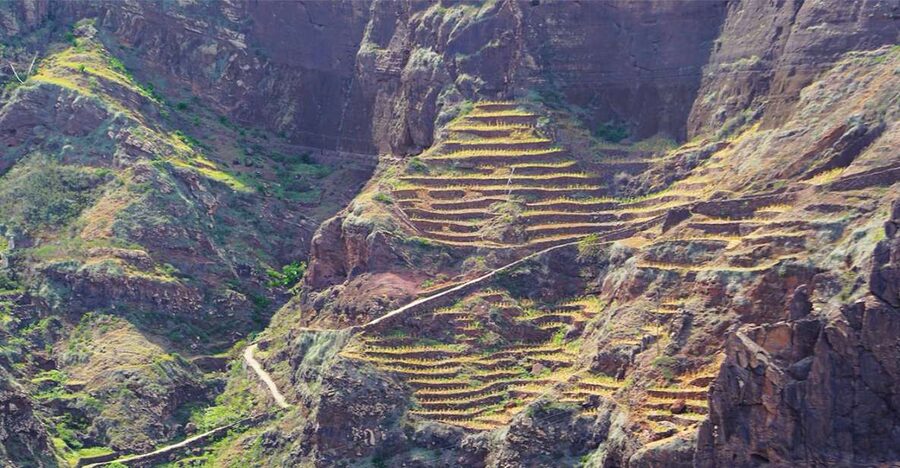
Near Chu Chu, the route passes close to a mountain waterfall. A natural swimming pool gives you the option of taking a refreshing dip before continuing.
This stop adds a welcome change of pace. After several hours on mountain paths, you can pause beside moving water and cool off if you wish. The swim is optional, so you are not required to enter the pool. If you prefer to stay dry, you can use the stop to rest and enjoy the waterfall.
The available information does not promise a particular water temperature, pool depth, or changing facility, so pack with a simple outdoor stop in mind. You should bring water, but food and drinks are not included. Comfortable clothes that suit both hiking and a possible swim will make the day easier.
The waterfall and pool are also subject to the feel of the day. Water conditions can vary, and you should follow your guide’s advice before entering. The important point is that this is a natural setting, not a managed aquatic attraction with guaranteed facilities.
Banana and coffee plantations on the way down
The route continues downhill, with banana and coffee plantations along the way. You also see sugar cane and fruit trees during the walk.
These crops help you understand why the valley is so carefully cultivated. The scenery is attractive, but the farms are not just decoration. They are part of the local economy and the daily work of the communities you pass.
The descent gives you a different view from the earlier climb. You may notice how the vegetation changes as the route moves lower, and the valley’s terraces can look especially striking from the path. Downhill walking is not automatically easy, though. Uneven ground can be hard on knees and ankles, so hiking shoes remain important even after the uphill sections are behind you.
If you enjoy learning about plants, this is a strong part of the tour. The guide can connect the crops to the villages and explain what grows in the area. One verified comment specifically praised the information about local flora and fauna, so this is a good time to ask questions rather than simply walk past the plantations.
Ending with a visit to a grogue distillery
At the end of the route, you visit a local rum distillery known as grogue. Grogue is associated with sugar cane production, so the stop ties directly to the crops you have seen during the hike.
The distillery visit gives the day a clear local finish. Instead of returning to Ribeira Grande immediately after the walk, you get a look at a product made from the agricultural setting around you. The itinerary says you will learn about local rum, but it does not promise a tasting, so you should not book this solely for alcohol sampling.
Timing matters here. The rum production season runs from January 1 to May 31. If you visit during that period, the distillery may be operating in its main production season. Outside those dates, you can still visit the distillery as part of the route, but production activity may be limited or different.
After the distillery visit, you return to your accommodation in Ribeira Grande. Hotel pickup and drop-off are included, which is useful after a long walk and removes the need to arrange transport between town and the mountain trailhead.
What the $100 price buys you
At $100 per person, this is not the cheapest way to spend six hours in Santo Antão. The value comes from the amount packed into the day: round-trip pickup, a four-hour guided hike, a multilingual guide, the waterfall and natural pool stop, village walking, crop interpretation, and the grogue distillery visit.
You are also paying for access to a route that is more useful with local guidance. The mountains, terraces, and villages are easy to admire, but the guide helps connect them. If you want a simple independent walk, the price may feel high. If you want transport, route support, cultural context, and a structured day, the cost is easier to justify.
The guide language choice is another practical benefit. English, French, Portuguese, and Spanish are available. Private and small-group options are offered, so check which format and price apply to your booking. A private outing can be worthwhile if you want a slower pace or have specific questions about farming and local life.
Food and drinks are not included. Budget for your own water and any food you need before or after the walk. That detail affects the real cost, especially because the hike lasts about four hours.
Who should choose this hike
I would choose this outing if you want Santo Antão scenery with a strong rural and cultural angle. It suits people who enjoy walking through working countryside, taking photographs, asking questions, and accepting a little physical effort in exchange for better mountain views.
It also suits you if a standard sightseeing drive feels too limited. You spend time on foot among terraces, villages, and plantations rather than viewing everything through a vehicle window. The waterfall and pool add a pleasant break, while the distillery provides a local food and farming connection.
You should think twice if you dislike heights or have difficulty walking on mountain slopes. Children under 12 cannot join, and the tour is not suitable for wheelchair users or people with mobility impairments. The listed requirements are straightforward: hat, sunscreen, water, hiking shoes, and comfortable clothes.
The overall rating is 4.9 from four reviews, with especially strong praise for the guide’s interaction with local people and explanations of the country, plants, and wildlife. That is a small sample, so I would not treat the number alone as a guarantee. The useful pattern is clear, though: the human side of the walk is as important as the views.
Should you book the Ribeira de Torre hike?
Book it if you want a full mountain day that combines scenery, walking, village life, crops, a waterfall, and grogue. The strongest reason to go is the variety. You are not spending six hours on one repetitive trail.
Skip it if you want a gentle stroll, guaranteed swimming conditions, included meals, or a tour designed around easy access. The route has hills and possible height exposure, and the four-hour hike requires real stamina.
For an active visitor staying in Ribeira Grande, this is a well-rounded way to see the Ribeira de Torre valley. Bring water, wear serious shoes, ask questions, and consider going during the January through May grogue production season if the distillery is a major reason for your booking.
FAQ
How long does the Ribeira de Torre day trip last?
The full experience lasts six hours, including transport, the guided hike, stops, and the return to your accommodation in Ribeira Grande.
How long is the hike?
The included nature hike lasts about four hours.
Where does the hike begin?
The hike begins in Faja da Cima, at an altitude of about 1,480 meters.
Is hotel pickup included?
Yes. Pickup and drop-off at your accommodation in Ribeira Grande are included. You should wait in the hotel lobby 10 minutes before the scheduled pickup time.
Which languages can the guide speak?
Guides are available in English, French, Portuguese, and Spanish.
Can I swim during the tour?
Yes, you have the option to swim in a natural pool near the waterfall.
Is food included?
No. Food and drinks are not included, so bring water and arrange any food you need.
Is the tour suitable for children?
No. The tour is not suitable for children under 12.
When is the grogue production season?
The rum production season runs from January 1 through May 31.
Just added around Cape Verde
- Fogo Island: Spectacular Vulcano HIking Experience(2829 m)★ 4.5 · 7 reviews
- Tarrafal: From Praia:Hike in Serra Malagueta Natural Park★ 4.2 · 6 reviews
- Santo Antão: Ponta do Sol & Fontainhas Guided Trip with Hike★ 4.8 · 9 reviews
- Santo Antão: Hiking Cova Volcano Crater to Ribeira Paúl★ 4.5 · 31 reviews
- Santa Maria: Guided Coastal Hike & Monte Leão Sunset★ 4.5 · 37 reviews
- Private Hike through mountains and distant rural villages★ 5.0 · 8 reviews
- Paúl hike, the green garden★ 4.5 · 4 reviews
- Hike Volcano Viana★ 5.0 · 3 reviews
Cape Verde Hiking Tours, compared.
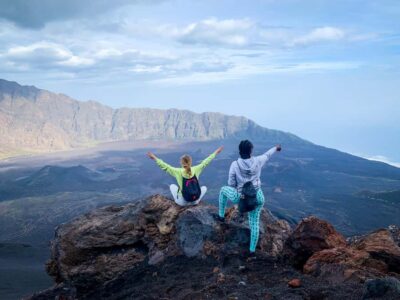

Serra Malagueta: Principal Valley Hike & Lunch with Locals
Read our review →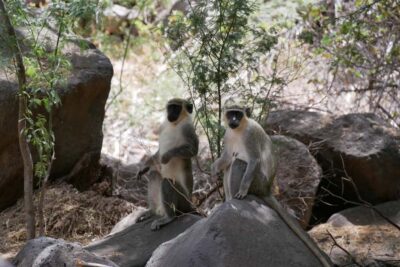
Praia: Baobab Mysterious Tree, Green Valley & Old City Hike
Read our review →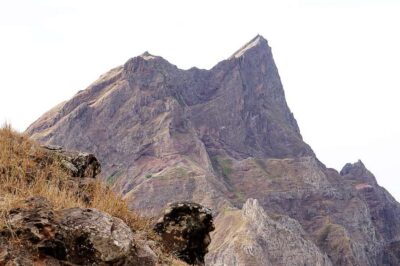
Santiago: Monte Tchota Natural Park to Pico d’Antónia Hike
Read our review →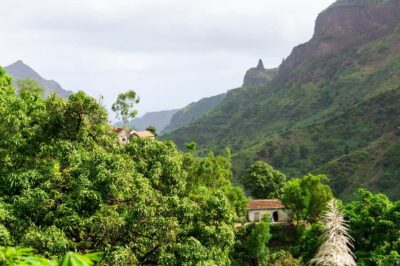
From Tarrafal: Serra to Principal Hike & Lunch with locals
Read our review →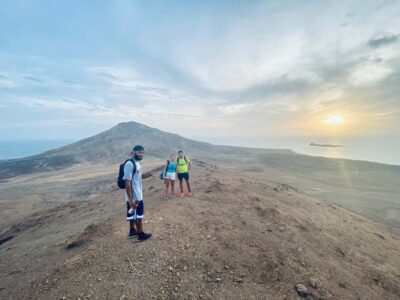
Santa Maria: Guided Coastal Hike & Monte Leão Sunset
Read our review →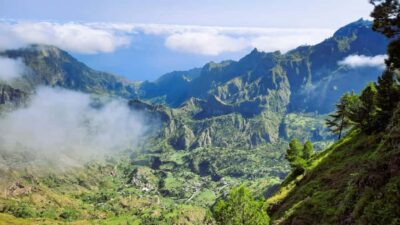
Santo Antão: Hiking Cova Volcano Crater to Ribeira Paúl
Read our review →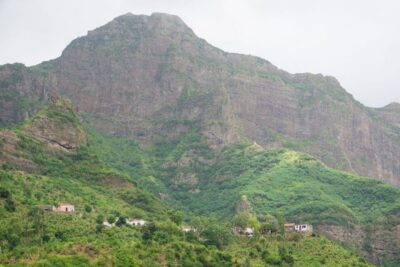
Serra Malagueta Natural Park: Hike to Gongon Valley & Lunch
Read our review →Browse the lists this tour appears in