
REVIEW · USA
Kīlauea hike and lava gazing with Native Hawaiian
Kīlauea is more than a volcano lookout. With Native Hawaiian guide Christian, you walk the southern cliffs of Halemaʻumaʻu from Puʻu Puaʻi while hearing about Pele, Hawaiian words, native plants, animals, history, and the spiritual meaning tied to this place. The volcano is the star, but the real lesson is how life and culture grow from cooled lava.
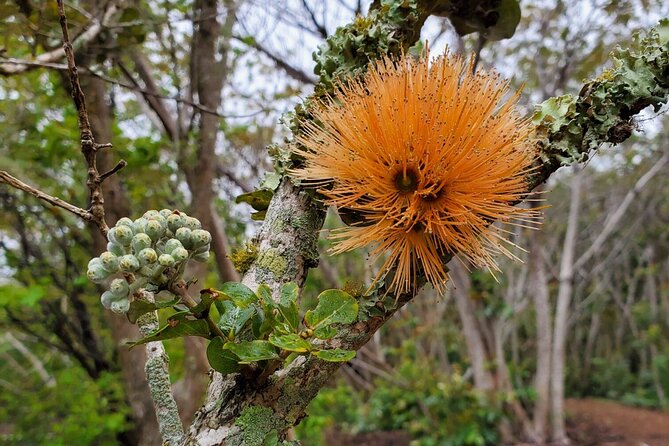
I like the personal storytelling, which turns a walk into a conversation about Hawaiian land and people. I also like the plant focus. Christian can identify native plants and connect them with Hawaiian stories, so you begin noticing small details instead of simply waiting for a dramatic volcanic view.
The main consideration is the price, $200 per person, plus NPS vehicle access. This makes the outing a better fit for someone who wants a serious cultural and nature experience, not just a quick stop to photograph Kīlauea.
Key points to know before you book
- Christian leads a Native Hawaiian cultural walk with Hawaiian language, history, plant knowledge, and spiritual traditions.
- The route follows the southern cliffs of Halemaʻumaʻu, beginning near the cliffs of Puʻu Puaʻi.
- Four hours gives the subject room to breathe, with time for questions, plant identification, and stories about Pele and Kamehameha.
- Lava gazing is part of the outing, but the volcano is an active natural force, so the quality of the view can depend on conditions.
- You need water, snacks, rain gear, and sturdy walking shoes for a weather-sensitive volcanic setting.
- The tour is aimed at ages 15 and up and is not suitable for people with altitude sickness.
Kīlauea is the setting, but Pele is the doorway

This experience takes place at Kīlauea, described as the home of Pele, the beloved Hawaiian fire goddess. That framing matters. You are not simply being shown a crater and handed a few geological facts. The volcano is presented as a living place with cultural meaning, spiritual weight, and a long relationship with the Hawaiian people.
The walk begins at a small grassy field backed by rainforest, just left of the trailhead. Look for the guide in bright colors. That meeting detail is simple but useful, since the starting point is not described as a large visitor facility or obvious transport hub.
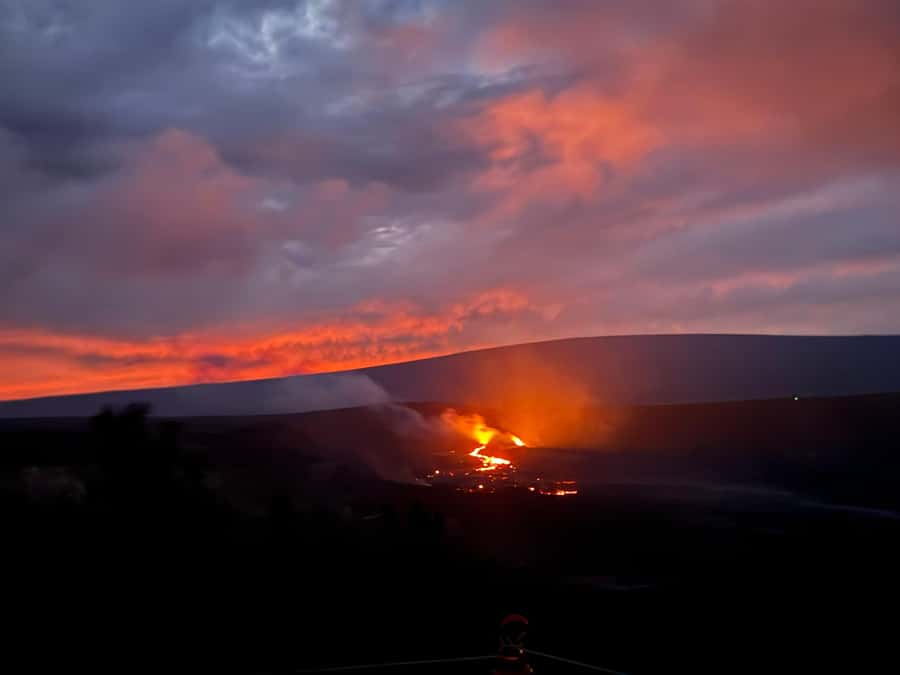
From there, the route heads toward the southern cliffs of Halemaʻumaʻu, starting from the cliffs of Puʻu Puaʻi. The exact view of lava will depend on conditions, but the purpose is clear: you are going to look toward one of the world’s most active volcanic areas while learning how Hawaiians understand the place.
I like this approach because it gives you two ways to read Kīlauea. You see the physical force of fire, rock, and cooled flows. You also hear how language, genealogy, myth, and respect shape a person’s relationship with the same ground.
More Volcano Hikes in the USA:
- Oahu: Diamond Head Crater Hike and North Shore Experience
★ 4.7 · 189 reviews - Hidden Craters Hike of Kona
★ 5.0 · 156 reviews - Kilauea: Volcanoes National Park Guided Hike
★ 4.8 · 61 reviews
Four hours to notice what a short stop misses
A four-hour duration is long enough to slow down. You are not rushing from one viewpoint to the next, and you are not limited to a quick explanation beside a parking area. Christian can stop to identify plants, explain an animal connection, or answer questions about Hawaiian culture and history.
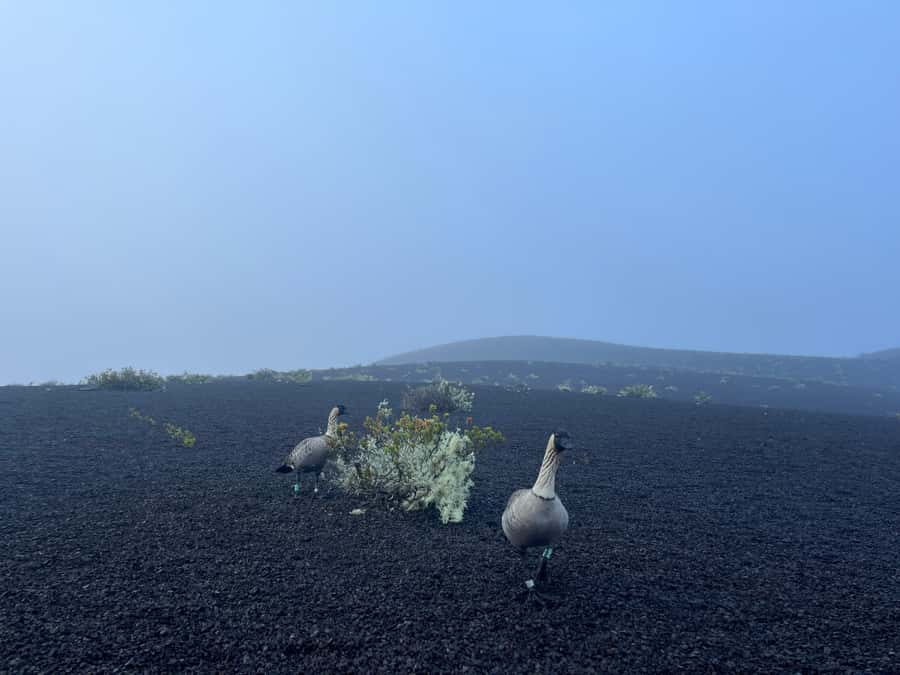
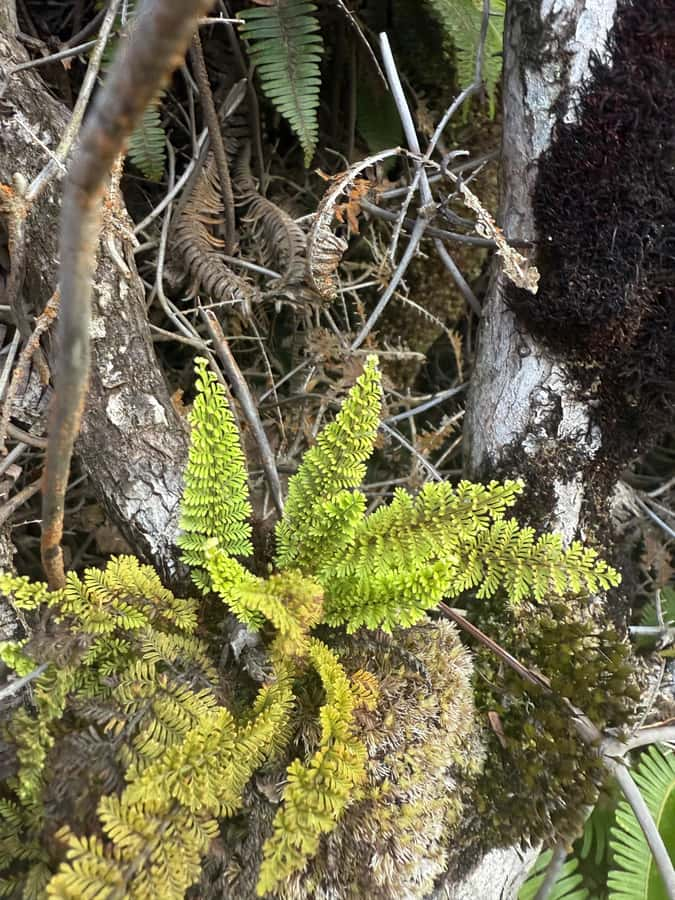
That extra time also suits the subject. A volcanic area may look stark at first, but life begins again on cooled lava. The walk focuses on that change, showing how Hawaiian ecosystems develop from darkness and newly hardened rock. You may find yourself paying attention to small plants and other signs of life that are easy to miss during a standard sightseeing stop.
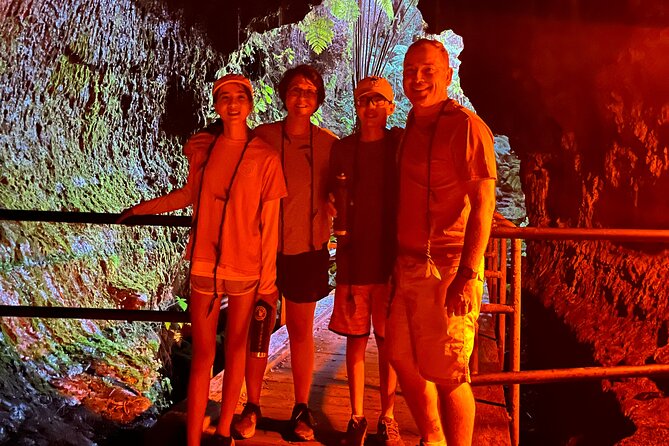
The experience can also be adjusted in spirit to the people in your group. One family found the plant identification engaging for children, though the activity itself is not suitable for children under 15. For older teenagers and adults, the format should work especially well if you like asking questions rather than simply following a guide from point to point.
At one point, the conversation may move from a plant to a story, then from a story to a larger question about Hawaiian identity. That is where this tour earns its time. The route is not only about distance covered. It is about how much attention you give the place.
Christian’s teaching style is the main attraction
Christian is described as a Native Hawaiian guide, and his role extends well beyond pointing out a crater. He speaks about Hawaiian language, history, culture, endemic plants, endemic animals, and spirituality. He also brings an encyclopedic range of information while keeping the experience personal and interactive.
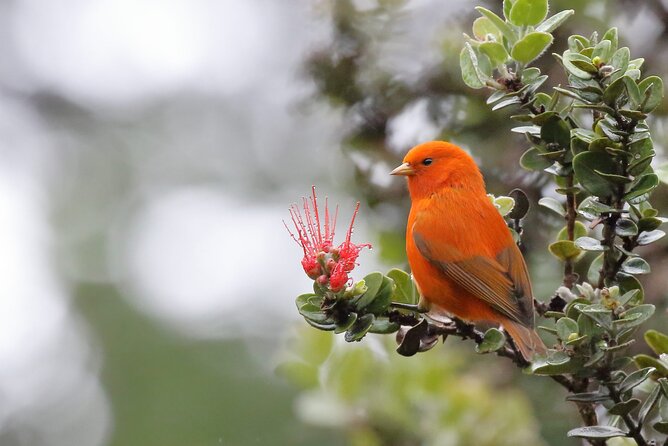
That combination is important. A guide can list facts about a plant without explaining why it matters. Here, plant identification is linked with Hawaiian myths and cultural meaning. One account specifically highlights Christian’s ability to identify plants and explain the stories connected with them.
You will also hear history recited along the route. Kamehameha receives particular attention, enough that the story can remain with you after the walk. The history is not treated as a detached classroom lesson. It is tied to the land around you and to the people who shaped Hawaiʻi.
English is the stated tour language, with Hawaiian language included in the cultural experience. If you want a quick orientation with only basic facts, Christian’s level of detail may be more than you need. If you care about Hawaiian history and culture, that depth is the reason to book.
Several people who spent time with him found the experience easy to discuss and personally tailored. You should expect conversation, not a fixed speech delivered without pause. The more curious you are, the more you are likely to get from the four-hour format.
The route connects rainforest, lava, and new life

The meeting point sits beside rainforest, while the walk leads toward volcanic cliffs and cooled lava flows. That contrast gives the outing its visual shape. You begin with living greenery and move through a place where fire has altered the ground, then look for the first signs of life returning.
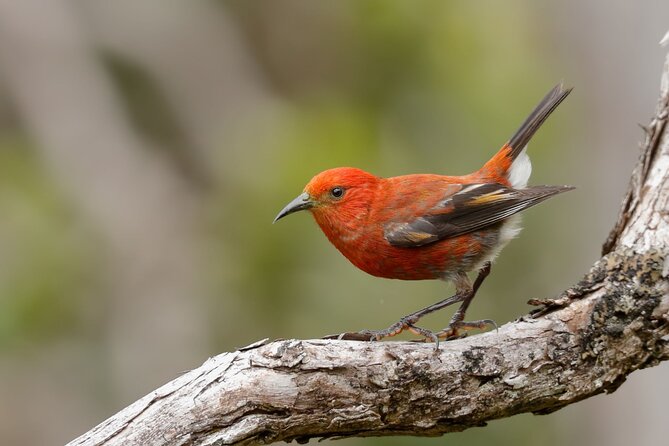
The guide’s attention to endemic plants and animals helps you read those changes. You might find that an ordinary-looking plant becomes the focus of a story or a lesson about Hawaiian ecology. You may also learn why endemic species are special to the islands and why leaving them undisturbed matters.
This is not a wildlife-feeding activity. Feeding animals is not allowed, and the instructions ask you to respect the natural and cultural importance of the area. Stay on designated trails. At a volcano, that is a safety rule as much as a conservation rule.
The route is best approached with patience. The dramatic view toward Halemaʻumaʻu may be the moment you came for, but the plants, cooled flows, and stories give the walk its substance. If you only want a guaranteed close look at flowing lava, this experience may not match your goal. It offers lava gazing within a broader cultural and ecological walk.
A few more hikes around the USA worth a look
- Lower Antelope Canyon Hiking Tour
★ 5.0 · 6,216 reviews - Boston Freedom Trail Walking Tour with Costumed Guide
★ 4.5 · 2,531 reviews - Multnomah Falls and Columbia River Gorge Half-Day Hiking Tour
★ 5.0 · 2,108 reviews - San Francisco: Yosemite National Park & Giant Sequoias Hike
★ 4.5 · 1,777 reviews
What lava gazing can and cannot promise
Kīlauea is called the most active volcano on the planet, and the activity is built around visiting the area around Halemaʻumaʻu. Still, volcanic conditions change. The provided details do not promise a particular amount of visible lava, a glowing lake, or a specific eruption display.
That is not a flaw so much as a fact of visiting an active volcano. You should book this for the full experience, not for a single photograph. The guide’s explanation of Pele, volcanic ground, and life after lava remains worthwhile even if the view is less dramatic than expected.
The southern cliffs of Halemaʻumaʻu provide the setting for lava gazing, while Puʻu Puaʻi marks the beginning of the route. You will want to bring a camera if you like landscape photography, but give yourself time to listen. The cultural explanation is not background noise before the main event. It is a central part of the activity.
Weather can also affect your experience. Rain, cloud, wind, and changing visibility are all reasons to check conditions before you go. Bring rain gear even if the morning looks clear.
Why the $200 price may be worthwhile

At $200 per person, this is not the budget way to see Kīlauea. The value depends on what you want from your time at the volcano.
You are paying for four hours with a Native Hawaiian guide, rather than a brief explanation at a viewpoint. You receive cultural interpretation, Hawaiian language, history, plant and animal knowledge, and a guided walk through a place that carries spiritual importance. If those subjects matter to you, the cost can make sense.
The price is harder to justify if you want only a scenic stop or a short introduction to the crater. You could also find the pace too detailed if you prefer to explore independently. This is a focused experience for people who want context and conversation.
Remember that NPS vehicle access is not included. That is an extra cost or arrangement to account for when planning your day. The meeting point is given as a grassy field just left of the trailhead, so check your transport plan carefully before arriving.
The payment terms add flexibility. You can reserve now and pay later, and cancellation is free up to 24 hours in advance for a full refund. Those policies are helpful when weather and volcano conditions may affect your plans.
Who will get the most from this hike
I would choose this tour if you want to understand Hawaiʻi as a place with living culture, not just as a scenic backdrop. It suits adults and older teenagers who enjoy history, nature, language, and personal storytelling.
It is particularly well matched to you if:
- You want a Native Hawaiian perspective on Kīlauea.
- You enjoy identifying plants and learning the stories tied to them.
- You prefer a longer, conversational walk to a quick viewpoint visit.
- You are interested in Pele, Kamehameha, Hawaiian history, and spirituality.
- You can handle four hours outdoors with water, snacks, and weather protection.
- You are willing to follow designated trails and treat the area with respect.
It is less suitable if you need a short, casual stop, dislike extended cultural discussion, or are seeking a guaranteed active-lava spectacle. The activity is also not suitable for children under 15 or people with altitude sickness.
The listing identifies the experience as wheelchair accessible. Since this is also described as a hike with comfortable hiking shoes recommended, confirm the exact access arrangements and trail conditions when booking if you use a wheelchair or have mobility concerns.
Practical preparation for a volcanic walk
Wear comfortable hiking shoes and clothing suited to changing weather. Bring plenty of water, snacks, and rain gear. The instructions specifically call for all of these, and you should not rely on a warm, dry forecast holding throughout the four hours.
Check weather conditions before leaving. Visibility and comfort can change quickly around volcanic terrain, and rain gear is useful even when the sky looks friendly at the meeting point.
Keep to designated trails and do not feed animals. Those rules protect both you and the place you have come to see. The area has natural and cultural importance, so listen closely when Christian explains why respectful behavior matters.
The meeting point is a small grassy field backed by rainforest, just left of the trailhead. Your guide will wear bright colors, which should make the first meeting easier. The guide language is English, with Hawaiian language used as part of the cultural presentation.
Should you book Kīlauea hike and lava gazing?
Book it if you want a cultural and ecological reading of Kīlauea, led by someone who can connect Hawaiian words, plants, history, spirituality, and volcanic ground. Christian’s plant knowledge and passion for Hawaiian culture are central strengths, and the four-hour length allows the experience to feel personal rather than rushed.
Think twice if your main aim is a quick crater photo or a guaranteed view of flowing lava. At $200, plus NPS vehicle access, the outing asks you to value interpretation as much as scenery.
For the right person, this is a thoughtful way to meet Kīlauea. You leave with more than a picture of Halemaʻumaʻu. You begin to see how Hawaiian culture understands fire, new life, and the land beneath your feet.
FAQ
How long does the Kīlauea hike and lava gazing experience last?
The activity lasts four hours. Starting times vary, so check availability for the date you want.
Where does the tour meet?
Meet in a small grassy field backed by rainforest, just left of the trailhead. The guide will be wearing bright colors.
Who is the guide?
The guide is Christian, a Native Hawaiian guide who shares Hawaiian language, history, culture, plant knowledge, animal information, and spirituality.
What language is used during the tour?
The stated tour language is English. Hawaiian language is also included in the cultural experience.
Is NPS vehicle access included?
No. NPS vehicle access is not included in the $200 per person price.
What should I bring?
Bring comfortable hiking shoes, water, snacks, rain gear, and comfortable clothing suited to the weather.
Is the activity suitable for children?
The activity is not suitable for children under 15 years old.
Is the activity wheelchair accessible?
The activity is identified as wheelchair accessible. Because it is also described as a hike, confirm the exact access details and trail conditions when booking if needed.
Can I cancel the reservation?
Yes. You can cancel up to 24 hours in advance for a full refund. You can also reserve now and pay later.
Just added around the USA
- Ketchikan Rainforest Canoe and Nature Walk★ 4.5 · 89 reviews
- Alaskan Escape: Cruise, Hike, and Cultural Immersion★ 5.0 · 3 reviews
- Private Waterfalls Hike and Swim in Lihue★ 5.0 · 38 reviews
- Hike and Bike Kelleys Island Trails★ 5.0 · 13 reviews
- Kansas City Crossroads Art District and Westside Urban Hike★ 5.0 · 22 reviews
- Strawberry Hill and Downtown KCK Hike★ 5.0 · 18 reviews
- Juneau Shore Excursion: Mendenhall Glacier Canoe, Paddle and Hike★ 5.0 · 75 reviews
- Norris Adventure: Seaplane, Paddle and Glacier Hike★ 5.0 · 12 reviews
USA Hiking Tours, compared.
Small Group: Valley of Fire Half Day Tour from Las Vegas
Read our review →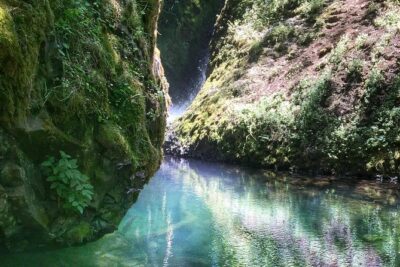
Multnomah Falls and Columbia River Gorge Half-Day Hiking Tour
Read our review →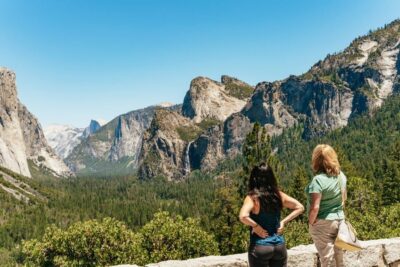
San Francisco: Yosemite National Park & Giant Sequoias Hike
Read our review →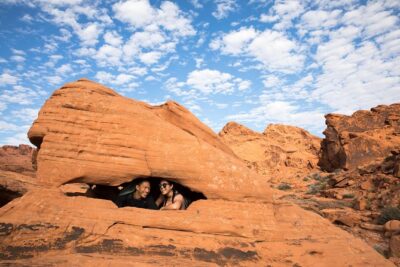

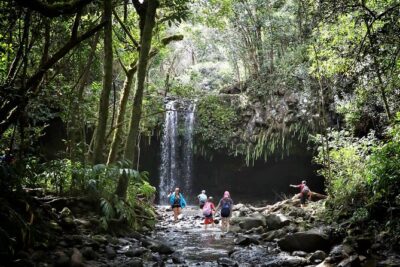
Small Group Waterfall and Rainforest Hiking Adventure on Maui
Read our review →
Kauai Adventure: Kayak & Hike to Secret Falls with Expert Guide
Read our review →Browse the lists this tour appears in