
REVIEW · USA
Big Island: Off the Beaten Path Volcano Crater Hike
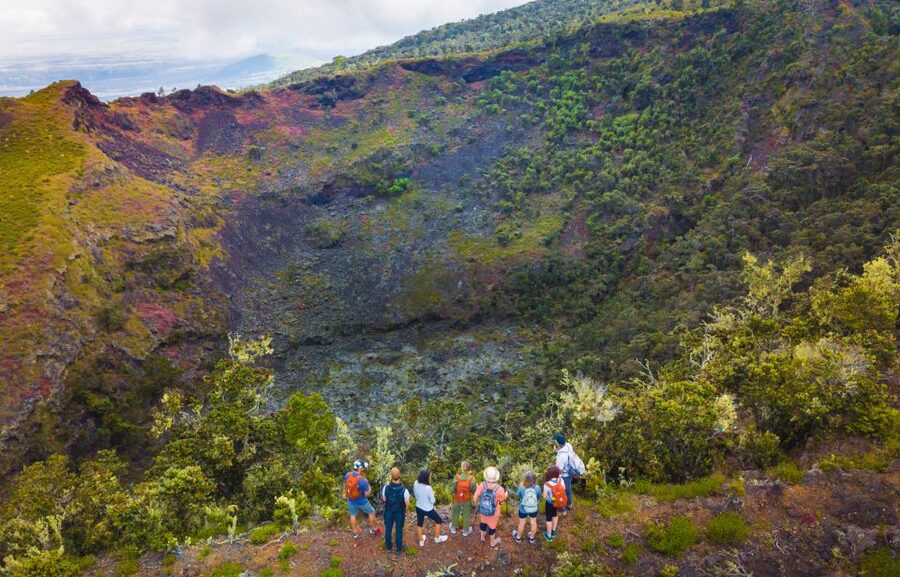
Hualalai’s upper slopes offer the Big Island’s volcanic drama without the long drive to Hawaii Volcanoes National Park. With private access to land closed to the public, you hike through native cloud forest, peer into giant craters, and follow rough volcanic ground high above the Kona coast.
I especially like the small group size, capped at 10, and the way the tour brings practical gear, drinks, walking sticks, rainwear, sunscreen, and bug repellent. The optional lava tube section adds a hands-on bit of adventure. The main caution is the rough, uneven trail: one past outing moved too quickly for some adults, so this suits active hikers more than casual walkers.
Key points at a glance
- Private access on Hualalai: Reach upper-slope areas that are not open to ordinary public visits.
- Three to four miles of volcanic terrain: Expect cloud forest, fissures, craters, and rocky ground rather than a smooth park trail.
- A lava tube option: You can enter and walk through a segment of underground volcanic passage.
- High Kona views: At more than 5,000 feet, clear weather can reveal broad views over the coast.
- Small, guided format: Groups are limited to 10, with English-speaking naturalist guides and supplied walking sticks.
- A real hike, not a viewpoint stop: Closed-toe shoes and comfort on uneven terrain are essential.
Hualalai’s private volcanic country
Hualalai is the volcano behind Kona, but this tour takes you well above the familiar coastal resort zone. From the Hawaii Forest & Trail headquarters, a van climbs for about 35 minutes toward the mountain’s upper slopes.
The setting changes quickly. You leave the dry, developed coast and reach a cooler high-elevation world shaped by cloud, forest, and old lava. The tour’s special value is access. You are not simply stopping at a roadside overlook. You are walking into a restricted area where the volcanic features remain relatively quiet and undisturbed.
That private setting gives the outing a different feel from a standard Big Island sightseeing trip. There are no busy paths, long lines, or large tour buses crowding the crater edge. You get time to listen to the guide, look closely at the ground, and understand how the volcano’s eruptions shaped the mountain.
The tour runs for five hours in all, with about four hours at Hualalai. That is enough time for a proper walk rather than a quick photo stop, but it also means the physical demands matter. You should be comfortable spending several hours on rocky, uneven terrain.
More Volcano Hikes in the USA:
- Oahu: Diamond Head Crater Hike and North Shore Experience
★ 4.7 · 189 reviews - Hidden Craters Hike of Kona
★ 5.0 · 156 reviews - Big Island: Hawai’i Volcanoes National Park Guided Hike
★ 4.9 · 30 reviews
The 35-minute ride from Kona
Your meeting point is the Hawaii Forest & Trail headquarters, directly across from Home Depot and below the Hawaii Community Federal Credit Union. Parking is available in the company lot, using any unmarked stall.
The van ride takes roughly 35 minutes each way. This transfer is useful for more than transportation. It gives the group time to leave Kona’s busy streets behind and reach the high country without you needing to navigate unfamiliar roads or find a remote trailhead.
The drive also makes the five-hour timing easy to understand. About 70 minutes are spent in transit, leaving approximately four hours for the guided walk and volcanic exploration. You should not expect a full day in the mountains, but the walking portion is substantial.
Bring a reusable water bottle, though filtered water, sparkling water, and juices are supplied. Snacks are recommended, and lunch is not included. A light sweatshirt or jacket is sensible because the upper slopes can feel cooler than the coast, and rain gear is available if conditions change.
Walking through native cloud forest
The hike covers about 3 to 4 miles through native Hawaiian cloud forest. This is one of the tour’s most important features because it places the volcano in a living setting, not just a geological one.
The forest sits among volcanic ground formed by earlier eruptions. As you walk, the guide can connect the plants, weather, rock, and traditional Hawaiian understandings of the mountain. A past participant particularly valued learning about the volcano, its surroundings, and Hawaiian traditions, which tells you what kind of guiding to expect when the group has a strong naturalist such as Toro.
The forest portion also provides a break from the exposed rock. You may find shade, damp ground, and changing visibility as clouds move across the upper slopes. The weather can shift, which explains why the operator carries rain gear even when the morning begins dry.
You will need to watch your footing. The trail is not described as a paved or graded path, and the walk includes uneven and rocky ground. That can be part of the appeal, since the route feels wild, but it also means you may spend less time looking around while moving.
Walking sticks are provided and can help with balance. Wear shoes with firm soles and good support. Sandals, smooth-soled casual shoes, and flimsy sneakers are poor choices here.
Crater rims and deep volcanic fissures
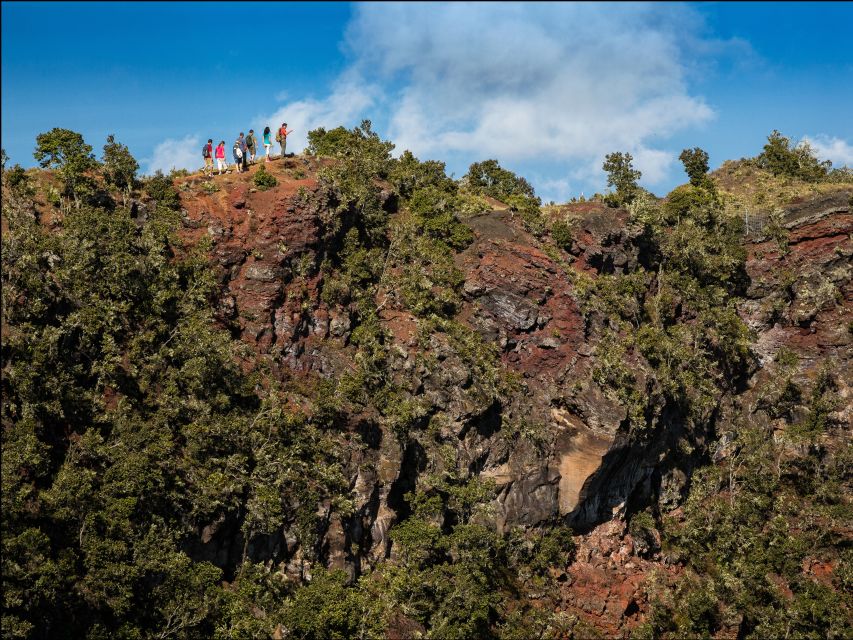
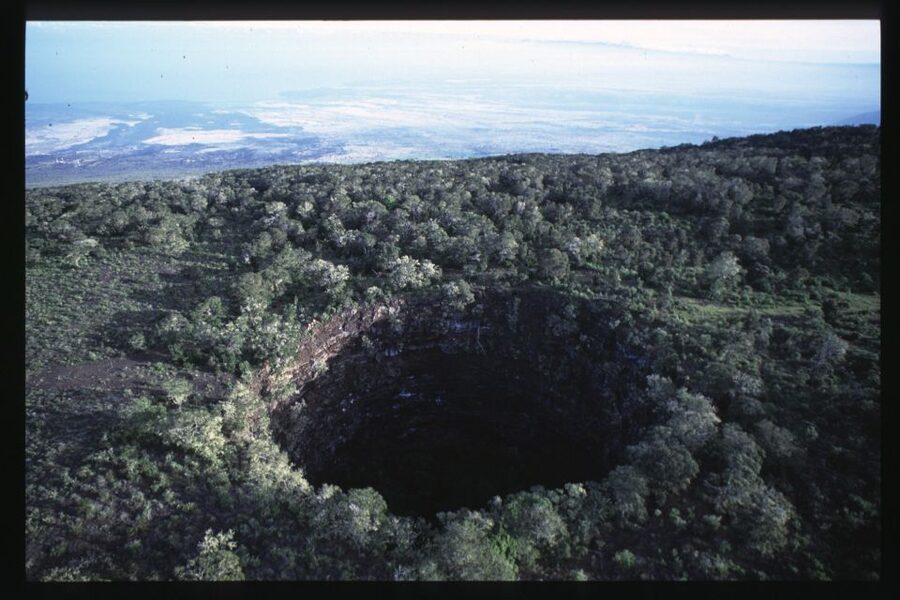
The central drama comes when the route reaches the craters and fissures created by Kona’s most recent eruption. You stand at the edge of openings that plunge into the earth below, with the guide explaining how volcanic pressure and flowing lava produced these forms.
These are not the polished, easy-access viewpoints you find at a major national park. The attraction is the raw scale and the close view. You can see how the ground broke, collapsed, or opened, then compare those features with the forest growing around them.
The craters are also where the pace becomes most important. One account describes a guide who had all the right equipment and handled the outing well, but moved too quickly for some adults. The children at the front could keep up, while adults farther back occasionally lost sight of the group and missed parts of the commentary.
That is a useful warning, not a reason to dismiss the tour. Tell your guide early if you need a slower pace or more frequent stops. In a group of up to 10, clear communication should help the guide balance the stronger hikers with those who need more time.
You should also expect limited photo opportunities while the group is moving. The best pictures will come when the guide stops at a crater, fissure, or viewpoint. If photography is a major goal, ask for a moment to catch up and take pictures rather than trying to compose shots while crossing rough ground.
A few more hikes around the USA worth a look
- Lower Antelope Canyon Hiking Tour
★ 5.0 · 6,216 reviews - Boston Freedom Trail Walking Tour with Costumed Guide
★ 4.5 · 2,531 reviews - Multnomah Falls and Columbia River Gorge Half-Day Hiking Tour
★ 5.0 · 2,108 reviews - San Francisco: Yosemite National Park & Giant Sequoias Hike
★ 4.5 · 1,777 reviews
The optional lava tube section
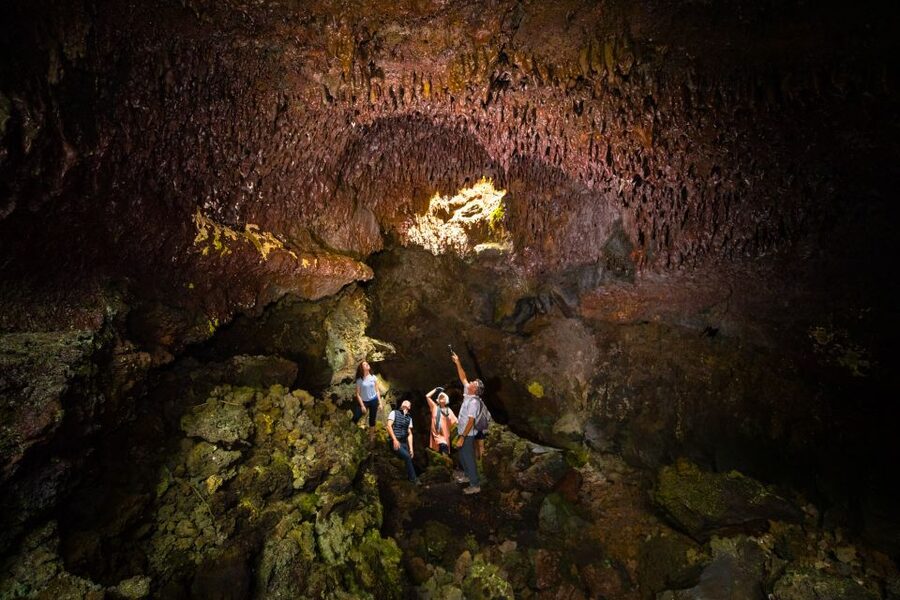
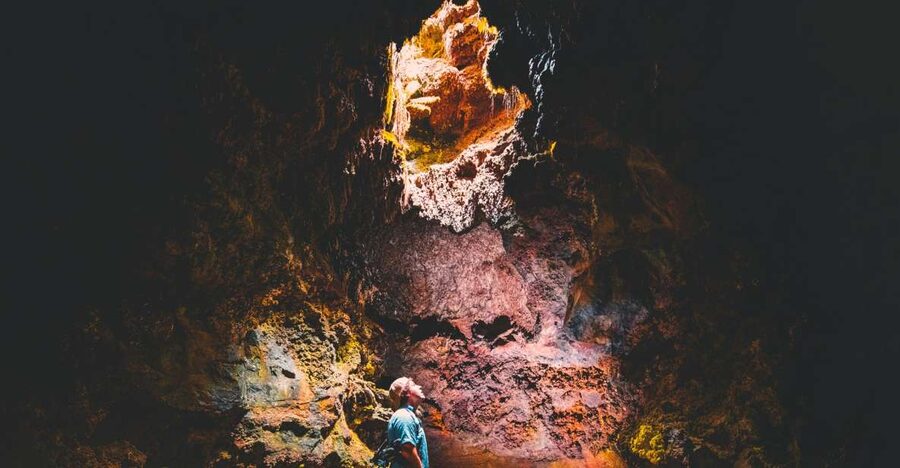
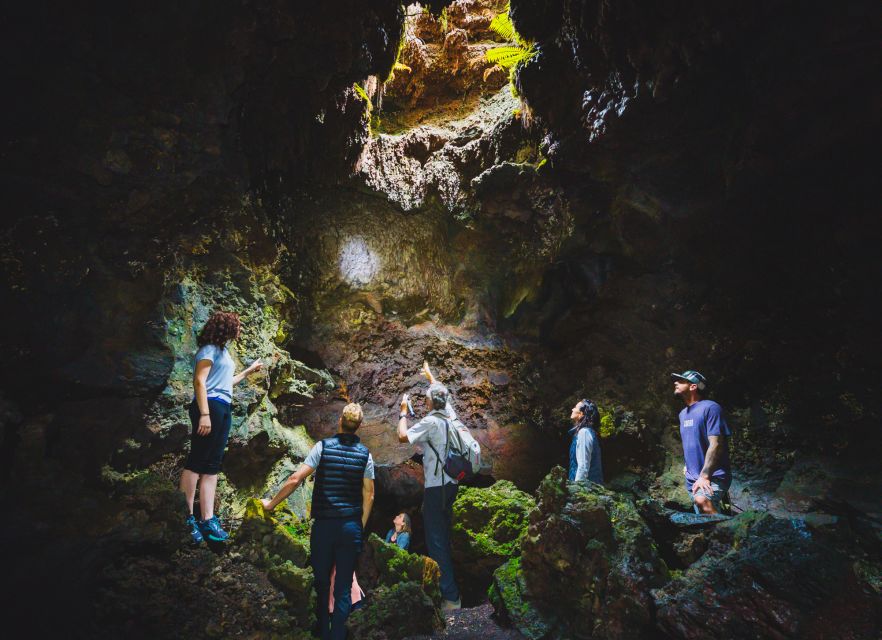
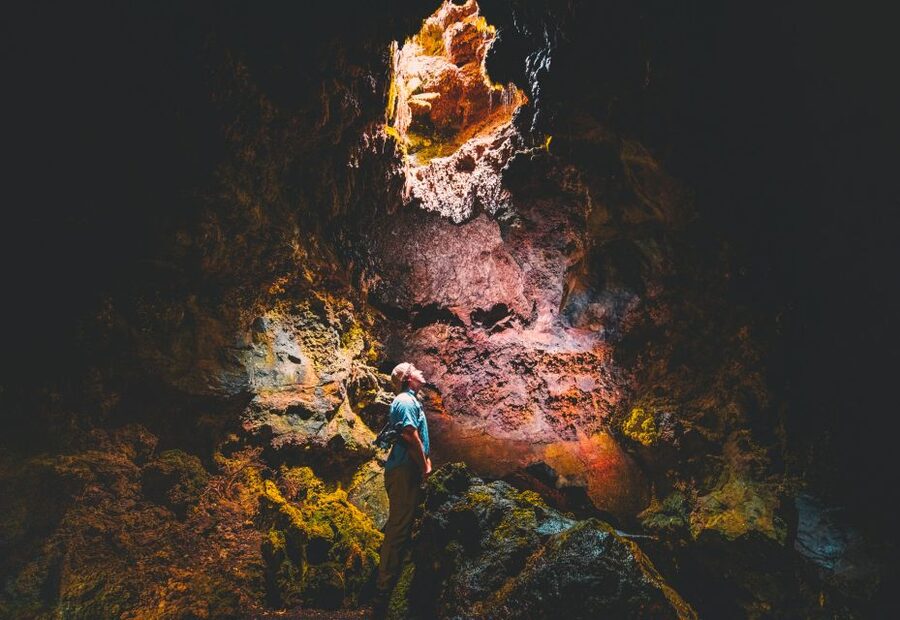
The lava tube is a strong feature for families and anyone who likes a bit of exploration. These underground passages form when the outer surface of a lava flow cools while molten lava continues moving below. Once the flow drains, it can leave a tunnel behind.
Here, the lava tube portion is optional. That matters because not everyone will want the same level of physical challenge, and the main hike already involves rough ground. An 11-year-old particularly enjoyed this part on a family outing, and the activity is open to children from age 8 upward when they can manage the terrain.
The available information does not specify the length or exact conditions inside the tube, so you should not assume it is a long underground expedition. Think of it as an extra segment within a volcanic hike. Follow the guide’s instructions, use suitable footwear, and choose it only if you feel steady on uneven ground.
The lava tube gives the tour a nice change of scale. At the crater rim, you look into a large volcanic opening. Inside a tube, you see how lava moved through the mountain itself. Together, the two settings make the geology easier to understand.
Views from more than 5,000 feet
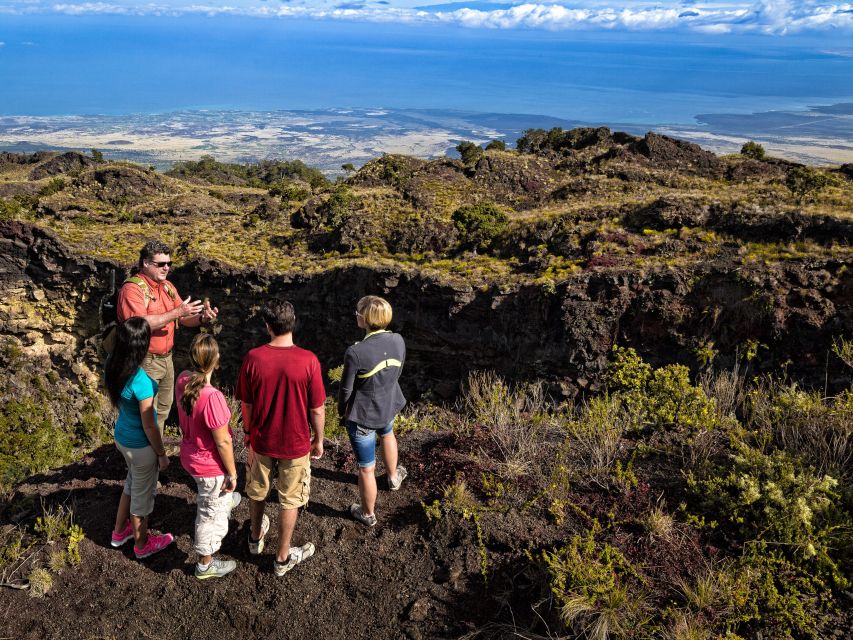
At the high points, the tour can provide panoramic views over the Kona coastline from more than 5,000 feet above sea level. The word can matters here. Cloud forest conditions and changing weather may limit visibility, so you should not book this solely for a guaranteed coastal panorama.
On a clear day, the height gives you a strong sense of how far the mountain rises above Kona. You see the relationship between the coast and the volcanic slopes rather than viewing the island only from sea level.
The high elevation may also make the walk feel cooler and more demanding than the distance suggests. Three or four miles can sound modest, but rocky footing, slopes, stops, and changing weather all affect the effort. Comfortable clothing, a hat, sunscreen, and a light jacket will serve you better than resort wear.
Sunscreen and insect repellent are supplied, along with rain gear. You still need to bring closed-toe shoes and a reusable bottle. The operator provides water and drinks, but snacks remain your responsibility.
Guides, group size, and the pace of the hike
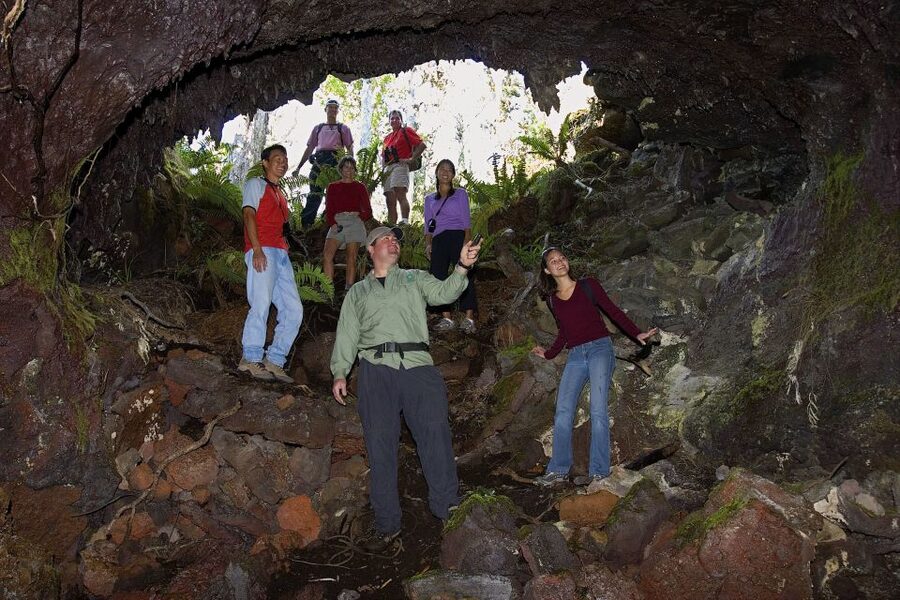
A live English-speaking guide leads the experience, and the small-group limit is 10 people. That is a good size for a trail with natural hazards and scattered points of interest. You get more access to the guide than you would on a large coach tour, and the group can usually gather around a crater or forest feature without blocking a busy public path.
Guides such as Toro and Rob have received especially strong praise for their preparation and storytelling. Rob was described as carrying walking sticks, raincoats, drinks, and snacks for changing conditions. Toro was praised for explaining the volcano, the surrounding area, and Hawaiian traditions.
Still, guide quality includes pacing, not just information. The one less favorable account points to a real concern: if you are near the back, you may miss commentary when the leader moves ahead. If you hike at a slower pace, say so at the start. Stay within sight of the group and ask for a pause when needed.
The tour minimum is four participants. If fewer than four book, the operator may cancel and offer a new date or a full refund, with notice at least 24 hours ahead. That is uncommon, but it is worth knowing if your schedule is tight.
Is the $198 price good value?
At $198 per person, this is not a cheap walk. The price makes more sense when you consider what it bundles: transportation from Kona, private access, a trained nature guide, walking sticks, day packs, rain gear, sunscreen, bug repellent, drinks, local taxes, and several hours on the mountain.
You are also paying for access that is difficult to arrange independently. The upper slopes, crater areas, and native forest are not presented as ordinary public attractions. The van removes the hassle of finding the route, and the guide adds geological and cultural context that you would not get from simply looking at volcanic rock.
The value is strongest for you if the main goal is an active, small-group experience in a quiet volcanic setting. It is weaker if you want a relaxed scenic drive, a short walk, or guaranteed sunshine and broad views. Lunch is not included, so bring your own snacks and plan your next meal after returning to Kona.
Compared with a crowded, all-day trip to Hawaii Volcanoes National Park, this tour saves driving time and offers a more private setting. It does not replace that park, which has its own major sights and wider range of visitor facilities. Instead, it gives you a focused way to see volcanic features near Kona.
Who should book this Hualalai hike?
I would choose this tour if you want to walk through volcanic terrain rather than view it from a car. It is a good match for active adults, older children, and families whose children are at least 8 and comfortable on rough ground.
It also suits visitors who value local interpretation. The guide’s explanations of geology, native forest, and Hawaiian traditions are a major part of the experience. You are not just checking off a crater. You are learning how the mountain works and why the setting matters.
I would think twice if you have limited mobility, dislike rocky trails, or want a gentle outing. The tour is not suitable for people with mobility impairments, and the operator specifically expects participants to manage uneven or rocky terrain.
Smoking, alcohol, drugs, luggage, and large bags are not allowed. Pack lightly, wear a hat, use the supplied sunscreen and repellent, and leave your main luggage elsewhere.
Should you book it?
Book the Hualalai Off the Beaten Path Volcano Crater Hike if you want private access, a real mountain walk, and close views of craters and fissures without spending the day driving to Hawaii Volcanoes National Park. The combination of cloud forest, volcanic openings, high Kona views, and an optional lava tube gives the five-hour outing plenty of variety.
Skip it if you need a slow, easy trail or if your ideal volcano experience is a roadside viewpoint. For everyone else, the tour offers a rare look at Hualalai’s upper slopes, with the practical support that makes a rough high-country walk manageable. Just set a sensible pace from the beginning, bring snacks, and arrive ready to hike.
FAQ
How long does the Hualalai volcano hike take?
The full activity lasts about five hours. The van ride takes approximately 35 minutes each way, and the guided visit on Hualalai lasts about four hours.
How far do you hike?
The route covers about 3 to 4 miles through native cloud forest, volcanic craters, fissures, and rocky terrain.
Where does the tour begin?
You meet at the Hawaii Forest & Trail headquarters, directly across from Home Depot and below the Hawaii Community Federal Credit Union.
Is parking available at the meeting point?
Yes. You can park in the Hawaii Forest & Trail lot in any unmarked parking stall.
Is the lava tube visit required?
No. Climbing through a segment of the lava tube is optional.
What should I wear and bring?
Wear closed-toe walking shoes and bring a reusable water bottle. Comfortable hiking clothes, a hat, sunscreen, snacks, and a light sweatshirt or jacket are recommended.
Are walking sticks and rain gear provided?
Yes. The tour supplies walking sticks, day packs, and rain gear. Sunscreen and bug repellent are also provided.
Is the tour suitable for children?
Children under 8 are not permitted. Older children can participate if they are able to manage uneven and rocky terrain.
What happens if the tour does not reach its minimum group size?
The tour requires at least four participants to operate. If it is canceled because too few people book, you will be notified at least 24 hours in advance and can reschedule or receive a full refund.
Just added around the USA
- Anchorage: Full-Day Matanuska Glacier Hike and Tour★ 4.7 · 48 reviews
- Oahu: Manoa Falls Hike and east side beach day★ 4.9 · 10 reviews
- From Springdale: Greater Zion Scenic Hiking Tour★ 4.9 · 21 reviews
- From Springdale: The Zion Narrows Hike with Lunch★ 4.8 · 85 reviews
- From Seward: Harding Icefield Trail Hiking Tour★ 5.0 · 11 reviews
- From Sedona: Archeology and Nature Hike★ 4.9 · 8 reviews
- From Seward: 6-hour Wilderness Hiking Tour★ 4.5 · 5 reviews
- From Rapid City: Private Devils Tower Tour and Hike★ 5.0 · 6 reviews
USA Hiking Tours, compared.
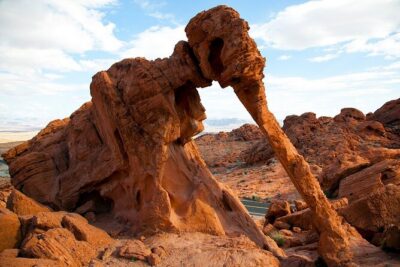
Small Group: Valley of Fire Half Day Tour from Las Vegas
Read our review →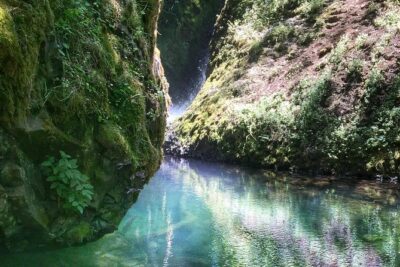
Multnomah Falls and Columbia River Gorge Half-Day Hiking Tour
Read our review →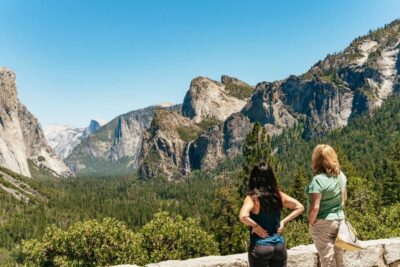
San Francisco: Yosemite National Park & Giant Sequoias Hike
Read our review →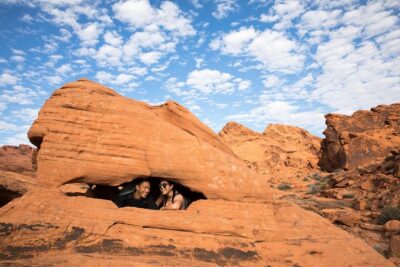

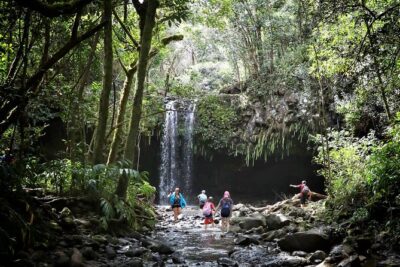
Small Group Waterfall and Rainforest Hiking Adventure on Maui
Read our review →
Kauai Adventure: Kayak & Hike to Secret Falls with Expert Guide
Read our review →Browse the lists this tour appears in