
REVIEW · ITALY
Etna Volcano: South Side Guided Summit Hike
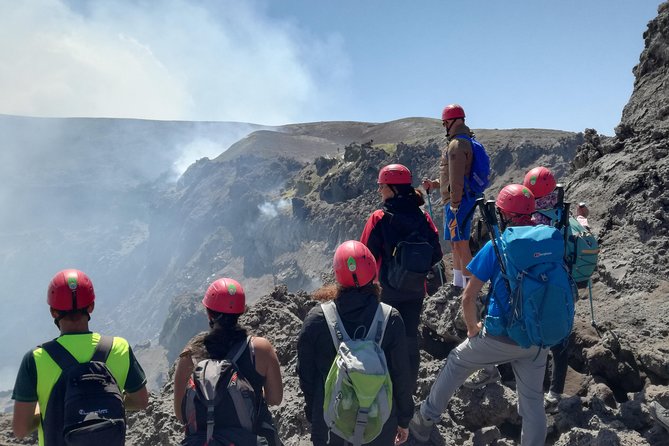
Mount Etna is not a tidy mountain walk. It is an active volcano, with gas, sulfur, loose black gravel, sudden weather changes, and routes that can shift for safety. From Rifugio Sapienza, you ride upward by cable car and 4×4, then hike toward the summit craters with a certified volcanological guide.
I like the close look at fresh volcanic features, including lava channels, volcanic bombs, gas vents, and the Barbagallo craters. I also like the guides’ serious approach to safety, with people such as Antonio, Max, Fabio, Massimo, and others explaining what you are seeing while keeping the group together. The main drawback is cost and effort: the listed price excludes €65 for the cable car and 4×4, and the hike can be hard, cold, windy, and slippery.
Key points to know before booking
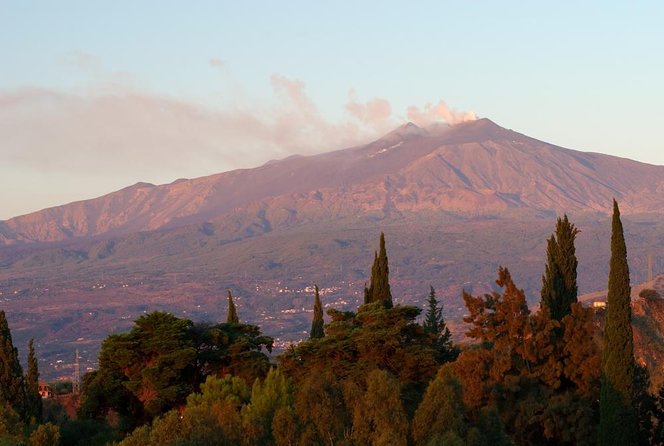
- The summit route begins around 2,800 to 2,900 meters: Cable car and 4×4 transport save you from walking the entire lower mountain, but the high altitude still makes the hike demanding.
- This is a real volcanic outing: Expect sulfur smells, gas emissions, black ash, lava flows, volcanic bombs, and routes changed by current activity.
- The walking is strenuous: The route can cover roughly 8 to 10 kilometers over steep, uneven, loose ground.
- Equipment is supplied: Helmets, trekking boots, trekking poles, and insurance are included. A wind jacket is not included.
- The €78.64 price is not the full cost: Add €65 per person locally for the cable car and 4×4, plus your own water, food, and snacks.
- Weather can change fast: Bring warm layers, gloves, a hat, long pants, sturdy clothing, and plenty of water.
What this Etna hike is really like
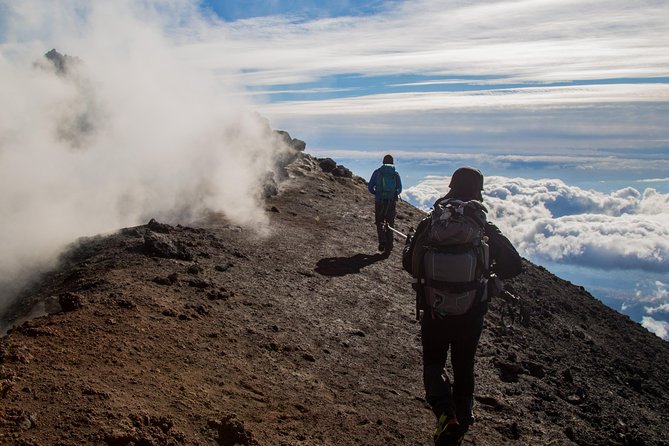
This six-hour excursion gives you a serious look at Mount Etna rather than a quick viewpoint stop. You meet at 8:00 a.m. at Piazzale Rifugio Sapienza, on Etna’s south side, and return to the same place at the end.
The experience begins with transport, not a long climb from sea level. You pay locally for the cable car and 4×4 jeep, currently €65 per person. These take you to roughly 2,800 or 2,900 meters, depending on conditions and the day’s operating details. From there, you walk for about two hours toward the summit craters, with pauses for rest, photos, and explanations.
The distance sounds manageable until you factor in the surface. Much of the route crosses deep gravel, black volcanic sand, uneven ground, and steep slopes. One account describes about 10 kilometers on foot, while others estimate around 8 kilometers. The exact distance depends on the route allowed that day.
You should be comfortable hiking for several hours at altitude. The physical level is listed as medium to high, and you are expected to be in very good physical condition. This is not a casual stroll in walking shoes from the city.
More Mountain Hikes in Italy
- Mount Etna: Summit Guided Hiking Tour up to 3,400 m
★ 4.8 · 4,792 reviews - Etna Volcano: South Side Guided Summit Hike
★ 4.7 · 1,545 reviews - Catania: Mount Etna Adventurous Hiking Tour with Equipment
★ 4.7 · 784 reviews
From Rifugio Sapienza to Etna’s high slopes
Rifugio Sapienza is the practical starting point for the south-side route. You can meet the Ashàra Etna & Stromboli Guides team there, and free parking is available according to the supplied tour information. The meeting point is easy to identify: Piazzale Rifugio Sapienza, 95030 Nicolosi.
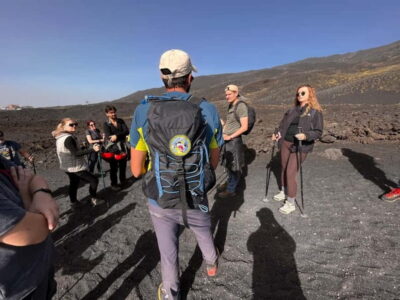
Before you go up, you can receive the supplied boots and poles. A helmet is also provided, along with insurance and a volcanological guide. The gear matters. Loose volcanic gravel is awkward underfoot, especially on the descent, and poles help you balance on slopes that can feel more like sliding sand than hiking trail.
The cable car and 4×4 ride are practical rather than optional luxuries. They place you high on the mountain and leave time for the summit area, where the most unusual volcanic features are found. Still, altitude begins to matter as soon as you step out. You may start in a comfortable T-shirt at the refuge and find freezing wind above.
One useful detail is that the wind can be fierce even when the lower mountain looks sunny. Bring a windproof jacket, warm hat, gloves, and a light extra layer. A wind jacket is not included, despite other equipment being supplied. Dark clothing is also sensible because black ash and volcanic dust cling to fabric.
The summit craters and the active heart of Etna
The main goal is the group of Etna Summit Craters. The route takes you through a stark world of black slopes, gray ash, and colored mineral deposits. It can look almost lunar, but the ground is not dead or empty. You may see gas escaping, volcanic bombs scattered across the surface, and bright sulfur colors created by sublimation.
The guide’s role is especially valuable here. Etna is not simply a mountain with old lava on it. It is active, and conditions can change. A good guide explains why one area is safe to approach while another must be viewed from a distance.
At the summit area, the route may take you along the rim of the Central Crater. You also see the Northeast Crater and the Southeast Crater, which has produced some of Etna’s most recent and impressive eruptions. The views can reach toward Catania, the sea, clouds, and the surrounding Sicilian countryside when visibility is good.
Do not treat the word summit as a guarantee that you will stand beside the highest or most active opening. Gas, vapor, wind, or volcanic activity may force the guide to change the route. That is not a failure of the tour. It is the basic rule of visiting an active volcano.
One outing was unable to reach the summit because of heavy vapor and gas at the main crater. Even so, the route included older craters, lava flows, lava lakes, lava tubes, lava bombs, and spatter cones. That is a useful way to think about this experience: the summit is the aim, but the volcano itself supplies the day’s content.
Valle del Bove and the volcanic features below
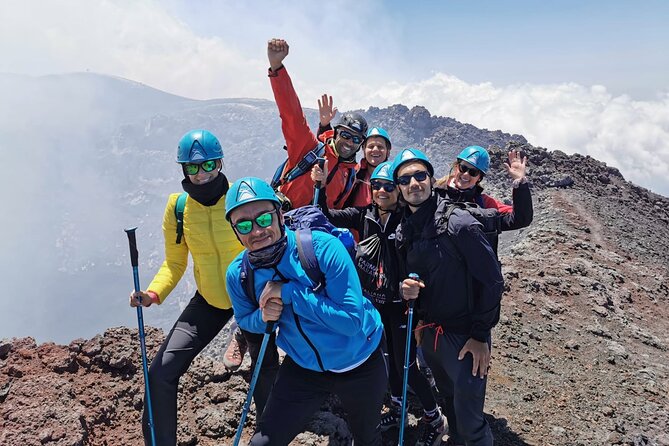
Valle del Bove is one of the named stops on the route. The valley gives you a broader sense of Etna’s scale and volcanic power. From the high slopes, you can see the great bowl-like area and the scars left by eruptions over time.
The route also includes the Barbagallo craters during the descent. These smaller cones make a good contrast with the vast summit craters. You are not only looking into one large opening. You are reading the mountain through layers of eruptions, cones, channels, and deposits.
A lava-flow channel is another feature visited on the way down. Depending on conditions, you may see areas associated with relatively recent lava activity. The supplied accounts also describe walking close to fresh lava streams on some outings, though the exact route always depends on safety conditions.
This is where the guide adds real value. Without explanation, black rock can begin to look like more black rock. With a volcanologist or mountain guide pointing out the difference between a lava flow, a spatter cone, a bomb, and a gas-altered patch of ground, the mountain becomes easier to understand.
Guides named in the supplied information include Antonio, Max, Fabio, Massimo, Simon, Marco, Angelo, and Filippo. The strongest pattern is clear: the guide makes a major difference. The best guides combine volcano science with route control, point out hazards, answer questions, and adjust their pace for the group.
More Volcano Hikes in Italy
- Mount Etna: Central Crater Guided Hike for Advanced Hikers
★ 4.8 · 106 reviews - Hike near the summit craters up to the maximum safe altitude currently foreseen
★ 5.0 · 57 reviews
The descent is harder than it looks
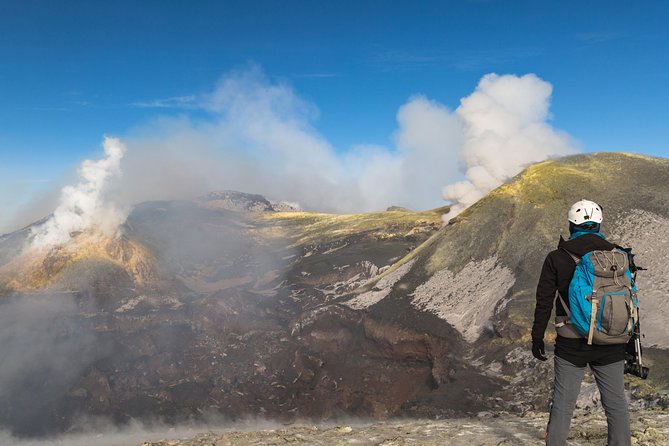
Many people focus on the climb and underestimate the return. The descent can be slippery because your boots sink into ash and loose gravel. Poles are particularly useful here, and the supplied trekking poles are more than a decorative extra.
The hike includes regular breaks, which help with altitude and give you time to take photos. You may stop for lunch near the upper part of the route before the final climb and descent, but food is not included. Bring a proper lunch or buy something at the refuge before setting off.
The total walking time is described as about two hours each way in the basic route outline, but the complete outing lasts around six hours and can involve several hours on foot. The duration includes the high-mountain transport, explanations, rest stops, crater visits, and return.
You should not schedule a demanding afternoon activity immediately afterward. Even fit walkers can feel the combination of altitude, wind, cold, loose ground, and a long day. One 67-year-old participant described the hike as hard despite being fit and used to hiking. That is a fair warning for anyone who thinks cable transport makes Etna easy.
Guides, group size, and the human side
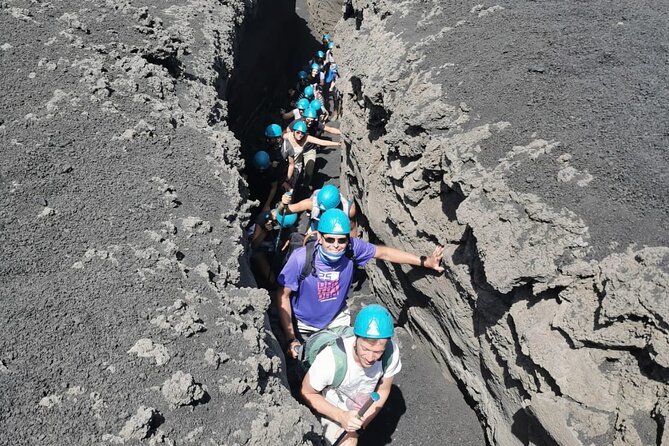
The maximum group size is 20 people. That is not enormous, but it is large enough to affect the experience. If you walk at the back, you may have trouble hearing every explanation, especially in strong wind or when several groups are nearby.
The guides generally keep the group moving at a measured pace and stop to explain the geology. They also help people who are slower or nervous on steep sections. One guide helped a participant who was uneasy on a high crater path, and that kind of support matters when the route feels exposed.
The group can be international and social. You meet people from different countries, and the long walking sections give you time to talk. At the same time, a group tour means you do not control every pause or detour. If you want a private, quiet mountain experience, this is not that.
There was one complaint about a booking being transferred from Ashàra to another partner company on the day. The provider explained that the same type of tour, equipment, and guides were used. Even so, it is sensible to confirm the exact meeting instructions and operating company before you arrive, particularly if you have a long journey to Rifugio Sapienza.
What the price includes, and what it does not
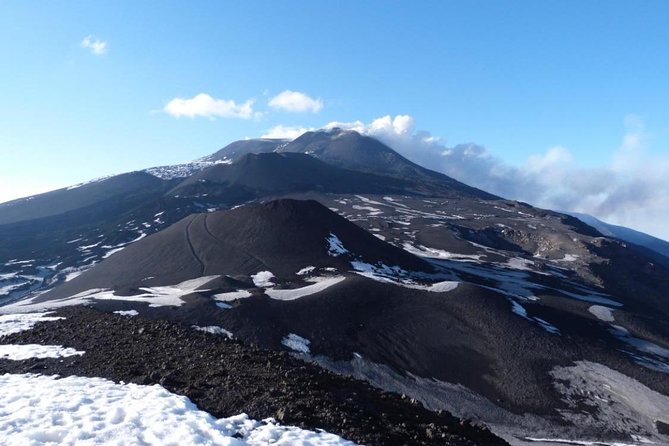
The advertised price is $78.64 per person, but it does not cover the full day. Add €65 per person locally for the cable car and 4×4 jeep. You also pay for bottled water, snacks, and food.
That makes the value easier to judge. You are paying for a certified guide, safety equipment, insurance, route planning, and access to terrain you would not sensibly explore alone. The cable car and 4×4 cost is substantial, but they are central to reaching the high route in a six-hour outing.
Included equipment covers a helmet, trekking boots, trekking poles, insurance, and a volcanological guide. A wind jacket is specifically not included. Clothing beyond the listed equipment may be available to rent for a small fee, but you should not rely on that without confirming it.
Bring:
- Plenty of water
- A packed lunch and snacks
- A warm hat and gloves
- A windproof jacket
- Long pants and tall socks
- Sturdy clothing that can get dusty
- A scarf or neck warmer
- Sun protection
The high mountain can be cold even when Catania is warm. One outing reached minus 10 degrees and snow near the top, while another began in T-shirt weather below. That range is why clothing matters more here than on an ordinary summer walk.
Who should book this Etna experience?
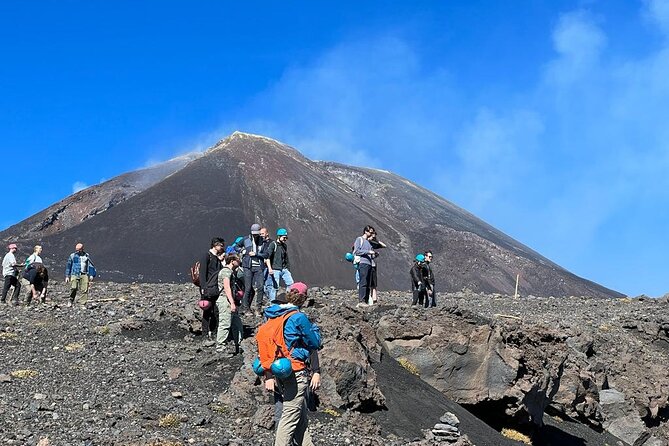
I would choose this hike if you want to understand Etna through its craters, lava, gases, and changing terrain. It suits people who enjoy a physically demanding outdoor day and are willing to accept that volcanic safety rules may alter the route.
It is a good fit for confident hikers with a moderate to high fitness level. You do not need to be an athlete, but you should be comfortable with steep, uneven ground and several hours of walking. You also need to cope with altitude around 3,000 meters, cold, wind, and loose gravel.
I would think twice if you want a simple sightseeing ride, have limited mobility, dislike unstable ground, or expect to stand at the active crater regardless of conditions. The cable car and 4×4 reduce the lower climb, but they do not turn the summit route into an easy walk.
The tour is offered in English, uses a mobile ticket, begins at 8:00 a.m., and returns to the starting point. It is best to book ahead, since it is commonly reserved several weeks before the date. Free cancellation is available up to 24 hours before the start time. Poor weather or an insufficient number of bookings can also lead to a new date or a full refund.
Should you book the South Side summit hike?
Book it if you want the most serious version of a guided Etna visit without arranging a mountain guide, equipment, and high-altitude transport yourself. The strongest reasons are the access to summit craters, the volcanic explanation, and the chance to see gas vents, sulfur colors, lava channels, and recent eruption features in one day.
Go in with the right expectations. The summit may be closed, the weather may turn, and the ground may be tiring. Budget the extra €65, bring warm clothing and food, and prepare for a hard hike. If that sounds like part of the adventure rather than a problem, this is a strong way to meet Mount Etna on its own terms.
FAQ
Where does the Mount Etna hike start and finish?
It starts and ends at Ashàra Etna & Stromboli Guides, Piazzale Rifugio Sapienza, 95030 Nicolosi, on Etna’s south side.
What time does the activity begin?
The scheduled start time is 8:00 a.m.
How long does the tour last?
The activity lasts approximately six hours, including transport, hiking, rest stops, crater visits, and the return to Rifugio Sapienza.
Are the cable car and 4×4 included?
No. Cable car and 4×4 jeep tickets cost €65 per person and are paid locally.
What equipment is provided?
The tour provides a helmet, trekking boots, trekking poles, insurance, and a volcanological guide.
Do I need strong fitness for this hike?
Yes. The tour requires medium to high fitness, and participants should be in very good physical condition. The route includes steep, uneven, loose, and sometimes slippery ground at high altitude.
Can the route change during the tour?
Yes. Mount Etna is an active volcano, so the itinerary may change for safety. Poor weather can also cause the activity to be rescheduled or canceled with a different date or full refund.
Just added around Italy
- From Taormina or Catania: Private Full-Day Mount Etna Hike★ 4.5 · 8 reviews
- From Taormina: Mount Etna Half-Day Evening Hike★ 5.0 · 4 reviews
- From Sorrento: Path of the Gods Guided Hike with Transfer★ 4.8 · 23 reviews
- From Sorrento: Skip-the-Line Guided Vesuvius Hike and Lunch★ 4.4 · 5 reviews
- From Sorrento: Path of the Gods Hike with Tasting Stop★ 4.9 · 29 reviews
- From Siracusa: Pantalica Nature Reserve Guided Hiking Tour★ 4.9 · 9 reviews
- From Orosei or Dorgali: Gorropu Canyon Guided Hike★ 4.9 · 40 reviews
- From Genna Silana: Canyon of Gorropu Guided Hike★ 3.7 · 3 reviews
Italy Hiking Tours, compared.
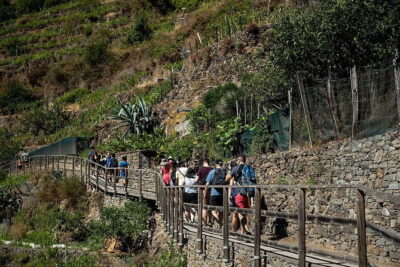
Cinque Terre Day Trip with Optional Hiking or Pisa
Read our review →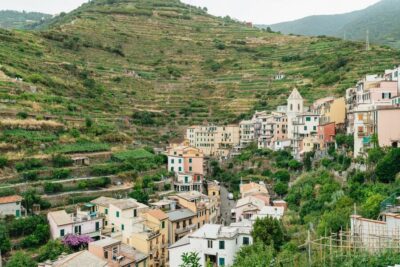
Florence: Cinque Terre Day Trip with Optional Hiking or Pisa
Read our review →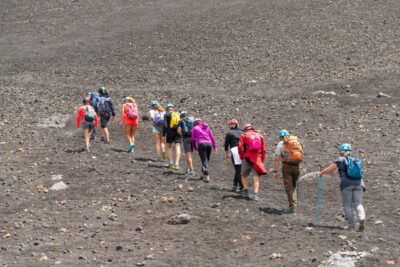
Mount Etna: Summit Guided Hiking Tour up to 3,400 m
Read our review →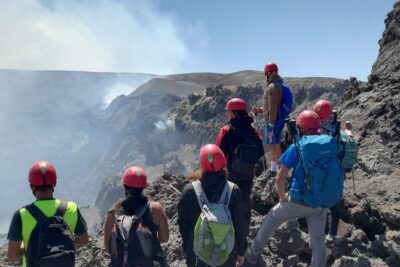
Catania: Mount Etna Adventurous Hiking Tour with Equipment
Read our review →
From Taormina: Etna Tour with Hiking, Cave Visit, & Tastings
Read our review →
Catania: Etna Nature Tour with Hiking, Cave Visit, & Tasting
Read our review →Browse the lists this tour appears in