
REVIEW · ITALY
Rome: Mini hike to the ancient Parco degli Acquedotti
The best surprise here is how quickly Rome changes. You start beside the Pigneto subway station, in a lively neighborhood of ordinary city life, then follow old aqueduct routes toward open fields and towering Roman arches. I like the neighborhood-to-ruins route and the way Sal connects engineering, plants, local life, and postwar history. I also like that the group is capped at 10 people, so questions are easy.
The main drawback is physical rather than cultural. This is a 9-kilometer walk over uneven ground, and the tour runs rain or shine. Summer heat can make it demanding, though Sal is attentive about shade and water breaks. Wear real walking shoes, not sandals.
Key points at a glance
- Pigneto to Parco degli Acquedotti: This is a one-way walk, not a loop, beginning at Pigneto Station and ending near Giulio Agricola.
- Ancient engineering in open country: You’ll see Roman aqueducts in settings that feel far removed from central Rome.
- A guide with broad interests: Sal brings together Roman history, construction methods, plants, wildlife, and the changing life of the city.
- Moderate but substantial distance: The route covers about 9 kilometers, with uneven terrain and no shortcut for anyone who tires early.
- A useful café pause: The break near Porta Furba gives you time to rest before the walk through Torre Fiscale Park and the aqueduct park.
- Small-group format: With no more than 10 people, the pace and explanations can be adjusted more easily than on a large coach outing.
From Pigneto streets to Roman water routes
This experience gives you a different first look at Rome. Instead of beginning with a famous monument in the historic center, you meet outside Pigneto subway station on the C Line, on the side facing the bridge rather than the exit by the Conad grocery store.
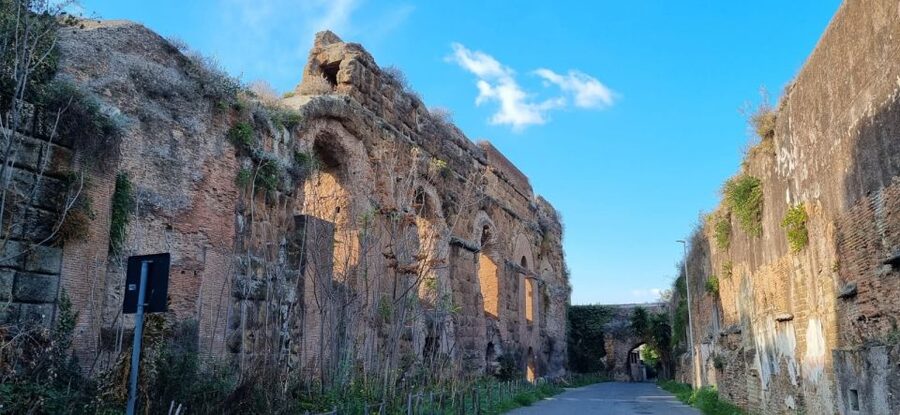
Pigneto is known for its current neighborhood life, but the walk soon adds older layers. Along Via del Pigneto and the Mandrione area, you begin to see how Rome grew around old infrastructure. The route is not simply a transfer from one attraction to another. The streets, walls, aqueduct traces, and changing vegetation form the story.
I like this opening because it gives you a sense of Rome as a lived-in city. Ancient construction is not isolated behind a ticket barrier. It appears beside roads, homes, paths, and everyday urban routines. That makes the later views in Parco degli Acquedotti more meaningful.
Your guide is Sal, who leads the experience through Hike with Nature of Sal. His approach covers more than dates and emperors. You can expect attention to Roman engineering, the materials used in aqueduct construction, plants and animals, and the way local people used the area after the Second World War.
A few more hikes around Italy worth a look
- Cinque Terre Day Trip with Optional Hiking or Pisa
★ 5.0 · 8,486 reviews - Florence: Cinque Terre Day Trip with Optional Hiking or Pisa
★ 4.9 · 4,848 reviews - Mount Etna: Summit Guided Hiking Tour up to 3,400 m
★ 4.8 · 4,792 reviews
Via del Mandrione and the changing face of Rome
The walk continues through Via del Mandrione and the Parchetto Condiviso del Mandrione. These sections help explain why this route feels different from a standard Rome sightseeing walk.
The aqueducts were built for a practical purpose: moving water over long distances into the city. Their construction required careful planning, steady gradients, durable materials, and a strong understanding of terrain. As you walk, Sal explains how the structures worked and how they affected the growth of Rome.
You also get a look at how old infrastructure can be reused or absorbed into later city life. The Mandrione area carries traces of Rome’s more recent past, including the ways people created homes and communities around existing structures after the war. This is one of the route’s strongest features because it links the ancient past with the city you see today.
Do not expect a polished archaeological park from the moment you leave Pigneto. Some stretches are urban, and the walk can feel like a long transition before the big open views arrive. That is part of the point, but it may disappoint you if you want three straight hours of monumental ruins.
Porta Furba and the café pause
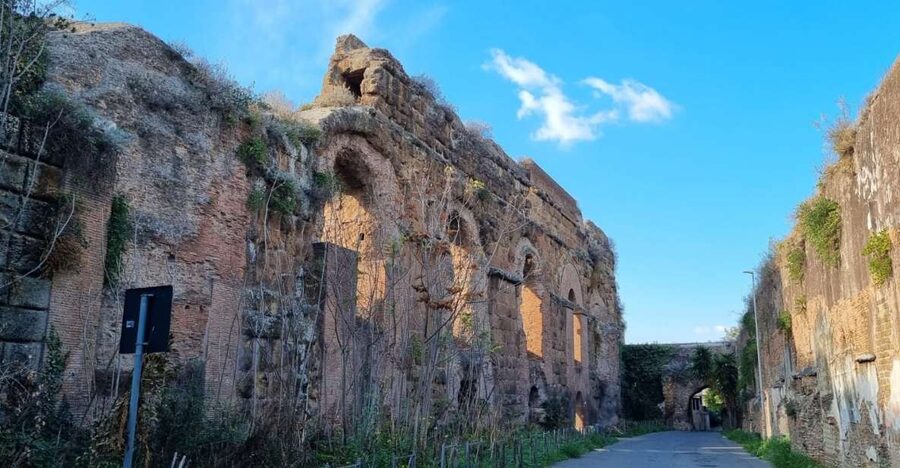
One of the route’s notable stops is Porta Furba, also called the Arco di Sisto V. The arch and aqueduct structures here show how Roman water routes remained useful and visible through later periods of the city’s growth.
This is a good place to pay attention to scale. In photographs, an aqueduct can look like a simple row of arches. Up close, its height, thickness, and long horizontal reach make the engineering easier to grasp. Sal’s explanations are particularly useful here because the walk is about understanding the system, not just taking pictures of isolated ruins.
A café break follows. The available information does not specify a particular café or whether food and drinks are included, so bring your own water and a small snack. The pause is useful even if you do not buy anything. It breaks up the 9-kilometer route and gives you a chance to check your shoes, refill water, and prepare for the more open sections ahead.
You should arrive with at least 1.5 liters of water. That recommendation matters most in warm weather, when shade may not be available across every part of the route.
Torre Fiscale Park and the approach to the aqueducts
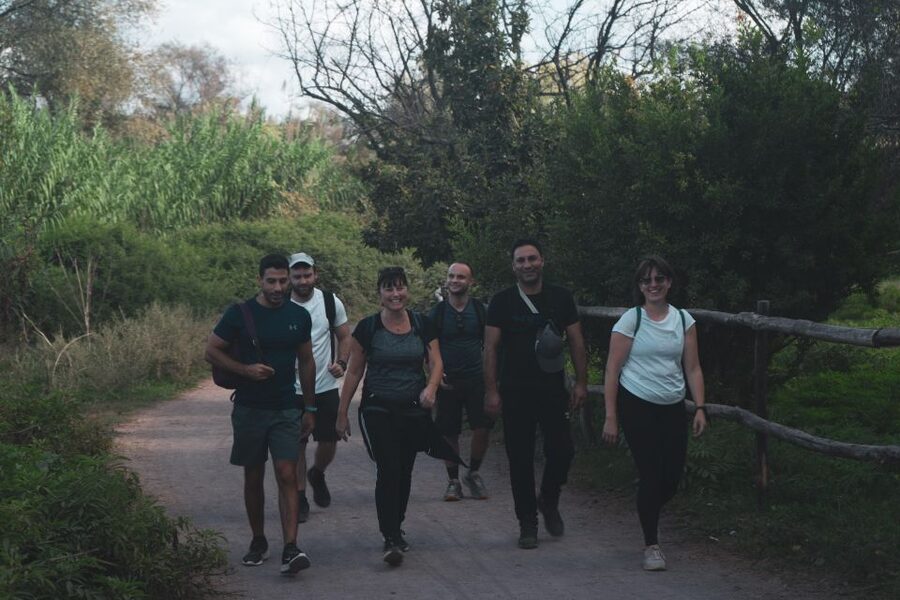
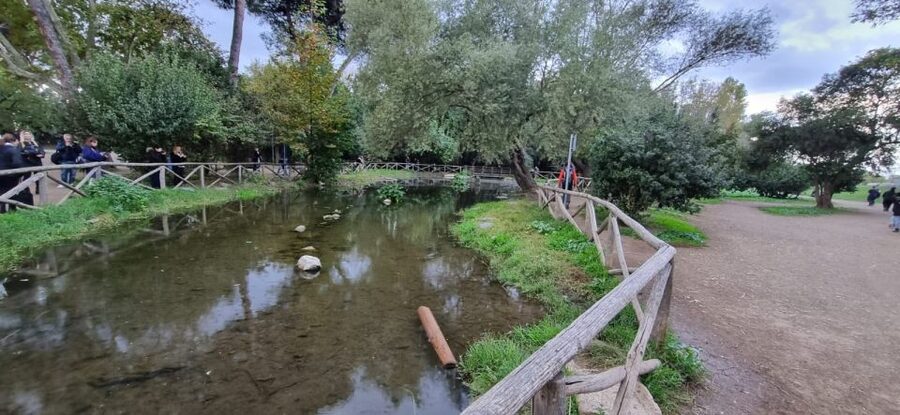
After Porta Furba, the walk reaches Torre Fiscale Park. This section helps set up the main attraction, Parco degli Acquedotti, by showing how Rome’s ancient water structures sit within broad areas of grass, trees, and uncultivated ground.
The contrast is the reason to choose this tour. You are not only looking at masonry. You are watching nature return around structures built by people more than 2,000 years ago. The open setting also gives you a better sense of the aqueducts as working infrastructure, stretching across distance rather than appearing as a single monument.
The route has been praised for its attention to both cultural and natural details. Sal can discuss construction materials and water systems, then shift to the plants and setting around the path. That combination suits anyone who prefers a walk with several subjects rather than a narrow lecture on Roman dates.
The ground is not fully smooth. Uneven terrain is part of the route, and the walk may change if rain creates a problem, a tree falls, or another obstacle affects safety. The guide can shorten, extend, or alter the route when needed. You should treat the published three-hour duration as an estimate rather than a guarantee down to the minute.
Same trailhead, a different sort of day:
- Etna Volcano: South Side Guided Summit Hike
★ 4.7 · 1,545 reviews - Catania: Mount Etna Adventurous Hiking Tour with Equipment
★ 4.7 · 784 reviews - From Sorrento: Path of the Gods Guided Hike with Transfers
★ 4.8 · 530 reviews - From Taormina: Etna Tour with Hiking, Cave Visit, & Tastings
★ 4.7 · 518 reviews
Parco degli Acquedotti: Rome’s grand open-air finale
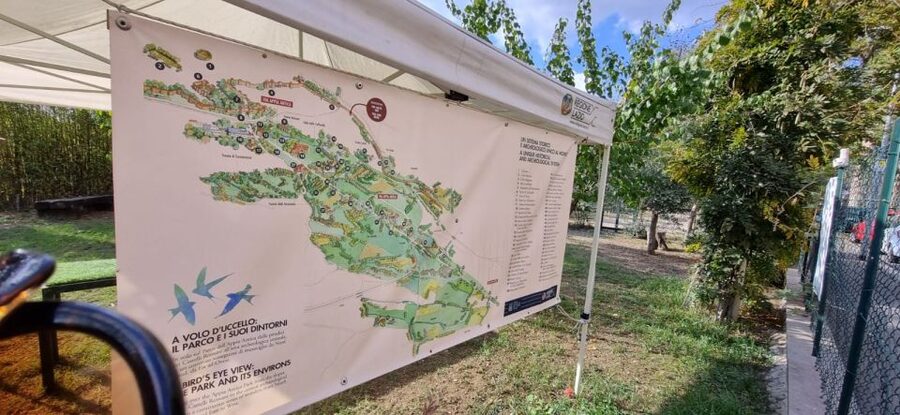
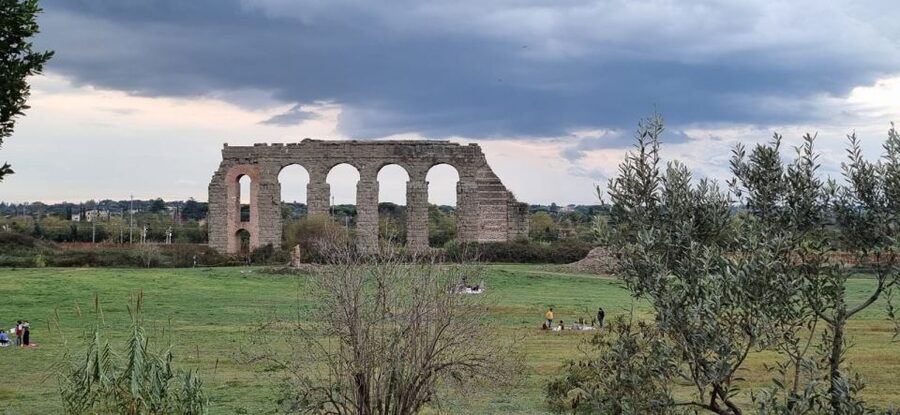
Parco degli Acquedotti is the payoff. The park contains several ancient aqueducts, and the open setting creates the strange, memorable mix of rural space and Roman construction.
On clear days, mountains form a backdrop beyond the arches. That view gives the park a wide sense of place that you rarely get from Rome’s central monuments. The aqueducts stretch through the park while grass and trees occupy the spaces between them. The result can feel almost unreal, especially after the city streets and built-up sections earlier in the walk.
I would bring a camera, but the best photographs depend on the weather and the light. The route gives you both close views of masonry and longer views down the lines of the aqueducts. You may want to photograph small construction details first, then step back for the full scale of the park.
The park also rewards patience. You do not need to rush from one object to the next. Sal’s interpretation helps you notice how the structures relate to the ground, the water system, and later human use. This is where the tour’s focus on the connection between people and nature makes the most sense.
The finish is on Via Lemonia, near number 214, close to the Giulio Agricola station on Rome’s A Line. Because the walk is one way, you do not return to Pigneto. Check your onward plans before starting, especially if your accommodation is far from the southern end of the route.
What the guide adds
Sal is the central reason this experience feels personal rather than mechanical. He begins in his own district, Pigneto, and brings a local sense of how the area has changed. He also has broad interests in history, plants, animals, engineering, and music, and those subjects can give the walk a wider frame.
The strongest quality to look for in a guide on this route is connection. An aqueduct can be interesting on its own, but it becomes more useful when you understand how it shaped settlement, supported Rome, and later became part of neighborhood life. Sal’s explanations also help you notice the natural setting rather than treating the park as a backdrop.
His practical care matters, too. On hot outings, he has adjusted the pace, sought shade, scheduled water breaks, and helped people refill bottles. He has also assisted with onward transport when the ending point was inconvenient. That is not a promised transfer service, but it shows the sort of personal help you may receive in a small group.
The activity is offered in English and German, with the general description also listing Italian. Confirm your preferred language when booking if that choice matters to you.
Distance, weather, and what to pack
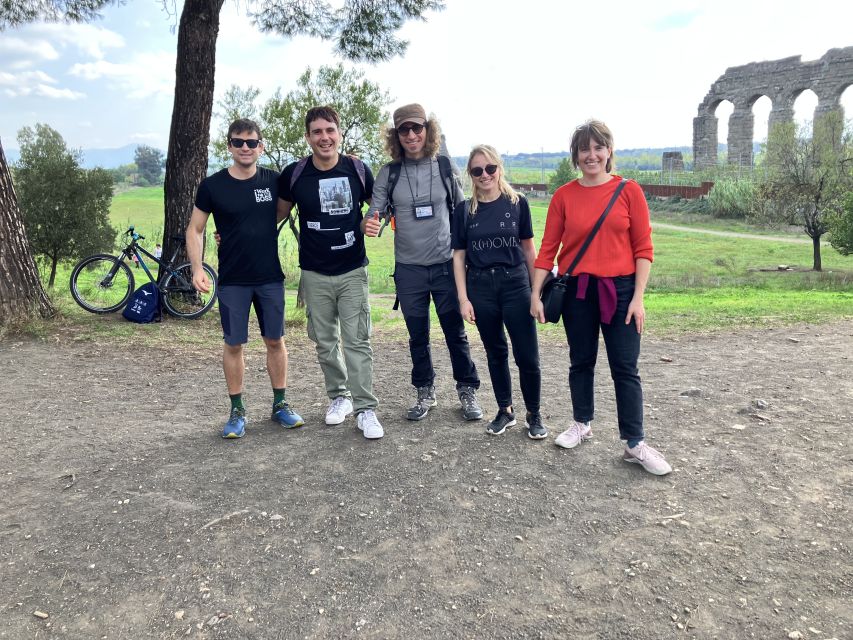
Nine kilometers is about 5.5 miles. For a regular walker, the distance is manageable, but the uneven ground, warm weather, and three-hour pace can make it more tiring than the number suggests.
You should bring:
- Comfortable walking or hiking shoes
- At least 1.5 liters of water
- Clothing suited to sun, rain, and an urban walking route
- A small backpack
- Sunscreen and a hat
- A raincoat
- A snack, if you like
Hiking poles, electrolytes, and sunglasses are optional. Do not wear flip-flops or sandals. After rain, proper hiking shoes become especially important because the surface may be rough or slippery.
The tour operates rain or shine. That makes a weather check part of your planning. On a hot day, wear light clothing and use the water breaks. On a wet day, expect the guide to adjust the route if conditions or fallen trees create a safety concern.
The route is suited to families with older children, but the age information is not perfectly consistent: one part sets the minimum at 14 with an adult, while another says children under 12 are not accepted. Confirm the current age rule before booking. The experience is not suitable for wheelchair users, people with heart or respiratory problems, or anyone over 95.
Is $53 a fair price?
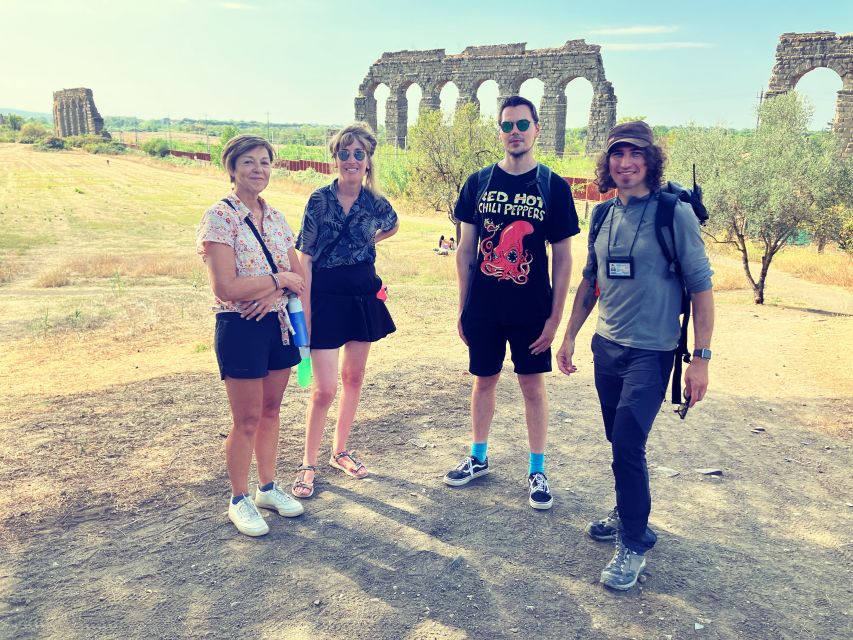
At $53 per person, this is not the cheapest way to see Roman ruins, but the price is reasonable if you want a guided walk rather than a quick visit to a park.
You are paying for about three hours with a professional guide, a small group limited to 10, interpretation across several neighborhoods, and a route that would be difficult to understand fully without local context. There is also no need to arrange separate transport between Pigneto, the Mandrione area, Torre Fiscale, and the aqueduct park.
The value depends on your interests. If you want a compact route through central Rome’s most famous monuments, spend your money elsewhere. If you like urban walking, ancient engineering, local neighborhoods, and open-air ruins, this offers more substance than a simple park visit.
A café stop is included in the route, but food and drinks are not listed as part of the price. Budget for anything you want to buy there.
Free cancellation is available up to 24 hours before departure, and you can reserve now and pay later. Those policies make the booking less risky if your Rome schedule is still taking shape.
Who should book this walk?
I would choose this for someone visiting Rome for a second or third time, especially if the Colosseum and Vatican have already filled the usual sightseeing slots. It also suits a first-time visitor who wants to see how Rome extends beyond its center.
Families with older children can enjoy it if everyone is comfortable walking 9 kilometers. Photographers should find plenty to work with, from close masonry details to long views across the aqueduct park. Anyone curious about plants, urban change, and Roman construction will get more from it than someone interested only in famous statues.
I would skip it if you need a flat, short, highly predictable route. I would also think twice if you have a medical condition affected by heat, walking, or uneven ground. The tour is moderate, not strenuous mountain hiking, but it is still a real half-day walk.
Should you book it?
Book this tour if you want Rome with fewer crowds, more open space, and a guide who can connect ancient engineering to modern neighborhood life. The strongest parts are the change from Pigneto streets to the aqueduct park, Sal’s broad explanations, and the final views across the Roman countryside.
Skip it if your time is limited to the central monuments or if you dislike long one-way walks. For the right walker, though, this is a memorable way to see an older, wilder side of Rome without leaving the city.
FAQ
Where does the hike start?
It starts outside Pigneto subway station on Rome’s C Line, on the side facing a bridge. The other exit faces the Conad grocery store.
Where does the hike finish?
The walk ends at Via Lemonia 214, near the Giulio Agricola subway station on Rome’s A Line.
How long is the walk?
The route covers about 9 kilometers, or 5.5 miles, and usually takes around three hours. The guide may adjust the duration for weather, obstacles, or safety reasons.
Is the route difficult?
It is rated moderate and includes uneven terrain. Comfortable walking shoes are required, and hiking shoes are especially useful after rain.
Is this a round trip?
No. It is a one-way urban hike from Pigneto to the area near Giulio Agricola.
What languages are available?
The activity information lists English and German, while the general description also lists Italian. Confirm the language available for your chosen departure.
Is the tour suitable for children?
It is suited to families with older children. The provided age information differs, with one rule requiring children aged 14 and older to travel with an adult, and another excluding children under 12. Confirm the current rule before booking.
Does the hike run in bad weather?
Yes. The tour takes place rain or shine, though the guide may change or shorten the route for safety.
What should I bring?
Bring hiking or comfortable walking shoes, at least 1.5 liters of water, weather-appropriate clothing, and a small backpack. Sunscreen, a hat, rain protection, and snacks are recommended.
Can I cancel the booking?
You can cancel up to 24 hours in advance for a full refund. The reserve-now, pay-later option may also be available when booking.
Just added around Italy
- Hiking Florence Tuscany hills with lunch & wine★ 5.0 · 22 reviews
- Day trip to Cinque Terre by Deluxe minivan & Hiking★ 5.0 · 6 reviews
- Fiesole Hike & Italian Aperitivo★ 5.0 · 6 reviews
- Hiking Tuscany & Chianti Wine – 3 Organic Wineries with lunch★ 5.0 · 27 reviews
- Hike & Wine Tour★ 5.0 · 9 reviews
- Private Guided Hiking Cinque Terre Day From Florence★ 5.0 · 7 reviews
- Dolomites of Cortina Winter Hiking & Sledding Experience★ 5.0 · 6 reviews
- Snowshoe hike to the Cinque Torri★ 5.0 · 2 reviews
Italy Hiking Tours, compared.
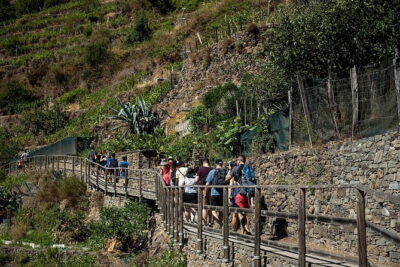
Cinque Terre Day Trip with Optional Hiking or Pisa
Read our review →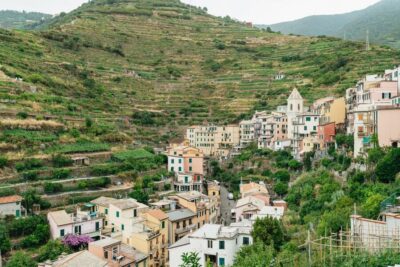
Florence: Cinque Terre Day Trip with Optional Hiking or Pisa
Read our review →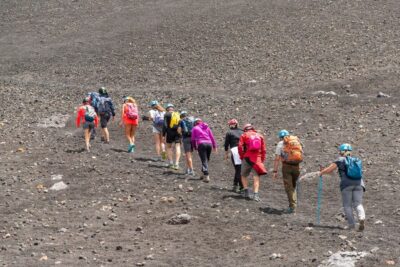
Mount Etna: Summit Guided Hiking Tour up to 3,400 m
Read our review →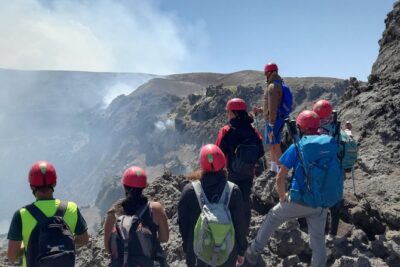
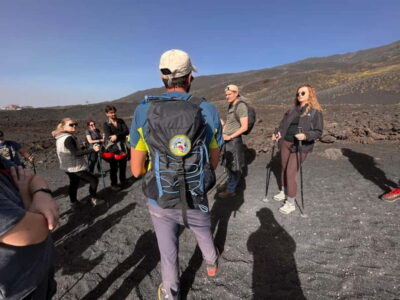
Catania: Mount Etna Adventurous Hiking Tour with Equipment
Read our review →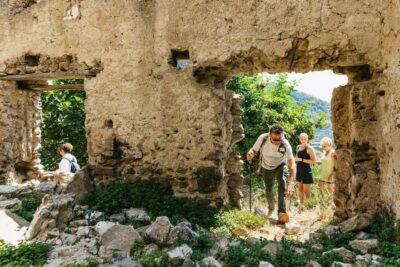
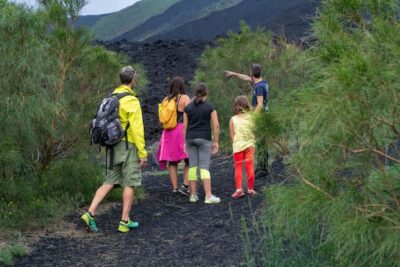
From Taormina: Etna Tour with Hiking, Cave Visit, & Tastings
Read our review →
Catania: Etna Nature Tour with Hiking, Cave Visit, & Tasting
Read our review →Browse the lists this tour appears in