
REVIEW · FOREST & JUNGLE HIKES
Paraty: Gold Trail Rainforest Hiking Tour
Paraty’s Gold Trail is more than a rainforest walk. It is a 3.6-kilometer route through Brazil’s colonial gold story, where gold diggers, mule drivers, and enslaved workers once crossed the mountains between Paraty and the inland mining towns. I like the way the tour connects scenery to history, rather than treating the forest as pretty background. I also like the small group limit of six, which gives your guide room to stop for plants, animals, and questions. The main drawback is the medium-level trail and the use of a regular public bus, so this is not the easiest outing for anyone needing steady transport or step-free access.
Guides such as Gregorio and Leidiana have made a strong impression with their explanations of local plants, animals, and the Gold Trail. I especially like that the walk can include a stop at Tobogã Waterfall, though the visit and nearby distillery stop cost extra and may not be part of the core three-hour program.
Key points to know before you book
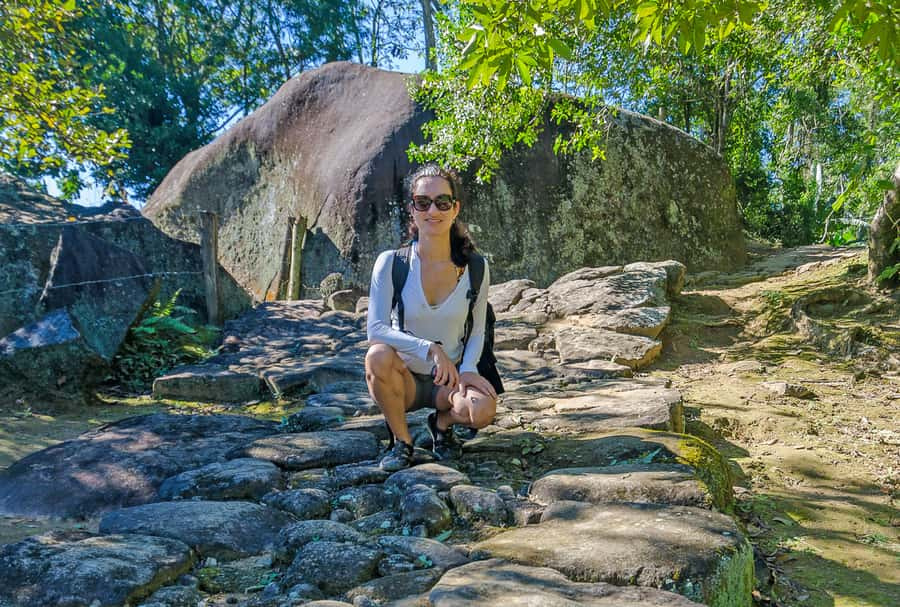
- A 3.6-kilometer walk on a historic route: Follow part of the old road linking Paraty with Diamantina, an important corridor for gold and diamonds.
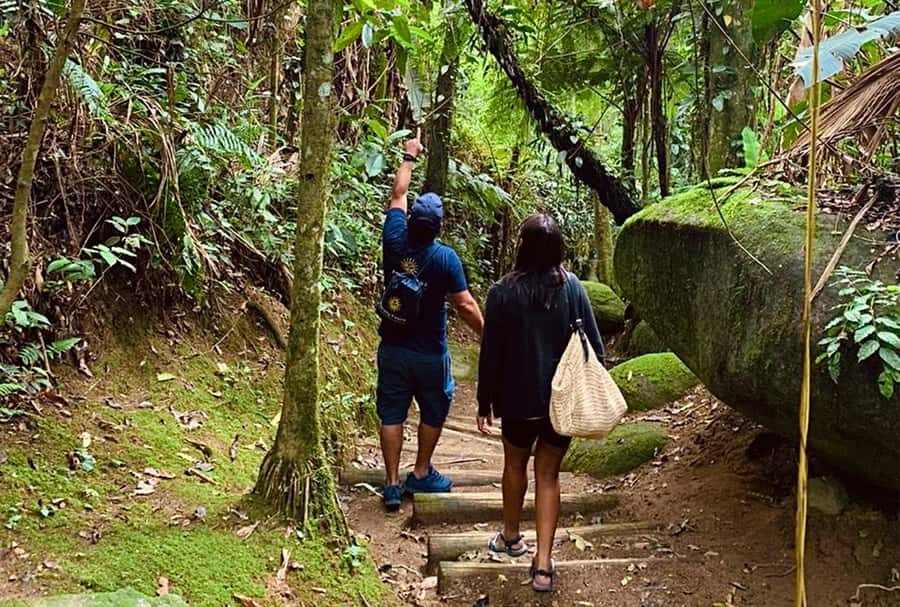
- Atlantic Forest scenery: Your guide introduces the plants, animals, and natural features found inside Serra da Bocaina National Park.
- A real public-bus connection: You walk from the agency to Paraty’s bus station, ride with local passengers, then return the same way.
- Small groups of up to six: This suits you if you want a slower pace and plenty of time for questions and photographs.
- Optional waterfall and distillery stop: Tobogã Waterfall and Engenho do D’Ouro add interest, but they are not included in the tour price.
- Good value at $75: The fee covers the bilingual guide and both public-bus tickets, but not food, drinks, or extra visits.
Why Paraty was the gateway to Brazil’s gold
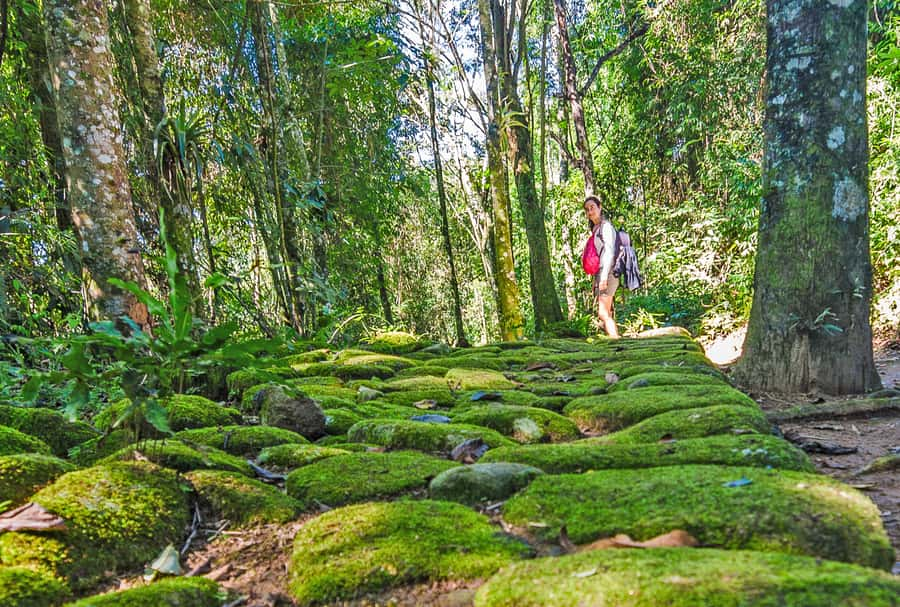
Paraty’s old streets and harbor are easy to admire without thinking about why the town grew so important. The Gold Trail explains that connection. During the colonial period, Paraty was Brazil’s most important port for exporting gold. Gold and diamonds came down from inland mining centers such as Ouro Preto and Diamantina, then continued toward the coast.
Ouro Preto and Diamantina both became UNESCO World Heritage sites, and their names reflect the mineral wealth found around them. The route between those inland towns and Paraty was not a simple scenic path. It was a working corridor used by mule drivers, prospectors, colonial officials, and enslaved people.
That history gives the hike weight. You are not simply walking through forest from one viewpoint to another. You are following part of a route that helped push Brazil’s borders farther inland. Your guide brings this story into the walk, using the trail itself to explain how people and goods moved through the mountains.
The subject is difficult as well as fascinating. Enslaved workers played a major role in the construction and use of the route, and the tour places their labor within the wider story of the gold rush. That makes the experience more worthwhile than a quick nature outing, especially if you want to understand how Paraty fits into Brazilian history.
More Forest Hikes in Brazil
- Rio: Tijuca Forest Small Group Hike to Caves and Waterfalls
★ 4.9 · 536 reviews - Rio de Janeiro: Tijuca Forest Challenge Hike Full-Day Trip
★ 4.9 · 163 reviews - Tijuca Forest Hike – Waterfalls & Caves, Nature & Wild Life!
★ 5.0 · 51 reviews
Starting at Paraty Tours Agency
The meeting point is Paraty Tours Agency at Av. Roberto Silveira, 479, in Centro. From there, you take a short walk to the bus station. This opening section is simple, but it matters when planning your morning: pickup and drop-off at your lodging are not included.
You then board a regular public bus to the beginning of the trail. This is not a private shuttle reserved for the group. You share the ride with local passengers, making the transfer part of everyday Paraty rather than a polished tourist service.
I see this in two ways. The bus keeps the price at a reasonable $75 and gives you a more local form of transport. On the other hand, you do not get the comfort or control of a private vehicle. Starting times depend on availability, and you should arrive ready to move rather than expecting a long introduction at the agency.
The same public-bus arrangement brings you back to the meeting point at the end. Your two bus tickets are included, so you do not need to budget separately for the standard transfers. Food and drinks are not included, so bring what you need for the walk.
Walking the 3.6-kilometer Gold Trail
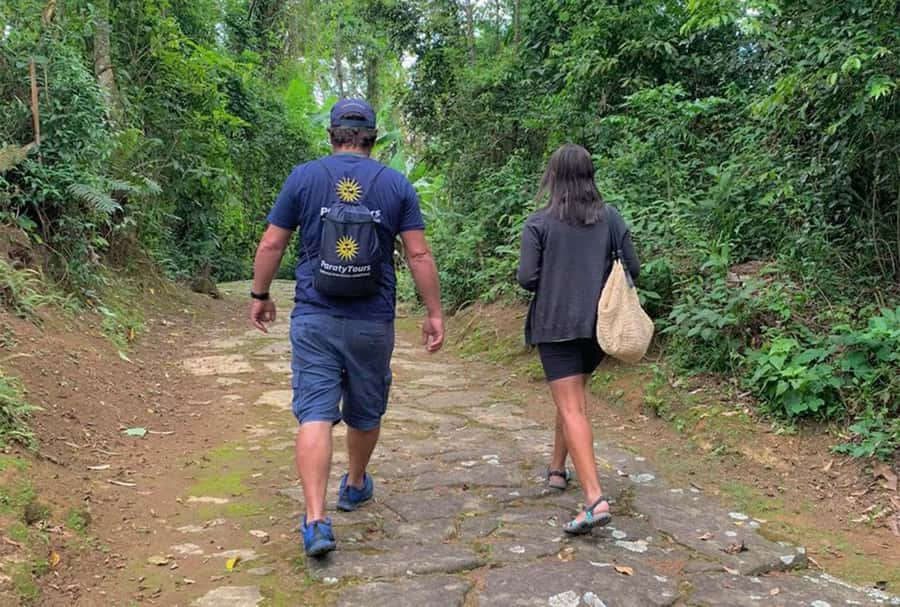
The hike covers about 3.6 kilometers, a manageable distance for many people but not a flat city stroll. The trail is described as medium level, and you should wear comfortable shoes and clothing suitable for uneven outdoor conditions.
The route takes you through Serra da Bocaina National Park, where the Atlantic Forest provides the natural setting. This forest is one of the main reasons to choose the tour, but the experience depends on paying attention. The most valuable moments may be a guide stopping to identify a tree, explain a plant, or point out signs of local animal life.
The pace also matters. The group is limited to six people, and the guides have room to pause for photographs and questions. Gregorio is noted for explaining the area’s history, vegetation, and animals, while Leidiana has been praised for her clear English and strong grasp of the Gold Trail and rainforest. Those details matter if you want more than a fast walk with a few broad facts.
Bring water, snacks, sunscreen, insect repellent, and a sun hat. Swimwear is also recommended because the optional waterfall stop can make a refreshing end to the outing. Comfortable footwear is essential. This is not the place for smooth-soled sandals or shoes chosen mainly for photographs.
The Atlantic Forest is part of the lesson
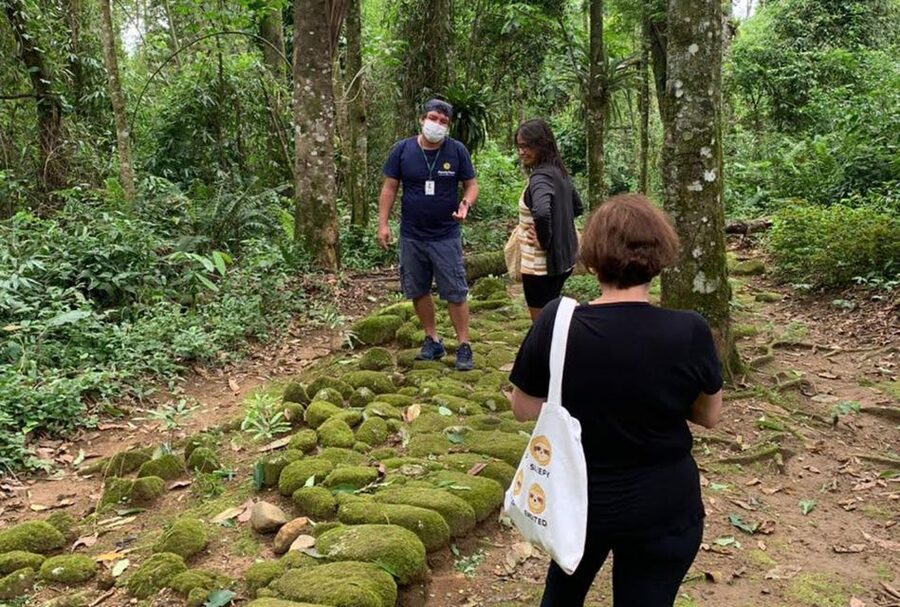
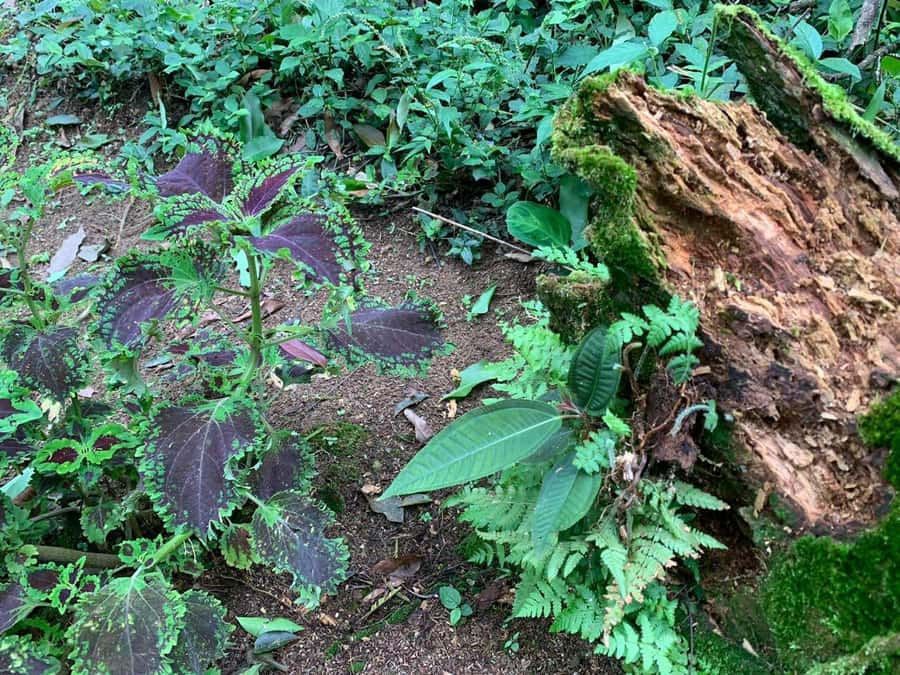
The forest section works best when you treat it as a natural-history walk, not only as exercise. The tour introduces the flora and fauna characteristic of the Atlantic Forest, giving you a closer look at the living setting around the old route.
I like this combination because the history becomes easier to picture when you can see the terrain that people had to cross. The route’s hills, vegetation, and water are not separate from the gold story. They help explain why moving goods and people between the coast and inland mines required time, animals, and hard labor.
The available information does not promise sightings of particular animals, so you should not book this as a wildlife-spotting trip. Instead, expect your guide to discuss the species and plants found in the area. You may find that the best part is a close look at a plant or tree that you would otherwise walk past.
The forest can also make the walk feel cooler and more shaded than an exposed road, but that does not remove the need for sun protection or water. Warm, humid conditions are possible in this part of Brazil, and your own comfort will depend heavily on preparation.
Same trailhead, a different sort of day:
- Pedra do Telégrafo Hike and Beach Full-Day Tour
★ 4.5 · 417 reviews - Sunrise and Sunrise Walk Two Brothers with Local Guide
★ 5.0 · 193 reviews - Rio de Janeiro: Pedra da Gávea 7-Hour Hike
★ 4.7 · 183 reviews - Rio de Janeiro: Vidigal Favela Tour and Two Brothers Hike
★ 4.5 · 121 reviews
Learning from the guides
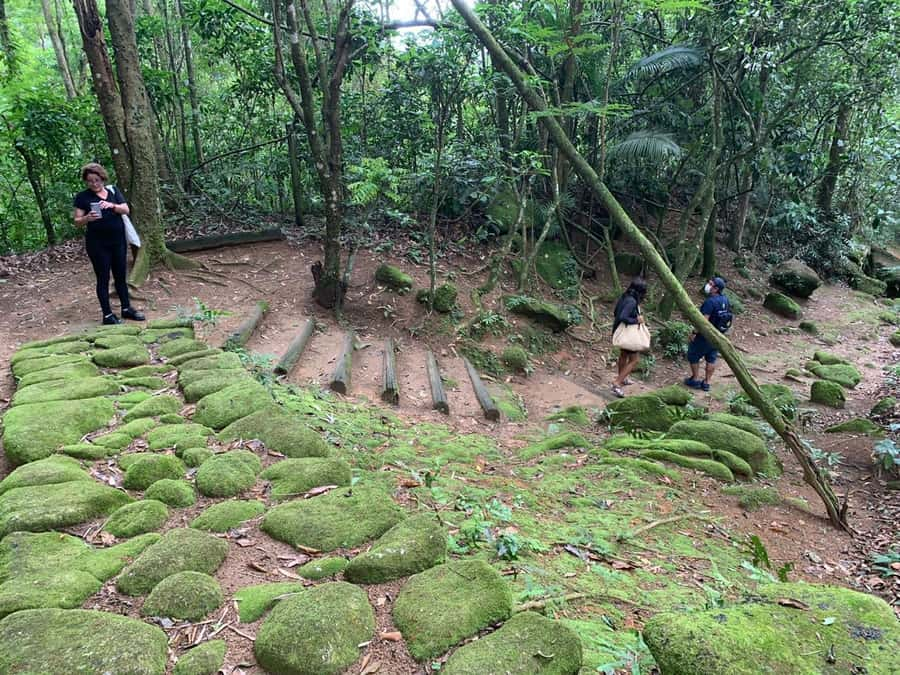
A good guide is especially important on this tour because the old route does not explain itself. A stone path or forest passage can look like an ordinary trail unless someone connects it to the movement of gold, diamonds, animals, and people.
Gregorio has been singled out for his explanations of local history, vegetation, and animals. He is also described as patient with frequent stops for photographs and plant observations. That is useful if you prefer a measured walk instead of being hurried from one point to the next.
Leidiana has also guided the experience in English and Portuguese. Her English has been described as very good, which makes this a sound choice for English-speaking visitors who want detailed explanations rather than a guide who offers only basic translation.
The tour is bilingual, not an English-only outing. If your group includes people who speak Portuguese, the language mix may be an advantage. If you want a completely private English-language experience, confirm the guide arrangement before booking.
Ending at Tobogã Waterfall and Engenho do D’Ouro
The tour may finish with an optional visit to Tobogã Waterfall and the Engenho do D’Ouro distillery near the Paraty-Cunha road, in Vila do Penha. The waterfall has been described as a special highlight, and it gives the outing a pleasant change of pace after the historic trail.
Bring swimwear if you want the option of getting into the water. The provided details do not promise that swimming will always be possible or that the stop is included in every booking, so treat it as an optional addition rather than the main reason to reserve.
Engenho do D’Ouro adds a cultural stop connected with local production. Since the visit is not included, ask about the extra cost and timing before setting your plans around it. The same applies to Tobogã Waterfall. These additions can make the outing feel fuller, but they may also change the exact schedule.
If your priority is the Gold Trail and rainforest, you can still get the main experience without treating the optional stops as essential. If you want a mix of walking, water, and a local distillery, they make the package more appealing.
Is $75 a fair price?
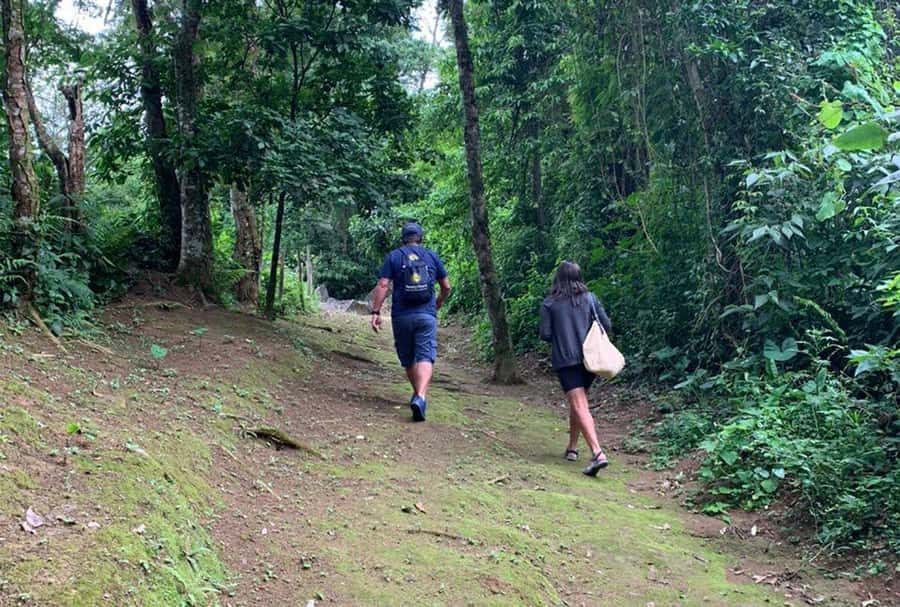
At $75 per person, the tour sits above the cost of taking a public bus and walking independently, but the comparison is not quite that simple. The price includes a bilingual guide and the regular bus tickets to and from the trail. More importantly, it gives you historical and natural interpretation along a route that would be easy to misunderstand on your own.
The small group limit improves the value. With no more than six participants, you are more likely to hear the guide clearly and ask about a plant, trail feature, or period of history. It also suits people who take photographs or want to pause without holding up a large group.
You still need to pay for your own food and drinks, and the waterfall and distillery visits are not included. You also need to reach the agency independently. For a short, three-hour experience, the price is best for you if the guide’s explanations are a central part of the appeal.
Check the timing carefully because the description also uses the phrase spend a day, while the listed duration is three hours. The practical figure to plan around is three hours, with the optional stops potentially affecting the schedule.
Who will enjoy this walk most?
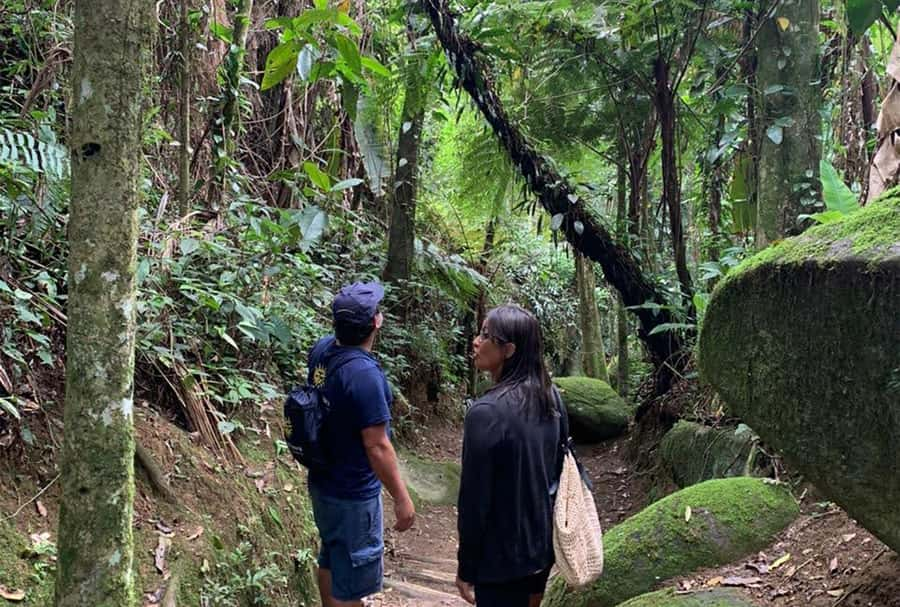
I would choose this tour if you want Paraty to mean more than colonial buildings, beaches, and boat trips. It gives you a clear link between the town, the Atlantic Forest, and the gold routes that shaped Brazil.
It suits you if you enjoy:
- Moderate outdoor walks
- Local history explained on site
- Small groups
- Plants, animals, and forest ecology
- Public transport and everyday local settings
- Optional swimming or a distillery visit
I would think twice if you have limited mobility, use a wheelchair, or dislike uneven trails. The experience is specifically not suitable for people with mobility impairments or wheelchair users. It may also be a poor match if you want private transport, a short paved walk, or a tour focused only on waterfalls.
The hike is not presented as an advanced expedition, but medium-level terrain still calls for sensible shoes and a reasonable level of fitness. Bring water and snacks rather than relying on a shop or café along the route.
Practical packing and planning advice
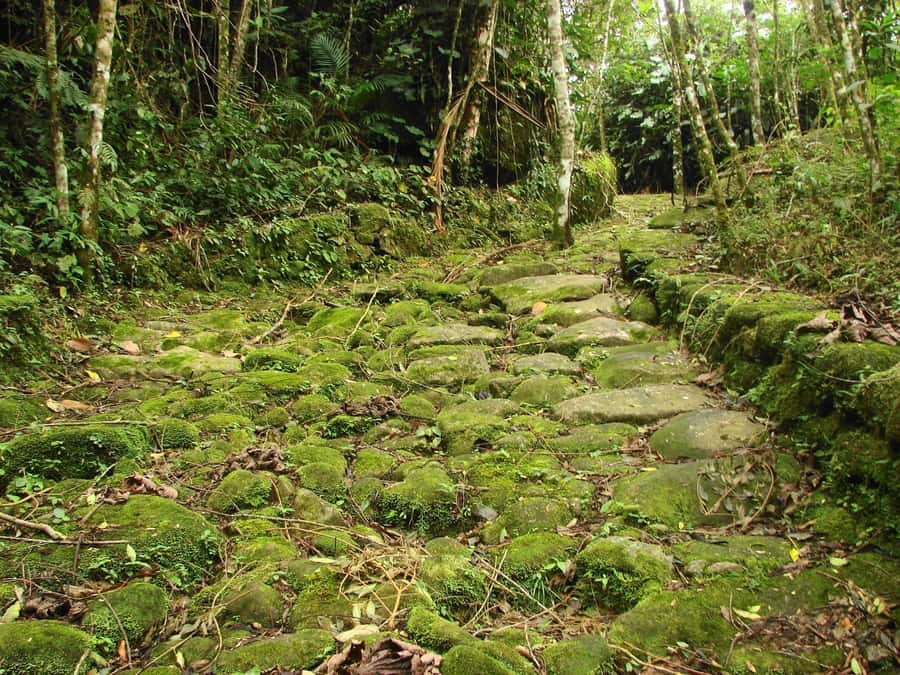
Start with sturdy, comfortable shoes. Add lightweight clothing, a hat, sunscreen, insect repellent, and enough water for the walk. Snacks are important because food is not included.
Pack swimwear if you might visit Tobogã Waterfall. A small bag is easier to manage on the bus and trail than a large daypack.
Arrive at Paraty Tours Agency, Av. Roberto Silveira, 479, Centro, with enough time to walk to the bus station. Since the transfer uses a regular public bus, do not assume that a private vehicle will be waiting outside the agency.
The tour has free cancellation up to 24 hours before departure, and you can reserve now and pay later. Those options are useful if your Paraty schedule is still shifting, but you should still check the available start time before committing to other plans.
Should you book the Gold Trail tour?
Book it if you want a compact, active history lesson with real forest scenery. The best reason to go is the combination of a working colonial route, Atlantic Forest ecology, and a guide who can explain both in English or Portuguese. Gregorio and Leidiana are names worth noting if guide quality is important to you.
The $75 price makes sense for a small group with bus tickets and a bilingual guide included. The public bus and optional extras keep it from feeling like a fully packaged luxury excursion, but that is also part of its local character.
Skip it if you need easy access, private transportation, or a guaranteed waterfall and distillery visit. For everyone else, this is a strong choice for seeing the less obvious side of Paraty, especially if you are willing to trade a little comfort for a closer look at the route that carried Brazil’s gold toward the coast.
FAQ
How long is the Gold Trail hike?
The trail section is about 3.6 kilometers, and the listed tour duration is three hours.
Where does the tour meet?
You meet at Paraty Tours Agency at Av. Roberto Silveira, 479, Centro, Paraty, Rio de Janeiro.
Is transportation to the trail included?
Yes. The tour includes regular public-bus tickets to and from the trail. You walk from the agency to the bus station, and no private pickup or drop-off in Paraty is included.
What languages are available?
The tour is offered in English and Portuguese with a live bilingual guide.
Is Tobogã Waterfall included?
A visit to Tobogã Waterfall may be offered at the end, but it is optional and not included in the tour price. Engenho do D’Ouro distillery is also an optional extra.
What should I bring?
Bring comfortable shoes, a sun hat, swimwear, snacks, sunscreen, water, and insect repellent.
Just added around Brazil
- Rio de Janeiro: Sugarloaf Mountain Hike and Climb★ 5.0 · 45 reviews
- São Paulo: Atlantic Forest Hike in Jaraguá Park with Picnic★ 4.9 · 23 reviews
- São Paulo: Cantareira Natural Park Guided Rainforest Hike★ 4.6 · 19 reviews
- Rio de Janeiro: Telegrafo Rock Hike with Optional Beach Stop★ 5.0 · 13 reviews
- Rio de Janeiro: Tijuca Forest Waterfall of Souls Hike★ 4.5 · 24 reviews
- Rio de Janeiro: Pedra da Gavea Adventure Hike★ 4.7 · 5 reviews
- Rio de Janeiro: Pedra do Telégrafo Trail Hike and Ocean View★ 5.0 · 30 reviews
- Rio de Janeiro: Pedra do Telegrafo Hike & Grumari Beach Tour★ 5.0 · 4 reviews
Forest & Jungle Hikes, compared.
Small Group Waterfall and Rainforest Hiking Adventure on Maui
Read our review →
Hike El Yunque Rainforest and Kayak Bio Bay Combo Tour
Read our review →
From Khao Lak: Khao Sok Jungle Hike & River Tour
Read our review →
Guided forest hike to Seattle waterfalls incl. Snoqualmie Falls
Read our review →
Mt. Rainier highlights – old forest, falls and glaciers
Read our review →
Ketchikan Electric Bike and Rain Forest Hike Ecotour
Read our review →
Great Ocean Road 12 Apostles & Rainforest Walk with Morning Tea
Read our review →Browse the lists this tour appears in