REVIEW · RIO DE JANEIRO
Rio: Tijuca Forest Small Group Hike to Caves and Waterfalls
Tijuca Forest is where Rio’s city energy gives way to dripping rainforest, old stonework, steep trails, and cool waterfalls. This six-hour trip packs a lot into a 6.2-kilometer hike, including the park’s highest waterfall, an old chapel, coffee plantation ruins, and Brazil’s largest gneiss cave.
I like the way the tour joins nature with Brazil’s past, rather than treating the forest as a simple walk in the trees. I also like the small groups and the guides, especially Vini, Riccardo, Tito, Renata, Luiza, and Gustavo, who bring in geology, plants, politics, geography, and local history. The main catch is the uphill work: the route gains 448 meters, and the rough rainforest trail can feel tougher than the word moderate suggests.
Key points before you book
- A 6.2-kilometer forest circuit: Allow two and a half to three hours for the walking itself, plus stops and transport.
- Waterfall shower near the end: Baronesa Cascade gives you a chance to cool off, so wear clothes that can get wet.
- More than a nature walk: You visit Mayrink Chapel, coffee farm remains, an old slave cemetery, a suspension bridge, and a former estate.
- Small groups with bilingual guides: Tours operate in English and Portuguese, with private options available.
- Hotel pickup in Rio’s South Zone: Pickup and return cover selected addresses in Copacabana, Ipanema, Leblon, Leme, Botafogo, Flamengo, Santa Teresa, Gloria, Catete, and Urca.
- Good fitness is needed: Expect rough ground, uphill and downhill sections, and one or more steep climbs.
Why this Tijuca Forest hike feels different
Many Rio excursions focus on a single lookout or a famous summit. This one follows an older network of trails through Tijuca National Park and makes the forest itself the main attraction.
The route passes through places shaped by both nature and human use. In the 19th century, coffee plantations occupied parts of this area. Later, the forest was replanted, creating what is described as the world’s largest replanted urban forest. That background gives the walk a useful sense of place: you are not just seeing trees, but a forest tied closely to Rio’s growth, water supply, farming, and restoration.
Your guide is important here. The strongest part of the experience is not simply finding the path. It is having someone explain why a particular tree matters, how the forest changed, where old buildings fit into Rio’s past, and how the park connects to the city below.
The guides have different strengths. Vini is praised for linking the forest with Brazil’s social and political life. Luiza has a botany background and can explain the ecosystem clearly. Riccardo and Tito are noted for an easy manner and strong history lessons, while Renata is attentive to group needs and has a reputation for good photography. The guide you receive will shape the day, but the standard is high across the team.
More Forest Hikes in Brazil
- Rio de Janeiro: Tijuca Forest Challenge Hike Full-Day Trip
★ 4.9 · 163 reviews - Tijuca Forest Hike – Waterfalls & Caves, Nature & Wild Life!
★ 5.0 · 51 reviews - Rio de Janeiro: Hiking and Rappelling at Tijuca Forest
★ 4.8 · 44 reviews
From Taunay Waterfall to Mayrink Chapel
The tour begins with transport from your hotel or a nearby meeting point in Rio’s South Zone. Pickup times vary, and the van may collect several people, so allow some flexibility at the start. One useful improvement would be a clearer vehicle description, since at least one person wanted the car model or license plate in advance.
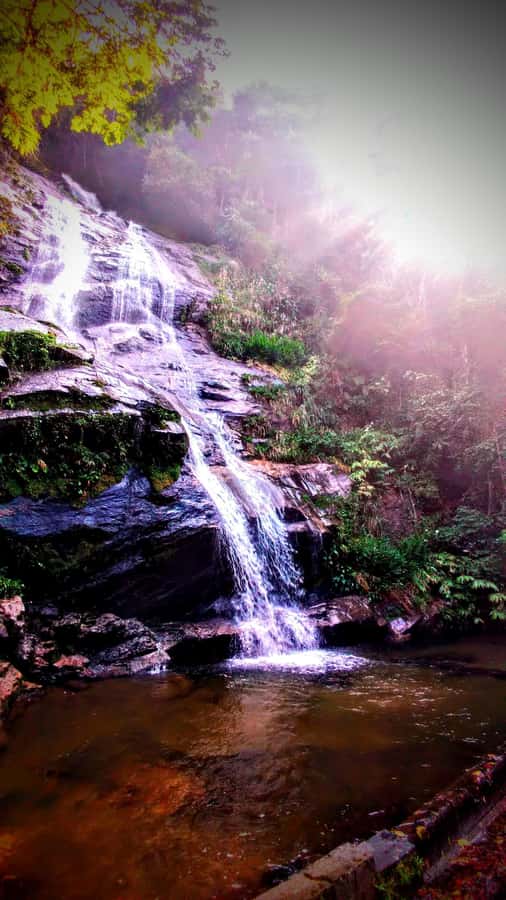
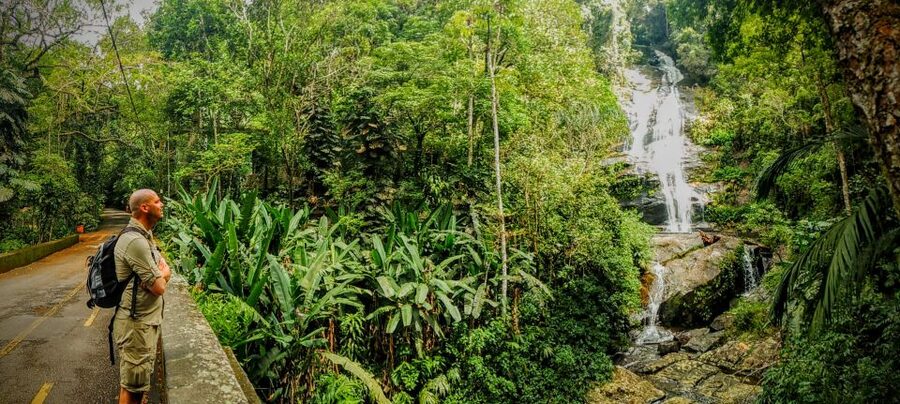
Cascatinha Taunay is an early highlight. It is described as the largest waterfall in the national park, and the short stop gives you time to see the water, take photographs, and begin learning about Tijuca’s plant life. It is not the swimming stop. Save that expectation for Baronesa Cascade later in the route.
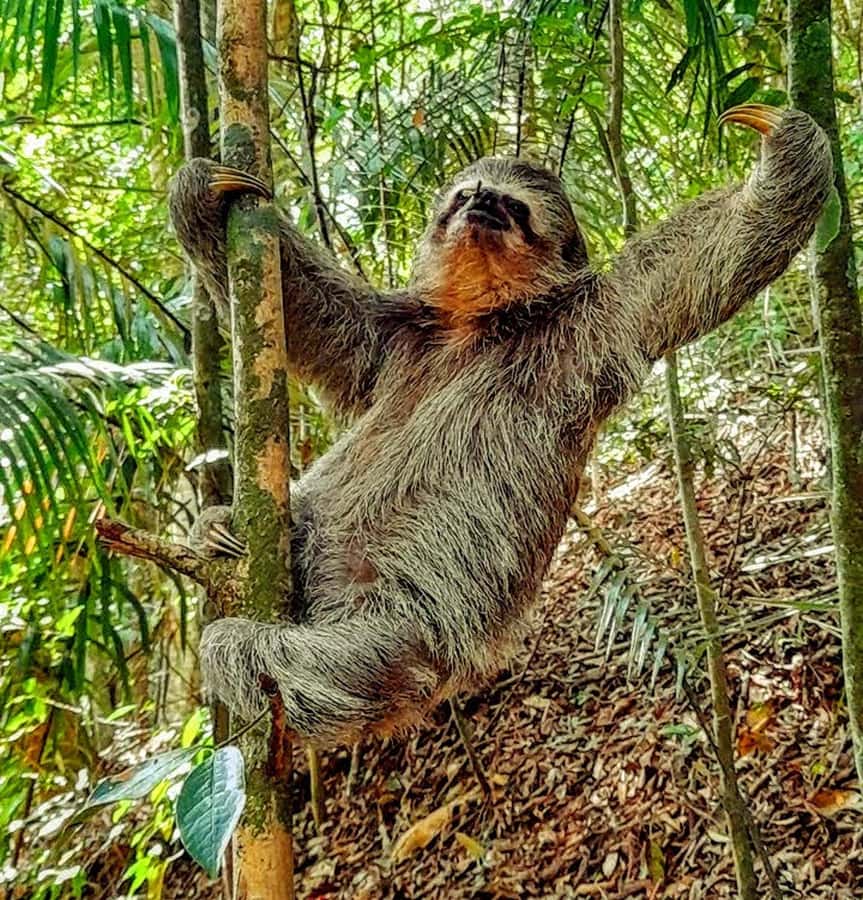
The guide then sets the wider scene with an introduction to Tijuca National Park. This is a good moment to ask questions about the forest’s replanting, former plantations, and wildlife. You may see monkeys, coatis, or even a sloth, but sightings are never promised. Some outings pass without any animals at all, so book this for the forest and the interpretation, not for a guaranteed wildlife count.
Mayrink Chapel offers a sharp change of mood. Built in 1850, this small chapel is an unexpected sight among the trees. The stop is brief, mainly for a visit and photographs, but it helps show how the forest once served estates and other human activity. Do not expect a long church tour. The value is in the contrast between the old building and its rainforest setting.
Old trails, bridges, and plantation remains
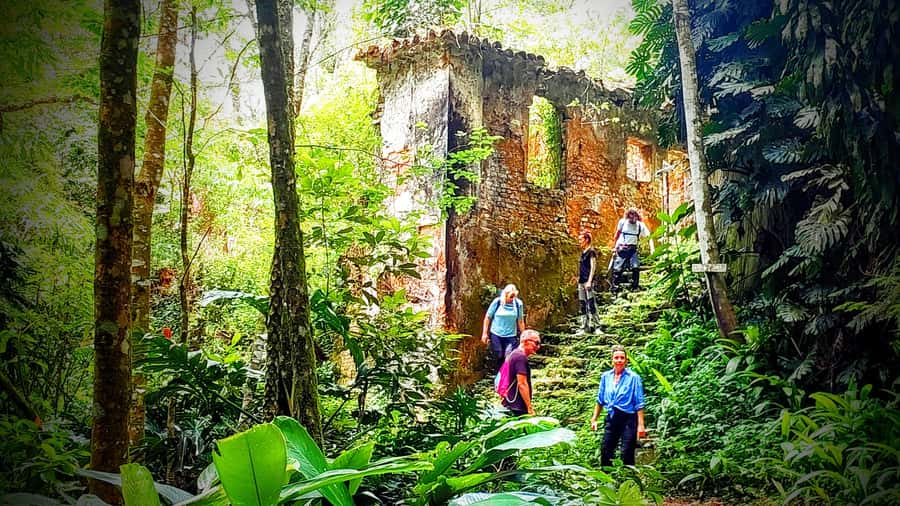
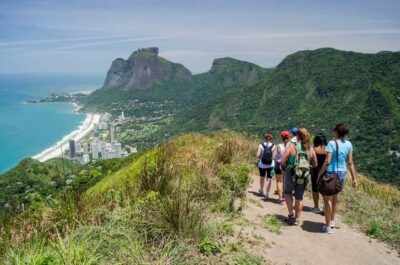
After the chapel, the walking becomes more central to the experience. The path uses trails made in the 19th century, with uneven ground and sections that rise and fall through the forest. Much of the route is shaded, a welcome relief from Rio’s heat, but shade does not remove the physical effort.
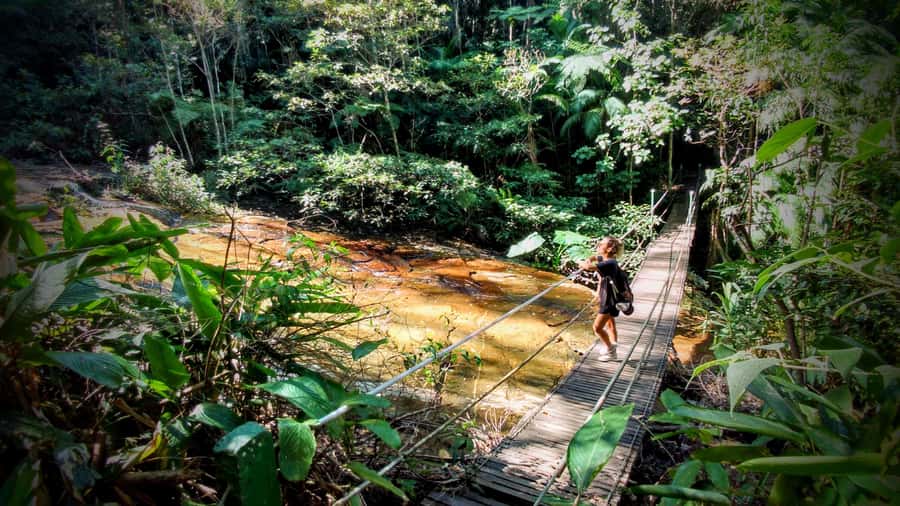
Cova da Onça Suspension Bridge adds a little drama without turning the outing into an extreme adventure. You cross, stop for photographs, and continue through the forest. The bridge is one of several moments that break up the walking and give you something specific to look forward to.
The Eucalyptus Forest contains an old slave cemetery. This is a sober stop, and the guide’s explanation matters. It adds a human cost to the story of coffee cultivation and helps prevent the old plantation remains from feeling like picturesque ruins without context.
Other parts of the route include a former residence linked to Barão d’Escragnolle, one of the park’s past managers. The building is now associated with Esquilos restaurant. You also pass an old house and other traces of earlier use. These are not fully restored attractions with displays and gift shops. They are fragments in the forest, which makes the guide’s explanation especially useful.
The route also includes a Wallace Fountain. Its sculpture represents goodness, charity, sobriety, and simplicity. English philanthropist Richard Wallace gave the fountain to Brazil, and it was produced in France in 1870. It is an oddly international detail in the middle of Tijuca, and a nice reminder that Rio’s story has always involved people, objects, and ideas arriving from elsewhere.
Inside Morcego’s Grotto, Brazil’s largest gneiss cave
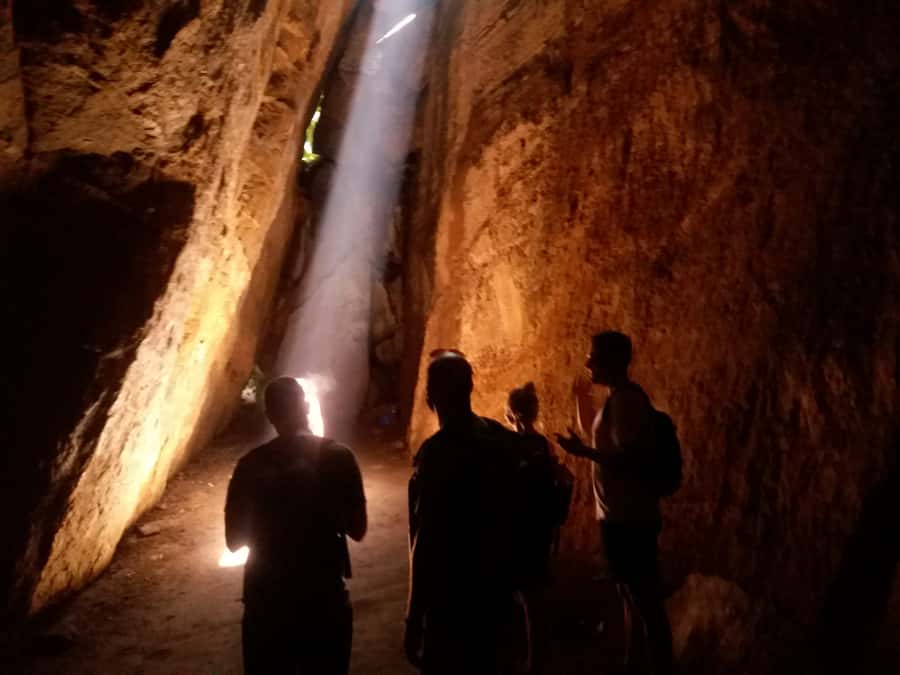
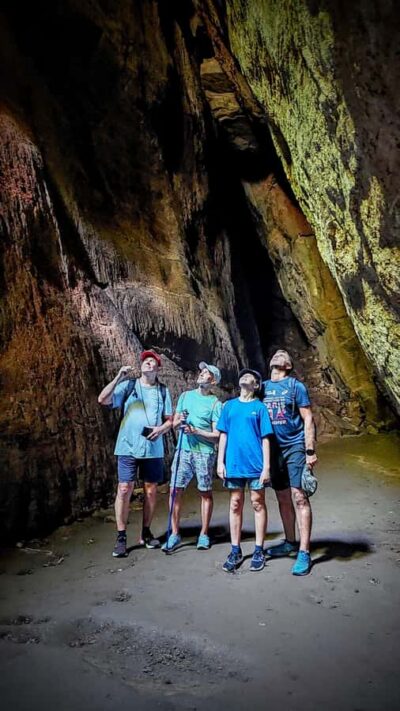
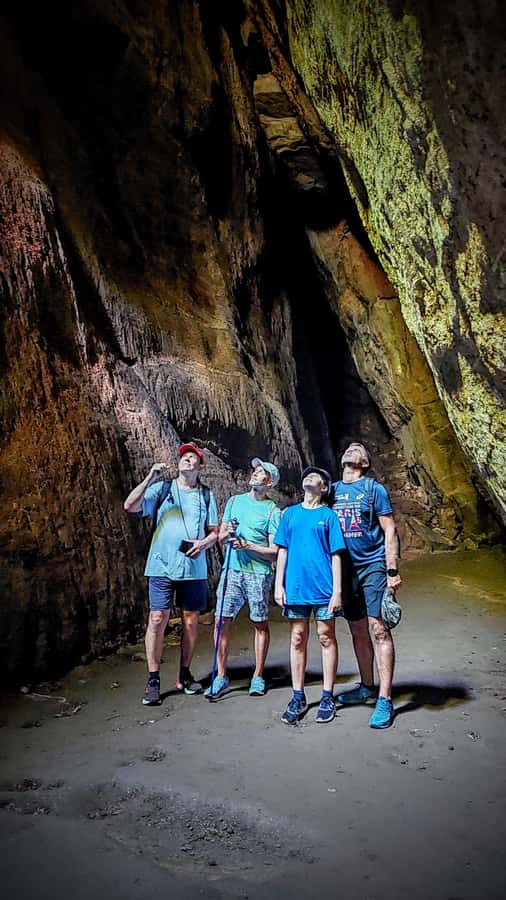
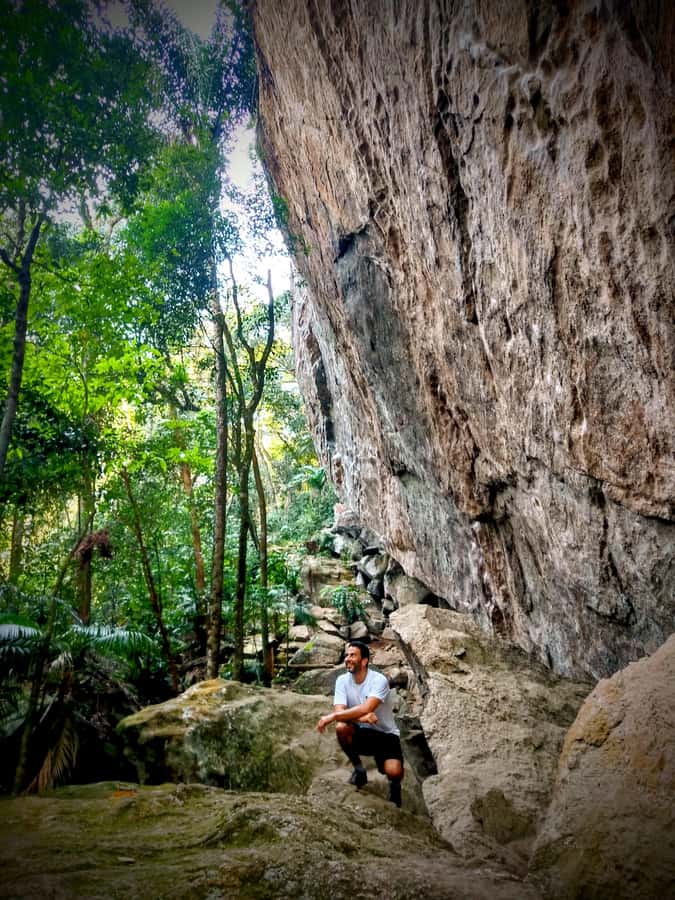
Morcego’s Grotto, also called Bat Cave, is among the more unusual stops. It is described as the largest gneiss cave in Brazil, giving the tour a geology lesson as well as a rainforest walk.
The cave section involves hiking and a guided visit. Conditions inside can vary, and you should not expect a staged attraction with bright lighting or a long underground expedition. One person found the cave especially interesting but did not see bats because they were hibernating. That is a useful reminder: wildlife is best left undisturbed, and the cave is worthwhile even when its namesake animals stay out of sight.
Bring sports shoes with a firm grip. Bare feet are not allowed, and ordinary city footwear is a poor match for rough, possibly damp ground. A daypack is better than a large bag, which is not permitted.
More Forest Hikes in Rio de Janeiro
- Tijuca Forest´s hike: caves, waterfalls and great views
★ 5.0 · 9 reviews - Bico do Papagaio Guided Hiking Tour in the Tijuca Forest
★ 4.1 · 7 reviews - Rio de Janeiro: Pedra Bonita & Tijuca Forest Hike Tour
★ 5.0 · 3 reviews
The waterfall shower at Baronesa Cascade
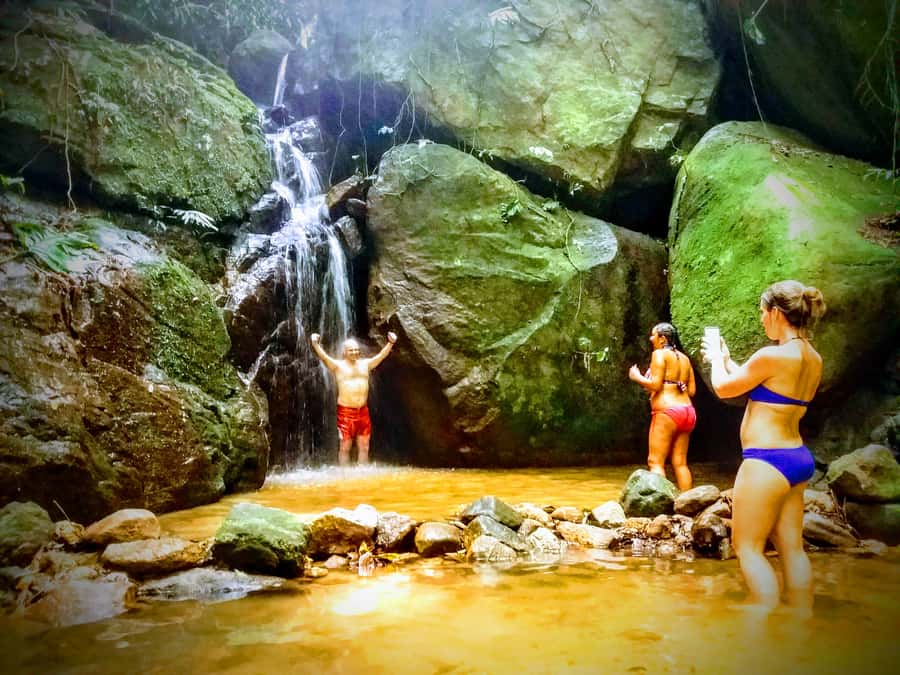
Baronesa Cascade is the point many people remember most. After the cave and forest sections, you reach a smaller waterfall where you can cool off in the water. It is a practical reward after the uphill work, not a polished resort-style swimming area.
Wear quick-drying clothes or pack a change of clothing. You will also want a towel, though the supplied information does not list one as included. Keep your expectations sensible: the stop is designed for a refreshing waterfall shower, and conditions can change with weather and water levels.
This section also explains why the route works well as a half-day outing. The walk builds toward a physical payoff, then returns through more historic and scenic points rather than simply retracing every step. Mirante da Palmira and another viewpoint provide chances to pause and take in the surrounding views.
How hard is the 6.2-kilometer route?
The official description calls the hike moderate, with two and a half to three hours of walking and 448 meters of elevation gain. In plain terms, you need a reasonable level of fitness and comfort on rainforest terrain.
The experience can feel easy to one person and demanding to another. Some people describe it as a straightforward walk with basic fitness requirements. Another person nearly gave up on a steep section, while completing it with help from the guide and group. Even those who found the walking manageable were ready to sleep during the ride home.
Expect:
- Uneven rainforest paths
- Uphill and downhill walking
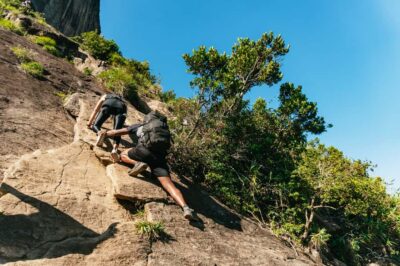
- At least one notable steep section
- Stops for photographs and explanations
- Possible mud or damp surfaces after rain
- A total activity time of about six hours, including transport and sightseeing
You do not need to be an advanced hiker, but this is not suitable for someone who struggles with sustained uphill walking. It is not designed for wheelchair users or people with heart problems.
Good shoes, sportswear, sunscreen, insect repellent, and plenty of water are essential. Bring food and snacks because meals are not included. The forest is often cool under the trees, but Rio’s heat and humidity still make hydration important.
Wildlife is possible, not promised
Tijuca Forest can produce memorable animal sightings. A sloth was seen from the vehicle while still inside the park, and some outings have included coatis and capuchin monkeys. Those moments are special precisely because they are not scheduled.
You may also see little or no wildlife. The forest experience remains worthwhile through its plants, rocks, waterfalls, and old structures, but anyone hoping for a wildlife-focused safari should choose a different type of outing.
The guides help you notice small details that are easy to miss. A good guide may point out plants, explain the ecosystem, or connect a stretch of forest with the return of animal species. You should listen closely and ask questions. The trip rewards curiosity more than a simple checklist of sights.
Transport, group size, and what the $69 covers
At $69 per person, the price is fair if you want transport, a bilingual guide, park interpretation, and a structured route through several scattered attractions. Reaching Tijuca independently can be awkward, and navigating old trails, caves, bridges, and historic sites without local help would reduce much of the educational value.
Hotel pickup and drop-off are included from selected hotels and hostels in Rio’s South Zone. The service covers areas such as Copacabana, Ipanema, Leblon, Leme, Botafogo, Flamengo, Santa Teresa, Gloria, Catete, and Urca. If your address is not covered, you receive a nearby meeting point instead. Pickup from outlying areas is not included.
Small groups are a real advantage. Groups of five are common, and one particularly quiet outing had only two people. A smaller group makes it easier to keep a steady pace, ask questions, and receive help on steep sections. Private groups are also available if you want more control over timing.
Transportation is generally punctual and short, though one person found the van cramped, especially for taller men. That is worth considering if comfort during the ride matters to you. Insurance and the English or Portuguese-speaking guide are included. Food, drinks, and water are not.
The activity has a 4.9 rating from 536 reviews, which fits the main pattern: guide quality is the strongest reason people value the tour. The forest itself can be quiet, crowded in places, or light on wildlife, but a good guide gives the day shape and meaning.
Should you book this Tijuca Forest experience?
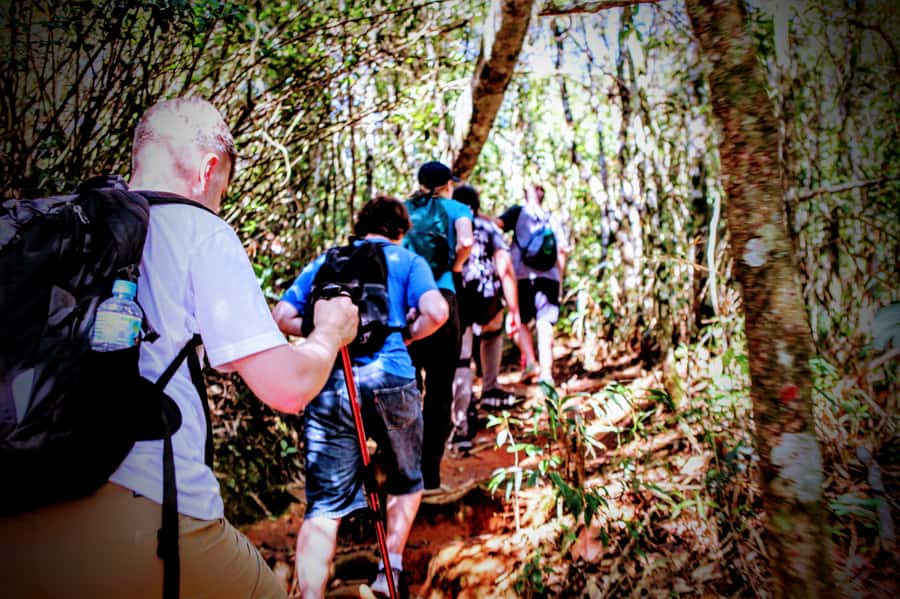
Book it if you want more than a quick viewpoint and enjoy walking, old ruins, rainforest plants, and practical stories about Rio. It suits active visitors who want a half-day away from the beaches without giving up transport or expert guidance.
The best fit is someone comfortable with a moderate hike, a damp cave, steep ground, and getting wet at a waterfall. Bring your own water and snacks, wear proper shoes, and do not plan a formal evening immediately afterward if you expect the climb to tire you.
Skip it if you need an easy paved walk, guaranteed wildlife, or a long swimming session. For everyone else, the $69 cost buys a well-organized way into one of Rio’s most unusual spaces, where coffee plantations, slave cemetery remains, waterfalls, caves, and a living rainforest occupy the same few hours.
FAQ
How long does the Tijuca Forest tour last?
The full activity lasts about six hours, including transportation, sightseeing stops, and the hike.
How far is the hike?
The walking route covers 6.2 kilometers, or about 3.8 miles.
How much elevation gain does the hike include?
The route gains about 448 meters, or 1,469 feet.
How difficult is the hike?
It is rated moderate and requires good fitness for rough rainforest terrain, uphill sections, and downhill walking.
Is hotel pickup included?
Yes. Pickup and drop-off are included from designated hotels and hostels in Rio’s South Zone. If your address is not covered, a nearby meeting point is provided.
Which Rio neighborhoods have pickup service?
Pickup areas include Copacabana, Ipanema, Leblon, Leme, Flamengo, Santa Teresa, Gloria, Catete, Urca, and Praia de Botafogo, subject to the specific address.
Is the tour available in English?
Yes. Bilingual guides operate in English and Portuguese.
Will I see animals?
Animal sightings are possible but not guaranteed. Some outings have seen sloths, coatis, and capuchin monkeys, while others have seen few or no animals.
Can I swim at a waterfall?
You can cool off at Baronesa Cascade, described as a waterfall shower. Bring suitable clothing and do not assume that food, drinks, or a towel are supplied.
What should I bring?
Bring water, food or snacks, sunscreen, insect repellent, sports shoes, sportswear, and a daypack. Large bags, pets, alcohol, drugs, and bare feet are not allowed.
More Waterfall Hikes in Rio De Janeiro
- From Marrakech: Ouzoud Waterfalls Guided Hike and Boat Trip
★ 4.7 · 33,630 reviews - Marrakech: Ourika Valley Trip with Waterfall Hike
★ 4.6 · 6,792 reviews - Marrakech: Ourika Valley Trip with Waterfall Hike & Lunch
★ 4.9 · 5,303 reviews - Marrakech: ourika valley lunch & guided hike to waterfalls
★ 4.9 · 3,737 reviews
More Waterfall Hikes in Brazil
- Garganta do Céu and Waterfall hike in Pedra da Gávea
★ 5.0 · 71 reviews - Small Group Hike to Saco Bravo Waterfall
★ 5.0 · 74 reviews
Just added around Rio De Janeiro
- Discover Pedra do Telégrafo: Scenic Hike with Expert Guide★ 5.0 · 9 reviews
- Tijuca Forest´s hike: caves, waterfalls and great views★ 5.0 · 9 reviews
- Bico do Papagaio Guided Hiking Tour in the Tijuca Forest★ 4.1 · 7 reviews
- Rio de Janeiro: Pedra Bonita & Tijuca Forest Hike Tour★ 5.0 · 3 reviews
- Garganta do Céu and Waterfall hike in Pedra da Gávea★ 5.0 · 71 reviews
- Climb Sugarloaf: A Thrilling Adventure to Rio’s Postcard Peak★ 5.0 · 79 reviews
- Rio de Janeiro: Dois Irmãos Peak Sunrise, Day or Sunset Hike★ 4.7 · 94 reviews
- Rio De Janeiro: SUGARLOAF MOUNTAIN HIKE & CLIMB★ 5.0 · 48 reviews
Rio de Janeiro Hiking Tours, compared.
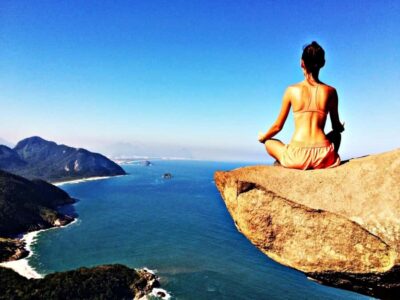
Pedra do Telégrafo Hike and Beach Full-Day Tour
Read our review →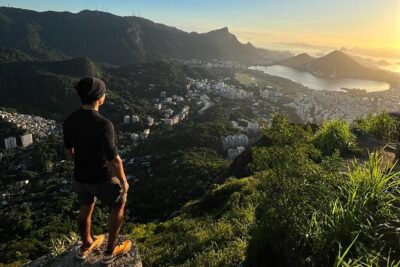
Sunrise and Sunrise Walk Two Brothers with Local Guide
Read our review →