

REVIEW · GREECE
Meteora: Hiking Tour with Local Guide and Monastery Visit
Meteora’s great monasteries are only half the story. This four-hour hike takes you along old footpaths, past caves once used by hermits, and to Ypapanti, a monastery that road-based tours cannot reach. The scenery is dramatic, but the best part is seeing how the cliffs and forests shaped monastic life.
I like the mix of nature and history, and I like that pickup and drop-off from Kalabaka or Kastraki are included. Guides such as Kosta, George, and Nikolas have been praised for making the past easy to understand. The catch is the moderate 7-kilometer walk, plus the €5 monastery entrance fee, so this is not a casual sightseeing outing.
Key points to know before you book
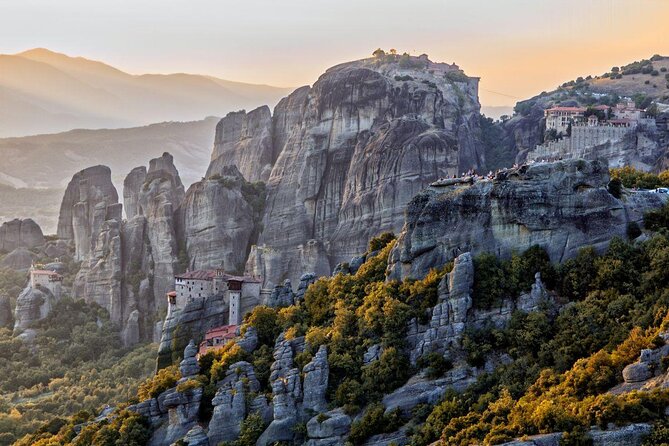
- Ypapanti is the special stop: You reach this old monastery on foot, not by the usual road route.
- The route covers about 7 kilometers: Expect around 200 meters of climbing over four hours.
- One major monastery is included: The visit is to Great Meteoron or Varlaam, depending on the day.
- You get a local guide, not a monastery lecturer: Your guide explains the setting and stories, but cannot provide the guided tour inside.
- Pickup makes the morning or afternoon simple: Collection and return are available in Kalabaka or Kastraki.
- The price is low, but extras matter: The tour costs $35 per person, with a separate €5 entrance fee.
Why this hike shows you the other Meteora

Meteora is often experienced from a vehicle, with short walks up to the famous monasteries. That approach is efficient, but it can make the rock pillars feel like a collection of photo stops. This tour gives you time to understand the area on foot.
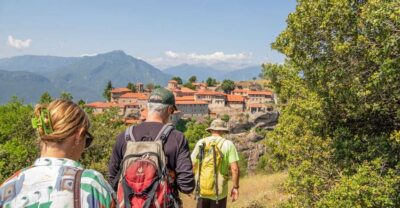
The route follows old paths linked to the first monks who came here about 15 centuries ago. You walk through woodland and rocky ground, with views opening and closing as the trail bends around the cliffs. The pace lets you notice the setting instead of simply pointing a camera at it and moving on.
The most unusual stop is Ypapanti. This old monastery is tucked into the rock and can only be seen by hikers on this route. You also pass the ruins of St. Dimitrios and caves associated with hermits. These places are less polished than the major monasteries, which is exactly why they help explain Meteora’s early religious life.
I would choose this experience if you want a physical outing with cultural context. If your main aim is to enter several functioning monasteries in one day, a bus tour may suit you better.
A few more hikes around Greece worth a look
- From Chania/Rethymno: Samariá Gorge Guided Hike with Pickup
★ 4.5 · 1,010 reviews - From Chania: Samaria Gorge with Professional Hiking Guide
★ 4.6 · 720 reviews - Samaria Gorge Hiking from Chania with Professional Hiking Guide
★ 4.5 · 372 reviews
Pickup in Kalabaka or Kastraki keeps the start easy
You can arrange pickup from accommodation in Kalabaka or Kastraki. The supplied information also names Trikala as a pickup and drop-off option, so check the exact meeting arrangement when booking if you are staying there.
The hike begins at the foothills of Meteora. That matters because you avoid spending part of the four-hour window simply getting to the starting trail. At the end, you are returned to Kalabaka or Kastraki.
A small group is part of the experience, and a private group is available. A small group usually makes it easier to hear explanations and ask questions about the ruins, myths, and monastery traditions. The tour is offered in English with a live guide.
The transport is useful, but do not mistake the included pickup for a fully vehicle-based excursion. The walking is the main event. You need comfortable sports shoes, water, and cash for the entrance fee.
The first views near St. Nicholas Anapavsa
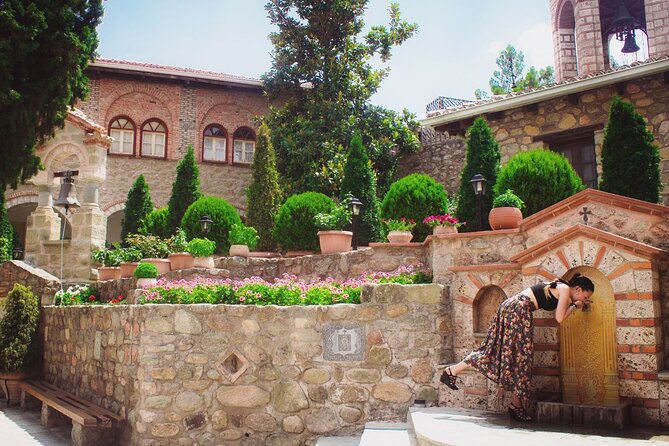
The route includes a short sightseeing stop at the Monastery of St. Nicholas Anapavsa, listed at about 15 minutes. It is one of the first monastery sights to put the scale of Meteora into focus.
Even a brief stop can be useful here. The cliffs rise sharply, and the monastery appears fitted into the rock rather than placed on ordinary ground. Your guide can connect what you see to the wider story of monks choosing isolated ledges and caves for prayer.
Do not expect a long interior visit at this point. The stop is short, and the tour’s real purpose is to move onto the trails. Think of St. Nicholas as an introduction, not the main monastery visit.
Forty-five minutes on the trail
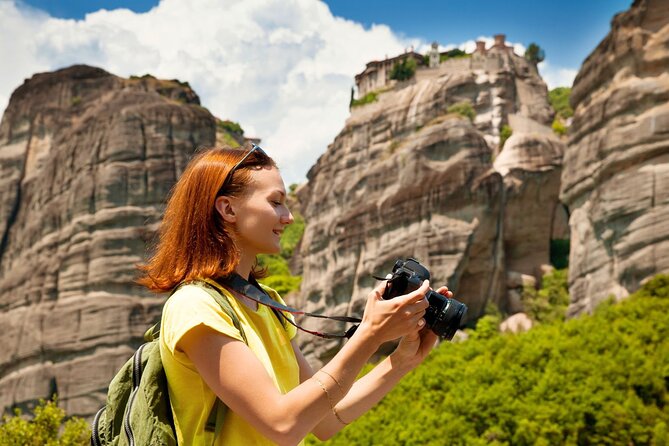
The first substantial walking section lasts about 45 minutes. This is where you start to feel the difference between seeing Meteora from a road and moving through it at walking speed.
The route covers natural ground and includes an overall climb of around 200 meters. That elevation is not extreme for regular hikers, but the terrain and summer heat can make the walk feel harder. The listed difficulty is moderate, and the minimum age is six, but age alone does not determine comfort. A six-year-old who enjoys walking may manage well, while an unfit adult could struggle.
You should wear proper walking shoes rather than sandals or smooth-soled fashion trainers. Bring a camera, but keep one hand free on uneven sections. The tour includes a bottle of water, though you should not treat that as your only supply for a four-hour outing, especially in warm weather.
The guide’s role is important during this section. Local guides such as Kosta, George, and Nikolas have been singled out for clear explanations, friendly company, and strong knowledge of the area. The value is not just route-finding. A good guide helps you understand why a cave, ruin, or rock ledge mattered.
Same trailhead, a different sort of day:
- Meteora Small Group Hiking tour with Transfer and Monastery Visit
★ 5.0 · 484 reviews - From Heraklion: Samaria Gorge & Agia Roumeli Hiking Day Trip
★ 4.4 · 422 reviews - From Rethymno/Chania: Imbros Gorge Hike
★ 4.4 · 353 reviews - From Chania: Samaria Gorge Hike with Local Mountain Guide
★ 4.5 · 282 reviews
Ypapanti, the monastery most road tours miss
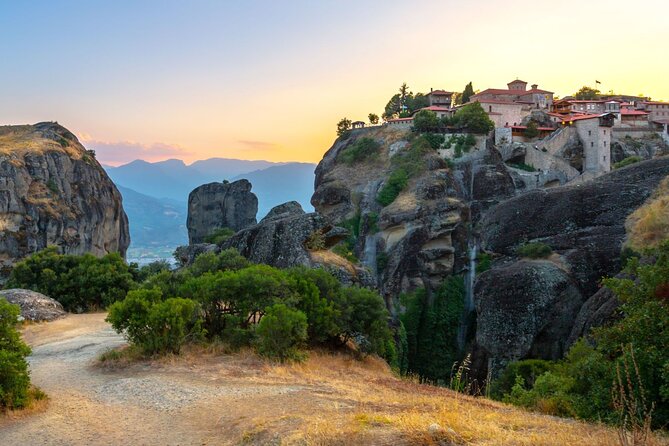
After the first trail section, you reach the old Monastery of Ypapanti for about 30 minutes of sightseeing. This is the stop that gives the tour its character.
Ypapanti is described as a hidden monastery because it is not approached by the normal road circuit. You see it as part of the walking route, set into Meteora’s dramatic rock formations. The visit is less about a polished museum presentation and more about standing in a place that feels tied to the earliest period of monastic settlement.
This is where the local explanation earns its keep. Your guide can tell you about the monks, the legends, and the practical challenge of building a religious life in such a difficult setting. The supplied information also points to caves once inhabited by hermits, so the surrounding terrain gives useful context to Ypapanti.
Allow time for photographs, but do not rush through the story. The unusual angle and quieter setting are more valuable than trying to collect another standard monastery exterior. If you are looking for secret viewpoints and less familiar corners of Meteora, this is the strongest reason to book.
The ruins of St. Dimitrios and the second trail section
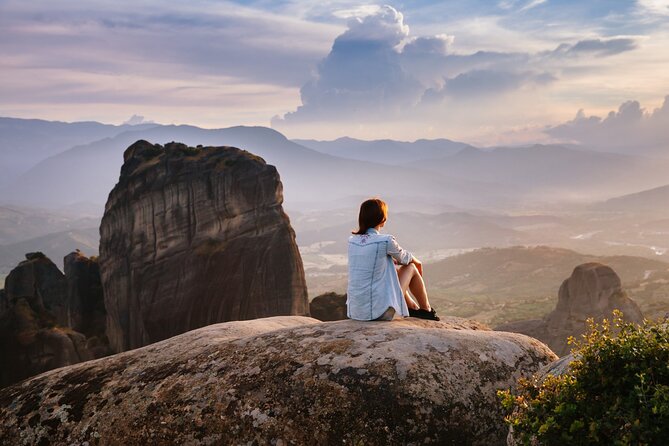
The route also takes in the ancient ruins of St. Dimitrios. This is another reminder that Meteora is not only about the six famous monasteries most people recognize from photographs.
The exact experience at the ruins depends on trail conditions and the guide’s pacing, but you should expect a brief historical stop rather than a full archaeological visit. There is no indication of restored rooms or a formal museum setup. The interest comes from seeing traces of earlier religious life in their original setting.
A further 30-minute hiking section follows. By this point, you will have already walked through the main natural part of the tour, but the route continues to link the lesser-known sites with the major monastery. The arrangement gives you a useful rhythm: walk, stop, listen, photograph, then walk again.
I like this format because four hours can pass quickly when every stop has a purpose. The drawback is that people hoping for a slow, easy stroll may find the repeated trail sections tiring. This is a hiking tour first, with sightseeing built into it.
Great Meteoron or Varlaam for the major monastery visit
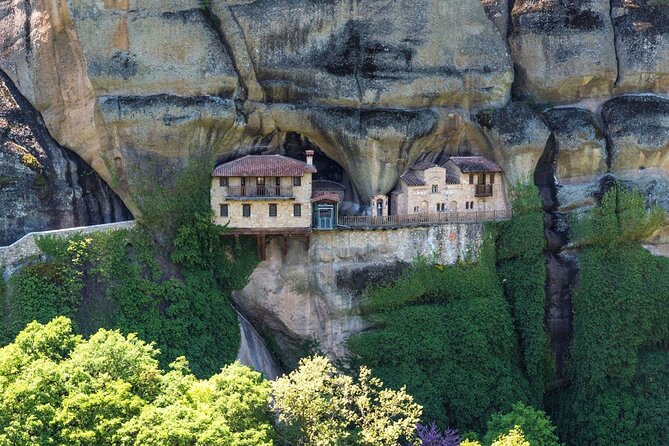
The main monastery visit lasts about one hour. The tour includes Great Meteoron or Varlaam, with the choice depending on the day of the hike. Confirm which monastery is scheduled before you book if one is especially important to you.
Great Meteoron is the largest and best-known monastery in Meteora. Varlaam is also one of the principal monasteries and offers its own impressive setting among the rock towers. Both give you the chance to move from the rougher old trails into a formal religious complex that is still part of Meteora’s active heritage.
The local guide explains the monastery and its place in Meteora’s story, but the guide does not lead the tour inside. That distinction matters. You receive guidance about the area, history, and legends, then explore the interior according to the monastery’s own access arrangements.
The entrance fee is not included. Budget €5 per person in cash. The tour price is $35, so the additional fee is modest, but it is still worth planning for. Bring suitable clothing for a monastery visit, including shoulders and knees covered, since religious sites may enforce dress rules. The supplied details do not specify a clothing policy, so check current requirements before departure.
The one-hour visit is long enough to make the monastery feel like a real stop rather than a quick photograph. Still, the schedule is compact. You should not expect unlimited time for every chapel, display, or viewpoint.
Why the final trail section matters
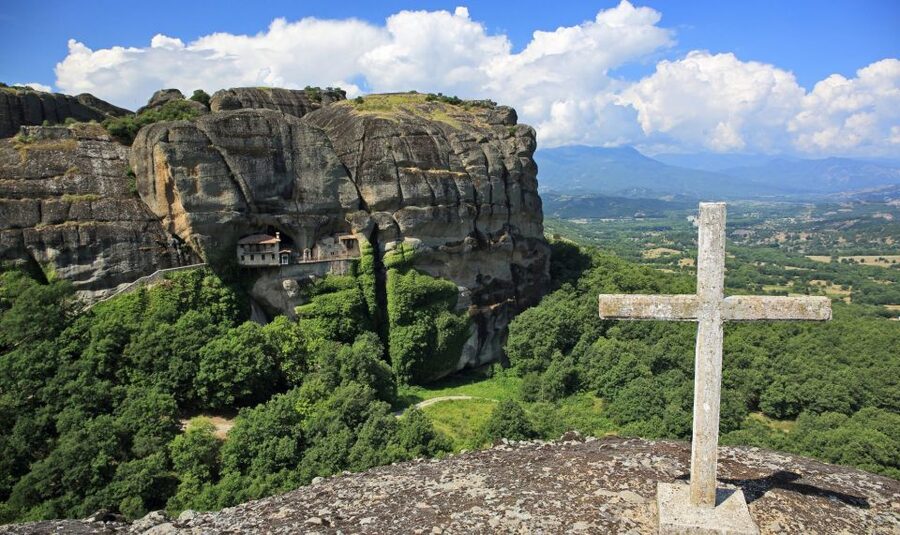
The itinerary allows another 45 minutes of hiking after the monastery portion. This final stretch helps return the experience to the natural setting that gives Meteora its power.
You get more chances for broad views across the rock towers and surrounding countryside. This is also a good time for photographs because you have already learned what you are looking at. A view is more memorable when you know which monastery sits on a nearby pinnacle or why a cave mattered to the monks who lived there.
The route is built around panoramic viewpoints and less obvious photo spots. I would keep your camera ready, but do not let photography slow the group too much. The guide needs to keep the four-hour schedule moving, especially if the monastery visit runs close to its planned hour.
At the end, return transport takes you back to Kalabaka or Kastraki. You finish with both a physical sense of Meteora and a clearer idea of how its religious communities used the cliffs.
Is $35 a fair price?
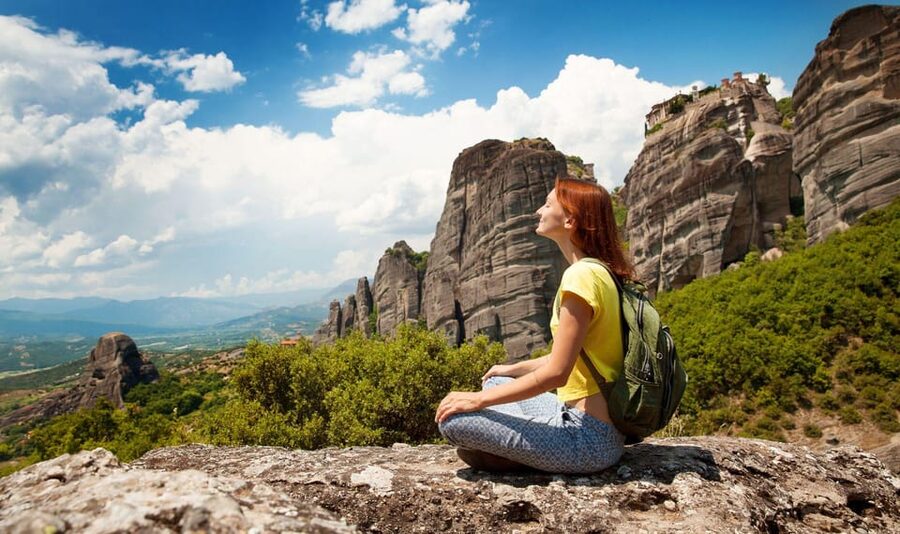
At $35 per person, this is a strong value if you want walking, transport, and a local guide in one package. A separate €5 entrance fee brings the basic cost slightly higher, and there is no guided tour inside the monastery, but the price remains modest for four hours with pickup and drop-off.
The value comes from the route rather than luxury. You are paying for access to Ypapanti, trail knowledge, historical explanation, and the convenience of not arranging local transport yourself. The tour also avoids being just a vehicle circuit with a few roadside stops.
A private group is available if you want a more personal pace, but the cost may differ. The standard small-group format should suit most people who want company without being part of a large coach party.
The most important question is not price. It is whether you will use the walking portion. If you plan to skip trails or want several monastery interiors, spend your money on a different format. If you want the old paths and unusual sites, $35 is sensible.
Fitness, age, and practical limits
The route is about 7 kilometers with 200 meters of ascent and is rated moderate. That means you should be comfortable walking for several hours on natural trails and handling uphill sections.
The experience is not suitable for wheelchair users, people with mobility impairments, serious respiratory or heart problems, recent surgery, low fitness, or other pre-existing medical conditions. It is also not recommended for pregnant women, visually impaired people, or people over 80. Children under six cannot join.
Those restrictions may sound strict, but the terrain explains them. This is not a paved monastery transfer. You should assess your own fitness honestly, especially in hot weather.
Bring sports shoes, water, cash, and sun protection. A camera is worthwhile, but practical footwear matters more. The guide provides one bottle of water, and pickup is included, so you can keep your preparation simple.
Free cancellation is available up to 24 hours before the start, and you can reserve now and pay later. Those terms are useful if your route through Thessaly is still changing.
Who will enjoy this Meteora experience most?
I would recommend this tour to you if you want:
- A half-day activity that combines walking and cultural sights
- A look at Ypapanti and old ruins beyond the standard road route
- A local English-speaking guide who can explain myths and monastic life
- A small group rather than a large coach
- Pickup from Kalabaka or Kastraki
- Time for wide views and photography
I would be cautious about booking it if you have limited mobility, dislike uphill walking, or want a relaxed monastery-only visit. The schedule includes around 7 kilometers on foot, and the guide cannot provide a guided tour inside the monastery.
The experience has earned a 4.8 rating from 20 ratings, with particular praise for the scenery, friendly guides, and balance between nature and history. One useful point from the feedback is that a different bus arrangement with three monasteries may appeal to people who prefer more monastery interiors. That is not a flaw in this hike, but it shows how important it is to match the tour with your priorities.
Should you book the Meteora hiking tour?
Book it if you want to see Meteora from the trail, not just from a vehicle window. Ypapanti, the St. Dimitrios ruins, hermit caves, and the changing views give you a stronger sense of the area than a quick sequence of monastery stops.
The best fit is an active visitor who can handle moderate walking and values a local explanation of the place. You get a major monastery, but the real prize is the route linking old religious sites and natural viewpoints.
Skip it in favor of a bus-based option if you want three monastery interiors, minimal walking, or a slower day. For everyone else, this is a reasonably priced way to connect Meteora’s famous architecture with the paths, rocks, and solitary places that made monastic life possible here.
FAQ
How long is the Meteora hiking tour?
The tour lasts four hours and covers approximately 7 kilometers with about 200 meters of elevation gain.
Which monastery will I visit?
You will visit Great Meteoron or Varlaam, depending on the day of the hike. Check the scheduled monastery when booking if you have a preference.
Is hotel pickup included?
Yes. Pickup and drop-off are included from accommodation in Kalabaka or Kastraki. Trikala is also listed as a pickup and drop-off location.
Is the monastery entrance fee included?
No. The entrance fee is €5 per person and is paid separately. The local guide does not provide a guided tour inside the monastery.
What should I bring?
Bring comfortable sports shoes, cash, water, and a camera. A bottle of water is included, but the walk lasts four hours.
Who should not join this hike?
The tour is not suitable for children under six, pregnant women, wheelchair users, people with mobility impairments, heart or respiratory problems, recent surgery, low fitness, certain pre-existing medical conditions, visual impairments, or people over 80.
Just added around Greece
- Ridomo Gorge hike to MANA spring★ 5.0 · 15 reviews
- Hiking around Navarino Bay★ 5.0 · 9 reviews
- Hiking around Kardamyli★ 5.0 · 12 reviews
- Full-Day Hiking Mount Taygetos Summit with Picnic★ 5.0 · 2 reviews
- Hiking Menalon & Lousios gorge★ 5.0 · 8 reviews
- Imbros Gorge Hiking Day Trip with transportation★ 4.5 · 20 reviews
- Full Day Hiking at Samaria Gorge&Agia Rumeli Beach from Heraklion★ 4.0 · 29 reviews
- Sarakina Gorge hiking & swim Adventure – Jeep Safari South Crete★ 5.0 · 21 reviews
Greece Hiking Tours, compared.
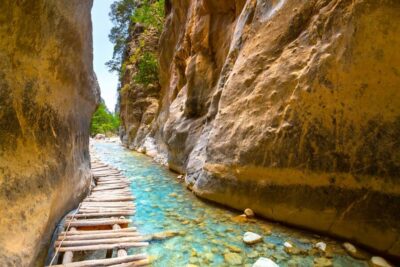
From Chania/Rethymno: Samariá Gorge Guided Hike with Pickup
Read our review →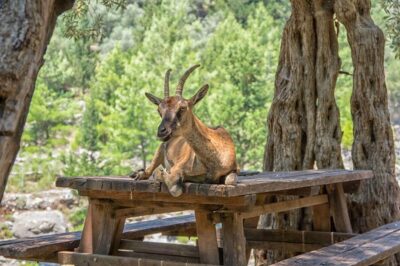
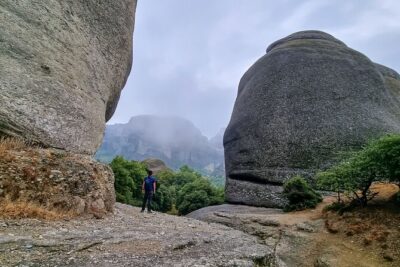
Meteora Small Group Hiking tour with Transfer and Monastery Visit
Read our review →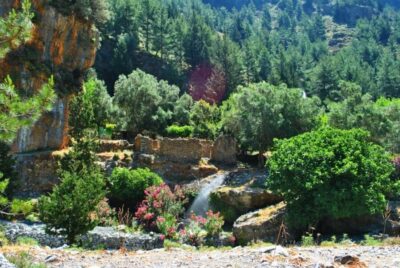
From Heraklion: Samaria Gorge & Agia Roumeli Hiking Day Trip
Read our review →
Samaria Gorge Hiking from Chania with Professional Hiking Guide
Read our review →
Kalabaka: Meteora Small-Group Hiking Tour w/ Monastery Visit
Read our review →Browse the lists this tour appears in