
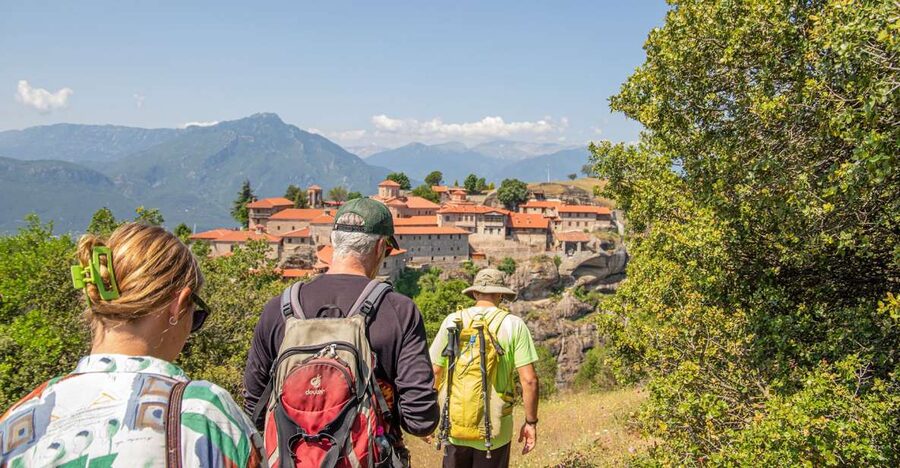
REVIEW · GREECE
Kalabaka: Meteora Small-Group Hiking Tour w/ Monastery Visit
Meteora is best understood on foot, where narrow trails pass beneath towering sandstone pillars and old monastic sites. This five-hour morning hike takes you from Kalabaka to Kastraki, then into the rocks, with a visit to Great Meteoron or Varlaam. The views are the main event, but the trail also brings you close to caves, ruins, and places most bus passengers miss.
I like the local guiding and the way the route mixes scenery with history, geology, plants, animals, and old legends. I also like the price: $35 includes transport, a guide, water, and a map, though you should budget another €5 for the monastery entrance. The main caution is that this is not just a scenic stroll. Steep and rocky sections, especially on the descent, demand proper shoes and a fair level of fitness.
The best parts of the Meteora hike
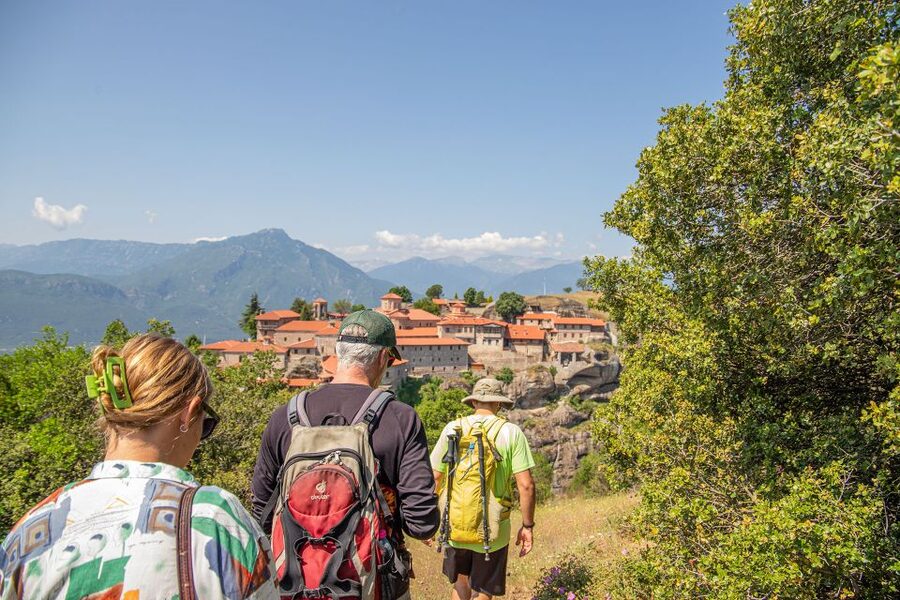
- Traditional paths from Kastraki: Begin at Dupiani Hermitage and walk beneath the rock formations rather than viewing them only from a road.
- Ruins and hermit sites: See the ruined Pantokratoros Monastery, Ypapanti Monastery, and St. Dimitrios, destroyed in 1808.
- One working monastery visit: Spend about an hour at Great Meteoron or Varlaam, depending on the tour arrangements.
- St. George the Madilas: Finish near the place where local children traditionally climb with a rope to leave offerings to St. George.
- Guides who add real context: Evan, Christos, Dimitris, and Chris are among the guides praised for clear explanations and a friendly pace.
- Good value with a few extras: Transport, water, and a map are included, but food, drinks, and the €5 monastery fee are not.
Why walking is the right way to see Meteora
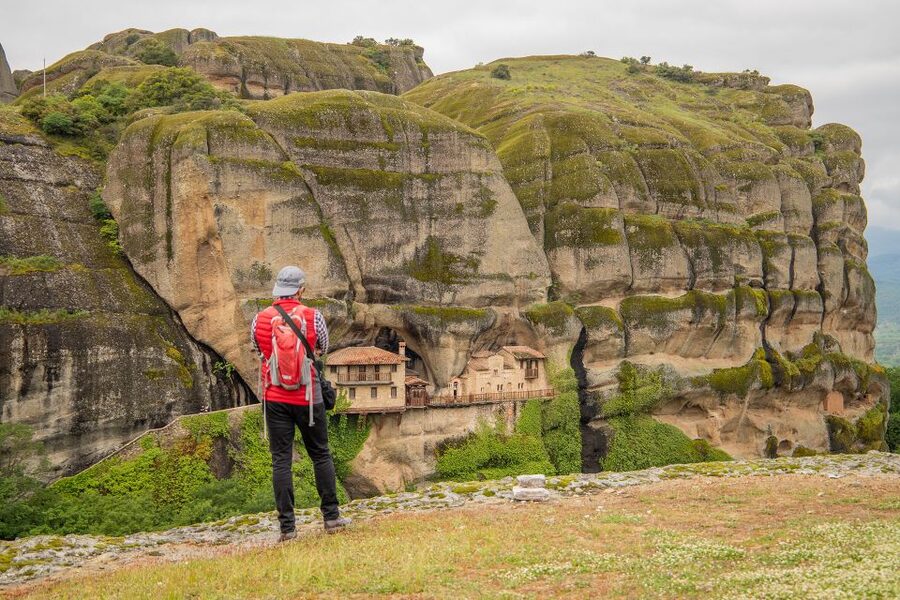
A bus can show you Meteora’s famous outline, but walking lets you notice how the place changes from one rock to the next. The sandstone pillars have odd grooves, ledges, and patterns that are easy to miss from a vehicle. On foot, you also get pauses to look back toward Kastraki and Kalabaka, rather than racing from one photo stop to another.
The route gives you a feel for how people once moved through this difficult terrain. Hermits sought isolated ledges and caves, while monasteries were built high above the valley for safety and solitude. Your guide explains these settings as you approach them, which gives the rocks a human story instead of leaving you with a series of impressive photographs.
I especially like that the tour is not limited to the famous monasteries. You pass old religious sites and lesser-known corners of Meteora before reaching the main monastery. That makes the morning feel like a walk through a living area of local history, not simply a transfer to a ticket desk.
More Small-Group Hikes in Greece:
- Meteora Small Group Hiking tour with Transfer and Monastery Visit
★ 5.0 · 484 reviews - Santorini: 4hr Small Group Caldera Hike from Fira to Oia
★ 5.0 · 75 reviews - Small Group Hiking on Mount Akramitis in Rhodes
★ 5.0 · 45 reviews
From Kalabaka to Kastraki and Dupiani Hermitage
Pickup is available from a long list of hotels and guesthouses in Kalabaka and Kastraki, including Hotel Dellas Boutique, Doupiani House, Hotel Meteoritis, Hotel Amalia Kalambaka, and many smaller rooms and guesthouses. The vehicle ride takes about 10 minutes, so you are not losing much of the morning to transport.
The hiking portion begins at Kastraki Square. From there, the trail continues toward Dupiani Hermitage, an early sign that Meteora is more than six well-known monasteries. The setting quickly becomes quieter and more rugged as the route enters the rocks.
You will walk below the ruined Pantokratoros Monastery on the north side of Dupiani Rock. It is a useful early stop because it shows the more fragile side of Meteora. Not every religious site survived intact, and the ruins make the area’s long, sometimes troubled past easier to picture.
The trail is generally manageable for people who are used to walking outdoors, but do not read guided hike as flat path. Some sections are rocky, and there are inclines. The pace can be adjusted for the group, with rest stops when needed. Several people have found walking poles helpful, and the guides may provide one if necessary.
Ypapanti and St. Dimitrios add depth to the morning
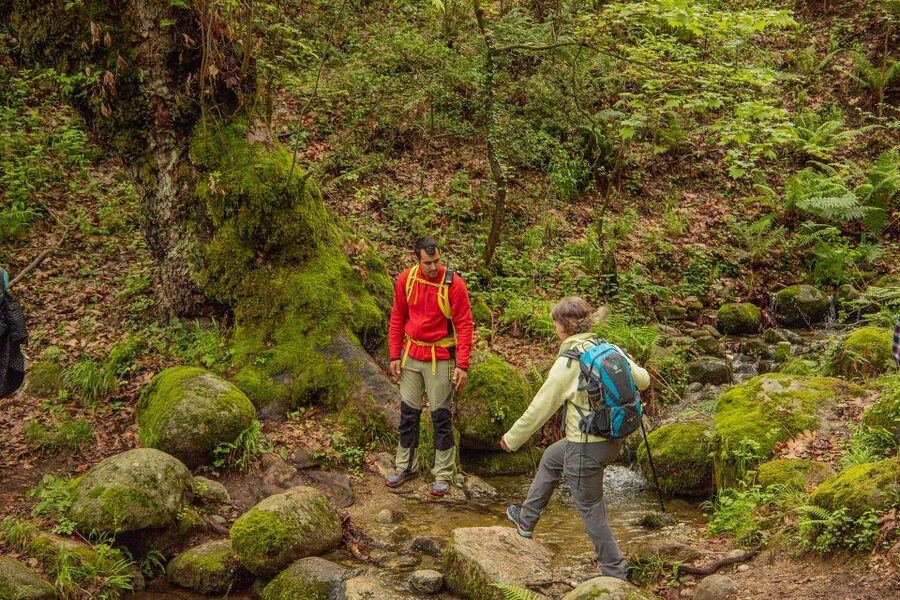
After Dupiani, the path leads toward Ypapanti Monastery and the ruins of St. Dimitrios. These sites give you a stronger sense of the monasteries that once occupied the cliffs and hollows around Meteora.
St. Dimitrios was destroyed by Ottoman forces in 1808 during a local uprising. That detail matters because it connects the site to the political struggles of the region, rather than presenting the ruins as mysterious stones with no explanation. Your guide also discusses local myths and stories, so the walk has more texture than a basic nature hike.
This part of the route is one of the best reasons to choose the walking tour over a standard road circuit. You see places that are not simply the most photographed buildings. You also have time to ask questions, stop for views, and learn about local plants and animals. Past groups have spotted turtles and lizards along the way, though wildlife sightings are naturally not guaranteed.
The trail can be shaded in places, which helps in hot weather. Even so, summer heat can make the uphill portions harder. Bring a hat, water, snacks, and comfortable clothing. One bottle of water is supplied, but you should not treat that as enough for every person in every season.
Reaching Great Meteoron or Varlaam
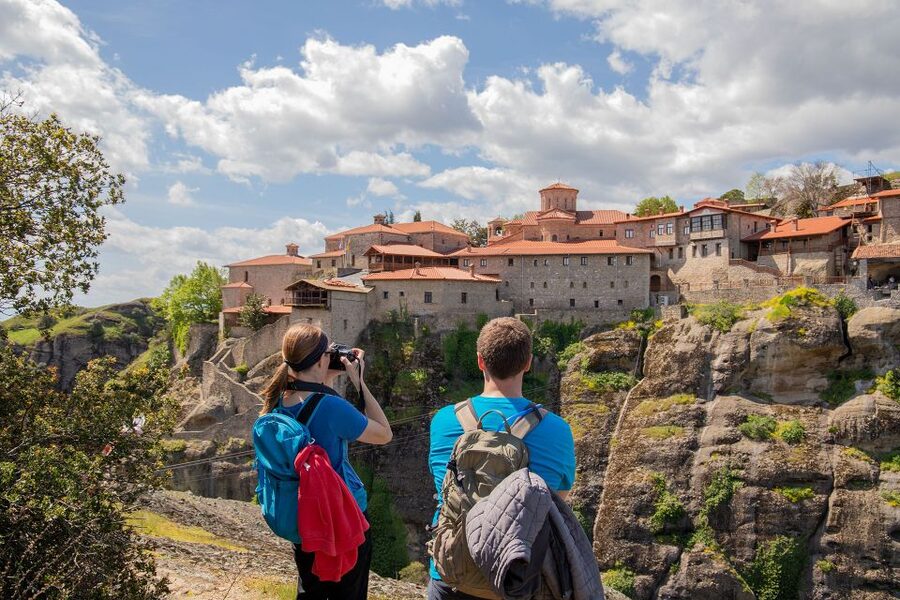
The route eventually climbs toward the two most important monastery options: Great Meteoron and Varlaam. Both are part of the six remaining Eastern Orthodox monasteries in Meteora, a UNESCO World Heritage Site.
Great Meteoron is the largest and best-known of the group. Varlaam is another major monastery perched high among the rocks. The tour description allows for a visit to either one, so check the day’s plan and opening arrangements rather than assuming you will enter both.
You spend roughly an hour at the monastery. That is enough time to tour the grounds and take in the views, but it is not a full-day study visit. You will need to pay the entry fee separately, listed as €5 per person per monastery. Food and drinks inside or around the monastery are also your responsibility.
The guide does not provide the official tour inside the monastery. Instead, you receive context on the approach and time to explore on your own. This arrangement works well if you prefer to move at your own pace, but it means you should not expect a detailed guided explanation of every chapel, museum object, or room.
Dress rules matter here. Sleeveless shirts are not allowed, and respectful clothing is required. Comfortable, closed-toe shoes are essential, both for the trail and for the monastery grounds. Sandals and flip-flops are specifically unsuitable.
A few more hikes around Greece worth a look
- From Chania/Rethymno: Samariá Gorge Guided Hike with Pickup
★ 4.5 · 1,010 reviews - From Chania: Samaria Gorge with Professional Hiking Guide
★ 4.6 · 720 reviews - From Heraklion: Samaria Gorge & Agia Roumeli Hiking Day Trip
★ 4.4 · 422 reviews - Samaria Gorge Hiking from Chania with Professional Hiking Guide
★ 4.5 · 372 reviews
The descent and St. George the Madilas
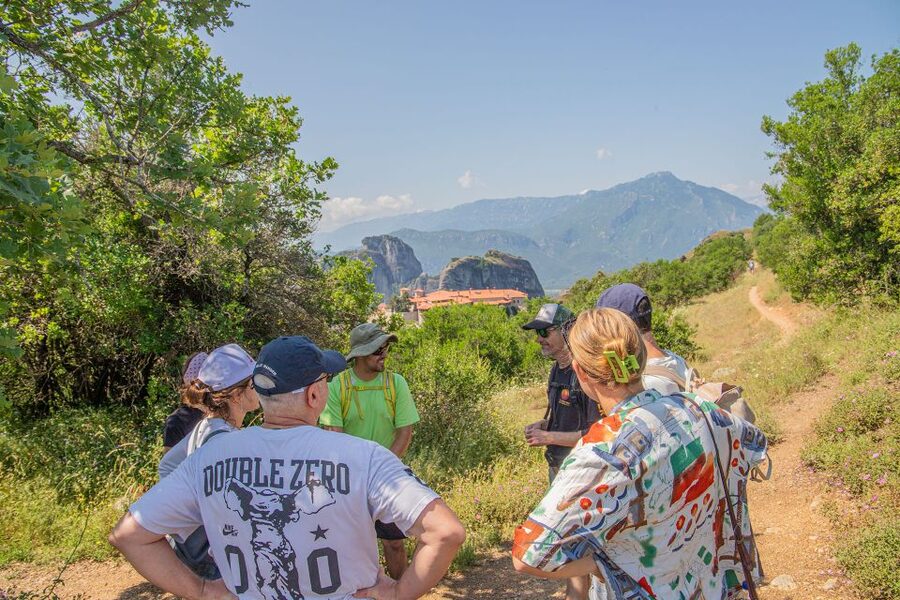
After the monastery visit, the route returns through Meteora for another stretch of hiking and photo stops. The descent from Varlaam can be more demanding than the climb for some people, especially on steep steps and uneven ground. Trail shoes or sturdy sneakers with non-slip soles are a sensible choice.
The final notable stop is St. George the Madilas. This is the place associated with a local tradition in which children climb using only a rope to leave offerings to St. George. It is an unusual detail, and it gives the end of the route a strong local character.
You may find this section physically tougher if your knees are sensitive or you rarely walk on rocky trails. The tour is not suitable for people with mobility impairments, heart problems, visual impairments, or a low level of fitness. Children under seven are not accepted. Families with older children can consider it, but each child should be comfortable with several hours of outdoor walking.
The vehicle ride back to Kalabaka takes about 15 minutes. The full outing is scheduled for around five hours, commonly running from the morning into early afternoon.
What the guides add to the experience
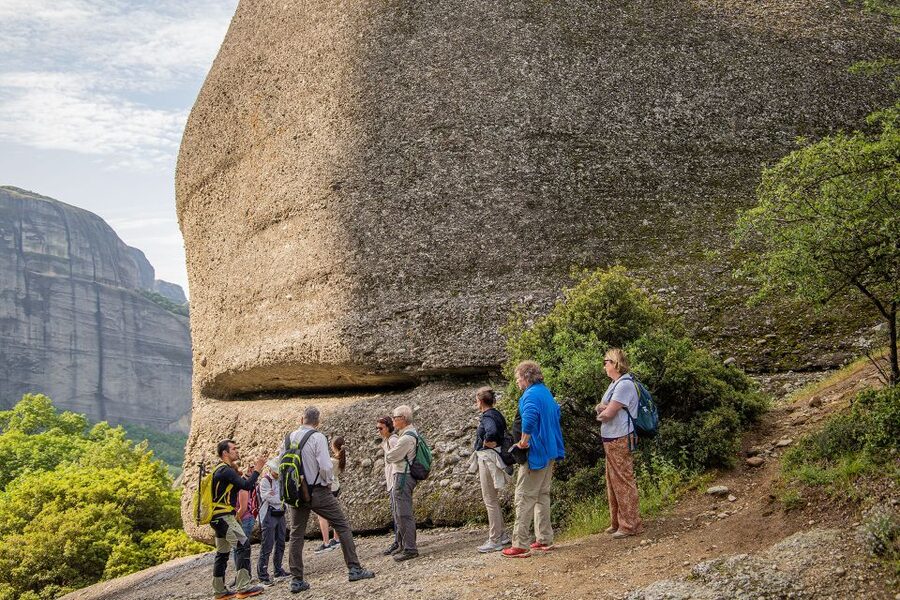
The strongest part of this tour is the human element. Guides named Evan, Christos, Dimitris, and Chris have been praised for explaining the area clearly while keeping the walk relaxed. That matters because Meteora can be confusing on your own. Trails cross, ruins sit away from the main roads, and the most interesting viewpoints are not always obvious.
Evan is noted for explaining the route, the monasteries, plants, and animals in a way that suits beginners. Christos has led walks in rain and adjusted the pace for different abilities. Dimitris is praised for bringing history and local stories to life, while Chris is known for mixing information about geology, nature, and Greek history.
You should expect an English-speaking guide, but the style may vary by person. The shared strength is local knowledge and an ability to keep the group together. The guide can also point out details you might otherwise walk past, from cave sites to unusual rock patterns.
The small-group format helps here. One past outing was reduced to only a guide, a parent, and a child because of rain, while other groups were divided into smaller sections. Group size can vary, but the experience is designed to be more personal than a large coach tour.
How hard is the hike?
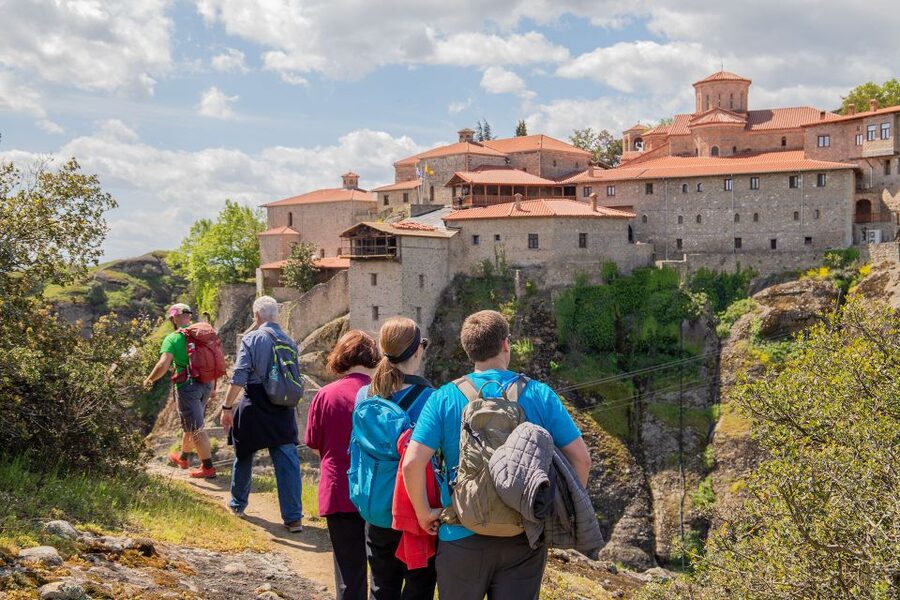
The safest description is moderate, not easy. Much of the route is accessible to people who enjoy regular walking, and several participants have completed it without advanced hiking experience. Still, the five-hour length, hills, rocks, and monastery steps make it more demanding than a simple sightseeing walk.
You might find the uphill section steady rather than severe, while the descent requires more care. Heat adds difficulty in June, July, and August. Rain does not always cancel the walk, but wet rocks can change the feel of the trail, so the guide’s safety judgment matters.
Wear:
- Closed-toe walking shoes or trail shoes with good grip
- Comfortable clothes suited to the weather
- A hat for sun protection
- A small snack
- Cash for the monastery fee and personal purchases
A map and bottle of water are included. Walking poles may be available when needed, but I would not rely on that instead of bringing sensible footwear.
Is $35 a good price?
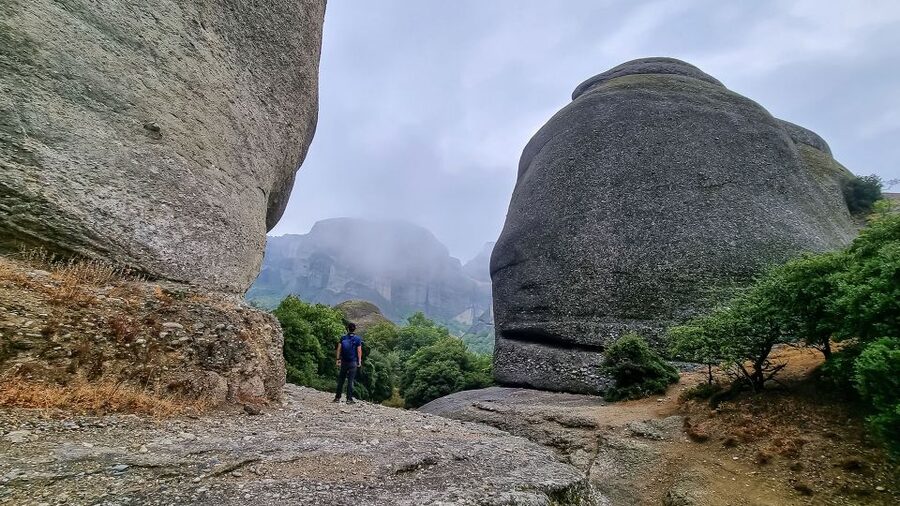
At $35 per person, this is a strong value for a half-day Meteora experience. You receive pickup and drop-off, an English-speaking mountain guide, a map, and water. Most important, you get a route that combines transport, trail access, interpretation, and a monastery visit without having to organize each piece yourself.
The €5 monastery admission is a small but necessary extra. Since food and drinks are not included, bring a snack and some cash. The final cost remains modest compared with arranging a private guide or combining several separate transfers and visits.
The value is highest if you want more than the standard road viewpoints. If your main aim is to enter several monasteries, this is not the best match because the schedule allows for one monastery visit. If you want to understand the setting and see Meteora from different angles, the price makes good sense.
Free cancellation is available up to 24 hours before the activity, and you can reserve without paying immediately. Those terms help if your Greek itinerary is still shifting, though they do not remove the need to check the start time and pickup point before booking.
Who should book this Meteora tour?
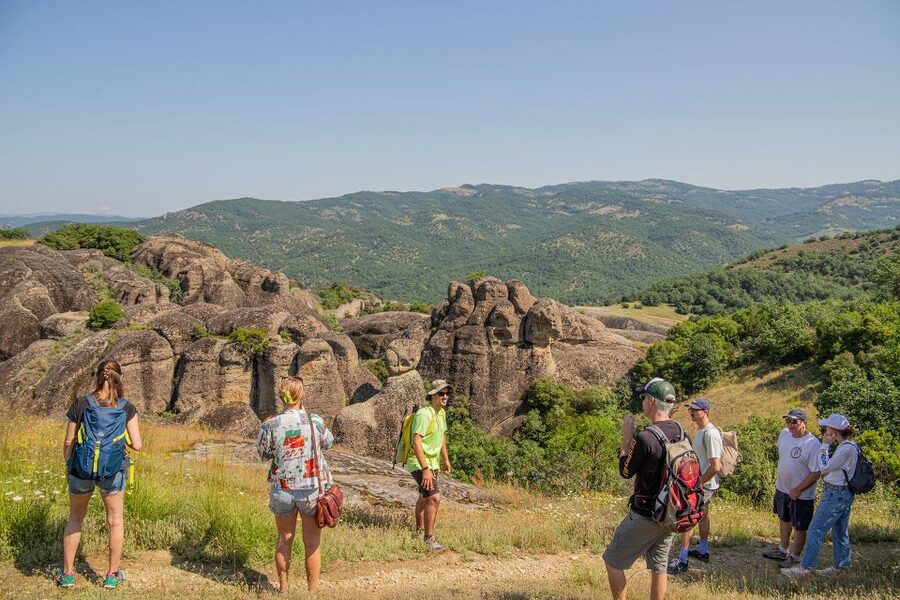
I would choose this hike if you want a first introduction to Meteora that combines exercise, scenery, and explanation. It suits people who enjoy walking but do not need a technical mountain trek. It is also a good choice if you have only one morning and want a structured route rather than trying to find the old paths alone.
The tour works particularly well for:
- Couples and friends who want views away from the road
- Families with children aged seven and older who are comfortable hiking
- First-time visitors who want local orientation
- People interested in monasteries, geology, wildlife, and folklore
- Anyone who prefers a small guided walk to a large coach excursion
Think twice if you have heart or mobility concerns, poor balance, very low fitness, or a strong dislike of steep steps. This is also not the right outing if you need an in-depth guided visit inside multiple monasteries.
Should you book it?
Yes, if you can manage a moderate five-hour hike and want to see Meteora from the trails rather than only from a bus window. The route has variety: hermit sites, ruins, sandstone formations, monastery views, local stories, and one substantial monastery visit.
Book with realistic expectations. Bring proper shoes, cover your shoulders, carry snacks and cash, and allow extra effort for the descent. For $35, the mix of transport, guiding, scenery, and access to Great Meteoron or Varlaam is hard to beat. If you want a gentle sightseeing ride or several monastery interiors, choose another format. If you want the most memorable introduction to Meteora on foot, this is a very good call.
FAQ
How long does the Meteora hiking tour last?
The activity lasts five hours, including transport from Kalabaka, hiking, the monastery visit, and the return journey.
Where does the hike begin?
After pickup and a short vehicle ride, the walking route begins at Kastraki Square and continues toward Dupiani Hermitage.
Which monastery will I visit?
The tour includes a visit to Great Meteoron or Varlaam. The provided schedule identifies Great Meteoron as the planned monastery stop, but the experience details also allow for Varlaam.
Is the monastery entrance fee included?
No. Entry costs €5 per person for each monastery, and this fee is paid separately.
What should I wear and bring?
Wear walking boots, trail shoes, sneakers, or other closed-toe shoes with non-slip soles. Bring comfortable clothes, a hat, snacks, and cash. Sandals and flip-flops are not allowed, and sleeveless shirts are not suitable for the monastery visit.
Is the hike suitable for everyone?
No. It is not suitable for children under seven, people with heart problems, visual impairments, mobility impairments, or a low level of fitness. The route includes hills, rocky ground, and steep steps in places.
Just added around Greece
- Rhodes: Salakos-Profitis Ilias Hike with Sunset★ 5.0 · 3 reviews
- From Rethymno: Samaria gorge with Professional Hiking Guide★ 4.4 · 17 reviews
- From Panormo or Lavris: Samaria Gorge Hike with Guide★ 4.3 · 9 reviews
- From Kalamata: Polylimnio Waterfalls Guided Hiking Tour★ 4.9 · 19 reviews
- From Kalabaka: Authentic Meteora Hiking Tour – Local Agency★ 5.0 · 20 reviews
- From Kalamata: Day Trip Hike to Gialova Lagoon with Dinner★ 5.0 · 5 reviews
- Heraklion Crete: Imbros Gorge Hike★ 3.6 · 7 reviews
- From Georgioupoli: Easy Hiking Day-Trip to Imbros Gorge★ 4.7 · 100 reviews
Greece Hiking Tours, compared.
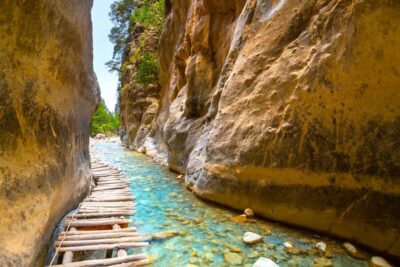
From Chania/Rethymno: Samariá Gorge Guided Hike with Pickup
Read our review →
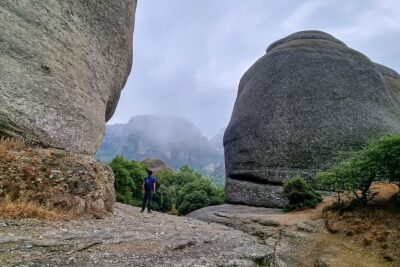
Meteora Small Group Hiking tour with Transfer and Monastery Visit
Read our review →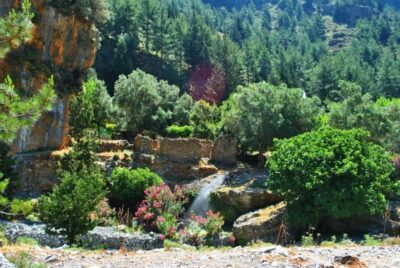
From Heraklion: Samaria Gorge & Agia Roumeli Hiking Day Trip
Read our review →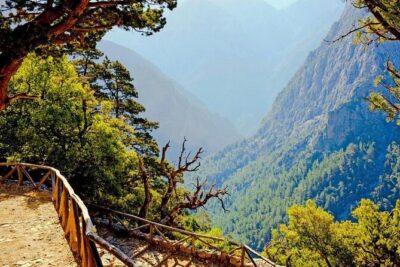
Samaria Gorge Hiking from Chania with Professional Hiking Guide
Read our review →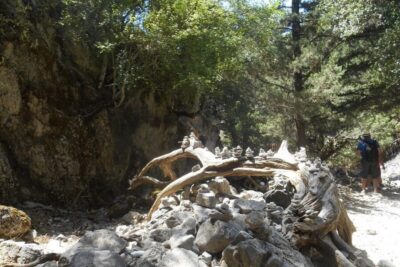
Browse the lists this tour appears in