
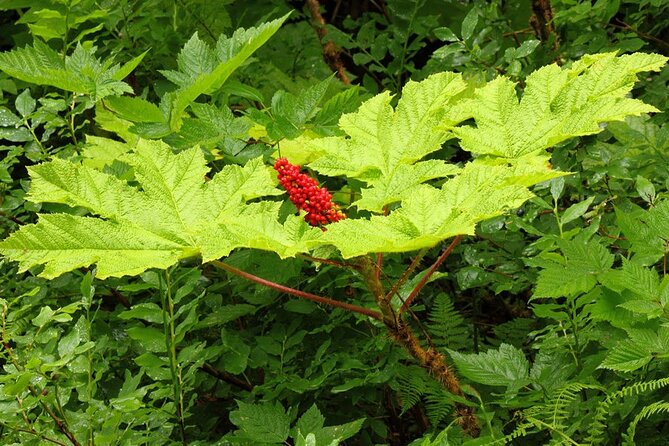
REVIEW · USA
Guided Hike | TONGASS NATIONAL FOREST
The best part of this Sitka outing is its mix of rainforest nature and local life. You are not simply walking among trees. Your guide explains how the mountains, forest, and ocean support people in Sitka, including traditional Tlingit practices involving subsistence, foraging, and hunting. Along the way, you may see bald eagles, find edible berries, and spot salmon if the season is right.
I like the small groups, limited to 10 people, and the practical safety focus. I also like that the guides make the hike flexible. Mitchell has been praised for being on time, easygoing, and willing to adjust the outing, while Alexis is known for lively conversation and warm company. The main consideration is that the hike may feel gentler than expected if you want a serious workout.
Key points to know before you book
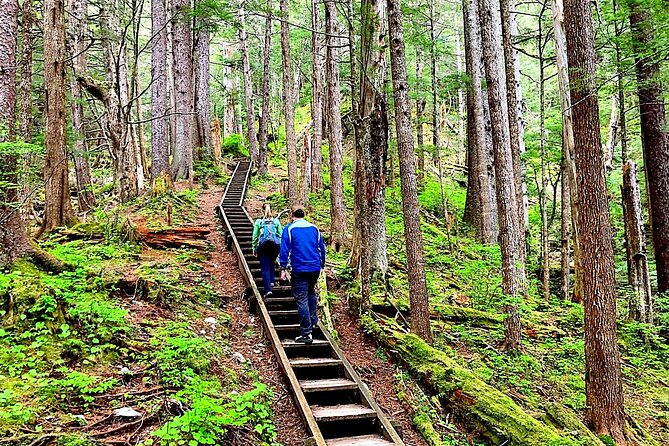
- Wildlife depends on the season: Bald eagles are a regular focus, while salmon sightings depend on spawning timing.
- A local guide adds context: Guides discuss life in Sitka, the local economy, food, people, and the region’s natural resources.
- The pace can be adjusted: Your guide can tailor the skill level to fit your group.
- Small groups keep it personal: The maximum group size is 10, and a small booking may become a private outing.
- Useful extras are included: Snacks, bottled water, sunscreen, safety instruction, and safety equipment are provided.
- Plan for a real forest walk: Comfortable shoes and clothes are required, and the tour is not suited to people with a low level of fitness.
Starting at Harrigan Centennial Hall in Sitka
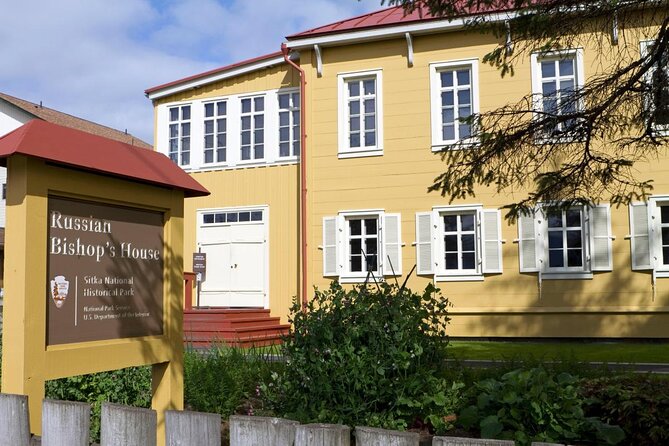
The meeting point is Harrigan Centennial Hall, where most cruise ship shuttles drop passengers. This makes the tour especially practical for a port day. You do not need to find a remote trailhead on your own, and the guide will be wearing red, making the meeting easier in a busy arrival area.
The activity lasts two hours. That is long enough to get into the Tongass National Forest and spend meaningful time on the trail, but short enough to fit into many cruise schedules. Still, you should check your ship’s all-aboard time and allow a sensible buffer for returning from the forest.
The exact starting time depends on availability. Since cruise schedules can shift and Sitka weather can change quickly, it is wise to choose a departure that leaves room before you must return to the ship.
More Guided Day Hikes in the USA
- Multnomah Falls and Columbia River Gorge Half-Day Hiking Tour
★ 5.0 · 2,108 reviews - Valley of Fire Guided Hike from Las Vegas
★ 5.0 · 1,611 reviews - Wailua River Kayak and Sacred Falls Guided Hike with Lunch
★ 5.0 · 783 reviews
Walking beneath the Tongass canopy
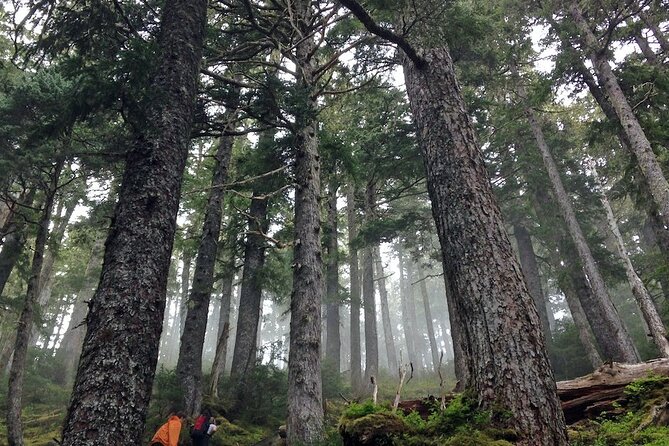
The Tongass National Forest is America’s largest national forest, and the tour gives you a safe, guided way to experience it without trying to plan a forest walk yourself. You can expect a gentle rainforest setting, with large trees, damp ground, thick plant growth, and the quiet that comes when you leave the town behind.
The route is presented as a hike, not a paved sightseeing stroll. Comfortable shoes and comfortable clothing are important. The tour is not suitable for people with a low level of fitness, although the guide can adjust the skill level for your group.
That flexibility matters. A group of active walkers may want a brisker pace, while a mixed group may prefer more time to stop and listen. One useful point from the experience is that the advertised hike may feel less challenging than some visitors expect. If you are booking mainly for exercise, ask about the route and level before committing. If you want a manageable forest outing with room for conversation, the gentler pace may be a benefit.
Your guide gives a safety briefing before entering the forest. The company monitors trail conditions, and guides have years of experience on these trails. That does not remove the need for sensible footwear or attention underfoot, but it gives you a better margin of safety than heading into unfamiliar forest trails alone.
Trekking poles are available by special request. Rain pants are also available by special request, a useful option in Sitka’s famously wet climate. The provided information does not promise that either item will be waiting automatically, so request them when booking or before the walk.
Looking for bald eagles and seasonal salmon
Wildlife is a major reason to choose this outing, but you should keep your expectations sensible. You may see bald eagles in the trees, and the guide can help you understand what to look for. Eagles are one of the tour’s clearest nature highlights, so bring patience and keep your eyes moving above the trail as well as along it.
Salmon are seasonal. If the timing is right, you may spot salmon spawning. That can be a memorable sight, but it is not guaranteed on every departure. Salmon activity changes with the season, so I would treat this as a bonus rather than the main reason to book.
The same applies to berries. Your guide is familiar with local berries and mushrooms, and the walk may include chances to identify wild berries that are edible and clean. You should not pick or eat anything without your guide’s direction. The value here is not simply tasting something from the forest. It is learning how local people read the plants around them and how food sources connect the forest to daily life.
Snacks are provided, along with bottled water. That makes the short hike easier to manage, especially if you are fitting it between other port activities. You should still bring comfortable clothes and shoes. Sunscreen is included, but practical rain protection remains worth considering in a rainforest setting.
Hearing about life in Sitka from local guides
The strongest part of this experience may be the conversation. The guide does not only point out trees and animals. You learn about living in Sitka, including local people, food, the economy, and the path that brought the guide to town.
Mitchell received especially warm praise for his local background, environmental information, punctuality, and flexibility. On a small booking, he was able to make the outing feel private and let the group explore at a comfortable rhythm. Alexis is another named guide associated with the tour, and the feedback about her points to strong conversation and friendly company.
One guide’s name was not recorded by a participant, but the description still emphasized useful insight into life in Sitka. That is worth noting because the guides may shape the experience as much as the trail itself. You are booking a local walking tour, not a scripted audio guide. The exact character of the outing depends partly on who leads it and what your group wants to discuss.
The conversation about the local economy is a valuable touch. Sitka is not just a scenic stop on a cruise itinerary. It is a working community, and hearing about food, jobs, people, and daily life helps you see the town as more than a backdrop for photographs.
More Forest Hikes in the USA:
- Small Group Waterfall and Rainforest Hiking Adventure on Maui
★ 5.0 · 1,417 reviews - Guided forest hike to Seattle waterfalls incl. Snoqualmie Falls
★ 5.0 · 589 reviews - Mt. Rainier highlights – old forest, falls and glaciers
★ 5.0 · 564 reviews - Ketchikan Electric Bike and Rain Forest Hike Ecotour
★ 5.0 · 562 reviews
Understanding Tlingit connections to forest and sea
The guide discusses how the mountains, forest, and ocean have traditionally been used, and are still used today, by the Tlingit for subsistence, foraging, and hunting. This gives the walk a stronger sense of place.
That subject is important because the forest is not empty wilderness in the human sense. It is part of a living cultural and practical system. Plants, animals, water, and seasons all have meaning beyond what you see during a two-hour visit.
The tour can introduce you to that connection, but a short walk cannot cover every part of Tlingit culture or history. I would treat this as a thoughtful local introduction rather than a complete cultural program. Listen closely, ask respectful questions, and let the guide explain the topics in the context of the trail.
For many people, this is more useful than a stop that only lists species or takes photographs. You learn not just what grows here, but why the forest matters to the people who live with it.
What the two-hour itinerary feels like
The experience begins at Harrigan Centennial Hall, followed by the meeting and safety briefing. Once the group is ready, the guide leads you toward the forest and explains how the trail conditions and walking level will work.
The first part of the walk is about getting used to the setting. You may begin noticing the scale of the trees, the damp rainforest conditions, and the change from Sitka’s developed areas to the forest. Your guide can point out plant life and discuss how the natural setting shapes local life.
As the walk continues, the focus turns to wildlife and food sources. Look into the trees for bald eagles. Watch for berries along the path, and listen for information about which plants are edible. If salmon are spawning during your visit, the guide may help you spot them.
Stops for explanation are part of the value. If you race through the trail, you may cover more ground but miss much of what makes this tour different from a simple walk in the woods. The best pace is one that leaves room for questions and observation.
The final part of the outing brings the group back from the forest. Since the activity lasts two hours, it does not leave time for a long remote hike or a full-day wilderness experience. Its strength is the compact format: you get forest, wildlife, local stories, and safety support in a time frame that can work during a cruise stop.
Is $126 a fair price for two hours?
At $126 per person, this is not a budget walk. The value depends on what you want from your time in Sitka.
You are paying for a small group, a resident guide, safety instruction, snacks, water, sunscreen, safety equipment, and access to local knowledge. Trekking poles and rain pants can be requested. The guide’s role also matters. A good local conversation about Sitka, Tlingit connections, food, and the economy gives the outing more substance than a basic nature walk.
The price makes more sense if you value personal attention and do not want to arrange transportation, trail research, or forest safety on your own. It is also more attractive for a small booking, since the group may become private or nearly private.
The value is weaker if you mainly want a strenuous hike or a guaranteed salmon sighting. One experience was gentler than expected, and wildlife is seasonal. You should book for the combination of forest access and local interpretation, not for a guaranteed list of animals.
Who will enjoy this Sitka forest walk?
I would recommend this tour to cruise passengers who want a manageable introduction to the Tongass National Forest. It suits you if you enjoy walking, asking questions, and learning how a place works from someone who lives there.
It is a good fit for:
- Visitors with about two hours available in Sitka
- People who prefer small groups over large bus outings
- Nature lovers interested in eagles, berries, trees, and seasonal salmon
- Anyone curious about daily life and the local economy
- Walkers who want the pace adjusted to suit their group
- Visitors who appreciate safety support in unfamiliar forest conditions
You may want another activity if you have a low level of fitness, need a fully paved route, or want a demanding workout. You should also think twice if your main goal is to see salmon, since that depends on the season.
The outing is conducted in English. If you need a different language, this experience may not be the right choice.
Small details that make the walk easier
Wear comfortable shoes with good support. Comfortable clothes are also required, and rain protection is sensible even though rain pants can be requested.
Ask for trekking poles or rain pants in advance if you think you will need them. Sunscreen and bottled water are included, but you should still arrive ready for changing forest conditions.
The guide wears red at the meeting point. That simple detail helps at Harrigan Centennial Hall, particularly when several cruise passengers are arriving at once.
You can cancel up to 24 hours before the activity for a full refund, and the reserve-now, pay-later option lets you keep your plans flexible. These terms are useful when your cruise schedule or weather plans are still taking shape.
Should you book this Tongass National Forest hike?
Book it if you want a personal, local introduction to Sitka’s forest and community in a short time. The strongest reasons are the small group, flexible pace, safety briefing, and the chance to talk with guides such as Mitchell or Alexis about life in Sitka. Eagles and berries add interest, while salmon can make the day even better when the season cooperates.
Skip it if you want a hard hike, a guaranteed wildlife encounter, or the lowest-cost way to see trees. At $126 for two hours, the experience earns its price through personal guiding and local context rather than distance covered.
For a cruise passenger who wants more than a quick town stroll, this is a sensible way to meet the Tongass on a human scale.
FAQ
Where does the Tongass National Forest hike meet?
The meeting point is Harrigan Centennial Hall in Sitka, where most cruise ship shuttles drop passengers.
How long does the activity last?
The guided hike lasts two hours.
How much does the tour cost?
The listed price is $126 per person.
How many people can join the group?
The group is limited to 10 participants.
What language is the tour conducted in?
The live tour guide speaks English.
Are bald eagles guaranteed?
No. The tour includes opportunities to look for bald eagles in the trees, but wildlife sightings are not guaranteed.
Are salmon visible on every departure?
No. Salmon sightings depend on the season and whether salmon are spawning.
Can the hiking level be adjusted?
Yes. The guide can adjust the skill level to fit the needs of your group.
What is included in the price?
The tour includes snacks, sunscreen, bottled water, safety equipment and instruction, and a resident guide. Trekking poles and rain pants are available by special request.
What should I bring?
Bring comfortable shoes and comfortable clothes. You can also request trekking poles or rain pants if needed.
Just added around the USA
- From Denver: Guided Hike in the Rockies★ 4.5 · 2 reviews
- Grand Canyon of the Yellowstone: Loop Hike with Lunch★ 4.9 · 18 reviews
- From Townsend: Great Smoky Mountains National Park Hiking★ 5.0 · 2 reviews
- Grand Canyon Full-Day Hike from Sedona or Flagstaff★ 5.0 · 2 reviews
- Multnomah Falls: Sunset Hike and Waterfalls Guided Tour★ 5.0 · 6 reviews
- Glacier National Park: Morning Nature Walk★ 4.7 · 14 reviews
- Anchorage: Full-Day Matanuska Glacier Hike and Tour★ 4.7 · 48 reviews
- Oahu: Manoa Falls Hike and east side beach day★ 4.9 · 10 reviews
USA Hiking Tours, compared.
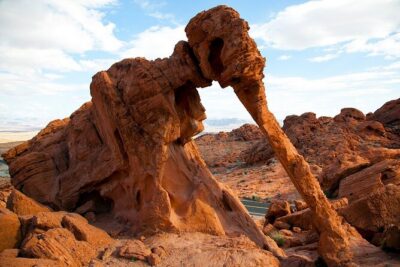
Small Group: Valley of Fire Half Day Tour from Las Vegas
Read our review →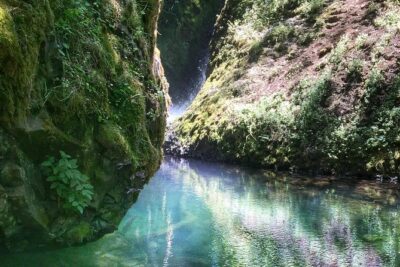
Multnomah Falls and Columbia River Gorge Half-Day Hiking Tour
Read our review →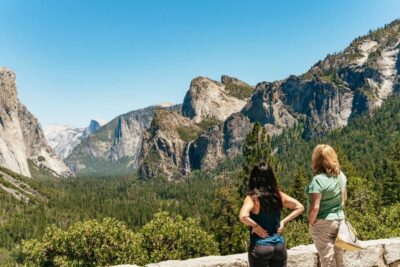
San Francisco: Yosemite National Park & Giant Sequoias Hike
Read our review →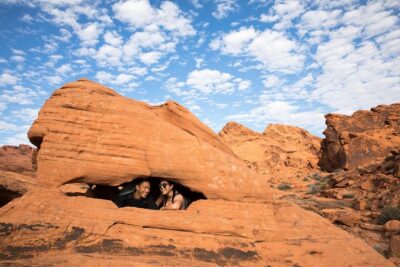

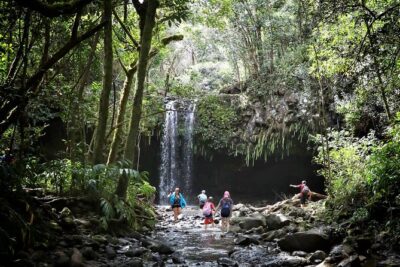
Small Group Waterfall and Rainforest Hiking Adventure on Maui
Read our review →
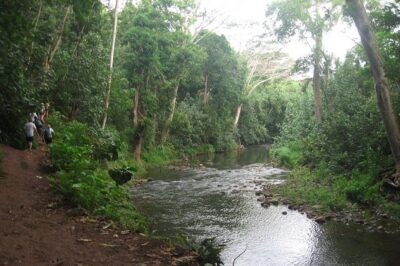
Kauai Adventure: Kayak & Hike to Secret Falls with Expert Guide
Read our review →Browse the lists this tour appears in