
REVIEW · MOUNTAIN & SUMMIT HIKES
Rangitoto Island: Sea Kayak & Summit Hike Day Trip
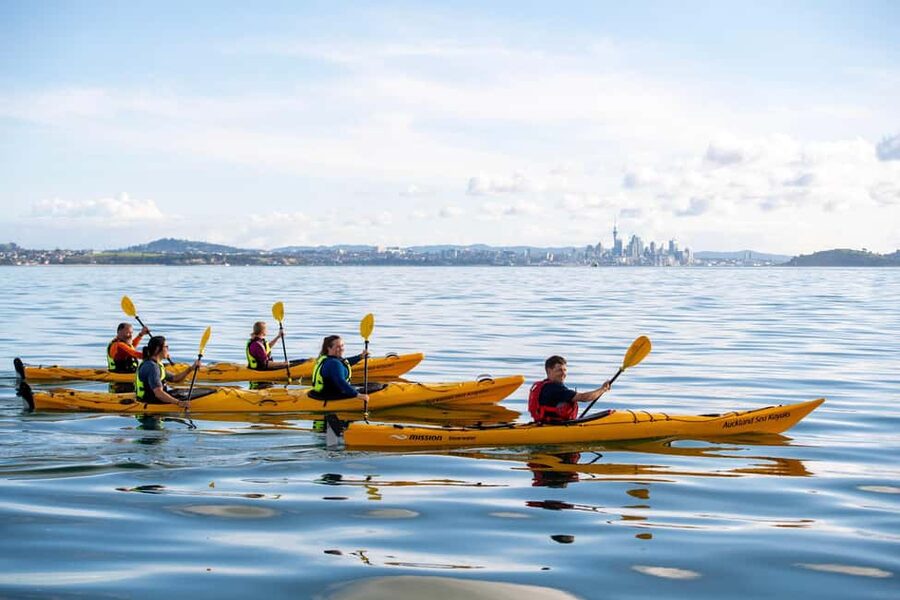
Rangitoto rises from the Waitematā Harbour like a dark, volcanic shield, and the best way to appreciate it is from the water first. You paddle across Auckland’s sparkling harbour, then trade your kayak for a one-hour hike through pōhutukawa forest and black scoria to the summit.
I like the small group of no more than nine, which gives your guide room to watch your paddling and answer questions. I also like the simple rhythm of the day: sea air, volcanic rock, wide views, and a hearty barbecue lunch instead of a rushed snack.
The main catch is the return paddle. Wind can make the beach seem stubbornly far away, even after a fine morning crossing. You need a reasonable level of fitness, comfort in open water, and enough flexibility to accept that weather may shape the day.
Key points at a glance
- Paddle from St Heliers Beach: Begin with a safety briefing and kayaking instruction before crossing the Waitematā Harbour.
- Reach Auckland’s youngest volcano by sea: Rangitoto gives you a rare combination of volcanic scenery, native plants, and harbour views.
- Climb to a 360-degree summit view: The uphill walk takes about one hour at a leisurely pace, though the volcanic surface still demands steady footing.
- Look for seabirds: Little Blue Penguins and Cook’s Petrels may appear on the crossing, but wildlife sightings are not guaranteed.
- Refuel with a Kiwi barbecue: Lunch includes healthy local-style fare, plus hot and cold drinks.
- Return by kayak, possibly under sail: Conditions may allow a sail to help on the trip back to St Heliers Bay.
Why Rangitoto works best from the water
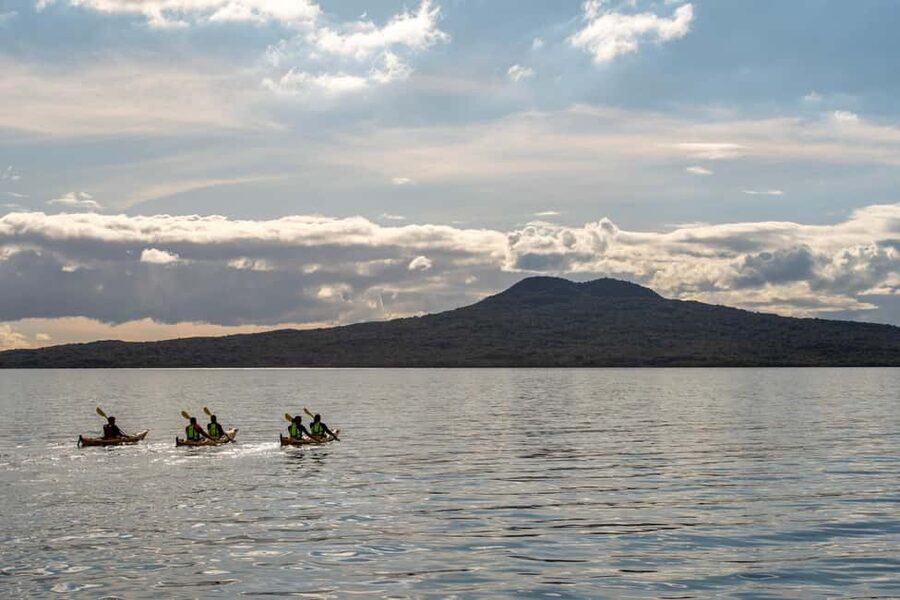
Auckland is ringed by volcanic cones, but Rangitoto has a special presence. It is the region’s youngest and most active volcano, and its broad, symmetrical form is easy to spot from the city and harbour. Approaching it in a kayak gives you time to watch the island grow from a distant outline into a wall of dark rock and green forest.
That slow approach is the real reason to choose this trip instead of simply visiting the island by another method. You are not just being delivered to a trailhead. You are using your own effort to cross the harbour, with Auckland behind you and Rangitoto ahead.
The name Waitematā means sparkling waters, and the harbour can look exactly that way in good weather. It can also be breezy and choppy. The crossing is part of the adventure, not a calm little paddle on a sheltered pond, so you should expect changing conditions and listen closely to the guide’s instructions.
More Mountain Hikes in New Zealand
- Rotorua Hiking: Mt Tarawera Guided Volcanic Crater Experience
★ 5.0 · 283 reviews - Mount Cook: 3-Hour Tasman Glacier Helicopter Ride and Hike
★ 4.9 · 235 reviews - Mount Cook: 3 Hour Heli Hike to the Tasman Glacier
★ 4.7 · 218 reviews
Meeting at St Heliers Beach
The standard meeting point is St Heliers Beach at 384 Tamaki Drive. You meet at the beach at the scheduled starting time, where the guide provides the equipment, safety briefing, and paddling instruction.
If you request pickup, the meeting point is The Atrium at the Auckland War Memorial Museum, 30 minutes before the tour begins. The supplied details describe a short drive from the museum to the beach. That option is useful if you are staying in central Auckland and would rather not arrange your own way to St Heliers.
The group is limited to nine people. That matters here. A guide can keep an eye on the group across open water, offer hands-on corrections, and adjust advice to suit different paddling abilities. It also keeps the island portion from feeling like a large organized procession.
Wear comfortable clothes and shoes. You should choose clothing that allows easy movement and can cope with spray. The supplied information does not promise changing facilities or dry clothing, so arrive ready for a proper outdoor day rather than a polished sightseeing excursion.
Learning to kayak before the crossing
The day begins with a safety talk and basic paddling instruction. This is not just a box to tick. For many people, the first concern is kayaking in open water, especially if they have little experience or worry about motion sickness.
A guide such as Daniel, Eric, Ben, or Tony may lead your trip, depending on the date. The guides are praised for being attentive, informative, and good company, but the practical benefit is more important than personality. You get a qualified instructor nearby while you learn how to steer, keep pace, and respond to the water.
Take the briefing seriously, even if you have kayaked before. The harbour crossing lasts long enough for poor technique to become tiring. A relaxed grip and steady rhythm will serve you better than trying to race across the water.
Motion sickness is worth thinking about in advance. One person who was nervous about open water and prone to motion sickness found that taking 1.5 Dramamine helped, but medication is a personal matter and should be handled according to your own medical advice. The useful lesson is to plan ahead if you already know you are sensitive to movement.
The crossing to Rangitoto Island
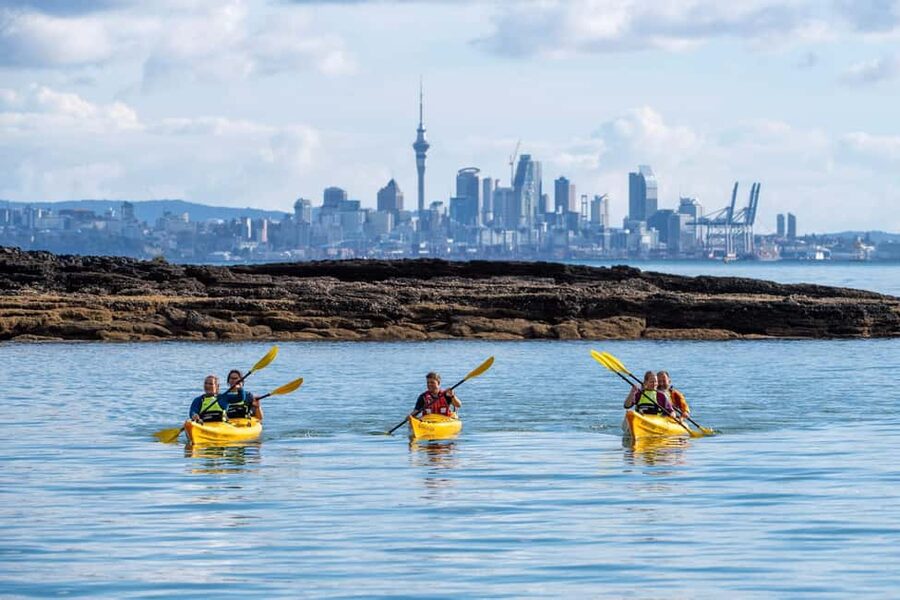
Once you leave St Heliers, the city begins to look different. Auckland is no longer a collection of streets and buildings viewed from land. You see its waterfront from water level, with the harbour opening around you and Rangitoto providing a clear destination.
The crossing can be calm, as it was on some trips, or challenging when wind picks up. One of the most honest details about the experience is that the return can feel harder than the outward journey. After the hike and lunch, tired arms notice the distance more. The guide manages the group, but you still need to contribute your share of the paddling.
Wildlife may add interest to the crossing. Little Blue Penguins and Cook’s Petrels are among the species you might see. These are possibilities, not promises, so book this for the combination of kayaking and hiking rather than for a guaranteed animal encounter.
You may also get the chance to use a sail on the return to St Heliers Bay. This depends on conditions and available time. It is a nice change of pace, but it should be treated as a bonus rather than a fixed part of the schedule.
Same trailhead, a different sort of day:
- Franz Josef Glacier Heli-Hike
★ 4.5 · 618 reviews - Heli Hike Fox Glacier
★ 5.0 · 563 reviews - Queen Charlotte Track: Cruise & Self-Guided Hike from Picton
★ 4.8 · 383 reviews - Franz Josef: 2.5 Hour Glacier Hike with Helicopter Transfer
★ 4.7 · 322 reviews
Walking through Rangitoto’s volcanic forest
After landing on Rangitoto, you begin the walk to the summit. The hike takes about one hour at a leisurely pace. It is not presented as a major mountain climb, but low fitness will make it harder than the word leisurely suggests.
The trail passes through pōhutukawa-covered country and over baked scoria rocks. Rangitoto supports more than 200 native trees and flowering plants, so the island is not simply a cone of bare lava. Its vegetation shows how life has taken hold on volcanic ground.
The scoria underfoot gives the walk a rough, physical character. Comfortable shoes are essential. The surface can be uneven, and you will appreciate footwear with a secure sole far more than fashionable shoes once the trail tilts upward.
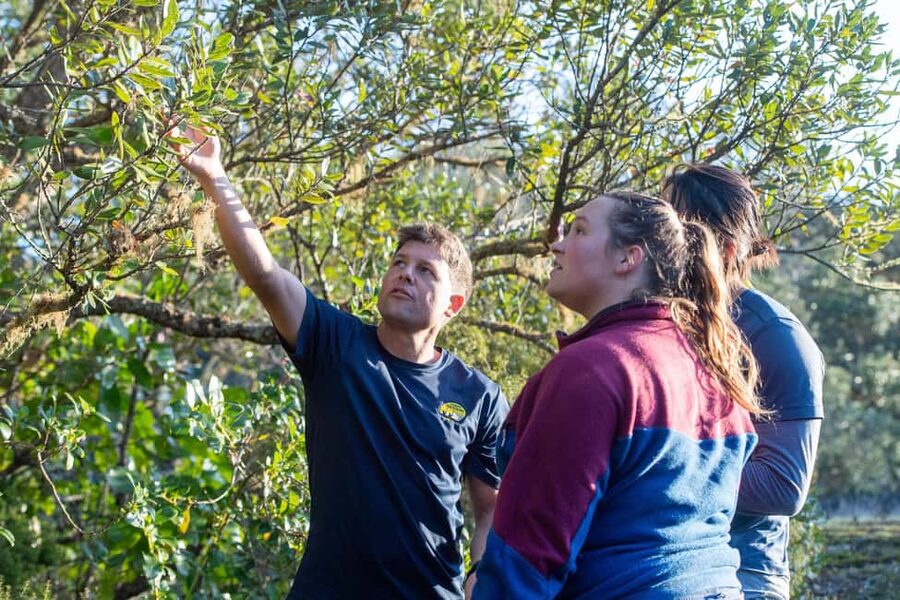
Your guide adds context along the way. Tony, for example, has explained how the island’s native forest is regenerating after the lava flows. That sort of detail helps you read the ground beneath your feet. Instead of seeing only black rock and shrubs, you begin to notice the long process by which a volcanic island becomes a living place.
There are other trails on Rangitoto, but this trip centers on the summit route. If you want hours of independent walking across the island, a ferry visit with your own hiking plan may suit you better. This tour gives you the strongest viewpoint while keeping the day focused on kayaking.
The summit and Auckland’s best wide view
At the top, you get a 360-degree panorama across the Auckland region. The reward is not one carefully framed city view. It is the ability to turn in every direction and see the relationship between Auckland, the harbour, nearby islands, and Rangitoto’s volcanic form.
This is where the kayaking approach pays off. You have crossed the water yourself, so the harbour below is not an abstract blue strip. You can trace the route you paddled and understand the distance from the beach to the island.
The summit stop also gives the day a clear purpose. Plenty of outdoor activities offer pleasant exercise, but here the physical effort leads to a specific payoff. You earn a high viewpoint that cannot be reached by staying at sea level.
Plan to pause, not just snap a photograph and turn around. The tour schedule must keep moving, but the summit is the place to take in the full scale of the region. On a clear day, the views should be the strongest visual moment of the trip.
A barbecue lunch beside the water
After returning to the shoreline, you receive a barbecue lunch with hot and cold drinks. The food is described as healthy and hearty, and that combination makes sense after paddling and climbing.
Lunch is more than a pleasant extra. It is timed for the point when you need real fuel before the return crossing. One participant especially valued eating before the hike, while another praised the guide’s cooking. Depending on the day and guide, the barbecue may be a memorable part of the outing rather than a basic packed meal.
Daniel has cooked steak on recent trips, but you should not treat a specific menu item as guaranteed. The confirmed inclusion is a barbecue lunch, light refreshments, and hot and cold drinks.
The setting adds to the meal. Eating near Rangitoto’s shore, with the harbour close by, is a very different experience from grabbing lunch in central Auckland. It also gives you a chance to rest before packing the equipment back into the kayaks.
If time and conditions permit, you may swim in the sea before heading home. Bring this possibility into your planning, but do not count on it as a fixed activity. The crossing, hike, lunch, weather, and group pace all affect the available time.
What the $144 price covers
At $144 per person, the trip is priced as a full-day guided outing rather than a simple equipment rental. Your fee includes the guide, safety instruction, kayaking equipment, light refreshments, barbecue lunch, and hot and cold drinks.
I see the best value here for someone who wants the whole Rangitoto day organized. You do not need to rent a kayak, work out a route, arrange an island visit, plan lunch, or judge the harbour conditions alone. The guide connects each part of the day.
The price is less compelling if you only want to hike Rangitoto. In that case, a kayaking tour may be more activity than you need. It is also not the right choice if you want total freedom to spend extra hours exploring every island trail.
The small group improves the value. With only nine places, the instruction and pacing should feel more personal than a large coach-based excursion. You are paying for access to the water, gear, guidance, food, and the combination of two active experiences in one day.
Who should book this day trip
This trip suits you if you want an active Auckland experience and like the idea of combining sea time with a volcanic walk. It is especially good for people who want a different view of the city, rather than another road-based sightseeing loop.
You do not need to be an expert kayaker, since instruction is included. You do need a reasonable level of fitness and a willingness to paddle across open harbour water. The walk is only about an hour, but the full day includes paddling before and after it.
This is not suitable for people with back problems, wheelchair users, people over 125 kilograms, people with low fitness, or people over 95 years old. Those limits are worth checking honestly before booking. A day that sounds gentle on paper can feel demanding when wind, distance, and volcanic footing are combined.
Families may find it appealing, but the supplied details do not specify a minimum age. Check the booking conditions directly if you are planning to bring children. The group size is small, so every participant’s ability to follow instructions and keep moving matters.
Practical tips for making the day easier
- Prepare for both water and trail conditions. Wear comfortable clothing and shoes that can handle an uneven volcanic path.
- Expect the return paddle to test you. Save some energy for the journey back, especially if the outward crossing is windy.
- Use the instruction time well. Ask how to steer and keep your stroke efficient before leaving the beach.
- Plan around the pickup point. Standard departures begin at St Heliers Beach. Museum pickup requires meeting 30 minutes before the scheduled start.
- Keep wildlife expectations sensible. Little Blue Penguins and Cook’s Petrels may appear, but the scenery and activity are the dependable parts of the day.
- Allow for weather. Calm water can make the crossing pleasant, while wind can make it much more demanding.
You can cancel for a full refund up to 24 hours in advance. The activity is conducted in English, and availability should be checked for the exact starting time.
Is the Rangitoto sea kayak and summit hike worth booking?
Book it if you want to earn your views. The strongest parts are the approach across the Waitematā Harbour, the volcanic summit walk, the small group, and the filling barbecue waiting at the shoreline. Guides including Tony, Ben, Daniel, and Eric have helped make the day informative and relaxed, with plenty of practical support on the water.
Skip it if you dislike open-water kayaking, need an easy sightseeing day, or mainly want long, independent walks on Rangitoto. For everyone else, $144 buys a well-connected day: instruction, equipment, food, a summit panorama, and a side of Auckland that is difficult to experience from the road.
FAQ
Where does the Rangitoto kayaking tour begin?
The standard meeting point is St Heliers Beach at 384 Tamaki Drive. You meet at the beach at the scheduled trip start time.
Is pickup available from the Auckland War Memorial Museum?
Yes. If you request pickup, meet at The Atrium at the Auckland War Memorial Museum 30 minutes before the tour starts.
How long is the hike to Rangitoto’s summit?
The hike takes about one hour at a leisurely pace.
What is included in the $144 price?
The price includes a guide, safety briefing and kayaking instruction, all kayaking equipment, light refreshments, a barbecue lunch, and hot and cold drinks.
Can I see wildlife during the kayak crossing?
You might see Little Blue Penguins or Cook’s Petrels. Wildlife sightings are possible but are not guaranteed.
Is the tour suitable for people with low fitness or mobility needs?
No. It is not suitable for people with low fitness, back problems, wheelchair users, people over 125 kilograms, or people over 95 years old.
More 1-Day Tours in New Zealand
- Cinque Terre Day Trip with Optional Hiking or Pisa
★ 5.0 · 8,486 reviews - Florence: Cinque Terre Day Trip with Optional Hiking or Pisa
★ 4.9 · 4,848 reviews - From Tirana: Bovilla Lake & Gamti Mountain Hiking Day Trip
★ 4.9 · 4,397 reviews - From SF: Yosemite Day Trip with Giant Sequoias Hike & Pickup
★ 4.9 · 1,331 reviews
More Kayak Trips in New Zealand
- 4-hour Lake Mapourika Kayak and Hike adventure, with Okarito Kiwi Sanctuary
★ 5.0 · 117 reviews - Abel Tasman National Park: Cruise, Kayak, & Hike Tour
★ 5.0 · 9 reviews - Kauai: Secret Falls Kayak and Hike
★ 5.0 · 1,403 reviews - Kauai Adventure: Kayak & Hike to Secret Falls with Expert Guide
★ 5.0 · 1,387 reviews
Just added around New Zealand
- From Queenstown: Franz Josef Glacier Hike & Scenic Flight★ 5.0 · 25 reviews
- From Queenstown: Mount Cook Heli-Hike and Bus Tour Combo★ 4.8 · 42 reviews
- Abel Tasman National Park: Cruise, Kayak, & Hike Tour★ 5.0 · 9 reviews
- Fiordland: Jet Boat & Nature Walk Experience from Te Anau★ 4.9 · 97 reviews
- Mou Waho Island: 3-Hour Cruise and Guided Nature Walk★ 4.9 · 66 reviews
- Mt Cook Small Group Tour & Heli Hike Combo from Queenstown★ 5.0 · 64 reviews
- Routeburn Track Guided Hike (Full Day)★ 5.0 · 27 reviews
- Milford Track: Full Day Guided Hike and Nature Cruise★ 4.7 · 70 reviews
Mountain & Summit Hikes, compared.
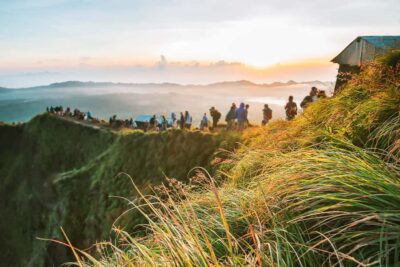
Sunrise Mount Batur Guided Hike with Breakfast
Read our review →
Mount Batur Sunrise Guided Hike and Natural Hot Spring
Read our review →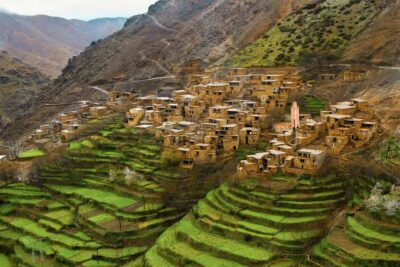
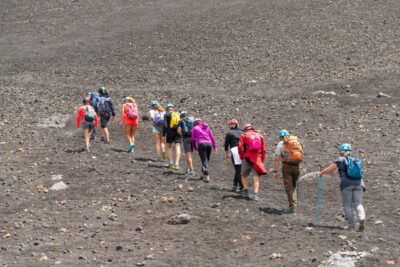
Mount Etna: Summit Guided Hiking Tour up to 3,400 m
Read our review →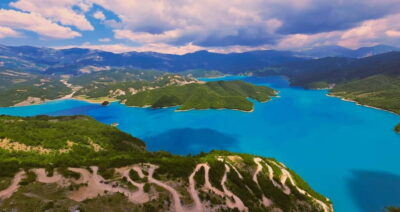
Bovilla Lake & Gamti Mountain Hiking Day Trip
Read our review →

Mount Batur Sunrise Hike and Natural Hot Spring Option
Read our review →Browse the lists this tour appears in