
REVIEW · NATIONAL PARK HIKES
Malolotja National Park Hiking Tour
Malolotja National Park gives you a compact look at an unusual corner of Eswatini. In four hours, you walk from Ngwenya Glass toward the park, pass coal-bearing rocks and an old mine, see a lake that can look blue or brown, and reach a lion cave with broad mountain views. It is part nature walk, part local history lesson.
I like the way Michael Mancoba Masuku adapts the outing to the people in front of him. I also like the mix of a gentle hike and working industry, followed by a look at Ngwenya Glass. The main consideration is that this is not a wildlife safari. You should come for the rocks, mining story, scenery, and guide, not for animal sightings.
Key points at a glance
- Coal rocks and an old mine: You walk across and alongside rock connected with the area’s mining story.
- A lake that changes color: The water may appear blue or brown, depending on dirt from the mine.
- A guide who adjusts the pace: Michael has blended driving and walking for a guest who was injured and uneasy about the hike.
- Mountain views without a hard trek: The route is described as fairly easy, but comfortable shoes still matter.
- Ngwenya Glass at the start and finish: You leave vehicles at the attraction and later watch the glass-making process.
- Small-group value: The group is limited to 10 people, with entrance and transportation included.
A short hike with an unusual story
Many park walks focus on animals. This one takes a different route. Malolotja offers the natural setting, but the most memorable stops are tied to human use of the area: coal mining, old roads, a mine-fed lake, and the glassworks at Ngwenya.
That combination gives you more to think about than a simple mountain stroll. You see how the ground itself has been used, altered, and remembered. The visit is not polished into a single theme. One moment you are looking at rough coal rocks, and later you are watching delicate glass items being made.
The tour lasts four hours, so you get a useful introduction without giving up a full day. It also suits people who want outdoor scenery but do not want a severe hike. One guest described the walking as easy, and the guide has shown that he can adjust the plan when someone is not feeling confident on foot.
Still, easy is not the same as effortless. You will be walking outdoors, and the route includes the approach from Ngwenya Glass to the park entrance before the main hike begins. Wear proper shoes and be ready for a few hours on foot.
More National Park Hikes in the world:
- San Francisco: Yosemite National Park & Giant Sequoias Hike
★ 4.5 · 1,777 reviews - Skaftafell National Park: Falljokull Glacier Advanced Hike
★ 4.8 · 1,083 reviews - Everglades National Park Biologist Led Adventure: Cruise, Hike + Airboat
★ 5.0 · 685 reviews
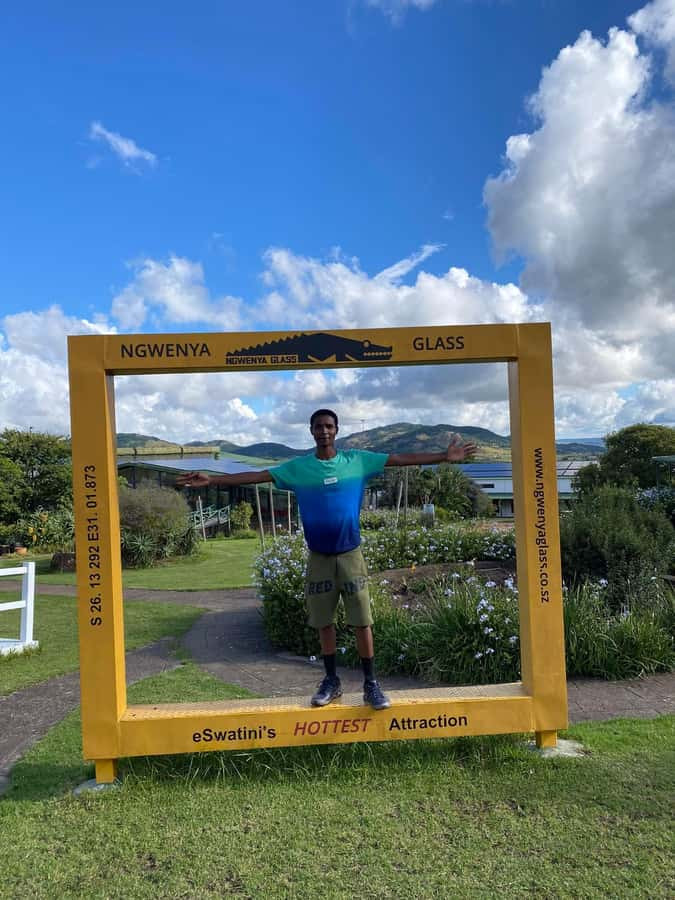
Starting at KFC and reaching Ngwenya Glass
The stated meeting point is KFC on Sozisa Road in Mbabane. From there, transportation takes you to Ngwenya Glass, where the vehicles remain while you begin the walk toward Malolotja National Park.
That arrangement matters. You are not spending the whole tour inside a vehicle, but you also do not need to arrange your own transport between the meeting point and the walking area. Entrance fees and transportation are included in the $110 price, while food and drinks are not.
Ngwenya Glass is more than a parking point. It becomes the final stop of the experience, when you see the manufacturing process. Starting there also gives the outing a clear sense of place. You move from a working craft attraction into open country, then return to see how recycled glass is shaped into finished pieces.
The tour is conducted in English, and the small-group limit is 10 people. That is a sensible size for a route where the guide is expected to explain the mine, lake, cave, and surrounding mountains. You can also ask questions without trying to catch a guide’s attention across a large group.
Walking into Malolotja National Park
After leaving Ngwenya Glass, you walk to the entrance of Malolotja National Park. The entry point marks the beginning of the main hike, though the walk from the glassworks is already part of the outing.
The route includes fascinating rocks along the sides of the road. This is a good early clue that the tour is not simply about scenic viewpoints. The ground tells part of the story, and your guide can connect the rock formations with the mine and the wider area.
I would pay attention here rather than treating the first section as a transfer. The rocks help explain why coal became part of the local story, and they give the walk a physical focus before you reach the mine itself.
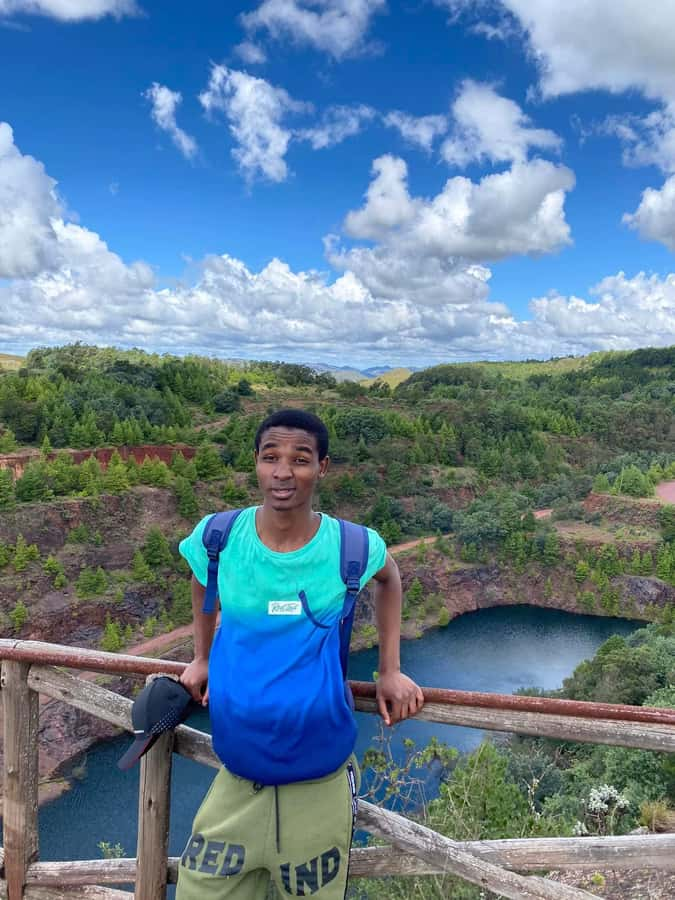
The park is known in this experience for its open mountain scenery. You will have room to look outward, with views that make the walk feel bigger than the short duration suggests. The appeal is the combination of open country and unusual industrial traces, not a parade of scheduled sights.
Coal rocks and the mining story
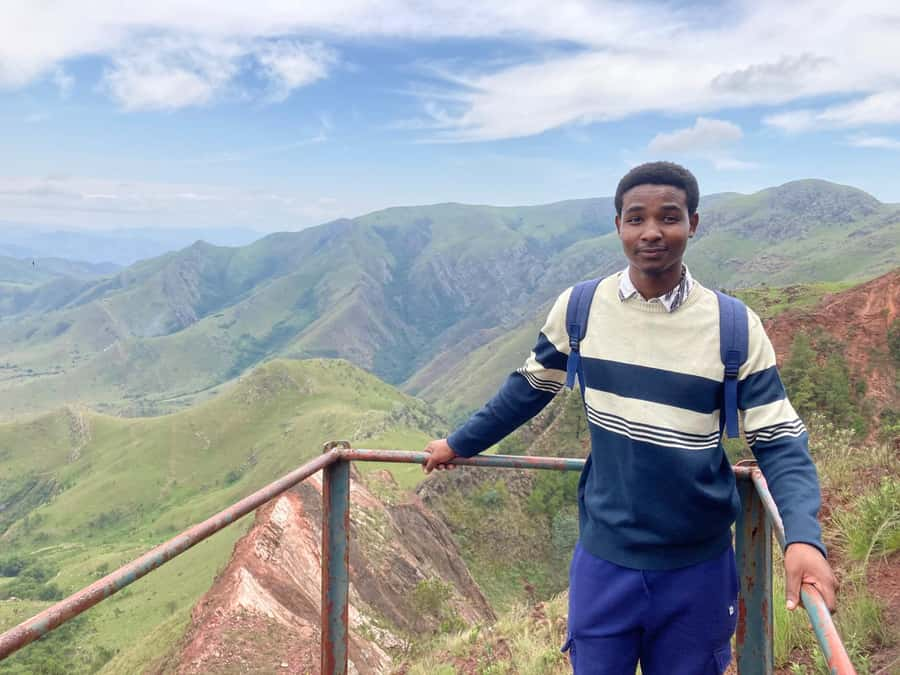
One of the most distinctive stops is the coal mine. You reach an area where you can walk on rocks that are coal, giving you a direct connection with the material at the center of the mine’s story.
For me, this is the point that separates the outing from a standard park walk. A mountain view can be beautiful, but coal rocks give the guide something concrete to explain. You are not only hearing that mining took place. You are looking at the substance itself under your feet.
The mine also adds an important note of realism. Nature here is not presented as untouched scenery. The route shows how people have worked the area and how those activities affected the ground and water. That makes the experience useful for anyone interested in local industry as well as outdoor walking.
You should not expect a formal museum visit or a long underground mine tour. The information provided describes a stop at the mine and a chance to walk on coal rocks. Think of it as a field visit with commentary, not a technical mining excursion.
A few more hikes around the world worth a look
- From Marrakech: Ouzoud Waterfalls Guided Hike and Boat Trip
★ 4.7 · 33,630 reviews - Berber villages : Atlas Mountains Day Hike from Marrakech
★ 5.0 · 14,007 reviews - Bali: Sunrise Mount Batur Guided Hike with Breakfast
★ 4.8 · 9,660 reviews - Bali: Mount Batur Sunrise Guided Hike and Natural Hot Spring
★ 4.8 · 9,284 reviews
The blue or brown lake
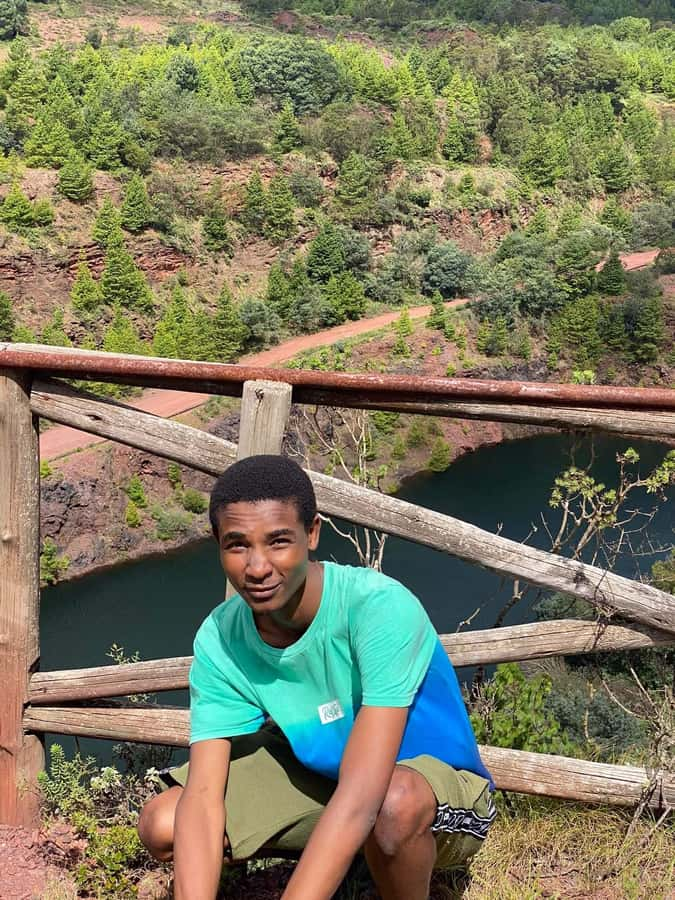
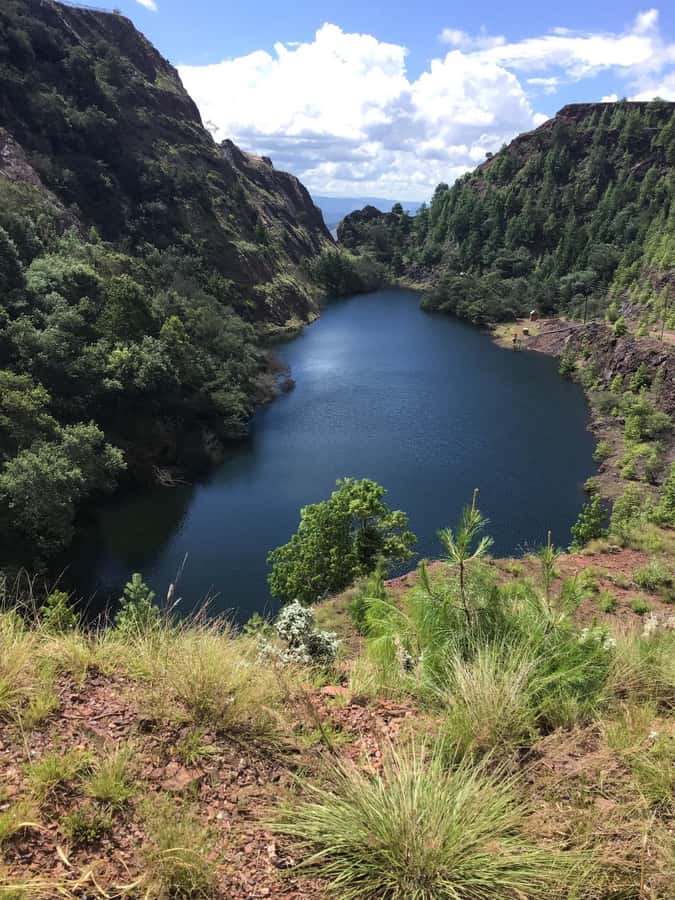
After the mine, the route leads to a lake that may be blue or brown. Its color can change because of dirt from the mine, which gives the stop both visual interest and a clear link to the area’s past use.
When the water looks blue, it provides a striking contrast with the surrounding rocks and mountains. When it appears brown, the change tells you something about the material moving through the area. Either way, the lake is not just a photo stop. It helps you see the connection between mining and the natural setting.
The color is not guaranteed, so do not book the tour expecting a particular shade. That uncertainty is part of the point. You may see the lake in a more attractive blue tone, or you may find it brown because of dirt from the mine.
This stop is also a reminder to listen to the guide’s explanation. The value comes from understanding why the lake looks as it does, not only from taking a picture.
Finding the lion cave
The next named feature is the lion cave. Despite the name, the experience information does not promise lion sightings, and the practical advice is clear: do not expect to see animals on this outing.
The cave is best treated as a natural and local point of interest rather than a wildlife encounter. Its name adds character to the route, while the surrounding mountain views give the stop its larger setting.
That distinction helps set the right expectations. If you want a safari-style experience, another national park may suit you better. If you enjoy hearing the story behind a place and seeing unusual features during a short hike, the cave fits this tour well.
The guide’s role is especially important here. A cave, mine, and lake can feel like disconnected stops if you visit alone. With an informed local guide, they become parts of one story about the area, its rocks, its industry, and its remembered places.
Mountain views without a demanding trek
The mountain scenery is the quiet payoff of the route. After the roads, rocks, mine, and lake, you get open views that show why Malolotja is worth visiting even without wildlife sightings.
A guest who joined the tour described the hike as pretty easy and praised the views. Another guest’s experience also shows that the plan can be adjusted. When his wife was slightly injured and nervous about walking, Michael suggested using the car and mixing driving with selected walking sections.
That flexibility is useful, but you should not assume every detail of the route can be changed in every situation. The published information says the tour is not suitable for pregnant women, and everyone should bring comfortable shoes. If you have concerns about walking, contact the provider before booking.
The small group helps here. With no more than 10 participants, the pace is less likely to feel like a march. The guide can give attention to different walking abilities, though the tour remains an outdoor hike and not a fully accessible vehicle sightseeing trip.
Returning to Ngwenya Glass
After the hike, you return to Ngwenya Glass. This second visit gives the tour a satisfying change of pace. You move from open ground and mining traces into a working manufacturing setting.
The glass-making process is a strong finish because it is visual and hands-on in a way the mountain section is not. You can see how glass items are produced rather than simply browsing finished goods. The delicate objects make an interesting contrast with the rough coal rocks and old mine.
This stop also adds value to the transportation arrangement. Ngwenya Glass is not merely where the vehicle waits. It is part of the planned experience, and the return visit means you do not need to choose between a park walk and a craft attraction.
If your main interest is hiking, the factory visit may feel like an add-on. If you enjoy seeing local production and want a broader half-day outing, it rounds out the tour nicely.
What Michael adds to the day
The guide can make or break an experience built around several modest sights. Michael Mancoba Masuku is specifically named as the guide, and the strongest praise centers on his care, local explanations, and willingness to adapt the plan.
He has talked through ancient and recent developments at Malolotja, along with the coal story, lake, lion cave, and mountain views. That range matters because the route does not depend on one dramatic monument. The guide’s explanations tie the pieces together.
His response to an injured guest is especially practical. Rather than treating the booking as fixed, he suggested a mix of driving and walking that allowed the couple to continue seeing the area. He also agreed to add Sibebe Rock and the craft market in Mbabane on that particular day, but those additions should not be assumed as part of this four-hour tour.
You should book this experience for the guide’s local perspective as much as for the route. A self-guided visit might show you rocks and water. Michael can add the human story that gives those sights meaning.
Is $110 a fair price?
At $110 per person, this is not the cheapest way to take a walk. The value depends on what you want from the outing.
You are paying for a four-hour guided experience, transportation from the Mbabane meeting point, and the entrance fee. You also get a small group capped at 10 people, an English-speaking local guide, the Malolotja route, and the Ngwenya Glass manufacturing visit.
That package makes more sense if you do not have your own vehicle or do not want to manage the route yourself. It also suits you if you prefer a guide who can explain the area and adjust the day when needed.
The price is harder to justify if you only want a strenuous hike or a wildlife drive. This is a short, mixed-format tour. It includes nature, local industry, scenery, and crafts, but it does not promise animal sightings or a full-day park safari.
Food and drinks are not included, so plan for your own refreshments. The tour information does not specify a meal stop, and it is best not to expect one.
Who should book this hike?
I would recommend it to you if you want a gentle introduction to Malolotja with several different points of interest. It is a good match for visitors who enjoy mountain views but also want context about mining and local craft production.
It should suit small groups, couples, and independent-minded visitors who value a personal guide. The 10-person limit keeps the outing more intimate than a large coach tour.
You may want another activity if wildlife is your top priority. The tour is not presented as a safari, and the practical advice is not to expect animals. You should also think carefully about the walking element if you have a condition that makes outdoor routes difficult.
Comfortable shoes are essential. Alcohol and drugs are not allowed, and pregnant women should not book this activity.
Should you book the Malolotja hike?
Book it if you want a half-day experience that joins mountains, mining, and local craft in one route. The coal rocks, changing-color lake, lion cave, and Ngwenya Glass visit give you more variety than a basic viewpoint walk.
I especially like the balance between outdoor scenery and human history, plus Michael’s record of adjusting the pace when a guest needed help. The main limitation is simple: this is not a wildlife tour and not a demanding trek.
For a $110 price, the best value comes when you use the guide fully. Ask about the coal, the lake, the cave, and the area’s older and newer development. If you want an easy-to-moderate walk with strong views and a local voice, this is a sensible choice.
FAQ
Where does the tour meet?
The meeting point is KFC on Sozisa Road in Mbabane.
How long does the Malolotja hiking tour last?
The activity lasts four hours.
What language is the tour conducted in?
The live tour guide speaks English.
Is transportation included?
Yes. Transportation and the entrance fee are included in the tour price.
What should I bring?
Bring comfortable shoes. Food and drinks are not included, so plan your own refreshments.
Is the tour suitable for pregnant women?
No. The activity is listed as unsuitable for pregnant women.
Just added around the world
- Vermont Nature Trail with Topdawg Taxi and Tours★ 5.0 · 3 reviews
- La Soufriere Volcano Hike /Topdawg Tours★ 5.0 · 9 reviews
- Vermont Nature Trail Tour with Fraser’s Taxi and Tours★ 4.5 · 31 reviews
- One Day Mount Bisoke Hike Adventure Tour in Volcanoes Park★ 4.5 · 4 reviews
- 8 Days Kilimanjaro Hike via Lemosho Route★ 5.0 · 39 reviews
- Torc mountain & waterfall hike. Killarney. Private guided group. 3½ hours.★ 5.0 · 4 reviews
- 1-Day Bisoke Volcano Hiking Experience★ 4.0 · 4 reviews
- Local hills hiking★ 5.0 · 17 reviews
National Park Hikes, compared.
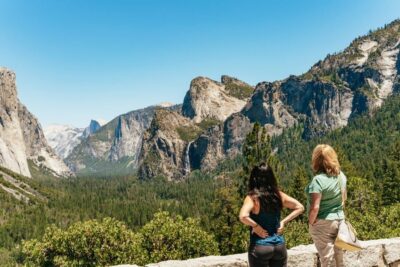
San Francisco: Yosemite National Park & Giant Sequoias Hike
Read our review →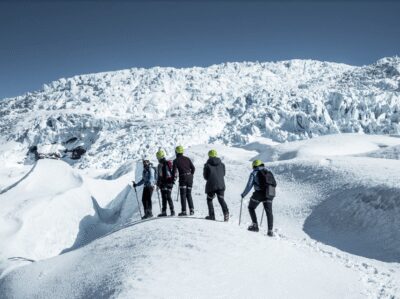
Skaftafell National Park: Falljokull Glacier Advanced Hike
Read our review →
Everglades National Park Biologist Led Adventure: Cruise, Hike + Airboat
Read our review →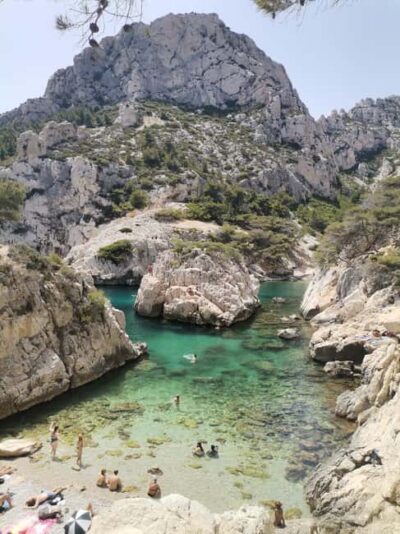
Calanques National Park Guided Hike with Picnic
Read our review →
From Helsinki: Nuuksio National Park Hiking Tour with Food
Read our review →
Half Day Hiking to Cat Ba National Park with a Guide
Read our review →Browse the lists this tour appears in