
REVIEW · AUSTRALIA
Kata Tjuta: Valley of the Winds Circuit Hike
Kata Tjuta’s Valley of the Winds is the kind of walk that makes you work for its views. For about three hours, you follow a demanding route between giant red domes, with an English-speaking guide explaining the rocks, plants, wildlife, and cultural meaning of this sacred area.
I like the small-group format, which gives you room to ask questions. I also like that morning tea, light refreshments, and hotel transfers are included. Guides Jackie and Ali have earned especially strong praise for clear explanations and friendly help.
The main catch is the physical effort. This is not a gentle stroll, and the National Park entry ticket costs extra. The walk is not suitable for young children, people with mobility or respiratory problems, or anyone with a low fitness level.
Key points to know before you book
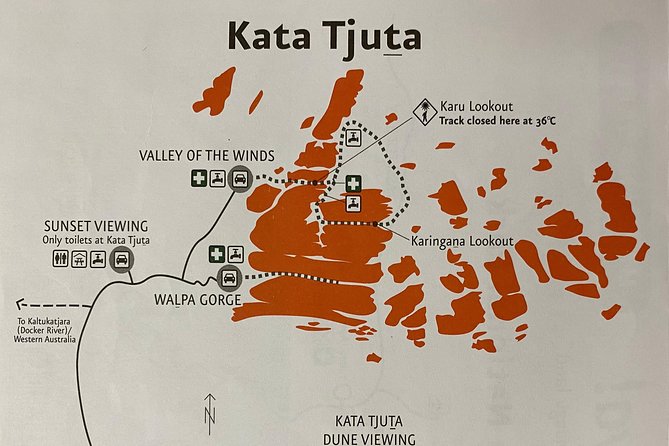
- Three hours on foot: The Valley of the Winds circuit is a challenging walk between Kata Tjuta’s huge geological domes.
- Guides make the difference: Jackie and Ali are singled out for answering questions and explaining geology, plants, and local culture.
- Small group attention: The format gives you a better chance to ask questions than a large coach tour.
- Morning tea is included: You receive light refreshments during the outing, along with water, food, and fruit according to the tour details.
- Transfers save planning time: Pickup and drop-off are available at four Ayers Rock Resort locations.
- Fitness matters: Bring water, sunscreen, a hat, and proper walking shoes. The route is not wheelchair accessible.
Why the Valley of the Winds is worth your walking shoes

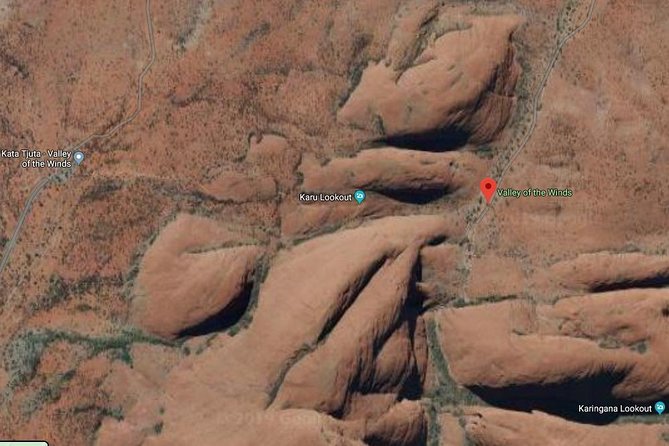
Kata Tjuta, also called the Olgas, is made up of enormous rounded rock domes. The Valley of the Winds route takes you into the spaces between them, where the scale becomes easier to grasp. You are not simply looking at red rock from a distance. You are walking among it.
That close view is the heart of the outing. The domes rise around the route, and the changing angles give the walk a sense of progress. One bend opens a new view, then the path turns again and brings you near another wall of weathered stone.
I like this kind of sightseeing because the scenery is tied to movement. You earn the outlooks with your legs, and the walk gives you time to notice smaller details too. Your guide points out native plants and helps connect the dry setting with the living things that manage to grow there.
The area also has deep cultural importance. The tour explains that the route passes through a sacred men’s area, so you should approach it with respect. A guide can help you understand why Kata Tjuta is more than a scenic stop and why the setting matters to Anangu culture.
A few more hikes around Australia worth a look
- Great Ocean Road 12 Apostles & Rainforest Walk with Morning Tea
★ 4.5 · 549 reviews - Small Group Manly Snorkel Tour and Nature Walk with Local Guide
★ 5.0 · 290 reviews - Blue Mountains Hiking Glow worms Cave Wildlife Spotlighting Night Adventure
★ 5.0 · 165 reviews
The hour-long transfer from Ayers Rock Resort
The outing begins with pickup at one of four locations: Sails in the Desert, Outback Pioneer Hotel & Lodge, Desert Gardens Hotel, or Ayers Rock Campground. The transfer to Kata Tjuta takes about an hour by van.
That drive is useful rather than wasted time. You do not have to arrange your own transport, and you can settle into the day before the walk begins. It also makes this a practical choice if you are staying at Ayers Rock Resort and want a planned outing without handling the road arrangements yourself.
The van transfer is part of the value of the $176 price. The National Park entry ticket is not included, so remember to add that cost when comparing this outing with other options. The tour price covers the guide, transportation to and from your hotel, morning tea, and light refreshments.
You should confirm the pickup time when booking, since the total duration is listed as 330 minutes and starting times depend on availability. The full outing takes roughly five and a half hours, including transport, while the actual hike lasts about three hours.
Starting the three-hour Kata Tjuta circuit
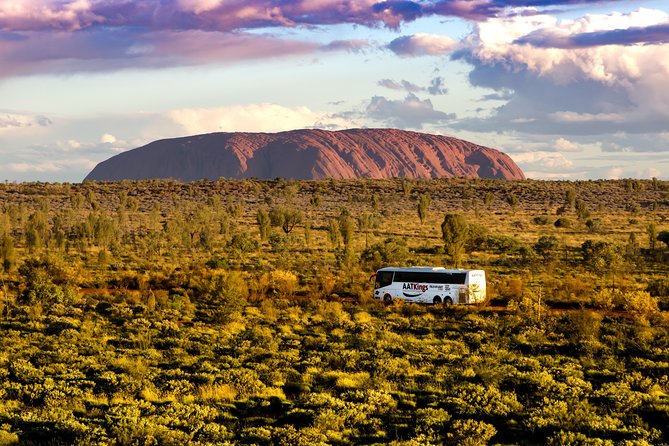
Once you reach Kata Tjuta, the focus shifts from transport to walking. The route is described as challenging, so comfortable shoes are essential. Bring your own water, a sun hat, and sunscreen, even though refreshments are supplied.
The phrase challenging walk matters here. The tour is not designed for someone who wants a short, flat path with frequent rest. It is also specifically unsuitable for people with back problems, respiratory issues, pre-existing medical conditions, mobility impairments, or a low level of fitness.
Your guide leads the group between the rock formations and sets the pace for the outing. In a small group, you can ask questions as the route unfolds rather than waiting for a formal talk at the end. That is useful when a plant, rock feature, or cultural point catches your attention.
One practical note comes from the experience itself: not every part of the walk may feel equally relaxed. One person wanted more stops to enjoy the scenery, so if you prefer long pauses for photographs, say so early and keep an eye on the pace. The route has a lot to see, but a guided hike still has a schedule to follow.
Big geology, explained in plain language
The geological side is one of the strongest reasons to choose a guided walk. Kata Tjuta’s domes can look like simple red boulders from far away, but close views reveal more texture and form. A guide gives you a way to read what you are seeing instead of treating the rocks as background scenery.
Eileen specifically valued the geological background and the chance to learn about local plants. That combination is important. The walk is not only about dramatic stone. It also shows how geology affects the ground, vegetation, and route through the domes.
Jackie received especially strong praise for guiding the hike. Ali was also praised for answering many questions, which is a good sign if you like an interactive outing rather than a silent walk. The guide quality matters here because the natural details are easy to miss when you move through the area on your own.
You may also learn about the European history of the region. The tour combines that subject with natural and cultural history, giving you more than a single story about the area. Still, the exact depth of each topic can depend on the guide and the questions asked by your group.
Same trailhead, a different sort of day:
- Small-Group Grampians Great Wildlife Escape Day Trip with Hiking
★ 5.0 · 160 reviews - 4 Day Wild Tasmania Tour / Wildlife, Nature, Hiking / Inc. Accom
★ 5.0 · 126 reviews - Blue Mountains Wildlife Full-Day Sights and Hiking from Sydney
★ 4.5 · 66 reviews - Sydney: Port Stephens Day Trip with Dolphin Cruise or Hike
★ 4.4 · 64 reviews
Flora, fauna, and the value of slowing down
Kata Tjuta can look harsh, but the tour draws attention to its range of plant life and the animals that use this environment. You should not book this expecting a wildlife-focused expedition with guaranteed sightings. The emphasis is on seeing a diverse range of flora and fauna while walking through the area.
That distinction helps set fair expectations. The rocks are the main attraction, while plants and wildlife add detail to the walk. Your guide can point out things you might pass without noticing, especially if you are focused on the next rise or the best view.
Morning tea and light refreshments give the group a useful pause. The supplied details also describe the guide carrying water, food, and fruit. Even so, bring your own water. In the heat and open sun of Central Australia, personal preparation matters more than relying on a short refreshment stop.
Smoking is not allowed during the activity. Sun protection is also not optional. A hat, sunscreen, and comfortable walking shoes belong in your day pack from the start.
Culture and the sacred men’s area
The tour presents Kata Tjuta as a place of spiritual importance, not just a natural attraction. Your guide explains the cultural background of the area and takes you through a sacred men’s area. That part of the experience calls for quiet attention and respect.
The supplied information does not spell out every cultural detail you will hear, and the exact talk can vary with the guide. I would treat this as an opportunity to listen rather than expect a scripted performance. The best approach is simple: follow the guide’s instructions, stay on the route, and avoid treating sacred places as photo props.
This cultural context adds weight to the scenery. The red domes are impressive on their own, but knowing that the area has living cultural meaning changes how you look at the walk. It also makes a guided visit more useful than rushing through for photographs.
What the guides add to the day
The most praised part of this experience is the guiding. Jackie is described as wonderful and excellent, with particular strength in explaining the setting. Ali is praised for answering questions thoroughly. Another assessment calls the guide friendly and the group small.
These details point to a tour where personality matters. If your guide is engaging, the three-hour walk becomes a moving lesson in rocks, plants, culture, and local history. If you have questions, ask them. The small-group setup should make that easier.
The guiding style may not suit everyone perfectly. One person wanted more stops to take in the views, so you should tell the guide if you need a slower rhythm. The route is demanding, and the group still needs to stay together, but clear communication can help you get more from the scenery.
The tour is conducted in English. An audio guide may be available in another language if you request it, so ask about that before setting out if English is not your preferred language.
How the $176 price stacks up
At $176 per person, this is not a cheap transfer to a viewpoint. You are paying for a guided walk, a small group, hotel pickup and return, morning tea, light refreshments, and interpretation of the area.
The value is strongest if you want to understand Kata Tjuta rather than simply see it. A self-guided outing may cost less in guiding terms, but it would not give you the same built-in explanations about geology, plants, European history, and culture. You would also need to handle your own transport from the resort.
The National Park entry ticket is an extra expense. Include it in your budget before comparing the total with other activities. The reserve-now-and-pay-later option gives you some planning flexibility, and cancellation is free up to 24 hours before the activity for a full refund.
For a half-day outing in the Red Centre, the price can make sense for active visitors who value convenience and context. It is less convincing if you only want a brief scenic stop, dislike guided pacing, or are not prepared for three hours of demanding walking.
Who should book this hike?
I would recommend this experience to fit adults who want a close look at Kata Tjuta and prefer a guide to explain what they are seeing. It suits people who enjoy asking questions, walking through dramatic rock formations, and learning about both natural and cultural subjects.
It is also a good match if you are staying at Ayers Rock Resort and do not want to arrange transport. The four pickup and drop-off locations make the day straightforward, and the small group should feel more personal than a large bus outing.
I would not choose it for children under five, anyone with a low fitness level, or anyone with mobility, back, respiratory, or other pre-existing health concerns. The route is not wheelchair accessible, and the physical demands are clearly stated.
Photographers should also think about the pace. The scenery is strong, but you may not get unlimited time at each viewpoint. If you need long pauses, speak with the guide at the beginning and be realistic about keeping up with the group.
Practical preparation for the red center
Wear shoes that are comfortable for several hours of walking. This is the single most important clothing choice. A sun hat and sunscreen are also essential, and you should carry water even though refreshments are included.
Plan on being out for about 330 minutes. That includes the roughly one-hour van ride each way and about three hours of hiking, plus time for morning tea and the transition between transport and trail.
Because the tour starts and ends at resort locations, check that your accommodation matches one of the listed pickup points. Sails in the Desert, Outback Pioneer Hotel & Lodge, Desert Gardens Hotel, and Ayers Rock Campground are the named options.
You can cancel up to 24 hours in advance for a full refund, and you can reserve now while paying later. Those terms are useful if your Red Centre schedule may change, but they do not remove the need to check the start time and park entry requirements before booking.
Should you book the Valley of the Winds Circuit?
Book it if you want the full walking experience at Kata Tjuta: a demanding route, close views of the domes, small-group guiding, and explanations that connect geology, plants, culture, and history. Jackie and Ali are strong names to look for in the guiding team, based on the quality of the descriptions attached to this experience.
Skip it if you want an easy outing, need wheelchair access, or prefer to stop for long periods without a fixed group pace. The $176 price is fair when you use the transfer, guide, refreshments, and interpretation, but the park ticket costs extra and the hike requires real fitness.
For an active half-day in Australia’s Red Centre, this is a thoughtful way to meet Kata Tjuta on foot. Bring water, protect yourself from the sun, and arrive ready to walk.
FAQ
How long does the Valley of the Winds tour last?
The total duration is 330 minutes, or about five and a half hours. The itinerary includes about one hour of van travel and three hours of hiking.
How long is the actual hike?
The guided hike at Kata Tjuta lasts about three hours.
Where can I be picked up?
Pickup is available from Sails in the Desert, Outback Pioneer Hotel & Lodge, Desert Gardens Hotel, and Ayers Rock Campground.
Is hotel transfer included?
Yes. Transfers to and from the listed Ayers Rock Resort pickup locations are included.
Is the National Park entry ticket included?
No. The Uluru Kata Tjuta National Park entry ticket is not included in the tour price.
What should I bring?
Bring comfortable walking shoes, water, a sun hat, and sunscreen.
Is the hike suitable for people with mobility impairments?
No. The activity is not wheelchair accessible and is not suitable for people with mobility impairments or a low fitness level.
Is the tour available in languages other than English?
The live guide speaks English. An audio guide may be available in another language if you request it in advance.
Just added around Australia
- Explore the Hidden Gorges: Kalbarri 4WD, Hike, Canoe Experience★ 5.0 · 4 reviews
- Hobart: Bruny Island Adventure: Hiking, Highlights & Local tastes★ 4.0 · 23 reviews
- Koalas, Glow Worms & Kangaroos – Nature & Rainforest Walk★ 5.0 · 4 reviews
- Ningaloo In A Full day Hike and Snorkel Tour★ 5.0 · 4 reviews
- Cairns: Explore & Hike Dunk Island – Full Day Tour★ 5.0 · 11 reviews
- Deep Creek Hike: Trails and Tales with a Foreign Flair★ 5.0 · 4 reviews
- Morialta Wilderness and Wildlife Hike★ 5.0 · 7 reviews
- Morialta Falls Hike: Trails and Tales with a Foreign Flair★ 5.0 · 7 reviews
Australia Hiking Tours, compared.

Great Ocean Road 12 Apostles & Rainforest Walk with Morning Tea
Read our review →
Small Group Manly Snorkel Tour and Nature Walk with Local Guide
Read our review →
Blue Mountains Hiking Glow worms Cave Wildlife Spotlighting Night Adventure
Read our review →
Small-Group Grampians Great Wildlife Escape Day Trip with Hiking
Read our review →
4 Day Wild Tasmania Tour / Wildlife, Nature, Hiking / Inc. Accom
Read our review →
Blue Mountains Wildlife Full-Day Sights and Hiking from Sydney
Read our review →
Sydney: Port Stephens Day Trip with Dolphin Cruise or Hike
Read our review →
Hobart: Bruny Island Adventure: Hike, Highlights & Tastes
Read our review →Browse the lists this tour appears in