
REVIEW · SPAIN
From Malaga: Cliffs of Maro Hike w/ Beach Visit & Snorkeling
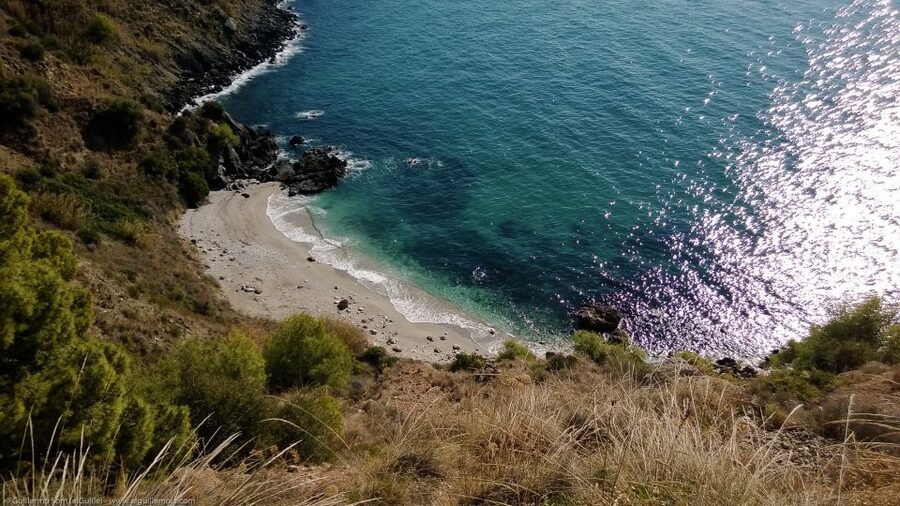
The best part of this outing comes at the end: after walking through the Cliffs of Maro-Cerro Gordo Natural Park, you reach a quiet beach that is difficult to find without local help. The reward is clear water, white sand, and time to swim or snorkel among the fish.
I like the small group, capped at eight people, and I like the way guide Alfonso brings the area to life with stories about mango, avocado, sugar cane, papaya, and other crops. The catch is simple: this is a real hike, not a gentle coastal stroll. Steep, narrow, loose, and sometimes slippery sections require good fitness.
Key points
- A secluded beach is the payoff: Swim and snorkel in clear water at a shore that is not easy to reach without knowing the route.
- The hike has teeth: Expect steep and irregular ground, narrow sections, dry dirt, and little shade.
- Alfonso adds local color: His nature lessons cover crops, plants, local culture, and the area’s past.
- The small van keeps things personal: Groups are limited to eight, with air conditioning, water, fruit, and a cereal bar included.
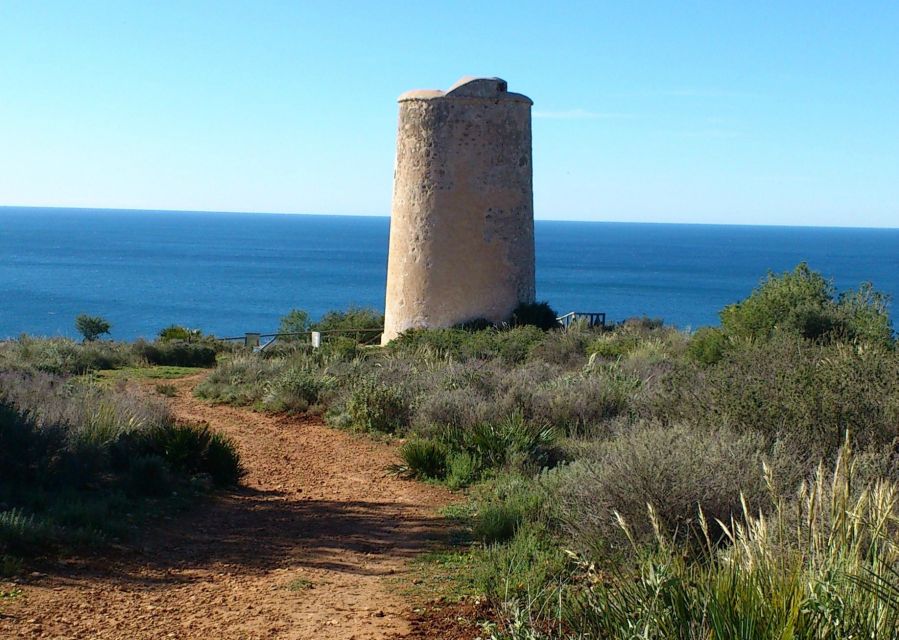
- A 16th-century tower breaks up the walk: The Arab vigil tower gives the route a clear historical marker and wide coastal views.
- Pack for sun and water: Bring sports shoes, swimwear, a towel, and a hat. Sandals and flip-flops are not suitable.
Why the secluded beach makes this hike worth the effort
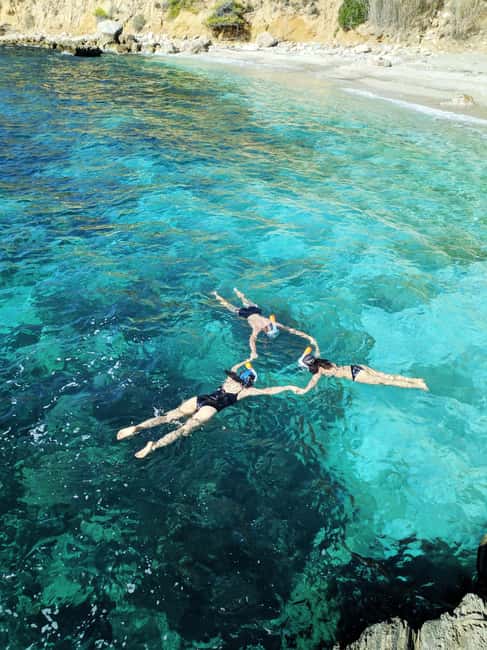
This is not a tour where the beach is an afterthought. The walk leads you to a shore that feels special precisely because getting there takes work. Once you arrive, you can put down your pack, cool off in the sea, and spend time looking beneath the surface with the supplied snorkeling gear.
The water is described as clear, warm, and full of fish. That combination gives the outing a fine rhythm: effort on the trail, then a proper swim instead of a quick photo stop. You also get fruit, water, and a cereal bar, which matter after a climb and descent in the Andalusian sun.
I especially like that the beach portion is not tightly packed with scheduled activities. You have time to swim, snorkel, or simply lie on the white sand. Still, do not picture a shady seaside resort. Shade is scarce on the route and at the beach, so a hat, sunscreen, and enough water are important.
More Coastal Walks in Spain
- Barcelona: Costa Brava Easy Hike, Snorkel, Cliff-Jump & Meal
★ 5.0 · 329 reviews - Barcelona: Costa Brava Easy Hike, Snorkel, Cliff-Jump & Meal
★ 5.0 · 189 reviews - Estany d’en Mas: Coastal Hike, Abseil & Sea Cave Exploration
★ 4.9 · 162 reviews
From central Malaga to Maro in 45 minutes
The day begins at Calle Ordóñez 2 in central Malaga. The meeting point is beside the Carrefour supermarket and close to the Atarazanas central market. It is also about a two-minute walk from Alameda station, the final stop for trains arriving from Torremolinos, Benalmádena, and Fuengirola.
You ride in a van for about 45 minutes each way. For a half-day outing, that is a reasonable transfer, especially since the drive gives you access to a coastal area that is not within Malaga’s city center. The van has air conditioning, and the small group limit of eight should make the journey more comfortable than a large coach trip.
Hotel pickup is not included, so you need to reach the city-center meeting point on your own. Plan a little extra time to find Calle Ordóñez, particularly if you are carrying a towel, water, and hiking shoes. The total activity lasts about five and a half hours, including the two transfers.
The guide speaks English or Spanish. If you want the most personal version of the outing, the small group size is a real advantage. Alfonso has led this route with an easy manner, plenty of local information, and close attention to the group. His talks about plants and crops help turn the flatter parts of the walk into something more than a transfer between viewpoints.
Walking through crops, palms, and coastal paths
The route passes through an unusual mix of coastal scenery and cultivated land. You may see avocado, banana, papaya, sugar cane, apple, mango, and other crops. This is one of the tour’s most interesting features because it shows how much food can grow in the warm coastal climate of southern Spain.
Alfonso has used sections of the walk to explain how to identify plants such as mango and avocado trees, along with sugar cane and cherimoya, a fruit that many people have never encountered. These short botany lessons give you something to look for as you walk and add a local angle that you would miss on a simple beach transfer.
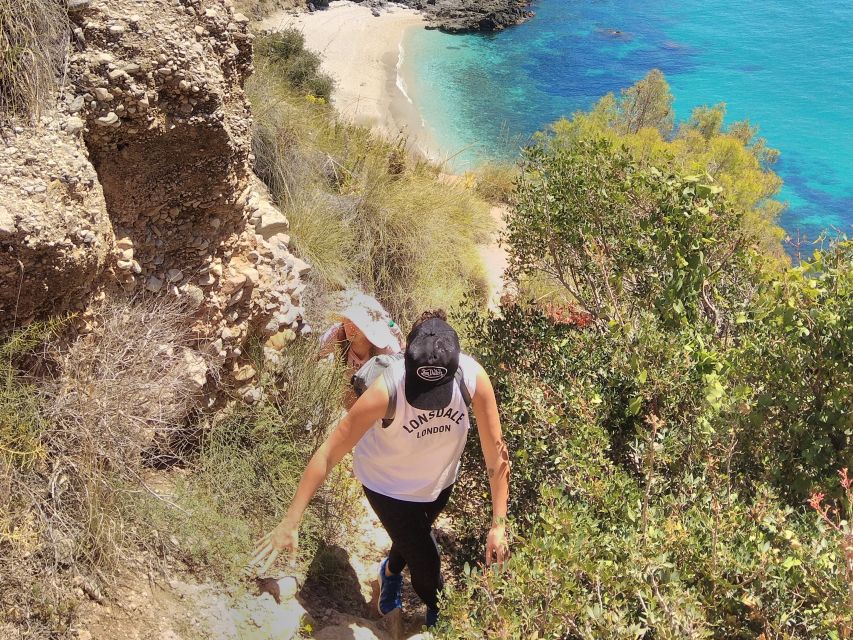
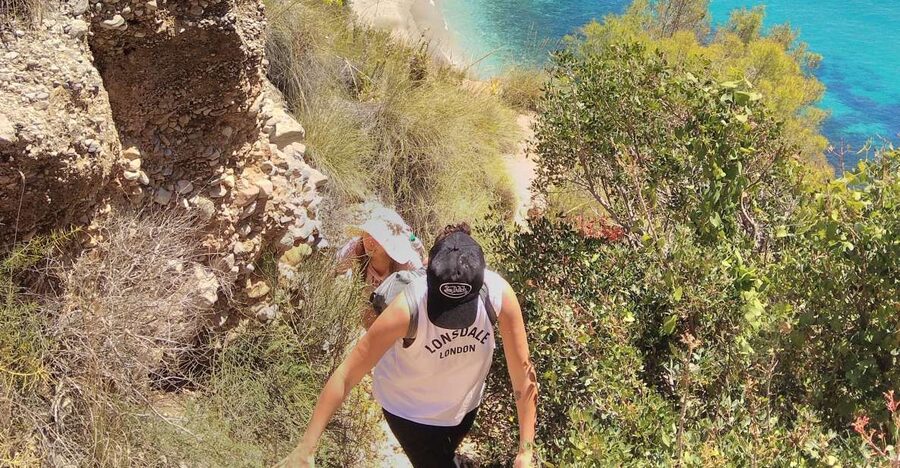
The route is not all open countryside. It moves through the paths of the natural park, with tropical vegetation and coastal views. Some parts are fairly level, while others become narrow or steep. Dry dirt can slide beneath your shoes, and certain sections are irregular enough that you need to watch each step.
This is where the wording intermediate hike can cause confusion. One person may find it manageable, while someone new to hiking may find it demanding. You should be comfortable walking uphill and downhill on uneven ground. The route is not suitable for people with mobility impairments or people who are afraid of heights.
The Arab vigil tower and the best views
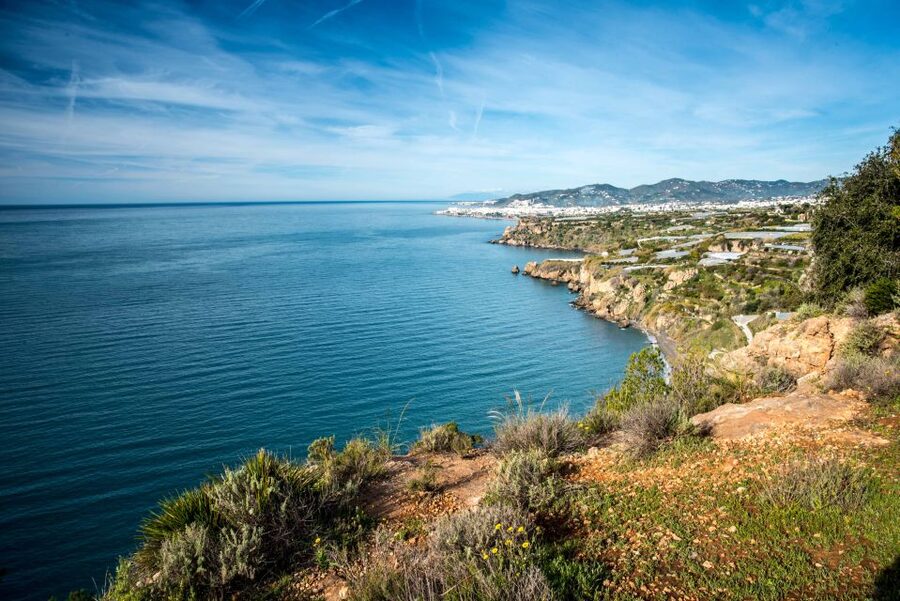
A 16th-century Arab vigil tower gives the walk a strong focal point. These towers were built along the coast as lookout points, and this one helps you connect the scenery with the area’s past. It is not simply another viewpoint with a short photo stop. Reaching the tower involves an uphill section, and the return trip includes the descent toward the beach and the climb back out.
The tower also helps explain the physical shape of the route. You are not walking on a flat path beside the water. You gain height, move along uneven trails, and later lose it as you head toward the shore. The views make the work worthwhile, but anyone uneasy with exposed or narrow paths should think carefully before booking.
The route is especially demanding in hot weather because there is little shade. The sun can make a moderate climb feel much harder than it looks on paper. A hat, sturdy sports shoes, and regular sips of water will help. Flip-flops are specifically unsuitable, and even ordinary beach sandals would be a poor choice on loose ground.
Same trailhead, a different sort of day:
- From Valencia: Montanejos Guided Hike with Natural Pools
★ 4.5 · 1,741 reviews - From Seville: Caminito del Rey Hike Day Trip
★ 4.5 · 1,240 reviews - Lanzarote: Hike Across Timanfaya’s Volcanic Landscapes
★ 4.8 · 1,234 reviews - The Volcano Heart Tour: Hiking, Tasting and Sunset Experience
★ 5.0 · 1,120 reviews
Reaching the beach and getting into the water
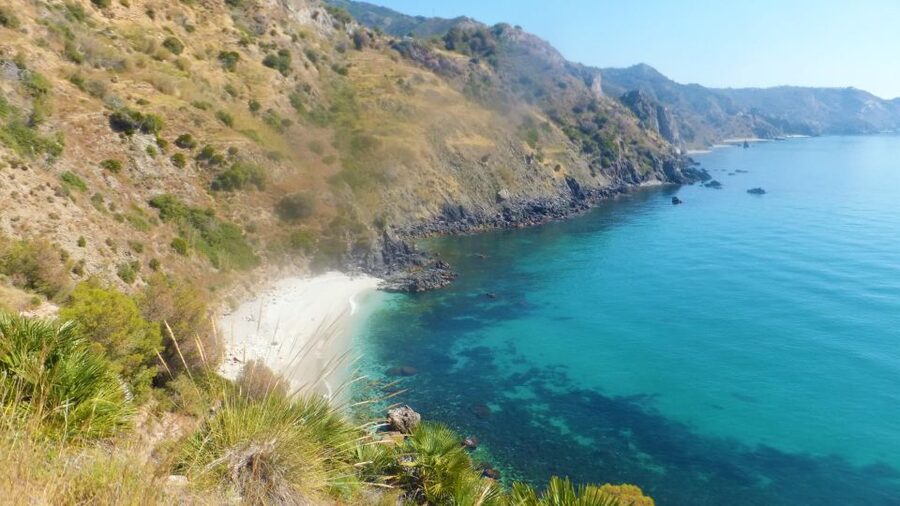
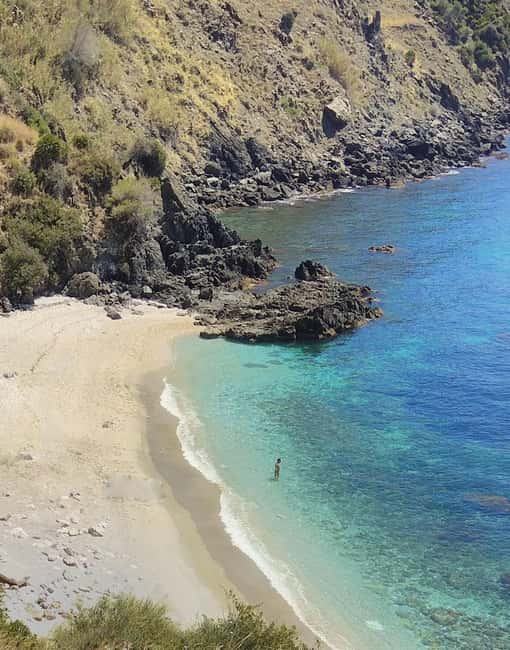
The beach is the emotional high point of the outing. After the climb, you arrive at a small shore with white sand and clear water. It is less accessible than the beaches you can reach by car or a city bus, which is why the setting feels more secluded.
You can swim, snorkel, or rest on the sand. Snorkeling equipment is included, so you do not need to bring your own mask and gear. The water offers a chance to see fish and other marine life, though the exact conditions can change with the day and the sea.
The swim is not just a pleasant extra. It changes how the entire hike feels. A difficult downhill section has a purpose, and the walk back becomes easier to accept after time in the water. The supplied fruit, water, and cereal bar are modest but useful, particularly if you have not eaten recently.
There is no indication of extensive beach facilities, so treat this as a natural stop rather than a developed resort beach. Bring your own towel and swimwear, and remember that sun protection matters here just as much as on the trail. With little shade at the beach, you may want to spend part of your break in the water rather than sitting in full sun.
How hard is the Cliffs of Maro hike?
The honest answer is that it depends on your hiking background, but it is harder than a casual walk. The path includes steep and irregular areas, narrow sections, and loose dry dirt. Some people with regular walking experience may find it manageable, while first-time hikers could find the route intense.
You should be able to handle:
- Uphill and downhill walking
- Uneven ground and loose dirt
- Narrow paths
- Direct sun for much of the route
- A climb back up after reaching the beach
The activity is not suitable for people with mobility impairments or anyone afraid of heights. The narrow sections and coastal setting can feel exposed. If you are unsure, choose sturdy athletic or hiking shoes and consider a gentler Malaga outing instead.
I would not book this in flip-flops after a morning at the hotel pool. Sports shoes are required for good reason. A hat, swimsuit, towel, and sun protection belong in your day bag, while the operator provides snorkeling equipment, drinking water, fruit, and a cereal bar.
Why the small group matters
A maximum of eight people changes the feel of the day. The guide can keep an eye on the group through tricky sections, answer questions, and pause for plant or history explanations without managing a crowd. You also spend the van ride in a small group rather than on a large sightseeing bus.
The small size is useful on a narrow trail. It allows the group to move at a steadier pace and makes it easier to stay together. It also gives you more room to ask about local traditions, crops, or the natural park.
The guide’s role is central here. Alfonso has been particularly well suited to the outing, combining a relaxed manner with close control of the route. He can talk about nature and local culture, but he also needs to judge when the group should slow down, especially on steep or slippery ground.
The tour is offered in English and Spanish. If you have questions about the route or your fitness level, it is sensible to ask the guide before setting off rather than waiting until the steepest part.
Is $64 a fair price?
At $64 per person, the value depends on what you want from a half-day near Malaga. This is not simply transportation to a beach. The price includes the guide, the return van ride, snorkeling equipment, drinking water, fruit, and a cereal bar.
You are also paying for access to a less obvious coastal route, local interpretation, and the convenience of combining a hike, historic tower, and sea time in one outing. For someone without a car or local knowledge, that combination is useful. Reaching the beach independently could be difficult, and the guide removes much of the route-finding problem.
The value is weaker if you mainly want an easy swim. The physical effort is a major part of the activity, and the beach is only one section of the day. You also need to arrange your own way to the central Malaga meeting point, and hotel pickup is not included.
For active visitors, the price is reasonable. You get transport, a small group, equipment, snacks, and several distinct parts to the day. For anyone seeking a relaxed beach transfer, it is the wrong product.
Timing, heat, and practical planning
The full outing lasts 330 minutes, with roughly 45 minutes of transport in each direction and about four hours at the natural park. That park time covers the walk, the tower, the beach, snorkeling, and the return route to the van.
The schedule means you should eat a proper breakfast or early meal before meeting the group. The included snacks help, but fruit and a cereal bar are not a full lunch. Bring only what you can comfortably carry, since you will have the pack with you on the trail.
Sun exposure is one of the main practical concerns. The route and beach offer little shade, so a wide-brimmed hat or sun hat is useful. Drinking water is included, but you should still follow the guide’s advice about drinking regularly.
The best clothing choice is simple: sports shoes, light clothing, swimwear underneath or in your bag, and a towel. Sandals and flip-flops are not allowed. A small bag that stays secure while you walk will be more useful than a large beach bag.
Cancellation is flexible up to 24 hours before departure for a full refund, and you can reserve without paying immediately. Starting times depend on availability, so check the schedule before building the rest of your Malaga day around it.
Who should book this outing?

You should book if you want an active day outside Malaga, enjoy nature walks, and like the idea of earning a swim at a quieter beach. It suits people who are comfortable with uneven trails and who value a small group over a large sightseeing operation.
It is also a good match if you enjoy learning about plants. The crops and botany explanations give the route more character, while the vigil tower adds a clear historical point. The snorkeling makes the day appealing to anyone who wants more than a viewpoint and a photo.
You should think twice if you are new to hiking, uncomfortable with heights, or looking for a flat coastal stroll. The path can be narrow, slippery, steep, and exposed to the sun. The word beach visit should not make you underestimate the walk required to get there and return.
Should you book the Cliffs of Maro hike?
Book it if the main attraction is the combination of a proper hike, local plants, an old coastal tower, and swimming in clear water. The secluded beach and small group give this outing a sense of place that a standard beach excursion cannot match.
Skip it if you want an easy day, need lots of shade, or prefer to reach the water with minimal effort. For fit visitors who pack proper shoes and respect the heat, the $64 price gives you a well-rounded half-day with transport, a guide, snorkeling gear, and useful snacks. The key is to treat it as a demanding coastal hike with a swim at the end, not as a simple beach trip.
FAQ
Where does the tour meet in Malaga?
The meeting point is Calle Ordóñez 2 in central Malaga, beside the Carrefour supermarket and near the Atarazanas central market. It is about a two-minute walk from Alameda train station.
Is hotel pickup included?
No. You need to make your own way to the central Malaga meeting point.
How long does the full activity last?
The total duration is about 330 minutes, or five and a half hours. The van ride takes about 45 minutes each way, with roughly four hours at Cliffs of Maro-Cerro Gordo Natural Park.
What languages does the guide speak?
The tour is offered with a live guide in English or Spanish.
What should I bring?
Bring a sun hat, swimwear, a towel, and sports shoes. Sandals and flip-flops are not allowed.
Is snorkeling equipment included?
Yes. Snorkeling gear, drinking water, fruit, and a cereal bar are included.
Is the hike suitable for beginners or people with mobility impairments?
The route has steep and irregular areas, narrow sections, and some slippery ground. Good physical fitness is needed, and the activity is not suitable for people with mobility impairments or people afraid of heights.
More Snorkeling in Spain
- Hidden Coves, Hiking & Snorkeling Adventure in Mallorca
★ 5.0 · 216 reviews - Mikado Kornati Excursion with snorkeling and hiking stops
★ 4.9 · 89 reviews - From Santa Marta: Sisiguaca Beach Hike with Snorkeling
★ 4.5 · 13 reviews - From Tavira: 7 Valleys Hiking, Benagil Cave and Snorkeling
★ 4.8 · 8 reviews
Just added around Spain
- Fuerteventura sunset hike to the wild west coast★ 4.9 · 14 reviews
- Fuerteventura: COFETE HIKING TOUR: Pick up in the SOUTH★ 5.0 · 13 reviews
- Fuerteventura: Hiking on the sacred mountain El Cardon★ 4.6 · 3 reviews
- Fuerteventura: Ajuy Caves & hike to secret Las Penitas Arco★ 4.9 · 43 reviews
- From Valencia: Hiking Tour to Two Stunning Waterfalls★ 5.0 · 3 reviews
- Private Hiking Tour of The Red Canyon of Teruel★ 5.0 · 4 reviews
- From Valencia: Peña Cortada Private Hiking Day Tour★ 5.0 · 13 reviews
- From San Sebastian: Guided Coastal Hike with Winery Tasting★ 4.9 · 14 reviews
Spain Hiking Tours, compared.
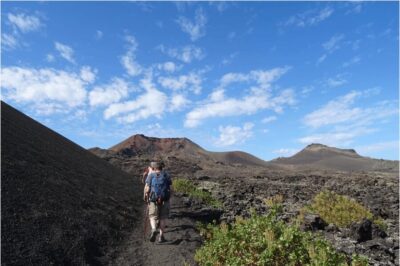

The Volcano Heart Tour: Hiking, Tasting and Sunset Experience
Read our review →
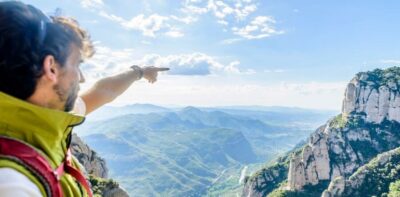
Caminito del Rey: Guided Hiking Tour with Entrance Tickets
Read our review →Browse the lists this tour appears in