REVIEW · HIKING TOURS
Arikok Adventurous Hiking Experience in Aruba
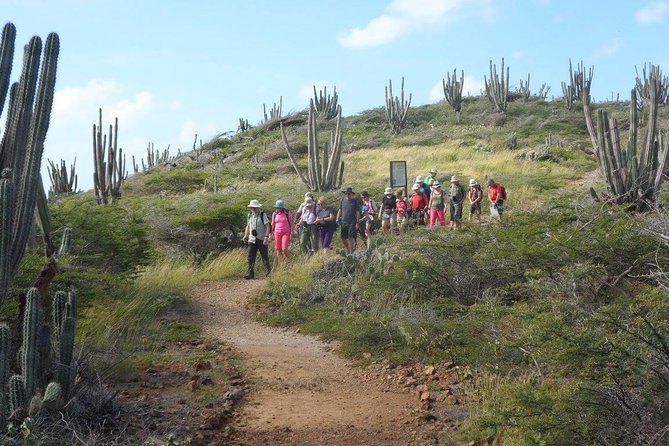
Arikok National Park gives you a very different view of Aruba than the beach resorts do. On this three-hour outing, you walk through cactus country, rocky hills, unusual lava, quartz diorite, and limestone formations while learning how plants, animals, and people have shaped the island.
I like the hotel or cruise-ship pickup, which takes the fuss out of reaching the park, and I like the chance to see Aruba’s native wildlife with someone who can explain what you are looking at. The main catch is that this is not always an easy stroll: expect dust, rocks, cactus, steps, heat, and at least one hill.
I also like the small, practical details, including bottled water, park admission, and a guide who can point out plants that are useful, harmful, or simply well adapted to Aruba’s dry climate. The tour may be described as ranger-led, but the guide can be an El Tours employee rather than an official park ranger.
Key points to know before you book
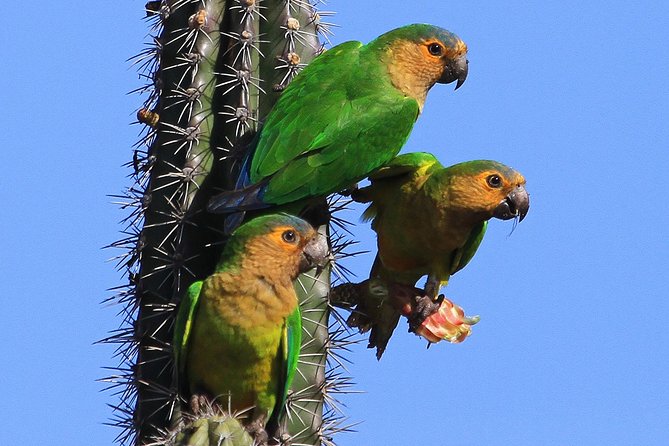
- Native wildlife: Keep watch for the Aruban burrowing owl, whiptail lizard, parakeet, rattlesnake, geckos, and desert birds.
- Three-hour introduction: You see several park highlights without giving up a full day of your Aruba holiday.
- Real desert walking: Wear sturdy athletic shoes, long trousers, and clothes you do not mind getting dusty.
- Useful transportation: Pickup and return from your hotel or cruise ship are included, along with park fees and bottled water.
- Guide quality matters: Joshua, Yuri, Ari, Rambo, Brandon, Chris, and others have led this route, but your guide is assigned rather than selected.
- Moderate effort: The walk is manageable for people with good fitness, but cactus, stairs, rocks, heat, and inclines require care.
Why Arikok is worth leaving the beach for
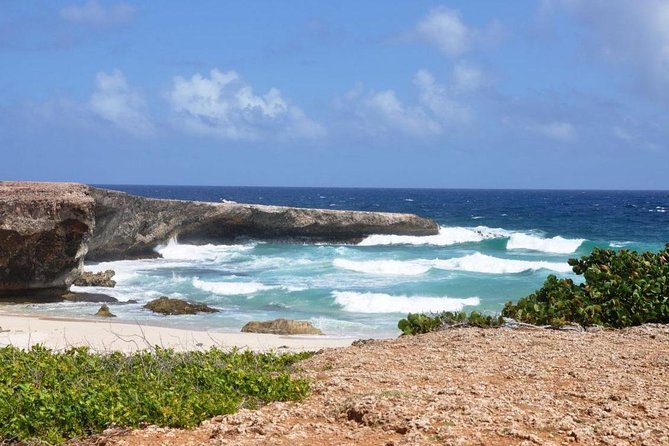
Arikok National Park covers a large part of Aruba and protects the island’s rougher, less polished side. Here, the ground is dry and stony, the plants are built to handle wind and little rain, and the scenery changes from one rock formation to the next.
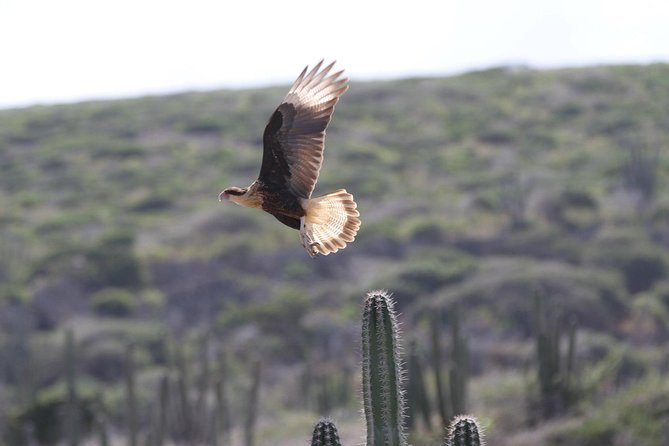
That contrast is the point of this trip. You are not visiting a manicured garden or taking a flat nature walk. You are seeing the environment that supports Aruba’s native species, including the shoco, or Aruban burrowing owl; the cododo, or Aruban whiptail lizard; the prikishi, or Aruban parakeet; and the endangered cascabel, or Aruban rattlesnake.
Do not book this mainly for guaranteed animal sightings. Wildlife is unpredictable. You might see lizards, geckos, goats, and birds, but the strongest part of the outing is learning how the park works and how to read its plants and rock formations.
A few more hikes around the world worth a look
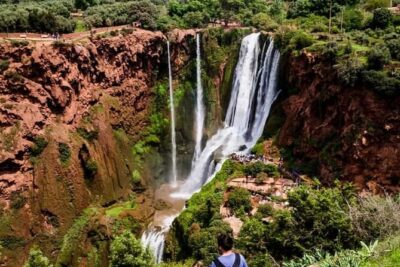
- From Marrakech: Ouzoud Waterfalls Guided Hike and Boat Trip
★ 4.7 · 33,630 reviews - Berber villages : Atlas Mountains Day Hike from Marrakech
★ 5.0 · 14,007 reviews - Bali: Sunrise Mount Batur Guided Hike with Breakfast
★ 4.8 · 9,660 reviews
The 9 a.m. pickup and ride to the park
The day begins at 9 a.m., with pickup from your hotel or cruise ship. That is a real advantage in Aruba, where getting to the national park on your own can add planning, driving, and navigation to an already short morning.
The ride is part of the introduction. Guides have sometimes pointed out neighborhoods, local history, and rock formations along the way, including Ayo Rock. The exact commentary depends on who leads your trip, but the drive gives you more context than simply arriving at the visitor center.
Pickup times and the order of stops can vary, so keep your morning flexible. The experience lasts about three hours, but that includes transportation and the walk. It is best treated as a focused introduction to Arikok, not a full-day tour of every corner of the park.
The vehicle is also useful after the hike. You can finish dusty and warm, then return to your hotel without arranging a taxi or finding a place to clean up before the ride.
Starting at the sustainable visitor center
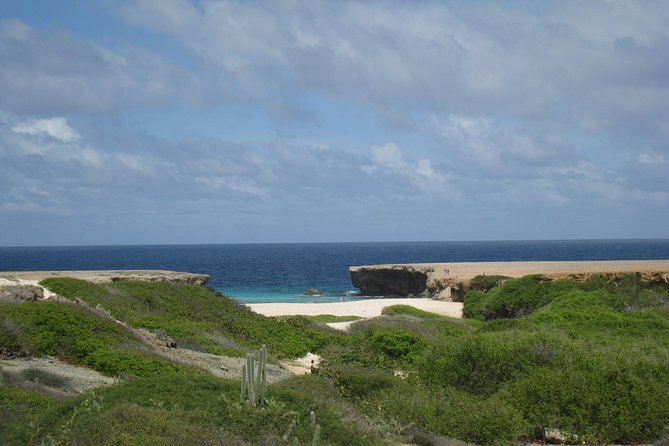
At the Arikok visitor center, you meet the guide for the walk. The center has a modern sustainable design and an exhibit featuring native animals, including the whiptail lizard, cat eye snake, and rattlesnake.
This stop helps you get your bearings before heading out. You can see what makes Aruba’s wildlife different from the animals you might know from other Caribbean islands, and you begin to understand that the park is more than a stretch of dry ground.
The wording around the guide is worth clarifying. The experience is presented as a park ranger hike, and some guides have spoken about conservation and life in the park. But one account makes clear that at least some outings are led by El Tours staff rather than a government ranger. That does not automatically reduce the quality of the walk, but you should not book it expecting an official uniformed ranger every time.
Walking through cactus, stone, and desert plants
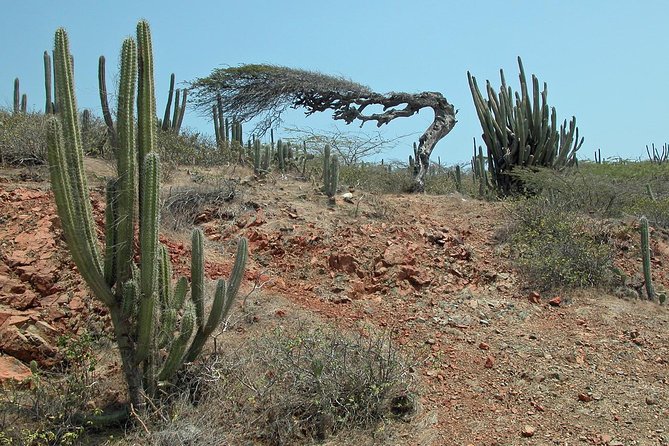
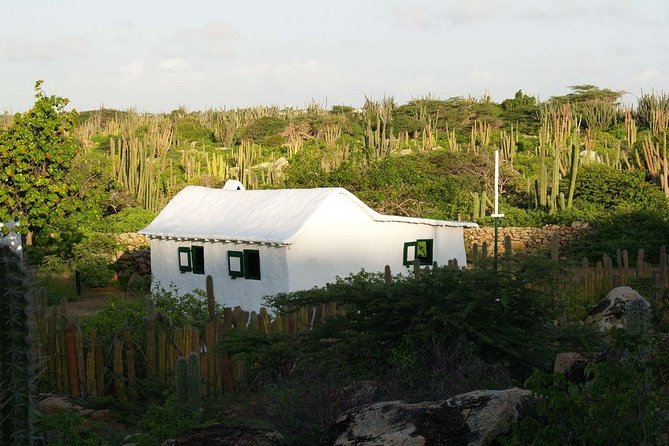
The route is generally described as easy to moderate, but those words need a little translation. You follow a maintained path, yet the surface can be rocky and dusty, with steps, cactus, medium inclines, and a larger hill near the end.
One guide called it more like a morning stroll. Another described it as a good workout. Both descriptions can be true. Fitness levels differ, and the heat can make a mild slope feel much harder than it would at home.
The walk is not a race. Regular stops allow the guide to explain plants, animals, and local customs, and they give you time to catch your breath. If your group includes people who move slowly, the pace may feel relaxed. If you are a strong hiker looking for a hard physical challenge, it may feel too gentle.
Wear shoes with a secure sole. Hiking boots are not required for most people, but thin sandals are a poor choice. Athletic shoes with some cushioning should work well. Long trousers protect your legs from cactus and brush, and a hat or other sun protection is sensible.
The route can be very dusty. If rain has fallen, puddles may remain, and your shoes and trousers can get wet as well as dirty. Bring clothing suited to both conditions, and do not assume that a dry island means a perfectly dry trail.
Same trailhead, a different sort of day:
- Bali: Mount Batur Sunrise Guided Hike and Natural Hot Spring
★ 4.8 · 9,284 reviews - Cinque Terre Day Trip with Optional Hiking or Pisa
★ 5.0 · 8,486 reviews - From Marrakech: Atlas Mountains Full-Day Hiking Trip w Lunch
★ 4.8 · 7,417 reviews - Marrakech: Ourika Valley Trip with Waterfall Hike
★ 4.6 · 6,792 reviews
Native animals you might see
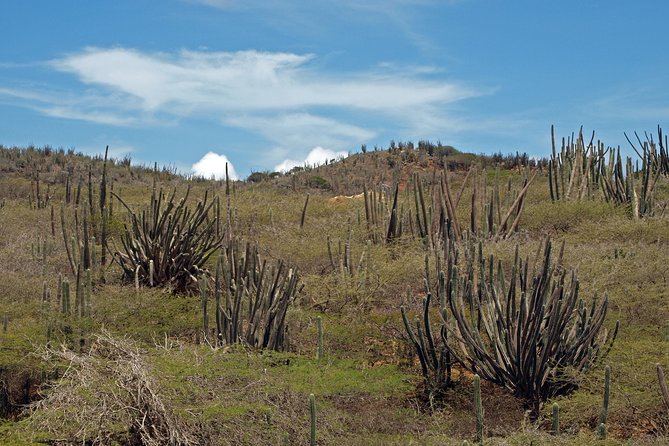
Arikok protects species found naturally on Aruba, and the guide’s explanations make these sightings more meaningful. A small lizard is not just a lizard when you know it is the island’s own cododo and understand how it lives in this harsh setting.
You might see:
- Aruban whiptail lizards
- Geckos
- Aruban parakeets
- Birds in the dry scrub
- The Aruban burrowing owl
- Goats
- The Aruban rattlesnake, though sightings are not promised
Birds can be elusive, so bring patience rather than expecting a wildlife show. Several walks have produced bird sightings, lizards, and other small animals, but some outings see very little beyond the plants and scenery.
The rattlesnake deserves a special note. It is one of Aruba’s protected and endangered native animals, but you should not expect to encounter one. The guide may discuss it at the visitor center or along the trail. Listen carefully when plants or animals are identified, since some vegetation can irritate or injure you.
Cave paintings, old buildings, and gold-mining stories
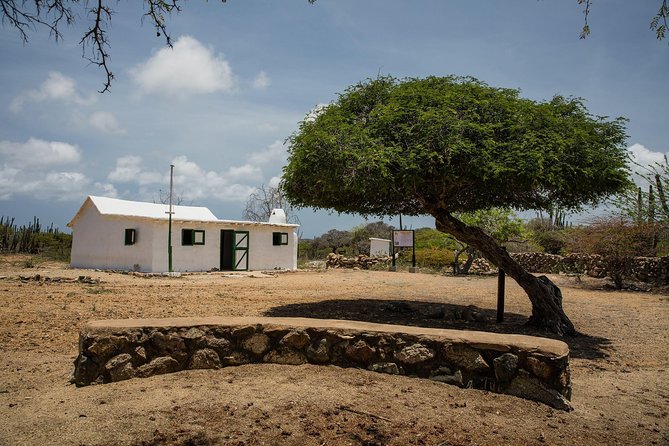
The park is not only about nature. The route can include indigenous cave paintings, an old adobe house, a shaman site, and reminders of Aruba’s former gold-mining activity.
These places give the walk a human scale. You are not simply crossing open scrub. You are seeing how people used the island, where they lived, and why certain places mattered before Aruba became a major holiday destination.
The historical commentary varies by guide. Joshua has been praised for explaining both the natural setting and the story of Aruba. Yuri has combined park information with details about conservation and local communities. Chris has discussed plant uses, gold mining, and the work of caring for the park. A strong guide makes these stops far more interesting than a quick photo and a name.
Do keep expectations in check. This is a compact hike, not a full archaeological tour. The historical sites are part of a broader route, and the exact stops may depend on conditions, pace, and the group.
The views from the higher ground
The best views come after some of the uphill walking. From higher ground, you can look across Aruba’s dry interior and see how different it is from the developed coast.
You may find that the view is the reward for the roughest section of the route. The incline is not extreme, but the combination of heat, still air, loose rock, and cactus makes it feel more demanding than the distance suggests.
Take your time with photographs. Some groups move slowly because people want to stop and study the scenery, plants, and rock formations. That can be a virtue on this tour, since rushing would undercut the guide’s explanations. It can also frustrate you if you came expecting a brisk hike.
The route generally focuses on the park’s inland environment. It does not appear to cover the coastal areas, so do not choose this outing as your main way to see Aruba’s sea cliffs or shoreline. A separate park trip would be needed for that.
How good is the $57 value?
At $57 per person, the price is reasonable if you want transportation, park admission, bottled water, and a guide in one package. You are paying for more than a walk: pickup and return save time, and the guide adds the plant, animal, and historical details that you would likely miss on your own.
The value is strongest for first-time visitors to Arikok. You get a short introduction without renting a car or committing an entire day. The outing also works well for cruise passengers, since pickup from the port is included and the duration leaves room for other plans.
The value is weaker if you already know the park, have your own transportation, and want a long or strenuous hike. You may find three hours too brief, especially if you enjoy stopping for birds and photographs. The tour also does not include food, and drinks are not included beyond the supplied bottled water unless specified.
A maximum of 25 people is listed. That is not an intimate private walk, and people at the back may have trouble hearing if the guide speaks to the front of a long line. If your group is large, stay close enough to hear instructions, especially near cactus, steps, and uneven rock.
Who will enjoy this hike most?
I would choose this for a visitor who wants a nature outing with useful interpretation rather than a demanding athletic trek. It suits couples, families with older children, cruise passengers, and resort visitors who want to see more than the beach.
Children must be at least nine years old and accompanied by an adult. The required fitness level is listed as strong, so take that seriously even though many people find the route only mildly strenuous. You should be comfortable walking on uneven ground in warm conditions.
This is not the best match if you have difficulty with stairs, rocky paths, heat, or prolonged walking. The tour information does not promise an accessible route, and the descriptions of cactus, steps, inclines, and rough ground point to a standard outdoor hike.
The guide can also make a major difference. Joshua has been praised for humor, energy, and clear explanations. Yuri has offered extra context during the drive and park walk. Ari, Rambo, Brandon, and Chris have also led outings with different strengths. Since you cannot normally choose the guide, book for the park experience as a whole rather than for one particular person.
What to bring and how to prepare
A little preparation will make this much better.
- Wear closed athletic shoes or light hiking shoes.
- Choose long trousers to reduce contact with cactus.
- Carry sun protection and dress for heat.
- Expect dust, and plan clothes accordingly.
- Drink water before the walk as well as during it.
- Stay on the path and listen when the guide points out hazards.
- Keep close enough to hear the guide.
- Leave room in your schedule for a relaxed pace.
Bottled water is included, but food is not. If you need a snack, bring one unless your booking details say otherwise. The supplied water is helpful before and after the hike, but it should not replace sensible preparation for a warm outdoor activity.
The experience requires good weather. If poor weather cancels it, you can receive another date or a full refund. You can also cancel for a full refund up to 24 hours before the start time. Changes or cancellations inside that window are not accepted, and a minimum number of participants is required for the outing to operate.
Should you book the Arikok hike?
Book it if you want an easy way to reach Aruba’s national park, learn about native species, and see cactus country, cave art, old buildings, and broad inland views in one morning. The pickup, park fee, water, and guide make $57 a fair deal for a first visit.
Skip it if you want a serious mountain hike, a guaranteed wildlife encounter, or a coastal tour. You should also think twice if heat and uneven ground are difficult for you.
For most active visitors, this is a useful first look at the real Aruba beyond the resort strip. Wear proper shoes, stay alert around the cactus, and treat the walk as a guided nature and culture outing rather than a hard-core trek.
FAQ
What time does the Arikok hiking experience begin?
The listed start time is 9:00 a.m.
How long does the experience last?
The experience lasts approximately three hours, including the pickup, ride, park visit, and hike.
Is hotel pickup included?
Yes. Pickup and drop-off are offered from hotels and cruise ports.
Is the Arikok National Park entrance fee included?
Yes. National Park fees and local taxes are included in the price.
Is bottled water provided?
Yes. Bottled water is included.
Is food included?
No. Food and drinks are not included unless specifically stated. Bottled water is provided.
What is the minimum age?
The minimum age is nine years old. Children must be accompanied by an adult.
Do I need to be very fit?
The activity requires a strong physical fitness level. The walk includes rocky ground, cactus, steps, heat, and inclines, although the effort is often described as mild to moderate.
Is the guide always an official park ranger?
The experience is described as involving a park ranger guide, but the guide may be an El Tours employee rather than an official park ranger. Guides and languages can vary.
Can I cancel for a refund?
You can cancel at least 24 hours before the start time for a full refund. Poor weather or failure to meet the minimum number of participants may also result in a different date or a full refund.
Just added around the world
- Vermont Nature Trail with Topdawg Taxi and Tours★ 5.0 · 3 reviews
- La Soufriere Volcano Hike /Topdawg Tours★ 5.0 · 9 reviews
- Vermont Nature Trail Tour with Fraser’s Taxi and Tours★ 4.5 · 31 reviews
- One Day Mount Bisoke Hike Adventure Tour in Volcanoes Park★ 4.5 · 4 reviews
- 8 Days Kilimanjaro Hike via Lemosho Route★ 5.0 · 39 reviews
- Torc mountain & waterfall hike. Killarney. Private guided group. 3½ hours.★ 5.0 · 4 reviews
- Local hills hiking★ 5.0 · 17 reviews
- Full day Mt. Bisoke hike★ 5.0 · 6 reviews
Hiking Tours, compared.
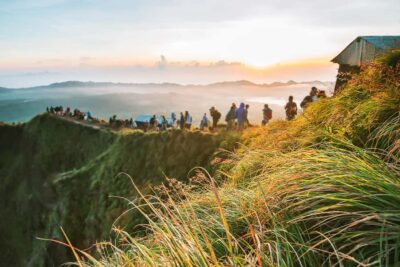
Sunrise Mount Batur Guided Hike with Breakfast
Read our review →
Mount Batur Sunrise Guided Hike and Natural Hot Spring
Read our review →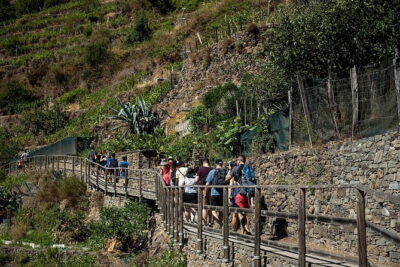
Cinque Terre Day Trip with Optional Hiking or Pisa
Read our review →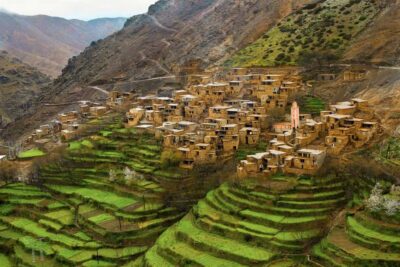

Florence: Cinque Terre Day Trip with Optional Hiking or Pisa
Read our review →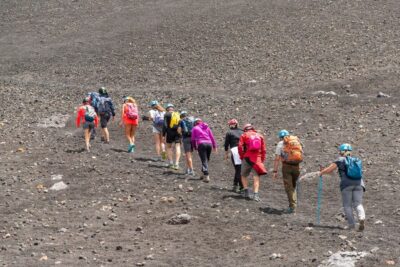
Mount Etna: Summit Guided Hiking Tour up to 3,400 m
Read our review →