
REVIEW · TANZANIA
8 Days Kilimanjaro Hike via Lemosho Route
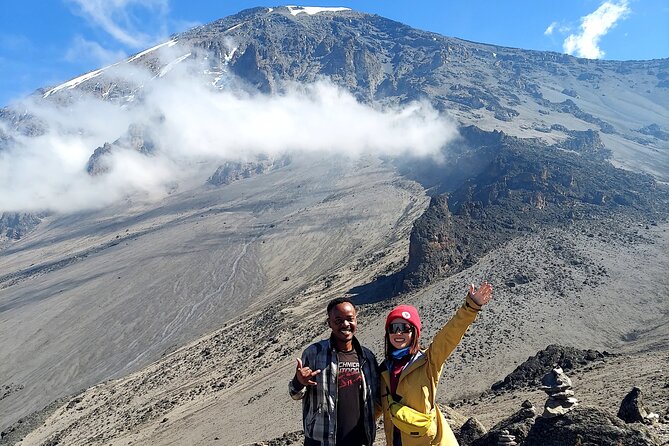
The best thing about this 8-day Lemosho route is its gradual shape. You begin in rainforest on Kilimanjaro’s western side, cross open moorland and volcanic ridges, then circle toward the southern slopes before making the final push to Uhuru Peak. That extra time gives you scenery and a better chance to adjust to altitude.
I like the low-crowd feel compared with busier approaches, and I like the sensible climb-high, sleep-lower pattern on Day 4 at Lava Tower and Barranco Camp. Nafika’s routine health checks, emergency oxygen, and first-aid kit are also reassuring. The catch is simple: this is a serious physical challenge, especially the 13-hour summit day, and the price does not include the $50 visa.
Key points to know before booking
- A scenic western approach: Start at Londorossi Gate and pass through rainforest, heather, moorland, alpine desert, and glacier country.
- Eight days helps with altitude: The plan includes an acclimatization walk at Shira 2 and an optional climb to about 4,200 meters from Karanga.
- The summit day is long: Expect a midnight start, four to five hours to Stella Point, another hour to Uhuru Peak, then a descent to Barafu.
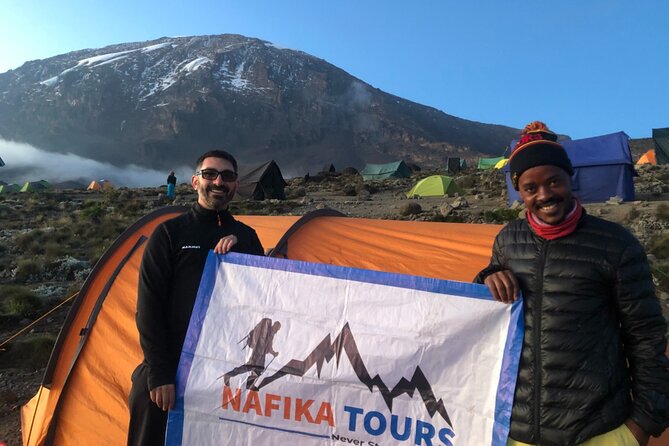
- Camping is fully supplied: Tents, sleeping pads, sleeping bags, tables, and chairs are included, along with meals and treated water.
- Safety receives daily attention: Guides carry emergency oxygen and a first-aid kit, and they perform regular health checks.
- The service is highly rated: The experience has a 5 out of 5 rating from 39 reviews, with 100 percent recommending it.
Why Lemosho is the right route for an eight-day climb
Kilimanjaro is not a technical mountaineering trip in the usual sense. You do not need ropes or climbing experience for this route, but you do need stamina, patience, and a willingness to walk slowly for many hours at high altitude.
Lemosho earns its reputation through variety. You begin at 2,360 meters, far below the summit, and move through several ecological zones. The route is not just a long uphill slog. It gives you forest, wide volcanic views, strange rock formations, glaciers, high desert, and a final stretch of loose mountain terrain.
I also like the pacing. Eight days gives your body more time than shorter itineraries, and the plan deliberately includes a high point at Lava Tower before sleeping lower at Barranco. That pattern matters. Altitude sickness can affect fit people, and a careful schedule is more useful than simply racing upward.
Nafika Tours limits the overall group to 20 people, though some groups may be smaller. The company’s highly praised personal service includes guides such as Eli, Elias, Meshakii, Inocent, Musa, Abdala, and Diklan in different climbing groups. Names and assignments can change, so confirm your guide team before departure.
A few more hikes around Tanzania worth a look
- Mountain Kilimanjaro Day Hike
★ 5.0 · 102 reviews - Private Full Day Hiking Experience to Marangu Route
★ 5.0 · 61 reviews - 4 days Best experience Kilimanjaro Hike, Serengeti &Ngorongoro
★ 5.0 · 54 reviews
Day 1: Londorossi Gate to Big Tree Camp
Your morning begins with hotel pickup at about 8:00 am and a private transfer to Londorossi Gate on the western side of Kilimanjaro. The team handles the entry paperwork and other pre-hike formalities before you begin walking.
The first section passes through the Lemosho forest. This is the mountain at its most welcoming: shaded, green, and relatively gentle compared with the upper slopes. The route reaches Big Tree Camp after about four hours.
You should treat this first day as a warm-up, not a test of speed. The forest can feel damp, and the trail may be uneven. Keep your day pack light and save energy. Your main job is to settle into the pace, drink regularly, and get used to walking with your group.
Day 2: Shira 1 and the first wide views
Day 2 leaves the forest for grassy moorland and heather. Volcanic rock formations break up the open ground, and Kibo Peak begins to appear above the clouds.
The hike covers about 8.5 kilometers and takes roughly five hours. Parts of the trail are steep, but the distance is still manageable. This is where the character of Lemosho changes. You have fewer trees around you, more sky, and a growing sense that the summit is still far away.
Shira 1 Camp provides a useful first night on the plateau. The views are a major reward, but do not let the open scenery fool you into pushing too hard. The point of this day is steady altitude gain. Walk slowly, keep warm when you stop, and ask for help if you develop a headache, nausea, unusual tiredness, or breathing trouble.
Day 3: Shira Plateau and acclimatization
The third day continues across Shira Plateau toward Shira 2 Camp. The route takes about four hours and covers 8 kilometers, so it is not the longest day. Its value comes from the height and the views.
From the western side of the mountain, you can see the Northern Ice fields and unusual angles of Kibo. The open plateau gives you broad views in several directions, with volcanic ground underfoot and the summit rising ahead.
After reaching camp, the guides lead a short acclimatization walk before dinner. This is exactly the sort of small addition that makes an eight-day schedule worthwhile. You gain a little height, return to camp, eat, and sleep at a lower level than your highest point on the following day.
Same trailhead, a different sort of day:
- From Arusha/Moshi: Kilimanjaro Hike Marangu Route Day Trip
★ 4.5 · 54 reviews - 6 Days Serengeti Safari(hiking waterfalls &coffee tour)
★ 5.0 · 48 reviews - #1. Best Kilimanjaro Day hike Tour-Machame Route-ISMANI
★ 4.2 · 47 reviews - Arusha: Napuru Waterfalls Guided Hike
★ 4.8 · 39 reviews
Day 4: Lava Tower, 4,640 meters, then Barranco
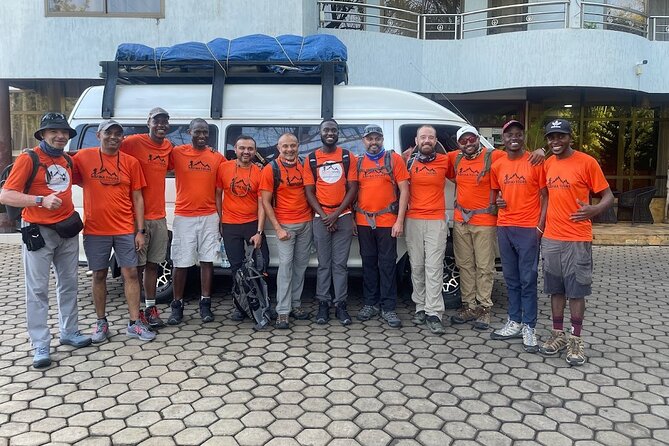
Day 4 is one of the most important days on the route. You climb from the Shira area through upland desert to Lava Tower at 4,640 meters. The hike covers about 10 kilometers and takes around seven hours.
The trail runs along lava ridges beneath the Western Breach glaciers. Lava Tower is the highest point you reach that day, and lunch is served there. You may feel the altitude here, even if you are otherwise fit. That is not a reason to panic, but it is a reason to pay close attention to your body and speak plainly with your guide.
After lunch, you descend to Barranco Camp at about 3,960 meters. This high-then-lower pattern helps with acclimatization and makes Barranco a smart overnight stop. The camp sits beneath tall cliffs, with broad views over the plains.
This is also one of the most photogenic sections of the climb. Keep your camera accessible, but do not let photographs distract you from footing or hydration. The air becomes colder and drier here, and the night can feel very different from the warm forest of Day 1.
Day 5: Barranco Wall and Karanga Valley
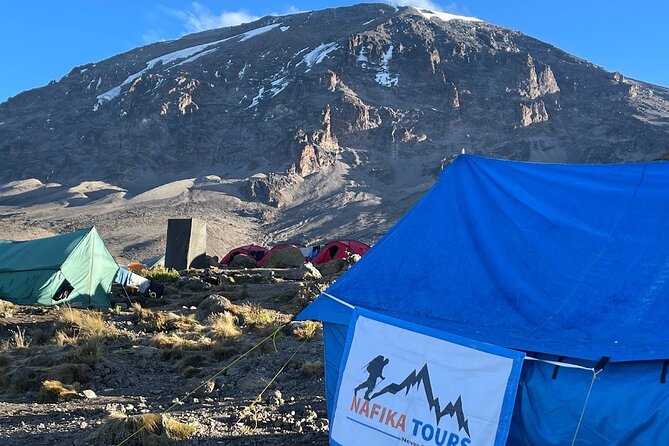
Day 5 starts with the Barranco Wall. From a distance, it looks like a major technical obstacle. In practice, it is a steep scramble and walk that is described as easier than it first appears.
You pass below the Heim and Kersten glaciers before descending toward Karanga Valley. Mawenzi’s jagged peaks appear to the east, while Kibo’s glaciers remain overhead. This is a short day of about five hours, but do not dismiss it as an easy one. The steep sections require care, and fatigue is beginning to build.
After a hot lunch at camp, you have time to rest. A short optional acclimatization walk can reach about 4,200 meters before you descend again. I would treat this as optional in the true sense. If you feel strong, it can help your body adjust. If you feel worn out, sleep is the better investment before the summit push.
Day 6: Barafu Camp and an early night
The route to Barafu Camp covers about 4 kilometers and takes roughly four hours. The trail leads through alpine desert, with views toward both Kibo and Mawenzi.
Barafu sits at about 4,640 meters and serves as the launch point for the summit. Once you arrive, lunch is provided, but the afternoon should be quiet. You need to eat, organize your clothing, check your headlamp and water, and sleep as much as possible.
Dinner is early, and the wake-up call comes around midnight. This is not a normal night in the mountains. You may sleep lightly, and the cold can make getting out of the tent unpleasant. Prepare your summit clothing before bed so you are not searching through bags while tired.
Day 7: Stella Point, Uhuru Peak, and the long descent
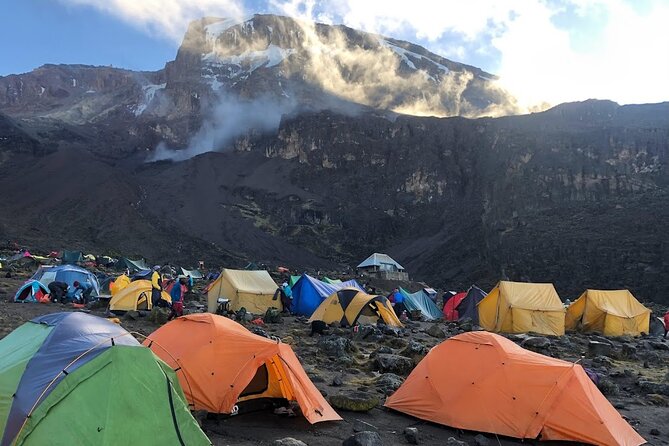
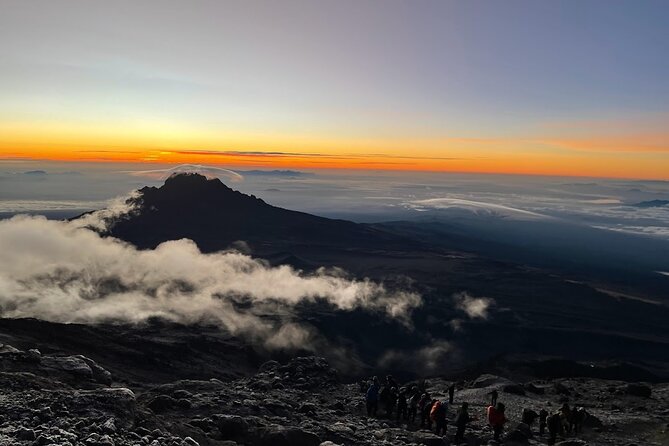
Summit day begins around midnight with light tea and breakfast. The climb to Stella Point takes about four to five hours, even though the distance is not great. You gain a huge amount of height in a short time, often in darkness and cold.
The final approach is slow. Guides set a deliberate pace, and you should copy it. The goal is not to look strong. The goal is to keep moving safely while monitoring how you feel.
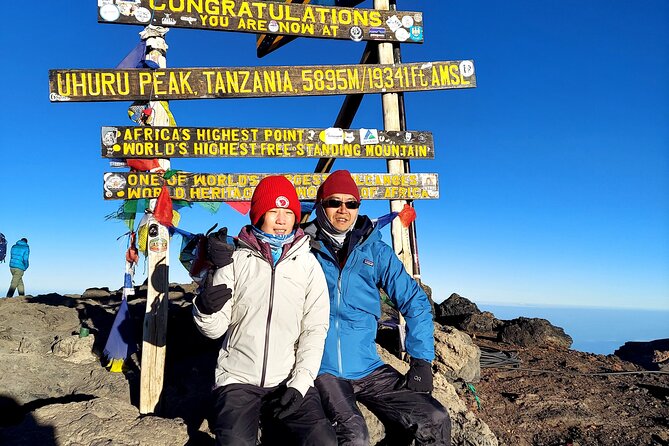
Stella Point sits at 5,756 meters on the crater rim. From there, it takes about another hour to reach Uhuru Peak at 5,895 meters, the highest point in Africa. Sunrise around the crater rim can be spectacular, but wind, cold, and exhaustion may limit how long you stay. Take your photographs, celebrate, and then begin the descent.
You return to Barafu Camp for lunch and rest, but the day is not finished. The itinerary describes the summit day as approximately 13 hours, so you should expect a demanding schedule. The descent can be hard on tired knees, and loose volcanic ground may slow you down.
Day 8: Millennium Camp to Mweka Gate
After breakfast, you make the final descent through montane forest. The walk from Millennium Campsite to Mweka Gate covers about 14 kilometers and takes around five hours.
The forest feels warmer and more forgiving after the summit. At Mweka Gate, you collect your certificate and say goodbye to the mountain crew. A private car then takes you back to your hotel, where a hot shower and cold drink will feel well earned.
This final day is more than a formality. Downhill walking after a summit night can be surprisingly tiring. Use trekking poles if you have them, keep your pace controlled, and do not rush simply because the finish is close.
What the $2,350 price includes
At $2,350 per person, this is not a budget walk, but the price covers many costs that can otherwise add up quickly. You receive private transportation, two hotel nights in Moshi, professional guides, porters, camping equipment, meals, and treated water throughout the trek.
The camping package includes Mountain Hardware sleeping tents, sleeping pads, sleeping bags, tables, and chairs. Several accounts of the service highlight organized tea breaks, proper tables, and occasional chairs. Those comforts matter after several hours on the trail, especially when other groups may be using simpler arrangements.
Food is included as breakfast on all eight mornings, lunch on all eight days, and dinner on seven nights. The included emergency oxygen and first-aid kit are important safeguards, though they do not remove the risks of high altitude.
The price also includes salaries for the mountain crew. That is worth asking about directly when comparing companies. A strong porter and guide system affects safety, camp quality, pacing, and the overall feel of the climb.
The $50 visa is not included. You should also confirm any personal gear rental, tips, travel insurance, flights, and extra hotel nights before paying, since those details are not listed in the package.
Safety, group size, and comfort on the mountain
Nafika’s main safety feature is routine health monitoring. Guides perform regular checks and are trained to watch for signs of altitude sickness. They also carry emergency oxygen and a first-aid kit.
That does not mean the climb is risk-free. You still need moderate physical fitness, suitable clothing, and the discipline to report symptoms honestly. Do not hide a headache or breathlessness because you want to reach the summit. A good guide needs accurate information to make sound decisions.
The maximum group size is 20. That is large enough to include a mix of people, but the actual group can be smaller. Ask how many climbers are in your departure and how many guides and porters will support it.
The service has received repeated praise for attentive guides, equipment checks, adjustable pacing, daily medical checks, and food. One especially useful detail is that the team may inspect your gear before the climb and help arrange rentals for missing items. Confirm this in advance rather than relying on it at the gate.
Who should book this Kilimanjaro climb?
I would choose this route if scenery matters to you and you want a measured schedule rather than the shortest possible path. It suits people who can walk for several hours a day, sleep in tents, handle cold nights, and accept that summit success is never guaranteed.
It is also a good fit for families and mixed-age groups if everyone understands the physical demands. Groups ranging from young adults to a 69-year-old have completed the route, but that should not be read as a promise that age or fitness will never matter. Preparation remains essential.
I would think twice if you dislike camping, struggle with long descents, or want a relaxed holiday with plenty of spare time. The summit day is especially demanding, and the itinerary has little room for a bad-weather delay or a slow recovery.
The activity offers free cancellation up to 24 hours before the start time. Inside that window, the payment is not refunded, and changes are not accepted. The listed meeting point is Kilimanjaro International Airport, while the itinerary also describes hotel pickup, so confirm the exact pickup plan with Nafika before arrival.
Should you book the Lemosho route with Nafika Tours?
I would book it if you want a scenic eight-day climb with extensive equipment, meals, private transport, and a clear focus on safety. The strongest reasons are the route’s gradual acclimatization plan, the variety of terrain, and the repeated praise for attentive guides, useful camp comforts, and careful pacing.
Before you commit, ask for the current guide names, group size, gear checklist, porter arrangements, tipping guidance, and exact hotel details. Also budget the $50 visa and any personal expenses.
Choose this climb for the mountain experience, not simply the summit photograph. If you prepare properly and accept the long summit day, the Lemosho route offers one of Kilimanjaro’s finest combinations of scenery, time, and support.
FAQ
How long is the Kilimanjaro Lemosho hike?
The experience lasts approximately eight days, including the climb from Londorossi Gate and the final descent to Mweka Gate.
What is the price per person?
The listed price is $2,350 per person.
Is hotel pickup available?
Yes. The itinerary says pickup takes place at your hotel at about 8:00 am on the first day, although the listed meeting point is Kilimanjaro International Airport. Confirm the exact arrangements before arrival.
Is the park admission included?
The itinerary identifies admission tickets as included for each day, and parking fees are also included.
What camping equipment is provided?
The package includes Mountain Hardware sleeping tents, sleeping pads, sleeping bags, tables, and chairs.
Are meals included?
Yes. The package includes eight breakfasts, eight lunches, and seven dinners.
Is drinking water provided?
Treated water is provided throughout the trek.
What safety equipment is included?
The team provides emergency oxygen and a first-aid kit. Guides also perform regular health checks during the climb.
How many people can join the tour?
The maximum group size is 20 people.
Is the visa included?
No. The listed visa cost is $50.
Can I cancel for a full refund?
Yes, if you cancel at least 24 hours before the experience start time. Cancellations within 24 hours are not refunded, and changes during that period are not accepted.
Just added around Tanzania
- 3 Days and 2 Night Mikumi Safari Private Tour and Chizua hiking★ 5.0 · 3 reviews
- 5 days safari, hiking & culture (Serengeti & kilimanjaro)★ 5.0 · 27 reviews
- Private Materuni Waterfalls Hiking and Coffee Tour★ 5.0 · 4 reviews
- 4 Day: Hiking Mount Meru★ 5.0 · 3 reviews
- Kilimanjaro Waterfalls Hike & Moshi Hot Springs Day Trip Tour★ 5.0 · 4 reviews
- Materuni Waterfall Hike & Coffee Tour★ 5.0 · 4 reviews
- Private Day Tour and Hike in Kilimanjaro National Park★ 5.0 · 3 reviews
- 7-Day Mt. Kilimanjaro Hiking: Machame Route★ 5.0 · 3 reviews
Tanzania Hiking Tours, compared.
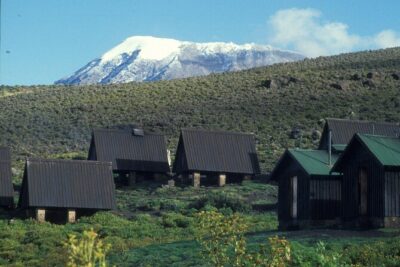
Private Full Day Hiking Experience to Marangu Route
Read our review →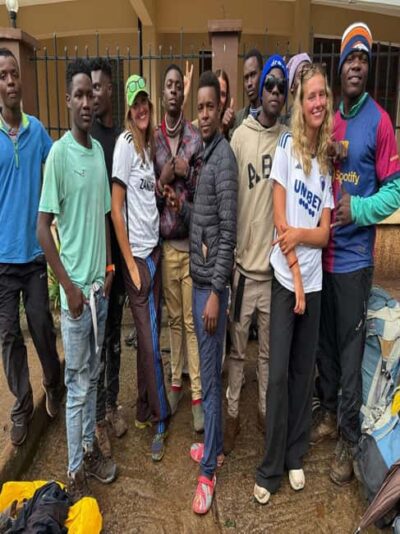
From Arusha/Moshi: Kilimanjaro Hike Marangu Route Day Trip
Read our review →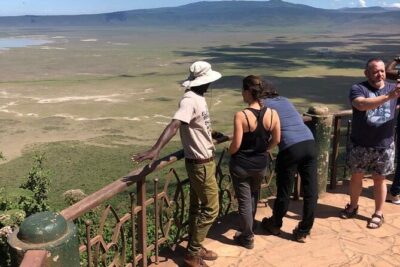
4 days Best experience Kilimanjaro Hike, Serengeti &Ngorongoro
Read our review →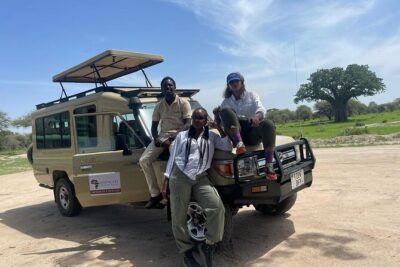
6 Days Serengeti Safari(hiking waterfalls &coffee tour)
Read our review →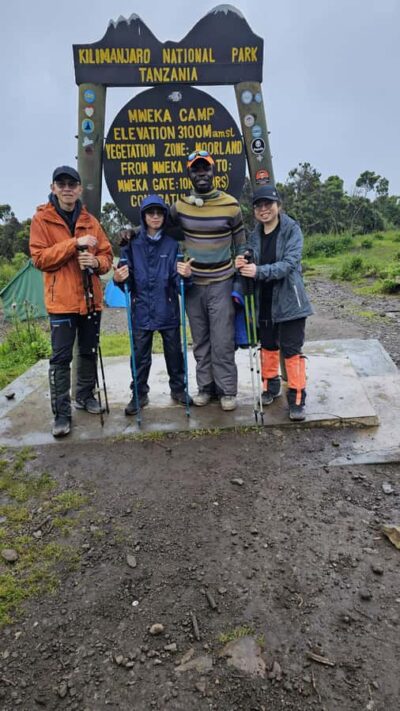
#1. Best Kilimanjaro Day hike Tour-Machame Route-ISMANI
Read our review →
Mount Kilimanjaro Day Hike Through Marangu Route to Mandara Hut
Read our review →Browse the lists this tour appears in