
REVIEW · CHIANG MAI
Chiangmai : Doi Pui Summit Hiking Experience
The best part of this Chiang Mai outing is the way it joins forest hiking and sacred temples in one long day. You begin quietly on the Mindfulness Trail, reach Wat Pha Lat beside a stream and waterfall, then continue to the golden Wat Phra That Doi Suthep before heading into the high country.
I like the mix of culture and exercise, and I like the pause for local lunch and mountain coffee in Doi Pui Village. Guides such as Chai and Ekachai have helped make the day personal, explaining trees, birds, farms, and local life rather than simply pointing out the next turn.
The catch is simple: this is not a gentle sightseeing walk. The route covers about 13 kilometers with roughly 1,400 meters of climbing, and the final summit section can change or close in poor conditions. You should be fit enough for sustained uphill hiking.
Key points to know before you go
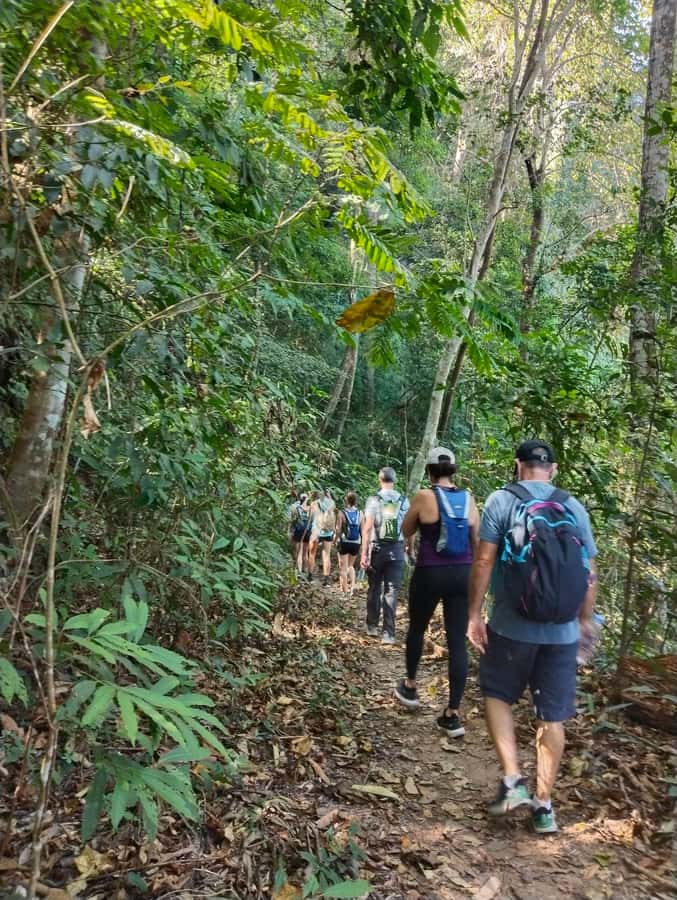
- The day starts on the Mindfulness Trail, with shaded forest, streams, and the calm setting of Wat Pha Lat.
- Wat Phra That Doi Suthep brings the big city view, along with one of Chiang Mai’s most important religious sites.
- Doi Pui Village provides a welcome break, with local food, coffee, flowers, mountain views, and time to look around.
- The summit hike is the demanding part, especially after lunch, with scenic stops and a long uphill stretch.
- The route covers about 13 kilometers, with around 1,400 meters of elevation gain over seven hours.
- Weather can change the route, but the main temples and cultural stops are intended to remain part of the day.
Why this hike works so well in Chiang Mai
Many Chiang Mai excursions ask you to choose between temples and nature. This one gives you both, but it asks for real effort in return. You are not simply driven to a viewpoint, handed a photo stop, and returned to town. You walk through the forest, climb between important religious sites, eat in a mountain community, and finish among the hills above the city.
That mix gives the day a good rhythm. The morning begins quietly. The middle section adds Chiang Mai’s most famous temple. Then, after a drive and meal, the afternoon becomes a proper mountain hike.
The experience lasts about seven hours, including pickup, hiking, food, and the return drive. At $70 per person, the price is fair if you value a guide, hotel transport, bottled water, lunch, and a route that links several places you would otherwise need to arrange separately.
I would not choose it simply because it includes many attractions. I would choose it because the attractions are connected by a demanding but meaningful walk.
More Mountain Hikes in Chiang Mai:
- Chiang Mai: 7-Hour Doi Suthep National Park Summit Hiking
★ 4.6 · 191 reviews - Chiang Mai: Suthep National Park Hiking & DH Mountain Biking
★ 4.8 · 151 reviews - Berber villages : Atlas Mountains Day Hike from Marrakech
★ 5.0 · 14,007 reviews
Walking the Mindfulness Trail to Wat Pha Lat
The first trail section leads through lush forest toward Wat Pha Lat. The name is often written as Wat Phalat, and the temple is also known as a quiet forest retreat along the route to Doi Suthep.
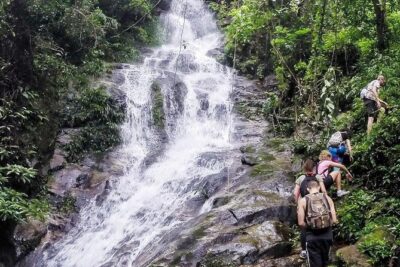
This is one of the most appealing stops because its mood is very different from the larger temple later in the day. Wat Pha Lat sits beside a mountain stream and waterfall, with trees and shaded paths around the religious buildings. The sound of moving water helps slow the pace before the harder climbing begins.
You will have a chance to take in the temple’s spiritual setting rather than rush through it. The site feels connected to the forest, and the approach on foot makes that connection clearer. Your guide can also help explain what you are seeing and answer questions about the temple.
The trail is not described as flat or effortless, but the early section is generally less demanding than the climb that follows. You should still wear proper walking shoes. Stream crossings are part of the route, and rain can make forest paths more slippery or alter the planned track.
I like this beginning because it gives you time to settle into the day. You leave the city behind gradually, rather than jumping from a hotel into a crowded attraction.
Reaching Wat Phra That Doi Suthep
From Wat Pha Lat, the route continues upward to Wat Phra That Doi Suthep, Chiang Mai’s most important temple and one of northern Thailand’s key religious landmarks.
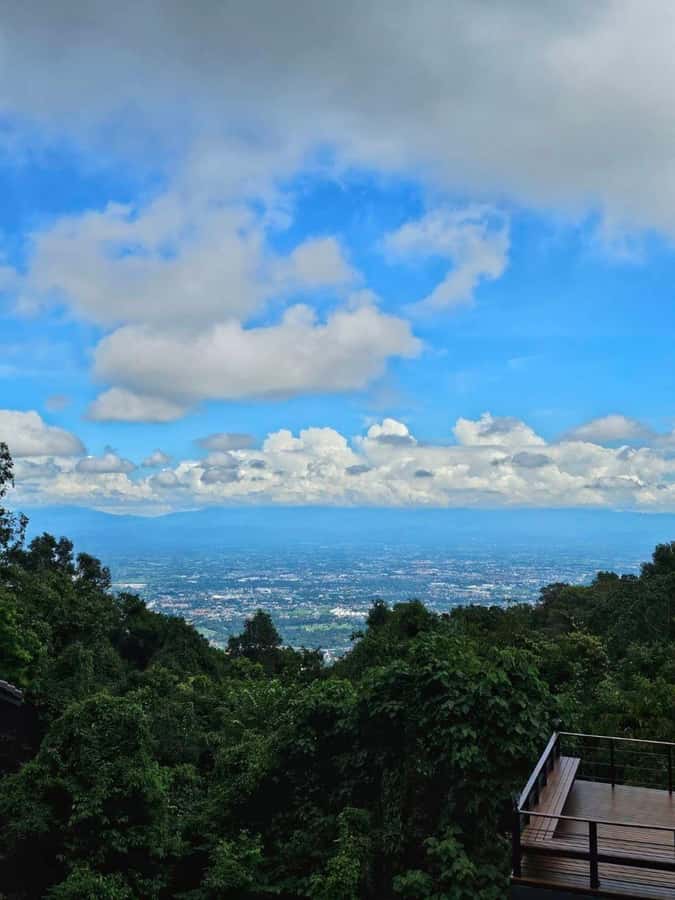
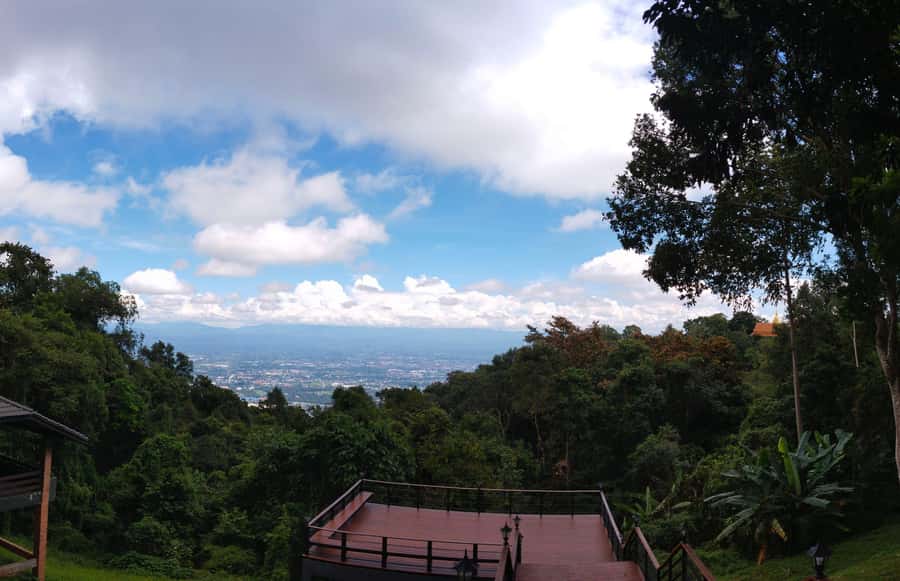
The temple is famous for its golden central structure and its position high above the city. From here, you can look across Chiang Mai and see how the urban area sits below the wooded slopes of Doi Suthep. The view is a useful reminder that the city’s location is tied closely to the mountain.
This visit adds cultural weight to the hike. Wat Pha Lat offers quiet forest atmosphere, while Doi Suthep is a major place of worship with a grander presence. Seeing both in one morning gives you a better sense of the range of religious sites around Chiang Mai.
You should dress respectfully for the temple portion. The supplied information does not set out a detailed dress code, but this is an active religious site, not only a viewpoint. Your guide can help with questions and explain the significance of the stop.
The climb to Doi Suthep also makes the day more physical than a standard temple tour. If you are already tiring here, take that seriously. The route still includes the journey to Doi Pui Village and the climb toward the summit.
The 20-minute ride to Doi Pui Village
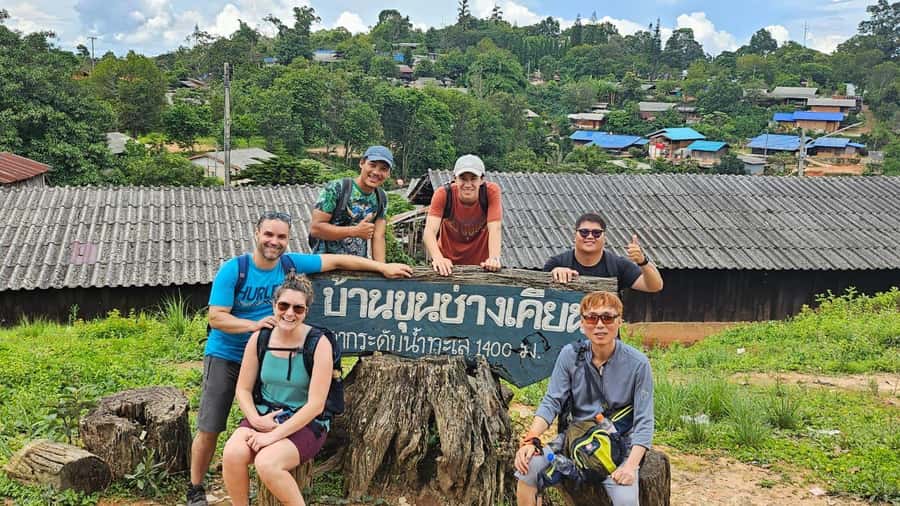
After the temple visit, you ride for about 20 minutes to Doi Pui Village. This short vehicle transfer breaks up the hiking and moves you farther into the mountain area.
The timing matters. You get a chance to rest your legs before lunch, and the village stop comes at a useful point in the day. You are no longer in the city, but you have not yet reached the most strenuous part of the route.
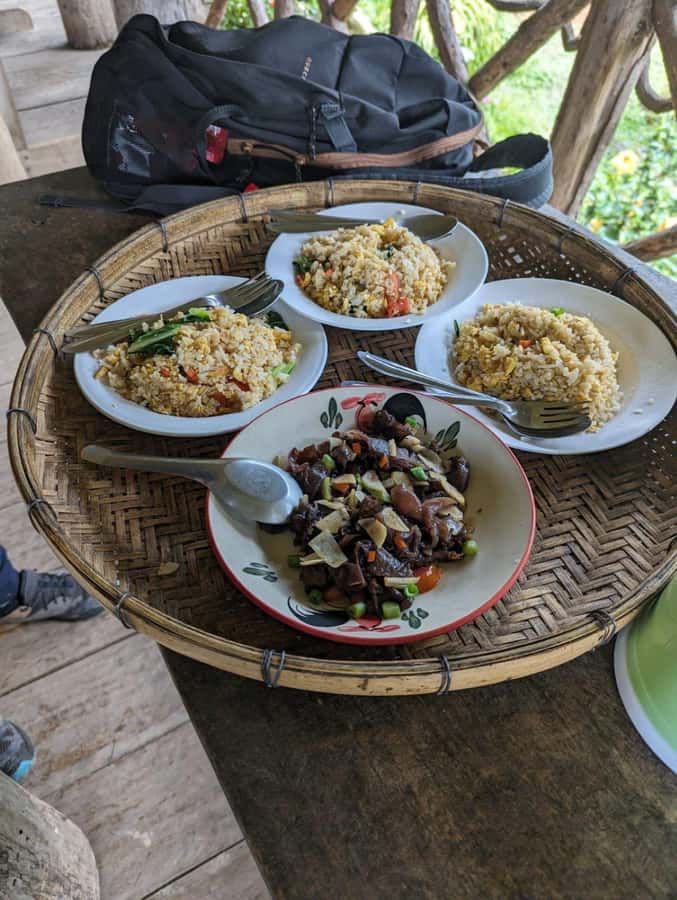
Doi Pui Village adds a human side to the outing. The stop includes a meal with local food, and a vegetarian option is available. You also have time for coffee, and the mountain setting makes this more than a quick fuel stop.
One particularly appealing feature is the chance to see flowers, village life, and mountain views in the same place. A coffee stop at a local plantation and café has been part of the experience for some groups. The exact order or length of these stops can change, so think of them as a valuable pause rather than a guaranteed café schedule.
You may also have time to shop in the village. Keep your expectations sensible. This is not presented as a long market visit, but as a short cultural stop built into a hiking day.
A few more hikes around Chiang Mai worth a look
- Chiang Mai: Doi Inthanon Park with Kew Mae Pan Hike Day Trip
★ 4.7 · 841 reviews - Chiang Mai – Doi Suthep Temple & Wat Pha Lat Hike
★ 4.6 · 740 reviews - Chiang Mai – Doi Suthep Temple & Wat Pha Lat Hike
★ 5.0 · 657 reviews - Chiang Mai: Doi Inthanon Hiking & Elephant Sanctuary Program
★ 4.6 · 324 reviews
Lunch, coffee, and the final climb
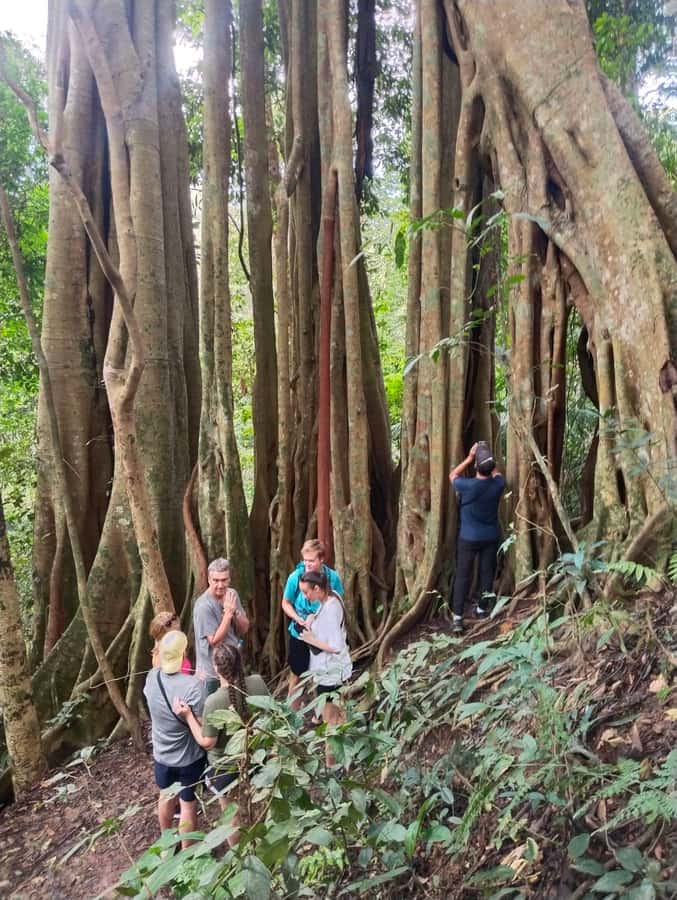
After lunch, the character of the day changes. The early trail section includes forest and temple visits, but the route after Doi Pui Village is more focused on climbing toward the summit.
The uphill section after lunch has been described as roughly a six or seven out of ten effort. That is a useful guide for your planning. It is challenging, but it is not presented as technical mountaineering. Still, the total elevation gain of about 1,400 meters makes this a serious outing.
Your guide controls the pace and checks on the group. That matters because people handle heat, humidity, and sustained uphill walking differently. A good guide can keep the group together without turning the day into a race.
Guides such as Ekachai have also brought snacks and water into the day, while Chai has been praised for friendly company and clear organization. The guide’s local knowledge can add a lot here. One guide came from a Karen farming family and could explain the farms, trees, and birds along the route. That kind of information gives the forest more meaning than a silent march uphill.
Bring your own patience as well. The coffee and lunch breaks are welcome, but they do not remove the hardest walking. You will still have the final climb after eating.
Doi Hua Moo and the summit views
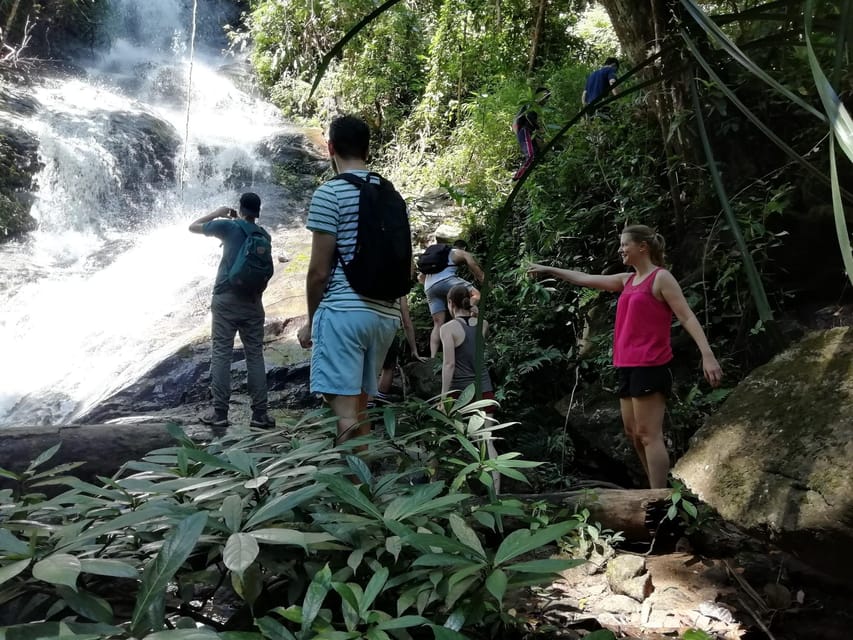
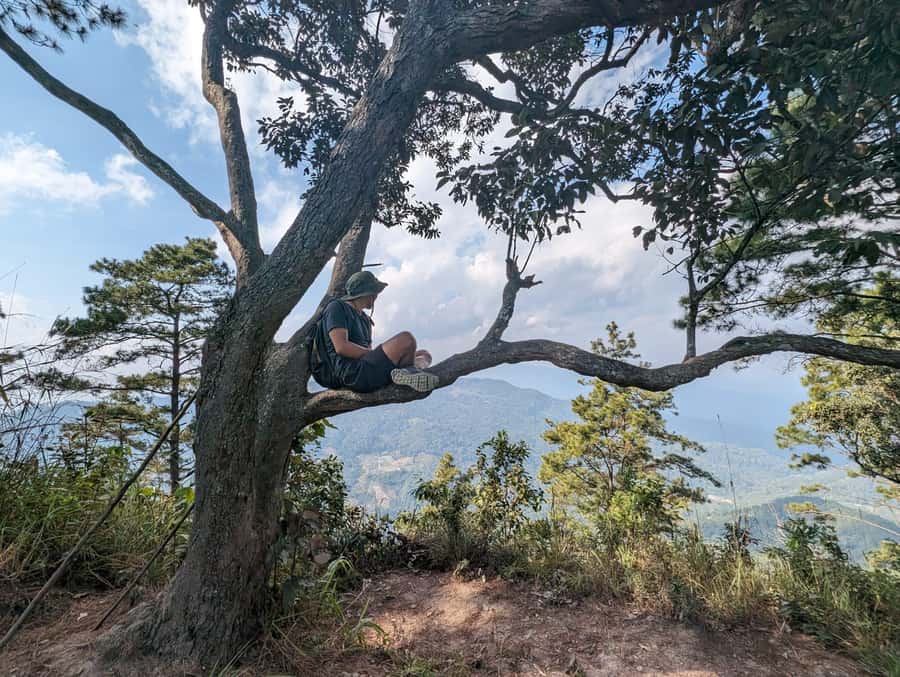
Doi Hua Moo is described as a quiet hill with views toward both Chiang Mai and the surrounding natural areas. It fits the character of the later trail, where the reward comes from open viewpoints and a sense of distance from the city.
The route includes viewpoint stops as it climbs. These breaks are useful for photos, but they also give you a reason to pause, drink water, and let your breathing settle. On a clear day, the view across Chiang Mai can be broad and impressive. The forest around you provides the other half of the picture.
The route description calls for a climb to Doi Pui Summit, followed by a descent on forest trails to the Doi Pui campsite parking area. However, mountain conditions can change the exact walking plan. One group found the final two kilometers closed, and the tour information also warns that weather and safety may require adjustments.
That is worth understanding before you book. The main attractions are still intended to be visited, but a specific summit stretch may not always be open. If standing on the exact summit is your top priority, ask about current trail conditions before the day begins.
Descending to the campsite and returning to Chiang Mai
After the summit section, you descend through forest trails to the Doi Pui campsite parking area. The downhill walk may feel easier than the climb, but tired legs and uneven ground still require care.
A vehicle collects you at the campsite for the return to Chiang Mai. This means you do not have to hike all the way back to the city or retrace every step. The transport also helps keep the seven-hour schedule practical.
Pickup and drop-off at your hotel are included. That is a real benefit in Chiang Mai, where arranging separate transport to a forest trailhead and a different return point could be inconvenient. The guide meets you at your hotel, and the return vehicle brings you back after the walk.
Group size can vary. One group had 10 people, which is large enough for conversation but still manageable on a mountain trail. Smaller groups are possible, but no fixed maximum is provided, so ask if group size matters to you.
How difficult is the 13-kilometer route?
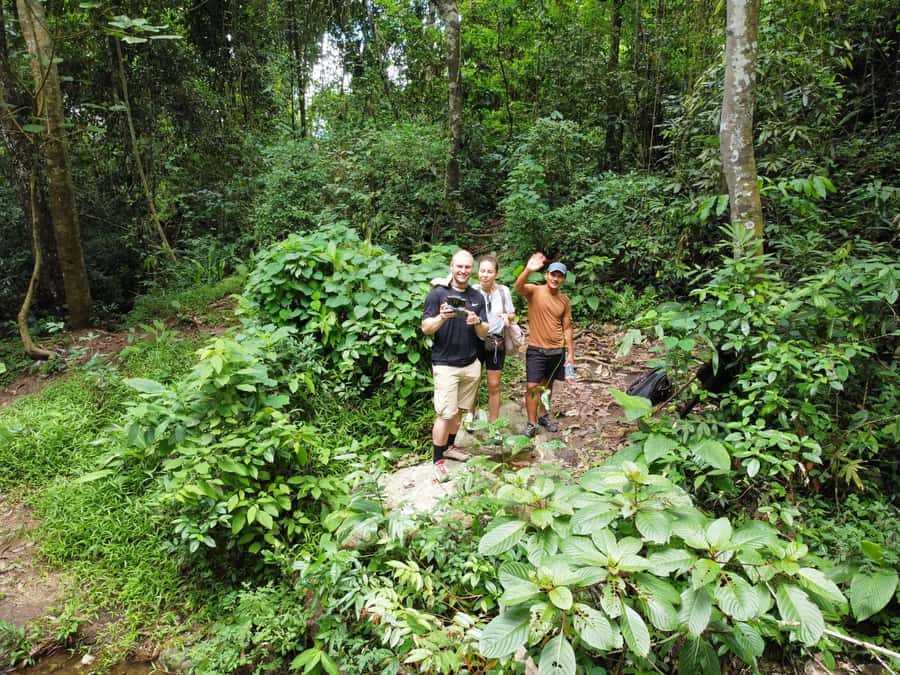
The safest way to describe this hike is intermediate to challenging. The distance alone is manageable for many active people, but the elevation gain makes the day much harder than a level 13-kilometer walk.
You should be comfortable walking uphill for long periods and continuing after lunch. Regular hikers who are used to around 1,000 meters of climbing may find the route a good match. If your normal sightseeing involves short walks between cafés and temples, this may feel too demanding.
The route includes forest paths, stream crossings, temple steps or uphill approaches, and a long climb toward the high point. The exact trail can change with weather and safety conditions.
Pack sunscreen, insect repellent, rain gear, and plenty of personal energy for the uphill sections. Bottled water is included, and guides may provide additional snacks or water, but you should not rely on the tour alone for every personal need. A face covering and an FFP2 mask are also listed among the recommended items.
What the $70 price includes
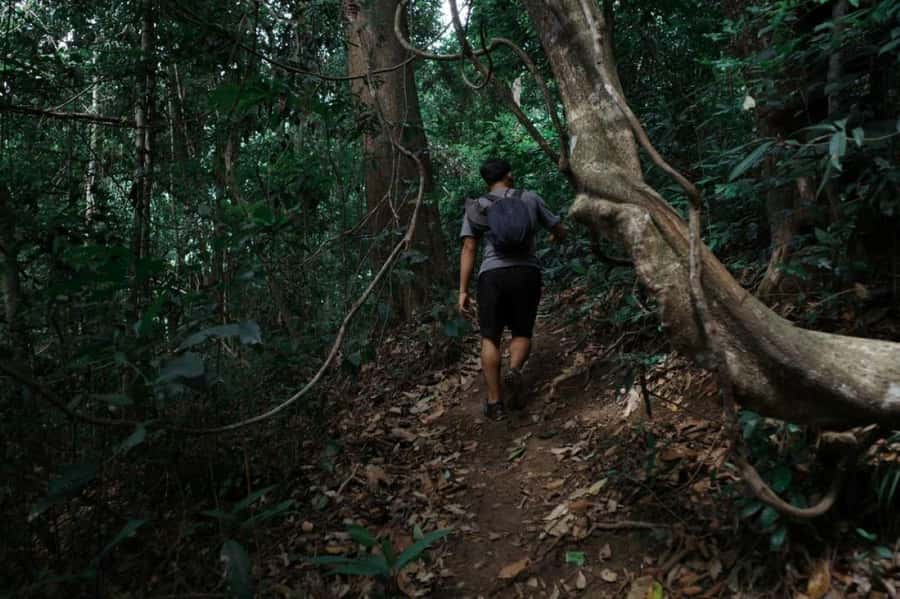
The $70 fee covers hotel pickup and drop-off, an English-speaking live guide, bottled water, and lunch with local food. Vegetarian lunch is available.
I consider that reasonable for a seven-hour day involving two major temples, a village stop, a guided mountain route, and transport between the trail sections. The value is strongest if you want someone else to handle the route and driving. It is also useful if you want cultural context rather than only a physical workout.
The price is less attractive if you only want a short forest walk or a quick visit to Doi Suthep. You would be paying for a full-day structure and a difficult route that you may not fully enjoy if you are not prepared for the climb.
The free cancellation policy allows cancellation up to 24 hours ahead for a full refund, and you can reserve now and pay later. Those terms are helpful when rain or changing plans could affect your schedule.
Who should book this hike?
I would recommend it to fit visitors who want to combine Chiang Mai’s temples with a serious day outdoors. It suits regular hikers, active couples, and people who enjoy learning about plants, farms, birds, and local communities while walking.
It is also a good choice if you want to see several sides of Doi Suthep-Pui National Park without arranging separate transport. The guide, meal, water, and return vehicle make the day easier to manage.
I would be cautious if you have limited hiking experience, difficulty with steep climbs, or little tolerance for heat and rain. The temple visits do not make this a relaxed cultural tour. The mountain is the main event, and it asks for effort.
Should you book the Doi Pui Summit hike?
Book it if you want a full, active day that connects Wat Pha Lat, Wat Phra That Doi Suthep, Doi Pui Village, and the high mountain trails above Chiang Mai. The combination of forest, worship sites, local food, coffee, and wide views gives the outing more variety than a standard temple tour.
Skip it if you want an easy sightseeing day or if reaching the exact summit is essential and the current trail status is uncertain. For the right fitness level, $70 is a sensible price for the transport, guide, lunch, and route planning. For everyone else, the 1,400-meter climb is the detail to think about first.
FAQ
How long does the Doi Pui Summit hiking experience last?
The experience lasts about seven hours, including hotel pickup, hiking, sightseeing, meal stops, and the return vehicle journey.
How far is the hiking route?
The route covers approximately 13 kilometers.
How much elevation gain does the hike include?
The route has about 1,400 meters of elevation gain.
Does the tour visit Wat Pha Lat?
Yes. The hike begins on the Mindfulness Trail and continues to Wat Pha Lat, a forest temple beside a stream and waterfall.
Does the tour visit Wat Phra That Doi Suthep?
Yes. The route continues to Wat Phra That Doi Suthep, where you can see one of Chiang Mai’s most important temples and panoramic views over the city.
Is lunch included?
Yes. Lunch with local food is included, and a vegetarian option is available.
Is hotel pickup included?
Yes. Pickup and drop-off are included, and the guide meets you at your hotel.
What language does the guide speak?
The live tour guide speaks English.
Can the hiking route change?
Yes. Weather and safety conditions may require changes to the route. The main attractions are still intended to be visited, but a particular summit section may be closed or adjusted.
Just added around Chiang Mai
- From Chiang Mai: Mae Taeng Valley Hike & Bike Day Trip★ 5.0 · 50 reviews
- Chingmai Sunrise Hike & Cultural Traditions★ 4.9 · 17 reviews
- Chiang Mai:Doi Inthanon National Park & Hike at Kew Mae Pan★ 4.4 · 53 reviews
- Chiang Mai: Kew Mae Pan Nature Trail & Doi Inthanon Day Trip★ 4.4 · 14 reviews
- Chiang Mai Elephant Recovery Center, Doi Inthanon and Hiking★ 5.0 · 5 reviews
- Chiang Mai: Doi Inthanon Park and Kew Mae Pan 2-Hour Hike★ 4.7 · 14 reviews
- Chiang Mai: Doi Inthanon Park and Pha Dok Siew Hike Day Trip★ 4.1 · 10 reviews
- Chiang Mai: ATV Adventure, Jungle Hike & White Water Rafting★ 4.7 · 28 reviews
Chiang Mai Hiking Tours, compared.
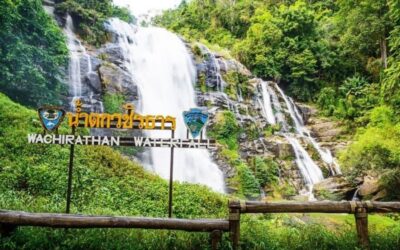
Doi Inthanon Park with Kew Mae Pan Hike Day Trip
Read our review →
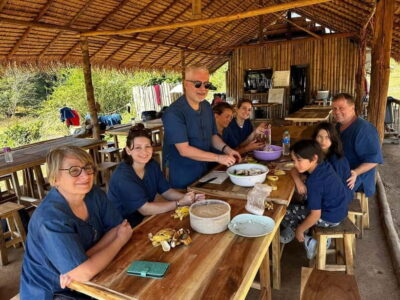
Doi Inthanon Hiking & Elephant Sanctuary Program
Read our review →
Chiang Mai Doi Suthep Temple and Wat Pha Lat Hike
Read our review →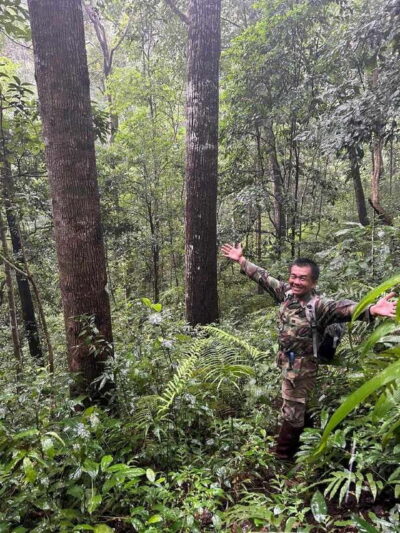
Chiang mai Hike & Downhill Bike Adventure –Suthep National Park
Read our review →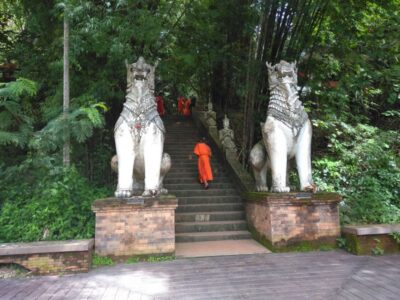
Browse the lists this tour appears in