
REVIEW · KATHMANDU
Nepal Discovery Tour: Heritage Sites & Scenic Hill Easy Hike
Kathmandu’s sacred monuments and the hill paths north of the city make a fine short introduction to Nepal. You’ll visit Swoyambhunath, Pashupatinath, and Boudhanath, then trade traffic and temple bells for forest trails, village paths, and sunrise views from Nagarkot.
I like the mix of culture and walking, and I like that the group is limited to 10 people. The route is also a good first step for anyone curious about trekking but not ready for a high-altitude expedition. The main catch is that this is called an easy trek, but two and a half days of walking still means hills, uneven ground, and basic lodge stays.
Key points to know before booking
- Three major Kathmandu sights: Visit Swoyambhunath, Pashupatinath Temple, and Boudhanath Stupa during a guided six-hour city tour.
- A gentle introduction to trekking: Walk from Sundarijal through Shivapuri National Park to Chisapani and Nagarkot.
- Two sunrise and sunset chances: Nagarkot is the main viewpoint, with a sunrise before the final walk to Changunarayan.
- Small-group format: The maximum group size is 10, which should make walking and questions easier.
- Strong local support: The company’s Prakash and its guides are known for careful planning, flexible arrangements, and help when plans change.
- Check the extra costs: Kathmandu hotels, heritage-site admission, some park fees, drinks, and city meals are not included.
Why this five-day Nepal trip works
This tour gives you two different Nepals in one compact package. In Kathmandu, you see major religious sites in a crowded urban setting. Outside the city, you walk through forest and villages at a slower pace, sleeping in simple lodges rather than returning to a city hotel each night.
That contrast is the real strength of the trip. You do not spend five days moving between similar monuments, and you do not need to commit to a long Himalayan trek. Instead, you get a taste of Nepal’s sacred places, village life, and hill country in a route that returns you to Kathmandu on the fifth day.
The price is $375 per person. That is a fair package price for a private vehicle, guide, trekking accommodation, meals during the walking section, the Shivapuri National Park permit, and local transport from Thamel to Sundarijal. Still, you need to add your Kathmandu hotel, heritage-site entrance fees, city lunches and dinners, drinks, visa costs, and international flights.
One point needs checking before you pay: the included list refers to a Shivapuri National Park permit, while the exclusions also mention a national park fee. Ask Prime Himalayas exactly which park charge is covered and which is not. The same practical question applies to the heritage sites, whose entrance fees are clearly excluded.
A few more hikes around Kathmandu worth a look
- Kathmandu Highlights: Private UNESCO World Heritage Sites Tour
★ 5.0 · 50 reviews - Semi – Private Tour at Cape of Rodon; Hidden Beaches & History
★ 5.0 · 46 reviews - Hike Japan Heritage Hakone Hachiri with certified mountain guide
★ 5.0 · 46 reviews
Day 1: A soft landing in Kathmandu
The first day is deliberately light. You arrive at your Kathmandu hotel when convenient, meet the local team for a trip briefing, and have time to rest. There is no scheduled sightseeing or strenuous walking.
That pause matters. International flights into Nepal can leave you tired, and Kathmandu is not a quiet place in which to recover by accident. Use this day to organize your daypack, change money if needed, and ask the guide about the next morning’s departure.
Accommodation in Kathmandu is not included, so you choose and pay for your own hotel. The meeting point is on Thamel Marg, and the published start time is 9:15 a.m. Confirm whether the team meets you at your hotel on day one and where you should report on the sightseeing day, since the arrival day itself is described as flexible.
The company’s organizer, Prakash, receives especially strong praise for staying in touch, handling last-minute changes, and checking that arrangements are working. That kind of support is useful in Nepal, where road conditions, weather, and local timing can affect a plan.
Day 2: Three powerful stops around Kathmandu
The sightseeing day lasts about six hours and covers three of Kathmandu’s best-known UNESCO World Heritage Sites. It is a full cultural day, though not a walking tour in the narrow sense. Private transport is included, which saves you from having to arrange taxis between sites.
Swoyambhunath, the Monkey Temple
Swoyambhunath sits on a hill above Kathmandu and is known for its Buddhist stupa and resident monkeys. The climb and the hilltop setting give you a quick sense of Kathmandu’s crowded sprawl below.
Go slowly around the religious areas. This is an active place of worship, not simply an old monument to photograph. Your guide can help explain the symbols, customs, and proper behavior, which makes the visit more useful than a quick stop for pictures.
The steps may feel like an early test if you have just arrived. The tour is suitable for most people, but anyone with knee trouble should ask about the walking involved and take the climb at a comfortable pace.
Same trailhead, a different sort of day:
- Nagarkot Sunrise View and Day Hiking from Kathmandu
★ 5.0 · 471 reviews - Kathmandu: Nagarkot Sunrise View & Morning Hike with Lunch
★ 4.9 · 188 reviews - Kathmandu: Nagarkot Sunrise and Hike Tour to Changu Narayan
★ 4.7 · 151 reviews - From Kathmandu: Everest View from Nagarkot & hike to Changu
★ 4.8 · 140 reviews
Pashupatinath Temple
Pashupatinath is one of Nepal’s most important Hindu religious sites. The temple complex sits along the Bagmati River and is a place of prayer, ritual, and daily religious activity.
Non-Hindus may not enter the main temple, but the wider complex still offers plenty to see. This is one of the stops where a guide adds real value, since the meaning of the ceremonies and buildings is not always obvious from the outside.
Keep your approach respectful. Dress modestly, follow instructions about where you may stand, and let the guide explain what is happening rather than treating every ceremony as a photo opportunity.
Boudhanath Stupa
Boudhanath is one of Kathmandu’s great Buddhist centers. Its large white stupa, prayer flags, surrounding shops, and devotional activity create a different mood from Pashupatinath.
Walk around the stupa in the customary direction and watch the steady rhythm of local worship. This is a good place to notice details: prayer wheels, painted eyes, incense, and people making their daily circuit.
The three sites work well together because they show different strands of Nepal’s religious life. You will see Buddhism at Swoyambhunath and Boudhanath, Hindu practice at Pashupatinath, and the way religious sites remain part of ordinary city life.
Entrance fees to the heritage sites are not included. Carry local currency or confirm the accepted payment method with the guide before setting out.
Day 3: From Sundarijal into Shivapuri National Park
After breakfast, private transport takes you from Thamel to Sundarijal, the starting point for the walk to Chisapani. The route moves into Shivapuri National Park, with forest trails, village scenery, and a clear change from Kathmandu’s traffic.
This is where the tour begins to feel like a trek. You are not walking at high altitude, but you will spend much of the day on foot and may encounter steps, uneven ground, and uphill sections. The phrase easy trek should be understood as accessible compared with major Himalayan routes, not as flat or effortless.
Chisapani is a simple overnight stop in a lodge. Two nights of lodge accommodation are included during the trekking portion, along with breakfast, lunch, and dinner. Do not expect city-hotel comforts. The value here is being on the route, close to the hills and villages, rather than returning to Kathmandu after every walk.
Pack light, but bring enough for changing conditions. A daypack should hold water, a light rain layer, sun protection, warm clothing for the evening, and any medication you need. One useful improvement would be a more detailed packing list from the operator, so ask for current advice before departure.
The park setting gives the day its appeal. You get trees and quieter paths, but you also need to respect the area as a protected place. Confirm how the park permit is handled, since the supplied cost information uses slightly different wording about national park fees.
Day 4: The ridge walk to Nagarkot
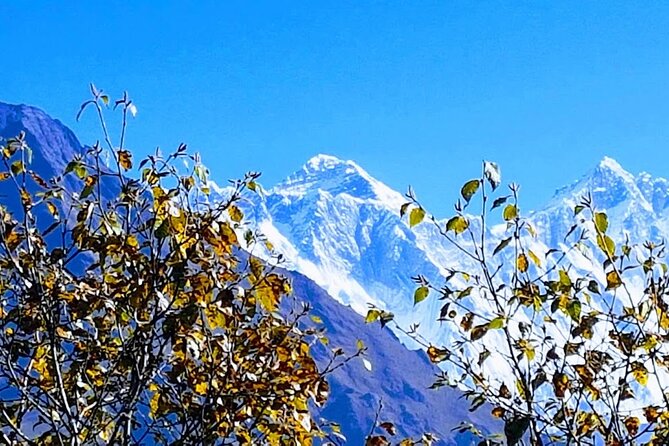
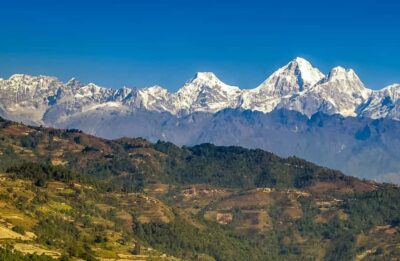
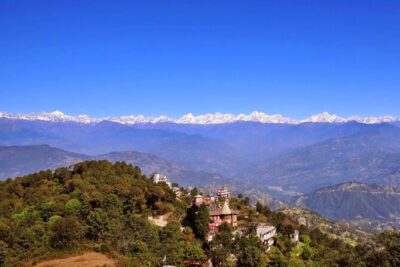
The route from Chisapani to Nagarkot continues through the hills and village country. Nagarkot is known for its broad Himalayan views and sunset, though clear mountain views depend entirely on weather.
That uncertainty is part of the deal with hill viewpoints. You may see a sharp line of distant peaks, or you may get clouds and changing light instead. The walk remains worthwhile because of the setting, villages, and open views even when the Himalayas stay hidden.
Nagarkot is more developed than Chisapani, and the overnight accommodation is a hotel rather than a lodge. That change gives you a more comfortable base before the final morning. Still, do not treat the day as a rest day. It is another full walking day after the route from Sundarijal.
Plan your footwear carefully. Trainers with a firm sole may be enough in dry conditions, but the route can feel different after rain. Walking poles are not listed as included, so bring your own if you normally use them.
The sunset is one of the day’s main rewards. You do not need special equipment, but a warm layer helps once the sun drops. Keep your expectations sensible: the tour promises the chance to see Himalayan scenery and sunset, not guaranteed clear skies.
Day 5: Sunrise, Changunarayan, and the return to Kathmandu
The final day begins with sunrise at Nagarkot. Early light can reveal the Himalayan range, but weather remains the deciding factor. If you are hoping for photographs, have your phone or camera ready before the sun appears rather than scrambling out at the last moment.
After breakfast, you hike to Changunarayan Temple. The walk provides a final stretch of hill scenery before you return to Kathmandu by vehicle.
Changunarayan is an ancient temple and a fitting end to the route. After several days of walking through forests and villages, you return to a major cultural site with a different feel from the three monuments visited earlier. It also keeps the final day active rather than turning it into a simple transfer.
The drive back to Kathmandu ends the activity at the meeting point. Since Kathmandu accommodation is not included, arrange your next night before the trek begins, especially if you are catching an early flight the following day.
What the $375 price really covers
The package has good value if you want a guide and transport without planning every piece yourself. The most useful inclusions are the private transportation, English-speaking guide, trekking meals, two nights of lodge accommodation, and the transfer from Thamel to Sundarijal.
A private vehicle matters in Kathmandu. Public transport can be inexpensive, but it is slower and less convenient when you are moving between several major sites in one day. It also makes the start and finish of the hill section simpler.
The group limit of 10 is another plus. You get the social feel of a small group without the size of a large coach tour. It also gives the guide a better chance to keep the walking pace manageable and answer questions.
Budget separately for:
- Kathmandu hotel accommodation
- Entrance fees at the heritage sites
- Any national park charge not covered by the permit
- Kathmandu lunches and dinners
- Bottled water and all drinks
- Personal expenses and staff gratuities
- Nepal entry visa
- International flights
The wording around bottled water is easy to miss. It is listed as not included, so bring a reusable bottle and ask the guide about safe refill options. Do not assume drinks are covered with the trekking meals.
Who will enjoy this route most
This trip suits you if you want a first taste of Nepal that combines culture and walking. It is a sensible choice for someone considering a longer trek but wanting to test their comfort with lodge stays, daily hills, and a guide-led route.
It also fits people with only five days in Kathmandu. You see major sites, get beyond the city, and return without needing a domestic flight or a long road journey to a distant trekking region.
The route may suit older walkers if they are comfortable with moderate hills and can manage uneven paths. The operator has experience supporting people on treks and adjusting plans when conditions change, but this specific route should not be treated as suitable for every fitness level. Ask for the approximate walking hours and elevation changes before booking.
It is less suitable if you want luxury accommodation, guaranteed mountain views, or a completely relaxed holiday. You will sleep in lodges, walk for several days, and spend time outdoors in conditions that may change.
The activity states that most people can participate, but no detailed accessibility information is provided. If you have mobility, balance, or medical concerns, discuss the trail and lodge arrangements with Prime Himalayas first.
Practical booking advice
Confirmation is provided when you book, and pickup is offered. The listed start time is 9:15 a.m., with the meeting point on Thamel Marg. Confirm the exact pickup arrangement, especially if your hotel is outside Thamel.
The tour requires good weather and a minimum number of participants. If poor weather cancels the trip, you can choose another date or receive a full refund. If the minimum group is not reached, you are offered another date or activity, or a refund.
You can cancel for a full refund up to 24 hours before the local start time. Changes or cancellations inside that 24-hour window are not accepted for a refund.
Prime Himalayas has a record of responsive support, and Prakash is repeatedly singled out for personal attention and flexible planning. That matters here because this is not just a fixed bus circuit. The walking section depends on weather, trail conditions, and how the group moves.
Should you book the Nepal Discovery Tour?
Book it if you want an efficient introduction to Nepal with three major religious sites, a manageable hill trek, village scenery, and two chances for sunrise or sunset views. The small group, private transport, guide support, and included trekking meals make $375 reasonable once you understand the extra costs.
I would ask three questions before confirming: exactly which park fee is included, what walking hours and elevation changes to expect, and what packing list the guide recommends. If the answers suit your fitness and budget, this is a strong short option for seeing more than Kathmandu without signing up for a demanding Himalayan expedition.
FAQ
How long is the Nepal Discovery Tour?
The activity lasts approximately five days, from arrival and briefing in Kathmandu through the return from Changunarayan on day five.
Where does the tour start?
The stated meeting point is Thamel Marg, Kathmandu 44600, Nepal. The listed start time is 9:15 a.m., and pickup is offered.
Where does the activity end?
The activity ends back at the meeting point after the drive from Changunarayan to Kathmandu.
Which UNESCO World Heritage Sites are included?
The sightseeing day visits Swoyambhunath, also called the Monkey Temple, Pashupatinath Temple, and Boudhanath Stupa.
How difficult is the trek?
It is described as an easy trek with approximately two and a half days of moderate hiking. You should still expect hills, forest trails, village paths, and uneven ground.
Where do you sleep during the walking section?
You spend two nights in lodge accommodation during the trek, with an overnight stay in Chisapani and another in Nagarkot. Kathmandu accommodation is not included.
Are meals included?
Breakfast, lunch, and dinner are included during the trekking section. Lunch and dinner in Kathmandu, bottled water, and drinks throughout the trip are not included.
Are heritage-site entrance fees included?
No. Entrance fees for the heritage sites are listed as excluded. The information also uses different wording about the national park fee, so confirm the exact amount covered before booking.
What happens if bad weather cancels the tour?
If poor weather causes cancellation, you are offered a different date or a full refund. A minimum traveler requirement also applies, and a cancellation for that reason brings the same choice of another date or activity, or a refund.
Just added around Kathmandu
- 3 Days Chisapani to Nagarkot Hiking from Kathmandu★ 5.0 · 2 reviews
- Dhulikhel to Namobuddha Day Hike with Lunch – Private/Group★ 4.9 · 5 reviews
- From Kathmandu: Private Scenic Day Hike to NamoBuddha★ 5.0 · 32 reviews
- Kathmandu Highlights: Private UNESCO World Heritage Sites Tour★ 5.0 · 50 reviews
- Kathmandu: Dhulikhel to NamoBuddha Day Hike with Lunch★ 4.8 · 62 reviews
- Nagarkot Sunrise View & Day Hiking with Lunch – Private/Group★ 5.0 · 73 reviews
- Nagarkot Sunrise Trip & Day Hike with Lunch from Kathmandu★ 4.5 · 83 reviews
- Kathmandu: Nagarkot Sunrise & Hike with Lunch -Private/Group★ 4.9 · 122 reviews
Kathmandu Hiking Tours, compared.
Nagarkot Sunrise View and Day Hiking from Kathmandu
Read our review →
Nagarkot Sunrise and Hike Tour to Changu Narayan
Read our review →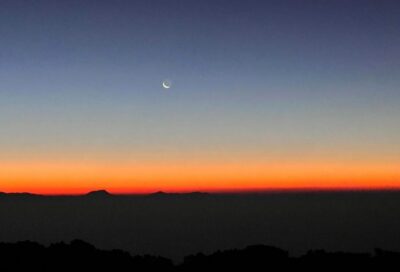
Nagarkot Sunrise & Hike to Changu Narayan Day Tour from Kathmandu
Read our review →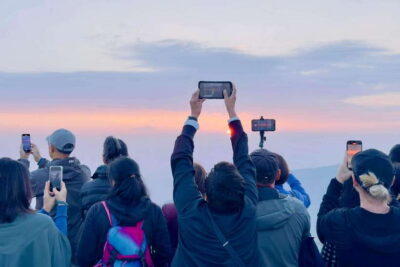
Nagarkot Sunrise & Hike with Lunch -Private/Group
Read our review →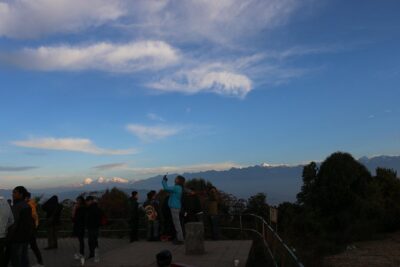
Nagarkot Sunrise Trip & Day Hike with Lunch from Kathmandu
Read our review →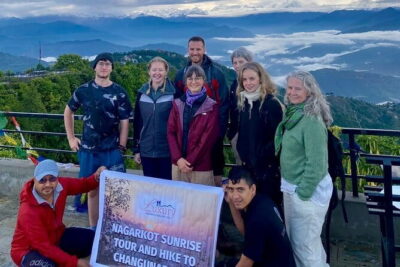
Nagarkot Sunrise View & Day Hiking with Lunch – Private/Group
Read our review →Browse the lists this tour appears in