
REVIEW · 7-DAY EXPERIENCES
7 Day Tour to Valley of Flowers and Auli Hiking Adventure
The big draw here is the combination of Valley of Flowers and Auli in one Himalayan trip. You walk through a UNESCO World Heritage Site, visit Hemkund Sahib at 4,650 meters, and finish with wide views from Gorson Bugyal. This is not a gentle sightseeing holiday. It is a real mountain trek with long road transfers and demanding climbs.
I like the careful practical support: trained guides, group transport, meals, safety equipment, an oxygen cylinder, and a first aid kit are included. I also like the mix of places, from the sacred river meeting points at Devprayag and Rudraprayag to the flower-filled valley and open meadows above Auli. The main drawback is the effort required. You should train your legs before arrival, and the itinerary is not suitable for people with very high blood pressure, limited fitness, or significant weight-related mobility concerns.
Key points to know before booking
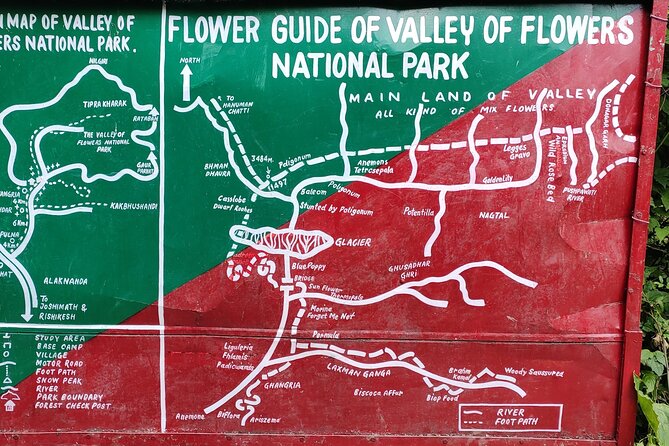
- The Valley of Flowers trek covers 4 kilometers each way to the mouth of the valley, with a return to Ghangaria the same day.
- Hemkund Sahib reaches 4,650 meters, making day four the toughest high-altitude outing.
- A maximum of 18 people keeps the group small enough for a guide to manage on mountain paths.
- Meals and basic mountain support are included, with seven breakfasts, six dinners, seven lunches, safety gear, oxygen, and first aid.
- The trip begins at 6:30 am in Haridwar and includes long road days, including an eight to nine-hour return transfer.
- Preparation matters, especially leg strength. One guest said Bayberry Adventures contacted them two months before departure with training advice.
What the seven-day route is really like
This trip works best if you think of it as a mountain journey with several distinct chapters, not simply a single walk through flowers. The first and final days involve long drives. The middle section focuses on Ghangaria, the Valley of Flowers, and Hemkund Sahib. Auli then adds a second mountain setting, with broad meadows and views rather than the tighter valley walking of earlier days.
The price is $339.98 per person. That is a useful value if you would otherwise need to arrange transport, guides, accommodation, meals, safety equipment, and several mountain transfers separately. You still need to budget for the ₹500 insurance charge and the ₹600 admission fee for foreign nationals. Extra costs caused by road closures, cancellations, or similar disruptions are charged separately.
The group limit is 18 people. That is large enough to create a social trip, but not so large that you should expect a private guide or a quiet walk every day. The mobile ticket and confirmation at booking make the basic arrangements straightforward, but you should still read the meeting instructions carefully because the start is early.
A few more hikes around India worth a look
- 7-Day Private Kilimanjaro Hiking Tour via Machame from Arusha
★ 5.0 · 11 reviews - 7-Day Kathmandu, Pokhara Tour with Hike to Australian Camp
★ 5.0 · 4 reviews - 7-Day Mt. Kilimanjaro Hiking: Machame Route
★ 5.0 · 3 reviews
Day one: Haridwar to Joshimath through three river confluences
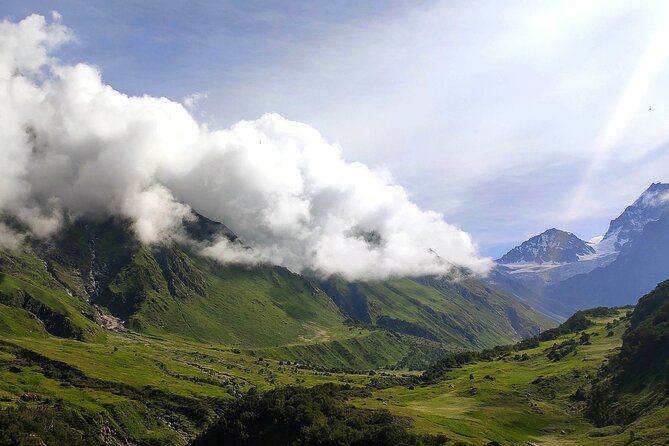
The first day begins at 6:30 am in Haridwar and heads toward Joshimath. Much of the day is spent on the road, so you should not expect a major hike at this stage. The reward is the route itself, which passes three of Uttarakhand’s important river confluences.
At Devprayag, the Alaknanda and Bhagirathi rivers meet to form the Ganges. This is the final one of the five sacred Panch Prayag confluences. The stop is brief, listed at about five minutes, so you may get only a quick look rather than extended time for exploring.
Rudraprayag is another of the Panch Prayag sites. Here, the Alaknanda meets the Mandakini River. The town also has a religious connection to the route toward Kedarnath, which lies about 86 kilometers away. Again, the value is mainly in seeing how the journey links river geography and pilgrimage routes.
Karnaprayag marks the meeting of the Alaknanda and Pindar rivers. These short stops break up the long transfer and give you a sense of why rivers matter so much in Uttarakhand’s geography and spiritual life. Still, be realistic: day one is a transit day. If you dislike long drives, this will feel tiring before the trekking even begins.
Day two: Ghangaria and a useful morning of preparation
Ghangaria is your base for the main mountain walks. The schedule includes early morning yoga in a meadow setting, followed by breakfast and the day’s activities. This is a sensible feature because your body will need time to adjust to the mountain environment and the physical demands ahead.
The yoga session is not a substitute for fitness training. Think of it as a gentle way to loosen stiff muscles after the road journey and prepare for walking. The previous guest’s advice is worth taking seriously: Bayberry Adventures contacted them two months ahead of the trip and stressed the need to build leg strength. The same guest described the route as not an easy walk and praised the company’s professionalism and attention to safety.
The exact transfer details into Ghangaria are not fully set out in the schedule, so confirm the day’s arrangements with the operator before departure. Your accommodation is on a twin or triple-sharing basis, not a private room arrangement. That helps keep the cost down, but you should be comfortable sharing.
Day three: entering the Valley of Flowers
After breakfast, you walk about 4 kilometers one way to the mouth of the Valley of Flowers National Park. The route follows the Pushpawati River valley in the upper Bhyundar area. The listed visit time is about two hours, though the full day also includes the approach walk and the return to Ghangaria.
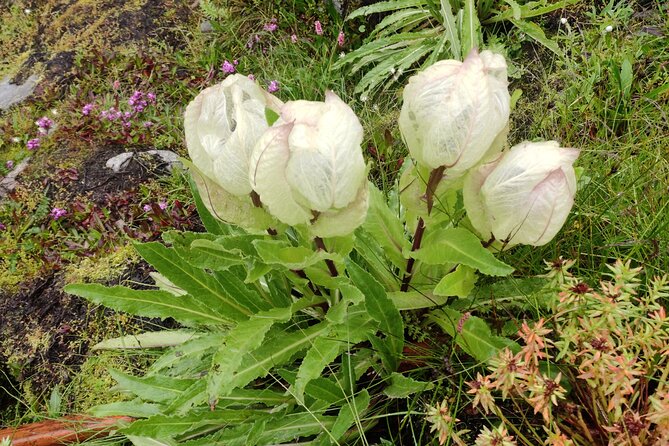
The valley is known for more than pretty color. The park covers about 87.5 square kilometers and rises from roughly 3,250 meters to 6,750 meters. More than 500 flowering plant species are found here, including rare and endangered plants. The exact display changes with the season, so you should not expect the same flowers or density of blooms on every departure.
The area also supports Himalayan wildlife, including musk deer, Himalayan black bears, brown bears, blue sheep, and the elusive snow leopard. You may also spot birds such as the Himalayan monal, golden eagle, and snow partridge. These animals are not guaranteed sightings. The value of the day is the high mountain setting and plant life, not a promise of wildlife encounters.
The return to Ghangaria is important to understand. You do not simply stroll through a garden and board a vehicle. You walk back after the outward journey, which makes the day a solid test of endurance. Good shoes, a steady pace, and sensible use of breaks will matter more than speed.
Same trailhead, a different sort of day:
- Mountain Hiking in Munnar (half day) By Munnar Info
★ 5.0 · 390 reviews - Full day in hiking in Munnar (By Munnar Info)
★ 5.0 · 176 reviews - Hiking Day Tour to Triund from Dharamshala
★ 5.0 · 75 reviews - Private Peacock Trail Walking Tour in Mylapore
★ 5.0 · 50 reviews
Day four: Hemkund Sahib at 4,650 meters
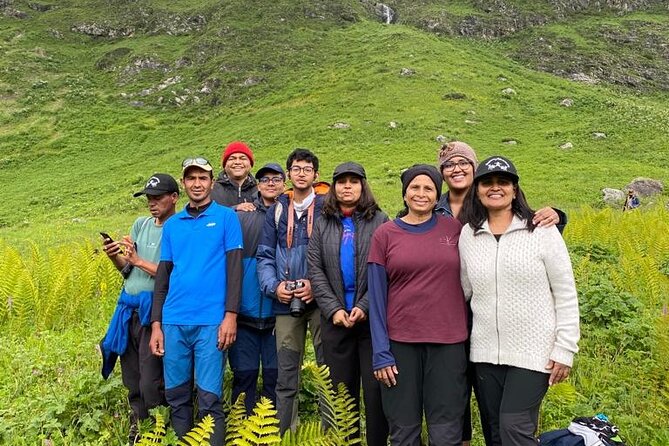
Day four takes you to Gurudwara Hemkund Sahib, a Sikh pilgrimage site at 4,650 meters. It is described as the highest gurudwara in the world. The site has deep religious meaning, and the approach combines a serious uphill trek with the chance to visit a major place of worship.
This is likely to feel harder than the Valley of Flowers day because of the altitude and the climb. The schedule allows about an hour at the gurudwara, followed by a return to Ghangaria for another night. You should not treat this as a casual add-on. At 4,650 meters, breathing and stamina can become more difficult, even for people who are fit at home.
The tour supplies an oxygen cylinder and first aid kit, and trained guides escort the group. Those provisions are reassuring, but they do not remove the need to listen to your body. The tour specifically advises against joining if you have very high blood pressure and requires a good level of physical fitness. If you feel unwell at altitude, tell the guide immediately rather than trying to prove a point.
The religious character of Hemkund Sahib also calls for respectful behavior. You are visiting an active place of Sikh worship, not simply a mountain viewpoint. The hour at the site may feel short, but it gives the day focus before you return downhill.
Day five: downhill to Govindghat, then on to Joshimath
After the high walks, day five changes pace. You trek 10 kilometers downhill from Ghangaria to Govindghat, then take a 25-kilometer car ride to Joshimath. The full transfer is expected to take about five to six hours.
Downhill walking can be harder on knees than uphill walking, so do not assume this is an easy recovery day. Trekking poles, if you already use them, can help with balance and control, though the tour details do not state that they are supplied. The included transport means you do not need to arrange your own vehicle after reaching Govindghat.
There is also an option to leave the main route at Govindghat for a visit to Badrinath, but the supplied schedule does not explain the timing, cost, or transport for that addition. Treat it as something to ask about in advance, not as a guaranteed part of the $339.98 package.
Joshimath gives you a change from the basic trekking base at Ghangaria. The accommodation remains twin or triple sharing, and dinner is included. After several active days, even a simple evening at the resort can feel welcome.
Day six: Auli and the open meadows of Gorson Bugyal
Day six begins more gently. You can have your morning tea at the Joshimath resort, with time for another yoga session if you wish. Then the group travels to Auli, a mountain destination known for broad alpine scenery and winter sports.
From Auli, the route continues toward pillar number 10, followed by a short trek of about 2.5 kilometers to Gorson Bugyal, also called Auli Bugyal. The reward at the zero point is a 360-degree view. After the walk, chai and pakoras are included, a welcome Indian mountain snack after the climb.
This day contrasts nicely with the Valley of Flowers. Ghangaria and the valley focus on a river corridor, plants, and a long out-and-back hike. Gorson Bugyal offers open grassland and a wider sense of space. The walk is shorter, but you still need to remember that altitude can make even moderate distances feel demanding.
The schedule lists about an hour at Auli and 30 minutes at Gorson Bugyal, so do not picture a full day of independent wandering. The experience is structured around the transfer, short hike, viewpoint, tea, and return. That is useful if you prefer a guided plan, but limiting if you want a relaxed, unhurried day in the meadows.
Day seven: a long return to Haridwar
The final transfer covers about 273 kilometers from Joshimath to Haridwar Railway Station and takes roughly eight to nine hours, including lunch on the way. This is another full road day, not a final sightseeing program.
That timing matters if you have a train or flight after the tour. The experience ends at the Haridwar meeting point, but you should avoid booking a tight onward connection. Mountain roads and weather can affect timing, and the tour terms allow extra charges for road blocks or cancellations caused by conditions outside the operator’s control.
The long drive is tiring, but it also gives the trip a clear rhythm: pilgrimage towns and river junctions on the way in, several demanding mountain days, then a slow return to the plains.
What the $339.98 price covers
The package includes the main services you need for a guided group trek:
- Twin or triple-sharing accommodation
- Group transportation
- Trained guides
- Safety equipment, oxygen cylinder, and first aid kit
- Seven breakfasts
- Six dinners
- Seven lunches
That food allowance is especially useful during a route where you cannot easily stop to choose restaurants. The shared rooms and group transport keep the cost reasonable, though they also mean less privacy and less control over the day’s pace.
The extra charges are modest but important. Insurance costs ₹500 per person. Foreign nationals pay ₹600 per person in admission fees. Road closures, cancellations, and other unexpected costs are not covered at a fixed rate.
The average booking lead time is 219 days, so popular dates may fill well ahead. If you have a particular travel window in mind, it makes sense to plan early rather than assume a last-minute place will be available.
Who should book this mountain trip
I would recommend this experience to you if you want a structured introduction to Uttarakhand trekking and prefer having transport, meals, guides, and accommodation arranged together. It suits people who enjoy active holidays and are happy to share rooms and travel with a group of up to 18.
You should prepare your legs before the trip. Long walks, downhill sections, high altitude, and two long vehicle days make this far more demanding than a standard sightseeing tour. The guide’s early training advice is one of the most useful details attached to the experience.
I would not choose it if you want leisurely mornings, private accommodation, short transfers, or a flexible schedule. It is also not recommended for people who are overweight, have very high blood pressure, or cannot manage a serious trek. The operator requires moderate physical fitness, but the route description suggests that good fitness is the safer target.
Should you book it?
Book this tour if the appeal of the Himalayas is a mixture of flowers, pilgrimage sites, river confluences, and open mountain meadows, and you want the practical work handled for you. The strongest part is the variety: the Valley of Flowers is the centerpiece, Hemkund Sahib adds spiritual and physical weight, and Auli provides a different kind of mountain scenery.
Skip it if you are looking for an easy nature walk. The 4-kilometer route into the valley, the high climb to 4,650-meter Hemkund Sahib, the 10-kilometer descent, and the long road transfers demand preparation. At $339.98, the package offers solid value for an organized seven-day trek, provided you understand that the comfort level is shared and practical rather than luxurious.
FAQ
Where does the tour start?
The tour starts in Haridwar at 6:30 am. It ends at Haridwar Railway Station after the return transfer from Joshimath.
How long is the tour?
The experience lasts approximately seven days.
How far is the Valley of Flowers trek?
The walk to the mouth of the Valley of Flowers is about 4 kilometers one way. You return to Ghangaria after visiting the park.
How high is Hemkund Sahib?
Hemkund Sahib is at an elevation of 4,650 meters.
Are meals included?
Yes. The package includes seven breakfasts, six dinners, and seven lunches.
Is the tour suitable for all fitness levels?
No. You need moderate physical fitness and must be able to undertake the trek. The experience is not recommended for overweight people or those with very high blood pressure.
Just added around India
- Aravali Exotic Hiking, Yoga with Breakfast★ 5.0 · 13 reviews
- Guided Lama Dugh Hike in Manali★ 5.0 · 3 reviews
- Hike to Elephant beach exploring tropical flora and fauna★ 5.0 · 4 reviews
- Hiking Day Tour to Triund from Dharamshala★ 5.0 · 75 reviews
- Guided Day Hike to Guna Devi Temple from Mcleodganj★ 5.0 · 12 reviews
- Private Peacock Trail Walking Tour in Mylapore★ 5.0 · 50 reviews
- Sunrise Day Hike in Rishikesh★ 5.0 · 8 reviews
- Shimla: Hiking Tour to Jakhu Hill with Local Guide★ 5.0 · 9 reviews
7-Day Experiences, compared.
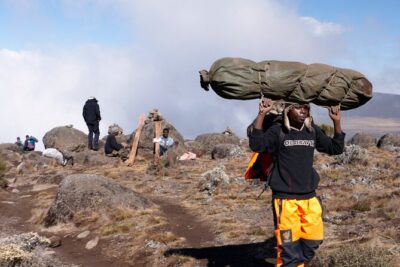
7-Day Private Kilimanjaro Hiking Tour via Machame from Arusha
Read our review →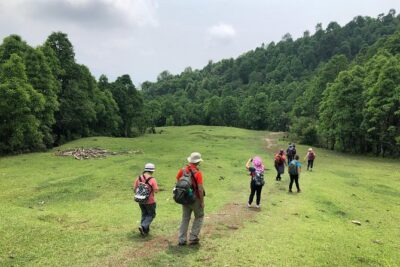
7-Day Kathmandu, Pokhara Tour with Hike to Australian Camp
Read our review →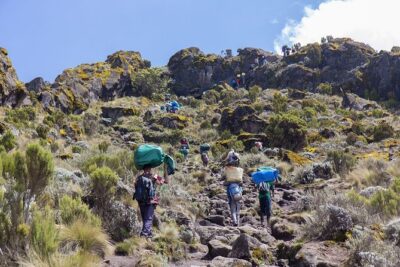
7-Day Kilimanjaro Hiking Tour via Machame Route
Read our review →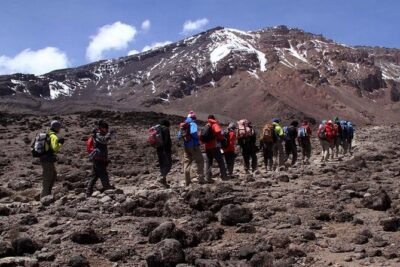
Browse the lists this tour appears in