
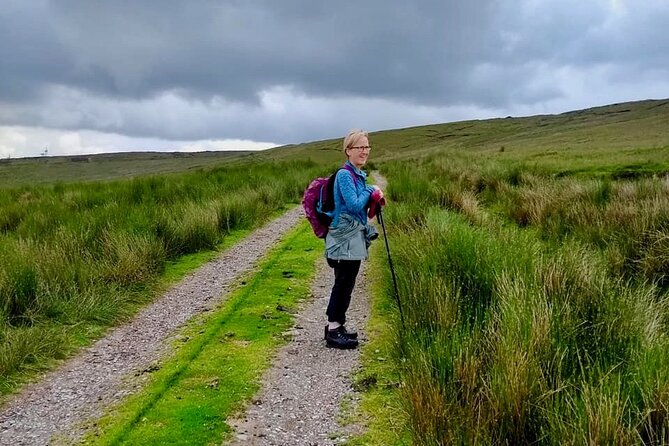
REVIEW · IRELAND
Bog Safari Hike
A Donegal bog is far more than a patch of wet ground. It is an old working place, a storehouse of local stories, a refuge for unusual plants, and a key part of Ireland’s past and present. On this two-hour walk, Sharon guides you through the bog step by step, linking the ground beneath your boots to myths, monastic life, turf cutting, and climate concerns.
I like two things here. First, the tour gives you a close look at ordinary Irish life, including the way peat has still shaped local routines. Second, the group is capped at 12, so you can ask questions and get a more personal walk rather than trailing behind a large crowd. The main drawback is practical: this is a moderate to challenging outdoor hike, and poor weather can force a change of date or cancellation.
Key Points Before You Book
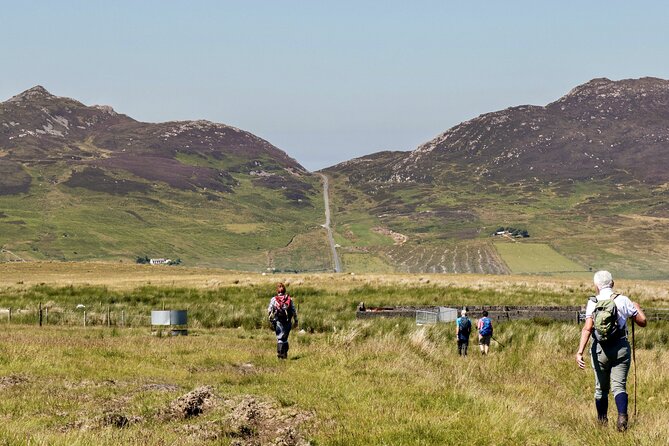
- A working Irish bog: Learn how peat formed and see how turf cutting remains tied to local life.
- Sharon’s local storytelling: Expect a friendly guide who mixes facts, myths, legends, and personal connections to the area.
- A two-hour walk: The tour is short enough to fit into a busy Donegal day, but active enough to require moderate fitness.
- Wild Atlantic Way views: Look across Inishowen and West Donegal from a setting far removed from the busiest visitor stops.
- A small group of up to 12: The size allows room for questions and a more relaxed pace.
- Weather matters: Bring a good outdoor attitude, since the experience depends on suitable conditions.
Why This Donegal Bog Is Worth Your Time
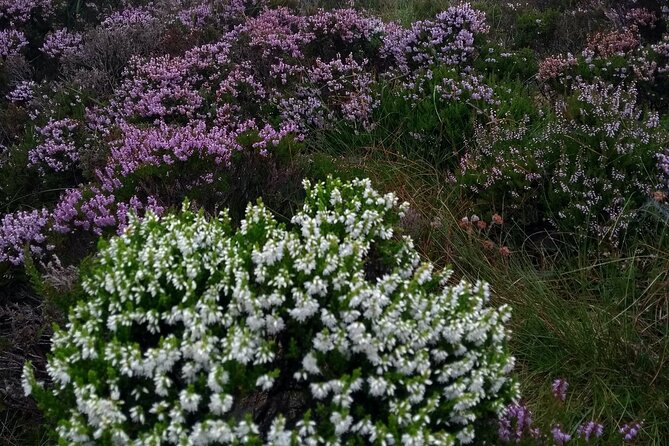
Many visitors come to Ireland looking for cliffs, castles, and green fields. Those places deserve their fame, but a bog tells a quieter story. It shows how Irish people used the land, read the weather, gathered fuel, and passed local beliefs from one generation to the next.
I like that this walk does not treat the bog as scenery alone. You learn how peatlands were formed and why they matter now. The guide also explains their role in the fight against climate change, giving the walk a modern purpose instead of leaving it stuck in the past.
The experience also connects the bog to the wider Wild Atlantic Way of Inishowen and West Donegal. From the open ground, you can take in broad views across the region. The setting provides a strong contrast with busy sightseeing sites, since the focus here is on weather, open space, and the character of the ground.
This is not a polished attraction with a line of exhibits and a café at the end. It is a guided walk through a real place. That means the reward comes from listening, looking closely, and accepting that the weather may be part of the experience.
More Safari Days in Ireland:
- Howth Safari Hiking Tour
★ 5.0 · 279 reviews - Dublin: Howth Safari Hiking Tour
★ 5.0 · 70 reviews - Rainforest Hike and Waterfall Safari
★ 5.0 · 567 reviews
Starting at Ballyannon
The walk begins at the meeting point marked 5GV4+H8 in Ballyannon, County Donegal. It also ends there, which keeps the plan simple. You do not need to arrange a separate return transfer after the walk.
The activity lasts about two hours. That is long enough to cover several themes without taking up an entire day. You can fit it around other Donegal plans, though you should allow extra time before and after for finding the meeting point and changing out of outdoor clothing.
The tour is offered in English. Confirmation is provided when you book, and the experience is limited to a maximum of 12 people. That limit matters on an outdoor walk. A small group can stop when someone has a question, gather around a point of interest, and keep a pace that feels more human.
The starting point is in a rural setting, so you should pay close attention to the booking information and meeting instructions. The supplied details do not include public transport directions or a hotel pickup. Plan your own way to Ballyannon.
Reading an Ancient Peatland
One of the first things you explore is how the bog formed. Peat develops over long periods as plant material builds up in wet conditions and breaks down slowly. The result is a distinct type of ground with its own plants, wildlife, smells, textures, and hazards.
You are not simply looking at a green field. The bog holds clues about time and climate. Its layers record former vegetation and changing conditions, while the wet ground creates a habitat unlike ordinary farmland.
Sharon’s job is important here. A bog can look simple at first glance, especially if you are used to judging places by big views or dramatic buildings. A guide helps you notice what you might otherwise walk past and explains why the ground matters.
You should expect the walk to be active rather than a roadside talk. The details say you need a moderate level of physical fitness, with the possibility of moderate to challenging exercise. That wording is worth taking seriously. The surface may be uneven or wet, and you should be comfortable walking outdoors for the full two hours.
Myths, Legends, and an Ancient Monastic Site
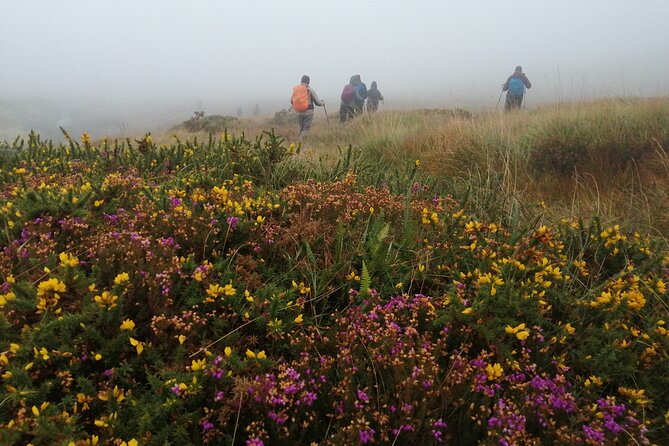
The walk also moves through the stories attached to the bog. Irish peatlands have long carried a strong place in local belief, and the tour uses myths and legends to explain how people understood this unusual setting.
I like this part because folklore gives you a different way to read the countryside. A place can be measured in geological time, but it can also be remembered through stories. The mix helps show how the bog shaped local identity rather than treating it as a scientific subject alone.
An ancient monastic site adds another layer. The details provided do not specify the site’s name or surviving features, so you should not expect a full archaeological tour with a large collection of ruins. Instead, the stop appears to place religious history within the same setting as the bog, turf work, and local stories.
That combination is valuable. You get a sense of how people lived with the land across different periods. The walk links natural features to spiritual life and community memory without needing a large monument to make the point.
A few more hikes around Ireland worth a look
- Dublin Coastal Hike, Pints & Puppies Adventure
★ 5.0 · 647 reviews - Cliffs Of Moher Hiking Tour from Doolin – Small Group
★ 5.0 · 324 reviews - Dublin Coastal Hike with Howth Adventures
★ 5.0 · 289 reviews - Dublin: Howth Coastal Hiking Tour
★ 4.9 · 116 reviews
Seeing Traditional Turf Cutting
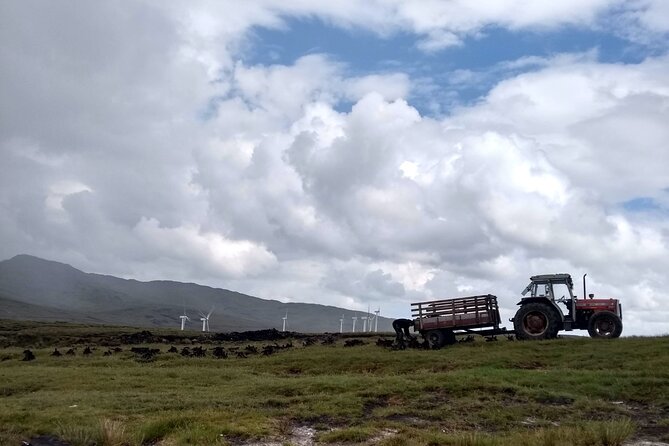
Turf cutting is one of the most useful parts of the experience for anyone who wants to understand local life. Turf, or peat cut from the bog, has traditionally been dried and used as fuel. The practice connects the ground to homes, work, and seasonal routines.
You may see turf cutting in action, depending on what is happening during your visit. The supplied details include a particularly useful local touch: the guide’s route can bring you alongside someone from the area working in the bog. That offers a direct look at the practice as part of daily life, rather than as a staged demonstration.
This is where the tour feels especially grounded. You are not only hearing that people once depended on the bog. You are seeing how the relationship with the peatland can continue into the present.
The walk does not present turf cutting as a simple good or bad issue. Peatlands are important for nature and climate, while turf cutting is tied to tradition and household use. That tension gives the subject real weight. Listen for how Sharon explains the balance between cultural practice and environmental concerns.
Biodiversity and Climate Change
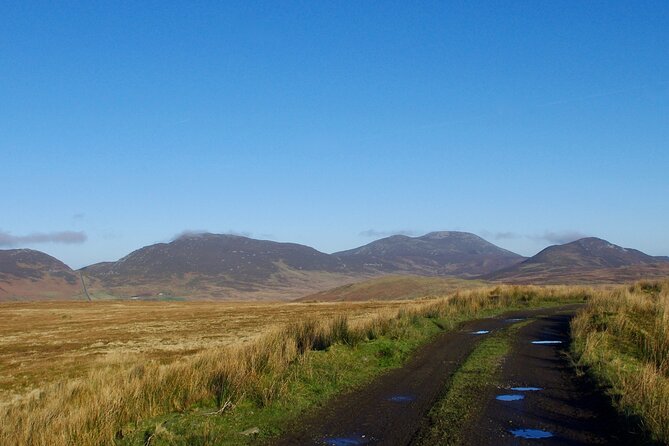
The bog supports a distinct range of plant and animal life. The tour introduces you to the biodiversity of the peatland and explains why these places matter beyond their local appearance.
I appreciate the climate section because it gives the walk a current reason. Peatlands can store carbon, and the way they are protected or disturbed affects the wider environment. You do not need to be a specialist to understand the basic issue, but you should come ready to see the bog as a living system rather than unused land.
The tour also includes green energy in the area. As you walk, you will see how the region is using newer energy sources alongside older ways of working. The information supplied does not name the specific green energy installation, so I would not book this expecting a technical visit or an engineering presentation.
Instead, think of it as a chance to see several parts of rural Donegal together: old peatland, traditional fuel use, conservation questions, and modern energy. That wider view is one of the strongest reasons to choose this walk over a standard scenic stroll.
The Views Across Inishowen and West Donegal
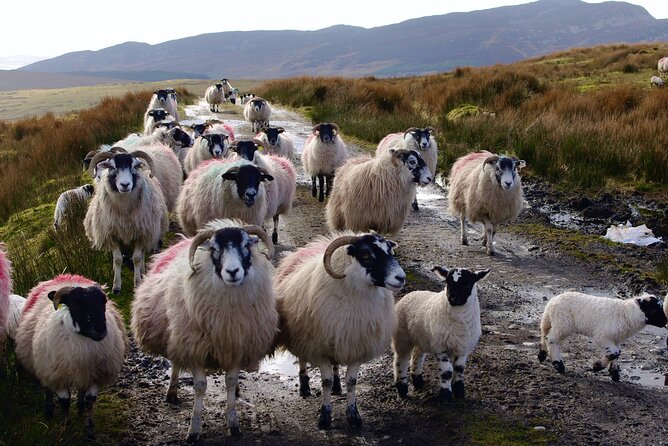
The bog gives you broad views across the Wild Atlantic Way, including Inishowen and West Donegal. These are the kind of views that reward a pause. You can look well beyond the immediate path and understand the scale of the country around you.
The route is not presented as a strenuous mountain climb or a viewpoint-only excursion. The scenery works as part of the wider story. You see the bog close up, then connect it to the hills, coast, and open spaces beyond.
If your Donegal schedule already includes famous coastal stops, this walk gives you a useful change of pace. It is quieter and more focused on the land itself. The absence of crowds is part of the appeal, though you should not mistake quiet for easy. Open rural ground can still be wet, windy, or physically demanding.
Good weather will make the views easier to enjoy. Since the activity requires suitable conditions, poor weather may lead to a different date or a full refund. That policy is sensible for a walk where the ground and visibility affect both comfort and safety.
Sharon’s Guiding Style
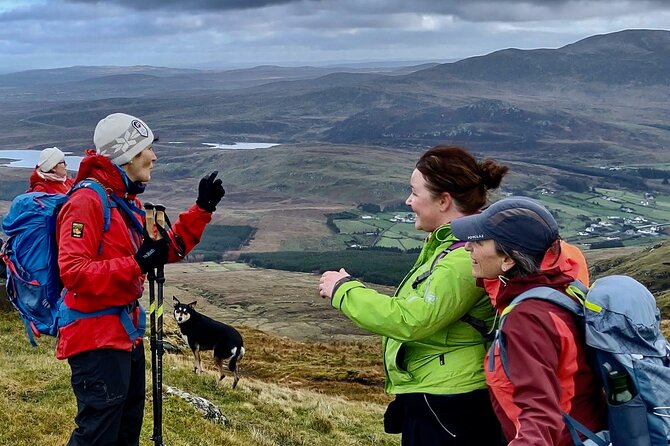
The guide can make or break a walk like this. The strongest personal detail available about the experience is Sharon’s style. She is described as chatty and approachable, sharing information and local lore in an easy way rather than delivering a stiff lecture.
That matters because the bog raises many questions. You may want to know how peat forms, why turf is cut, what a local legend means, or how the monastic site fits into the area. A warm guide gives you room to ask those questions.
One especially useful possibility is having the guide more or less to yourself if the group is small. The maximum is 12, but the actual number can be lower. A private or lightly attended walk gives you more chances to shape the conversation around your interests.
For private groups and exclusive bookings, the hike can be adjusted to suit individual needs. You need to contact Solas Ireland Walks and Hikes directly to discuss those changes. Do not assume every request can be accommodated without checking first.
What the $50.60 Price Buys You
At $50.60 per person, this is not a bargain-priced self-guided stroll. You are paying for a small-group guided experience in a place that would be difficult to understand fully on your own.
The value comes from the interpretation. Without Sharon’s explanations, you could walk through the bog, admire the views, and miss the links between peat formation, local myths, monastic life, turf cutting, biodiversity, and green energy. The guide turns a quiet rural setting into a story you can follow.
The two-hour length also helps the price feel more reasonable. You are not paying for a full-day outing with meals or transport, but you are getting concentrated local context in a small group. Lunch is not included. It can be arranged for an extra charge if you contact the provider directly.
I would choose this tour if I wanted a distinctive Donegal experience and cared about local culture and the environment. I would skip it if I wanted a cheap, casual walk with no fixed pace or if I had limited mobility and could not manage uneven outdoor ground.
Who Will Enjoy This Walk Most
This experience suits you if you enjoy:
- Local history told through real places
- Irish folklore and traditional customs
- Quiet outdoor activities away from major tourist stops
- Environmental subjects explained in plain language
- Small groups and direct contact with a guide
- Wide rural views rather than built attractions
It is also a good choice for visitors who have already seen some of Donegal’s better-known sights and want a different angle. The walk gives you a stronger sense of how people use and understand the countryside.
I would think twice if you dislike wet ground, changing weather, or moderate exercise. The provider asks you to disclose medical conditions that could affect participation in moderate to challenging activity. Service animals are allowed, but the route’s outdoor conditions should still be considered carefully.
Practical Details for a Comfortable Walk
Wear clothing suited to Irish weather and outdoor ground. The supplied information does not list a required gear set, so I would prepare for rain, wind, and damp surfaces rather than relying on a dry forecast.
Wear sturdy footwear with good grip. A waterproof outer layer is sensible, and you should carry water. Since lunch is not included, arrange it separately if you need food around the tour time.
The meeting point and end point are the same, which makes the day easier to organize. The tour is mobile-ticketed and conducted in English. Confirmation arrives at booking.
Free cancellation is available if you cancel at least 24 hours before the start time. Changes or cancellations inside that window are not accepted for a refund. If poor weather or a failure to meet the minimum group size causes the provider to cancel, you will be offered another date or experience, or a full refund.
Should You Book the Bog Safari Hike?
I would book this walk if you want to understand Donegal through its land, stories, and working traditions. The strongest parts are the small group, Sharon’s friendly storytelling, the chance to see turf cutting, and the way the walk links an ancient bog to climate change and green energy.
I would not book it for a guaranteed sunny photo stop or a gentle, paved nature path. The ground may be demanding, and the weather can affect the plan.
For the right visitor, $50.60 is a fair price for two hours of focused local insight. Come prepared for the outdoors, stay curious, and let the bog set the pace.
FAQ
Where does the Bog Safari Hike start?
The hike starts at 5GV4+H8, Ballyannon, County Donegal, Ireland.
Where does the activity end?
The walk ends back at the meeting point in Ballyannon.
How long does the hike last?
The experience lasts approximately two hours.
How many people can join the hike?
The maximum group size is 12 people.
What language is the tour offered in?
The hike is offered in English.
Is lunch included?
No. Lunch is not included, but it can be provided for an extra charge if you contact the provider directly to order it.
What level of fitness is required?
You should have a moderate level of physical fitness. The activity may involve moderate to challenging exercise.
Can I cancel for a full refund?
Yes. You can receive a full refund if you cancel at least 24 hours before the experience start time. Poor weather or failure to meet the minimum number of participants may also lead to a different date or a full refund.
Just added around Ireland
- Torc mountain & waterfall hike. Killarney. Private guided group. 3½ hours.★ 5.0 · 4 reviews
- Cliffs of Moher Hiking Tour from Galway – Small Group★ 5.0 · 74 reviews
- Glendalough Night Hike and History Tour★ 5.0 · 55 reviews
- Dublin Coastal Hike Private Tour with Howth Adventures★ 5.0 · 4 reviews
- Howth Hiking Trail from Dublin: Mythology and Legend★ 5.0 · 77 reviews
- Dublin Coastal Hike and Pints with A local & His Dog Private tour★ 5.0 · 4 reviews
- Toe Head Clifftop Hike in West Cork★ 5.0 · 48 reviews
- Dublin: Irish Food Trail Walking Tour with 3 Courses★ 4.8 · 5 reviews
Ireland Hiking Tours, compared.

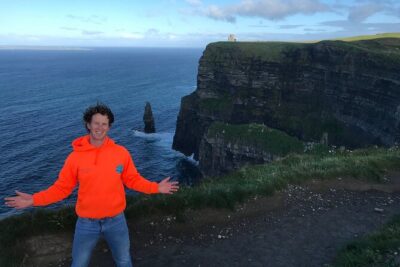
Cliffs Of Moher Hiking Tour from Doolin – Small Group
Read our review →
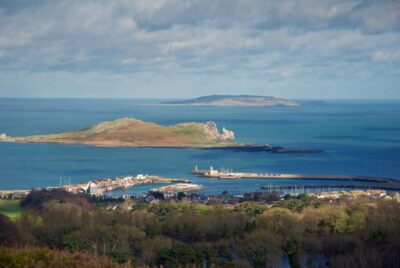
Howth Hiking Trail from Dublin: Mythology and Legend
Read our review →
Cliffs of Moher Hiking Tour from Galway – Small Group
Read our review →
Browse the lists this tour appears in