
REVIEW · USA
Denali Primitive Survival – 4hr Easy Hiking & Survival Workshop
The most unusual part of this Denali outing is that you leave the usual sightseeing route behind and learn how to cope in the forest. Your guide, Jade, takes you into the woods outside the park to identify edible plants and berries, build a shelter, and start a fire with very basic materials. It is a hands-on lesson, not a staged photo stop.
I like the practical focus and the way the four hours cover several key skills without requiring a serious backcountry trek. I also like the personal attention: the group is capped at 11, and Jade has worked patiently with children, including an 11-year-old learning the bow drill method.
The main drawback is time. You get a useful introduction, but not every project can be finished. A debris shelter may only be partly built, and this is not the right choice if you cannot comfortably hike a mile or two or if you want a full meal included.
Key points to know before booking
- Learn several survival basics in one morning or afternoon: fire, shelter, edible plants, berries, and mushrooms.
- Expect an easy hike of roughly one to two miles before stopping at a suitable work area.
- Guide Jade makes the session accessible for families, including younger participants learning hands-on fire skills.
- The group maximum is 11 people, which keeps the instruction more personal than a large coach excursion.
- Bring sturdy hiking boots, warm socks, and lunch: snacks are available, but a full meal is not.
- Your fee includes useful loaner gear: trekking poles, binoculars, and rain jackets.
Into the woods outside Denali National Park
This four-hour workshop begins with pickup from your hotel in the Denali area. The guide contacts you the day before to settle the pickup time and details, so keep your phone available and your schedule flexible until that message arrives.
The setting is in the woods just outside Denali National Park. That matters because the activity feels tied to the area without asking you to spend a full day on a demanding trail. You are not simply hearing a talk about survival in a visitor center. You are walking among the plants and trees that form the working environment for each lesson.
The hike is described as easy, but you should still take the distance seriously. Plan on about a mile or two of walking. Uneven ground can be tiring, especially if your knees are troublesome. Trekking poles are supplied, and one participant found them especially helpful for knee support.
I would wear real hiking boots rather than casual sneakers. Warm socks are a smart choice, and a rain jacket is useful even if the forecast looks decent. Northern weather can change quickly, and the workshop requires suitable conditions. If poor weather cancels the session, you can choose another date or receive a full refund.
A few more hikes around the USA worth a look
- Central Florida Guided Nature Walk and Private Yoga Class
★ 5.0 · 3 reviews - Skiathos: Dog Shelter Visit, Hike & Cooking Class with Lunch
★ 4.7 · 40 reviews - Santorini: Cooking Class and Easy Hike
★ 5.0 · 11 reviews
Foraging lessons: berries, plants, and mushroom warnings
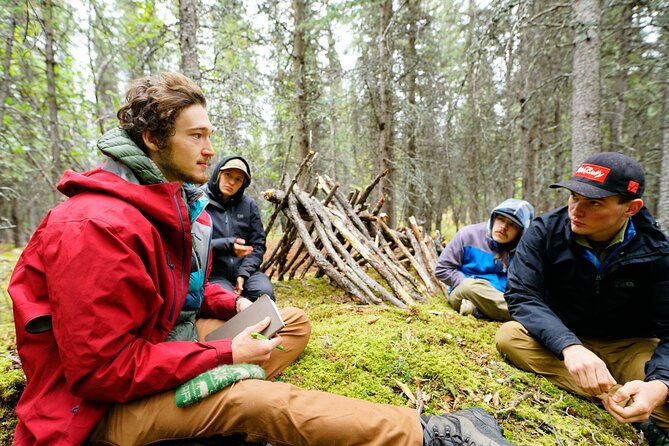
As you walk, Jade points out edible plants and berries. The value here is not just that you may taste a berry along the trail. You begin to see the forest as a source of food and materials, rather than as scenery passing by on the way to a viewpoint.
The tasting element makes the lesson memorable. You can connect the explanation to a plant you have actually seen and handled. Still, treat this as instruction, not permission to pick and eat plants on your own later. Correct identification matters, and the workshop also covers mushrooms that should not be eaten.
That mushroom warning is one of the most useful parts of the foraging lesson. A short session cannot turn you into a safe wild-food expert, but it can show you why guessing is dangerous. I appreciate that the focus includes both what you can eat and what you must avoid.
The plant lesson also gives the rest of the workshop more context. Survival is not one dramatic trick. It is a set of small decisions: where to stop, what resources are nearby, what materials are safe, and what should be left alone.
Choosing a shelter site and building a debris hut
Once Jade decides the group has reached a good spot, the walking ends and the practical work begins. You learn how to choose a place for a shelter and what needs attention during the first five days of a survival situation.
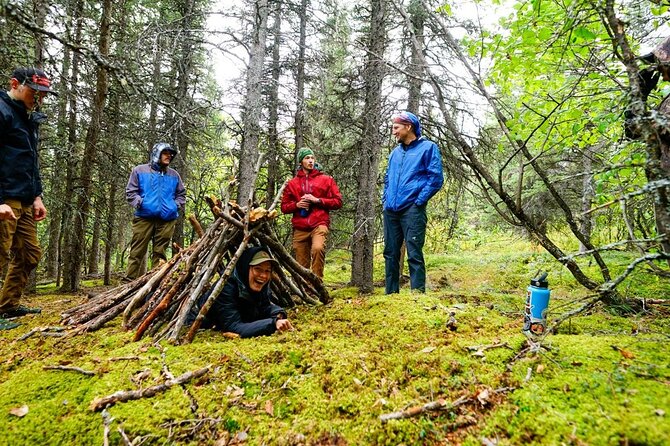
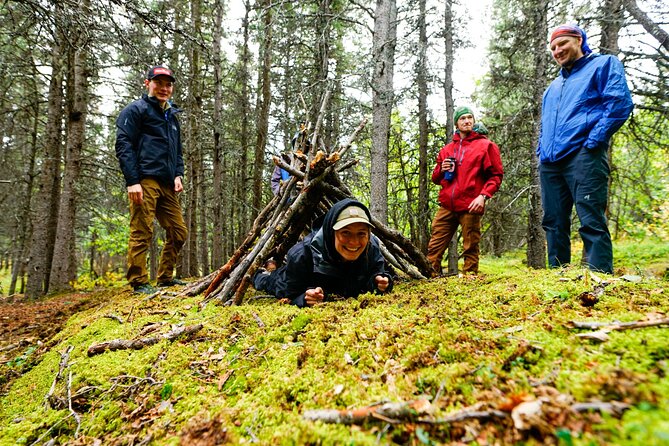
The shelter exercise uses natural debris. Your group works together on a debris hut intended to be warm enough to sleep in without a sleeping bag or sleeping pad. That is a useful change of scale. You are not merely looking at a finished shelter and being told how it works. You see how much labor goes into making a basic structure usable.
Do not expect to finish a fully enclosed hut during a four-hour session. The time also includes plant identification, fire instruction, and survival planning. One participant felt that completing the debris shelter would have been fun, but recognized that the project could have taken the entire workshop.
That limitation is worth understanding before you book. If you want a long building project, this class may feel rushed. If you want a broad introduction to several survival skills, the unfinished shelter is a fair trade. You get a look at the method and the priorities without spending the whole day gathering material.
The shelter lesson is also where footwear and clothing matter most. You may spend time moving around the forest floor and handling natural debris. Dress for work, not for a short stroll from a parking area.
Making fire with a shoelace and a bow drill
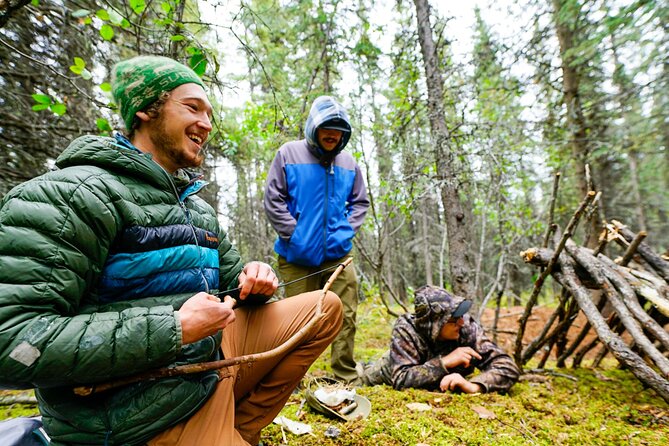
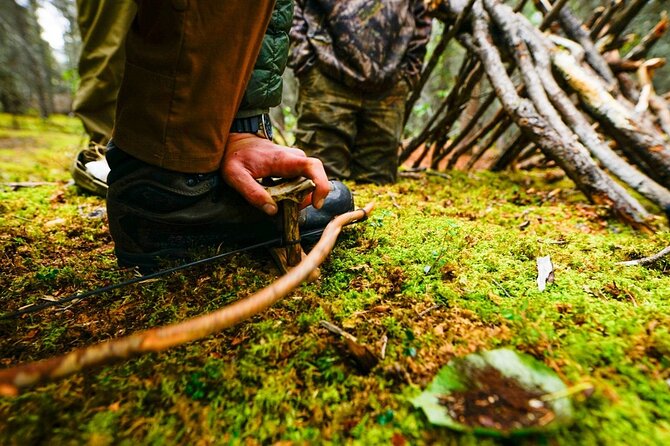
Fire-making is the workshop’s most memorable practical challenge. Jade shows you how to start a fire using nothing more than a shoelace. The exact process requires patience and teamwork, so do not expect an instant flame just because you have seen the technique demonstrated.
The activity can also include a bow drill. An 11-year-old participant received help from Jade while learning this method, which suggests that younger members of the group can take part when they have the interest and ability to follow instructions.
This is a good example of the workshop’s tone. You are not being asked to prove that you can survive alone in Alaska by the end of the afternoon. You are learning how simple tools, friction, dry materials, and steady effort work together. The lesson is more useful if you pay attention to the preparation, not just the moment when smoke appears.
Fire skills can also expose the limits of a short class. Each person may not get a long solo attempt, especially with up to 11 people in the group. Expect shared practice and guided instruction rather than a private coaching session for every technique.
Still, this part earns its place in the schedule. Fire provides warmth, light, cooking potential, and a morale boost in a survival situation. The workshop links that basic need to the materials available around you.
Same trailhead, a different sort of day:
- Lower Antelope Canyon Hiking Tour
★ 5.0 · 6,216 reviews - Boston Freedom Trail Walking Tour with Costumed Guide
★ 4.5 · 2,531 reviews - Small Group: Valley of Fire Half Day Tour from Las Vegas
★ 5.0 · 2,130 reviews - Multnomah Falls and Columbia River Gorge Half-Day Hiking Tour
★ 5.0 · 2,108 reviews
The first five days of a survival situation
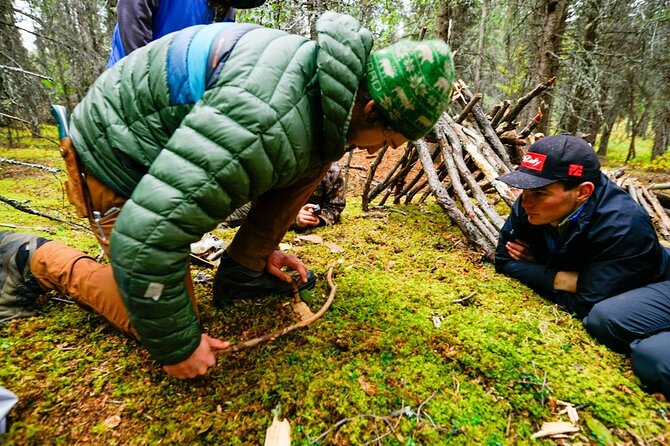
The course also covers what to do during the first five days of an emergency. This gives the activities a sensible order. You are not just collecting outdoor tricks. You are learning how to think through the early stages of a serious problem.
The information is especially useful for people who spend time hiking or camping but have never considered what happens after a missed turn, sudden weather change, or damaged equipment. The shelter and fire exercises show two immediate concerns, while the plant discussion helps you notice food sources and hazards.
Keep your expectations realistic. Four hours cannot provide a complete survival education, and the course does not replace proper backcountry preparation. You should not treat one workshop as a license to travel unprepared into remote country.
What it can do is make basic priorities more concrete. You see why location matters, why warmth comes before comfort, and why a calm plan is more valuable than panic. That kind of understanding is a worthwhile addition to a Denali trip, especially if your usual holiday activities stay close to roads and established facilities.
What is included, and what you should bring
The $259 price includes the four-hour instruction, hotel pickup, trekking poles, binoculars, and rain jackets. Snacks are available, but lunch is not included. Bring your own meal if you need something more substantial.
The loaner gear adds real value, particularly for people who are packing light for an Alaska holiday. Binoculars may be useful on the walk, while trekking poles can make uneven ground easier. A rain jacket is another practical backup in a place where weather can shift.
You should still bring suitable personal clothing. I would pack:
- Sturdy hiking boots
- Warm socks
- A full lunch if you want more than snacks
- Comfortable outdoor clothing suited to changing weather
The provided rain jacket does not remove the need to dress sensibly. You will be outside for several hours, and the workshop depends on good weather.
Is $259 a fair price?
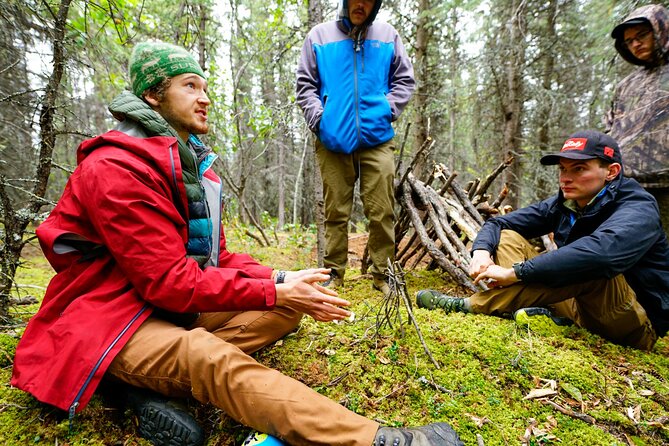
At $259 per person, this is not a budget walking tour. The value depends on how much you want active instruction rather than sightseeing. You are paying for pickup, a small group of no more than 11, equipment loans, and several different practical lessons led by a survival guide.
I think the price makes more sense for people who would otherwise buy several separate activities. In one half-day session, you get a forest walk, wild-food instruction, fire-making, shelter work, and a discussion of survival priorities. The short format also leaves time for another Denali activity on the same day.
The price may feel high if you mainly want scenery or a gentle nature walk. You can find less expensive ways to spend four hours outdoors, and this workshop includes physical work that some people may not enjoy. It is best value for you if the skills themselves are the reason for booking.
The small group helps. With 11 people or fewer, Jade can answer questions and assist with hands-on tasks. It is not a private lesson, but it is more personal than a large group presentation.
Who will enjoy this Denali survival workshop?
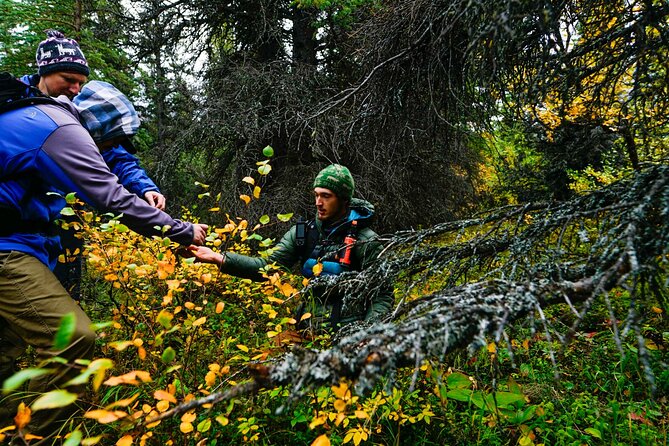
This experience suits you if you like learning by doing. Families with older children may find it especially engaging, since the fire exercise can include younger participants with adult support. It also fits hikers, campers, outdoor beginners, and anyone curious about the skills used by Athabaskan peoples, pioneers, and later survivalists in Alaska.
You do not need to be an expert. The tour is designed as an introduction, and most people can participate. You do need to manage a hike of about a mile or two and be comfortable spending time outdoors.
I would think twice if you have limited mobility, dislike damp or uneven conditions, or want a relaxed ride with almost no walking. I would also skip it if your main goal is wildlife viewing. Binoculars are included, but the central purpose is survival instruction, not animal spotting.
This is also not a replacement for a multi-day wilderness course. You get a useful beginning, not a certificate of backcountry readiness. Take notes, ask questions, and treat the skills as a foundation for further learning.
Pickup, group size, and weather planning
Pickup is offered from your hotel, which is convenient in the Denali area. The exact pickup time and details are finalized the day before, so you will not necessarily have the full schedule far in advance.
The group can include up to 11 people. That is large enough for a social session but small enough for the guide to demonstrate and assist. If you are booking with family or friends, the shared shelter and fire tasks give you something to work on together.
The activity requires good weather. If conditions force a cancellation, you are offered another date or a full refund. You can also cancel for a full refund if you do so at least 24 hours before the start time. Changes or cancellations made less than 24 hours before the start are not accepted for a refund.
Should you book Denali Primitive Survival?
Book it if you want to understand Denali through practical skills rather than only through views and photos. The combination of edible plants, mushroom safety, fire-making, a debris shelter, and first-five-days planning gives you a useful introduction in a manageable four-hour format.
I would book it with good boots, warm socks, lunch, and realistic expectations. You may not complete the shelter, and each person may not get unlimited time with every tool. But you will leave with a clearer sense of how people use the forest, how quickly comfort becomes a priority, and why small decisions matter in the wilderness.
Skip it if you cannot hike a mile or two, want a full meal included, or prefer a sightseeing trip with little hands-on work. For curious outdoor beginners and families who enjoy learning together, this is one of the more distinctive ways to spend part of a Denali visit.
FAQ
How long does Denali Primitive Survival last?
The experience lasts approximately four hours.
Where does the workshop take place?
The guide takes you into the woods just outside Denali National Park.
Is hotel pickup available?
Yes. Pickup is offered, and your guide will contact you the day before to finalize the pickup time and details.
How many people can join the workshop?
The maximum group size is 11 people.
What skills will I learn?
You will learn about edible plants and berries, mushrooms to avoid, shelter-site selection, debris shelter building, fire-making with basic materials, and priorities during the first five days of a survival situation.
Do I need to bring lunch?
Lunch is not included. Snacks are available, but you should bring your own full meal if you want one.
What equipment is provided?
The tour provides trekking poles, binoculars, and rain jackets. You should still bring sturdy hiking boots and warm socks.
Can I cancel for a refund?
Yes. You can cancel at least 24 hours before the experience start time for a full refund. If poor weather causes the operator to cancel, you will be offered another date or a full refund.
Just added around the USA
- Ketchikan Rainforest Canoe and Nature Walk★ 4.5 · 89 reviews
- Alaskan Escape: Cruise, Hike, and Cultural Immersion★ 5.0 · 3 reviews
- Hike and Bike Kelleys Island Trails★ 5.0 · 13 reviews
- Private Waterfalls Hike and Swim in Lihue★ 5.0 · 38 reviews
- Kansas City Crossroads Art District and Westside Urban Hike★ 5.0 · 22 reviews
- Strawberry Hill and Downtown KCK Hike★ 5.0 · 18 reviews
- Juneau Shore Excursion: Mendenhall Glacier Canoe, Paddle and Hike★ 5.0 · 75 reviews
- Norris Adventure: Seaplane, Paddle and Glacier Hike★ 5.0 · 12 reviews
USA Hiking Tours, compared.

Small Group: Valley of Fire Half Day Tour from Las Vegas
Read our review →
Multnomah Falls and Columbia River Gorge Half-Day Hiking Tour
Read our review →
San Francisco: Yosemite National Park & Giant Sequoias Hike
Read our review →

Small Group Waterfall and Rainforest Hiking Adventure on Maui
Read our review →
Kauai Adventure: Kayak & Hike to Secret Falls with Expert Guide
Read our review →Browse the lists this tour appears in