
REVIEW · ARUSHA
5 days safari, hiking & culture (Serengeti & kilimanjaro)
The real draw here is the range. In five days, you move from Tarangire’s elephant country to the Ngorongoro Crater and the open plains of the Serengeti, then trade the safari vehicle for a waterfall hike, coffee lesson, and hot-spring swim. That is a lot of Tanzania in one trip.
I like the practical value: all meals, camping gear, park fees, and binoculars are included, and the private format means your group is not mixed with strangers. I also like the final day near Kilimanjaro, which gives you local life and active time after several days in a vehicle. The main drawback is the pace. Long drives, early starts, camping, and days of up to 12 hours will suit energetic visitors much better than anyone seeking a slow holiday.
Key points at a glance
- Four distinct sides of Tanzania: See Tarangire, Ngorongoro, Serengeti, and the Kilimanjaro area in one compact trip.
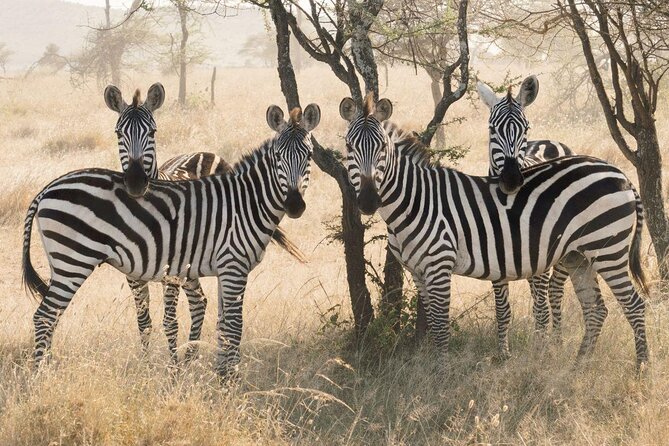
- A strong wildlife route: Expect good chances for lions, cheetahs, leopards, elephants, buffaloes, zebras, wildebeest, gazelles, and possibly black rhinos.
- Camping under the stars: You sleep at campsites, where hyenas and other animals may be heard or seen nearby, with active ranger protection.
- A useful cultural add-on: The optional $20 Maasai village visit gives you time with local residents and an introduction to Maasai customs.
- A varied final day: Materuni Waterfalls, a coffee farm lesson, and Kikuletwa hot springs break up the safari routine.
- Good value at $1,950: Meals, taxes, equipment, and park fees are covered, but confirm the exact accommodation and transport setup before booking.
Why this five-day route works

This is not a single-theme safari. It combines game drives, nature, culture, walking, food, and rest. I like that balance because five full days in a safari vehicle can become tiring, even when the animals are excellent.
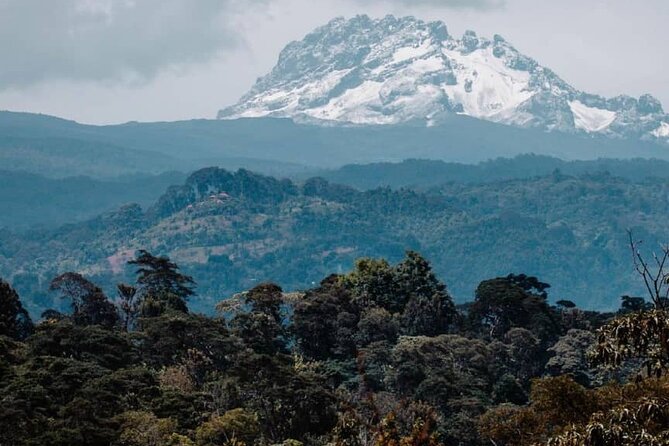
You begin around Arusha or Moshi and finish with a full day in the Kilimanjaro area. The route covers some of northern Tanzania’s best-known sights without requiring a separate multi-day climb of Mount Kilimanjaro. That distinction matters: this is a Kilimanjaro-area day trip with hiking at Materuni, not a summit expedition.
The tour costs $1,950 per person. That is a serious amount of money, but it includes the major items that can quickly add up on a safari: park fees, camping equipment, meals, taxes, and a private group arrangement. You should still ask what type of vehicle and campsite are planned, since those details affect comfort more than the headline price.
The company has used guides named Innocent, Cheddy, Chadi, Omar, Lucas, Lewis, and Vincent on different departures. Their roles have included animal spotting, safe driving, trip organization, and answering questions about the parks. Your assigned guide may be different, so ask for the name and language options before departure if that matters to you.
More Safari Days in Arusha:
- 6 Days Serengeti Safari(hiking waterfalls &coffee tour)
★ 5.0 · 48 reviews - Rainforest Hike and Waterfall Safari
★ 5.0 · 567 reviews - Howth Safari Hiking Tour
★ 5.0 · 279 reviews
Day 1: Tarangire and the first game drive
Pickup is offered from your hotel in Arusha or Moshi, with a listed start time of 7:30 a.m. From there, the drive to Tarangire takes about two hours. That makes this a fairly direct first safari day, although the full schedule runs about nine hours.
Tarangire is a good opening park because you can begin looking for both predators and large herbivores right away. The planned search includes lions, cheetahs, leopards, elephants, wildebeest, buffaloes, zebras, and gazelles. No guide can promise a particular sighting, but the route is built around a broad mix of animals rather than one narrow target.
You will spend much of the day in the vehicle, moving between areas where wildlife may gather. Keep your binoculars close. They are included, and they are useful for scanning distant animals, birds, or movement in the trees.
The drive ends at your accommodation or campsite in the evening. Since this is a camping trip, confirm before booking whether you will sleep in tents throughout and what facilities are available at each stop. The supplied information confirms camping equipment, but it does not describe tent types, showers, toilets, or bedding in detail.
Day 2: Ngorongoro views, Maasai culture, and the Serengeti
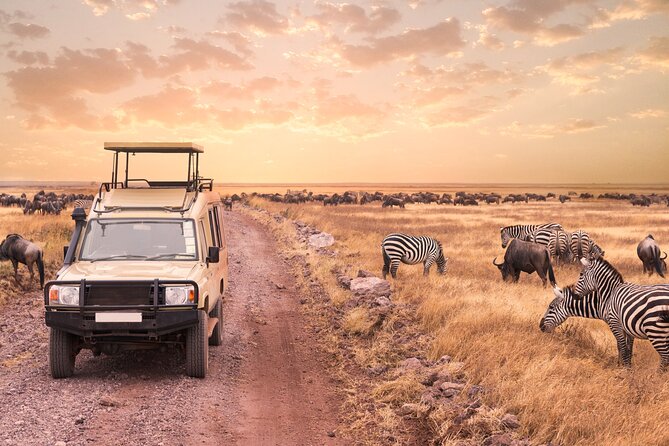
Day 2 is the longest transfer day, listed at about 10 hours. It begins with a stop at the Ngorongoro viewpoint, where you look across the crater from above. Allow about 30 minutes here. The view is a powerful introduction to the scale of the crater, even before you reach its floor.
The optional Maasai village visit takes about 45 minutes and costs an additional $20. This is not included in the tour price, so carry the fee if you want to take part. You will hear about Maasai life, traditions, and the older warrior culture associated with lion hunting. The description also notes that some past customs have changed, so expect an introduction to present-day culture rather than a staged claim that every old tradition continues unchanged.
I like having this choice. Some people want every minute for wildlife, while others value direct contact with local communities. The visit is short, so it will not transform the trip into a full cultural program, but it gives the day a human dimension.
Afterward, you continue toward the Serengeti and arrive in the afternoon. The plan calls for a game drive in Seronera, the central Serengeti area, continuing into the evening. This is one of the best parts of the schedule because you may see animals in changing light and possibly watch a predator hunt or feed.
You then head to the Seronera campsite. Animals can be visible around camp, especially hyenas, and active rangers provide protection. That does not mean you should walk around freely at night. Follow camp instructions, stay alert, and ask your guide before leaving your tent area.
Day 3: Early Seronera sightings and the road out
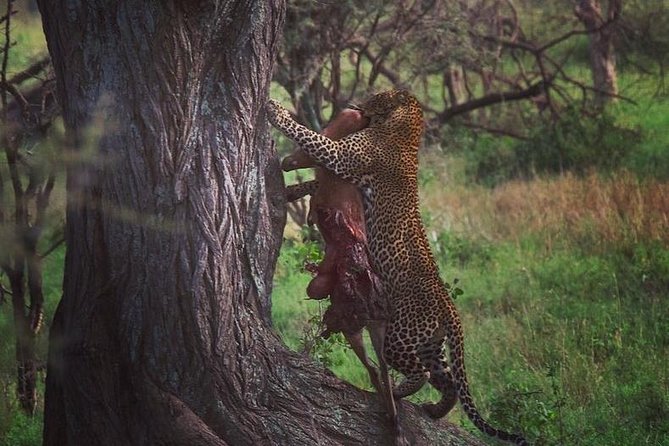
Day 3 begins with an early breakfast and an early game drive. This is worth the lost sleep. Early hours can offer good viewing conditions, and the schedule gives you time to look for animals before the day’s heat builds.
The drive continues until afternoon, when you return to camp for lunch. Later, you begin leaving the Serengeti and drive toward Simba campsite. At about 12 hours, this is the toughest day physically. You will spend a long time seated on rough roads, with the possibility of several stops for animals along the way.
The schedule notes that wildlife can appear near campsites. That makes camp a place to observe carefully, not just a spot to eat and sleep. Keep a safe distance, never approach an animal, and listen to the staff.
This day is where you need realistic expectations. A safari is not a zoo visit with fixed viewing times. Some stretches may feel quiet, then a guide may spot movement far away or turn the vehicle toward an unexpected sighting. A good guide matters greatly here. Guides connected with this operator, including Innocent and Cheddy, have been praised for spotting animals, answering detailed questions, and positioning vehicles well. Ask your guide how the day’s route is being adjusted rather than expecting a rigid timetable.
A few more hikes around Arusha worth a look
- 5-Day Desert Hiking Adventure from Merzouga
★ 5.0 · 13 reviews - 5 Days Hiking, Tour, Meditation and Yoga Retreat in Kathmandu, Nepal
★ 5.0 · 10 reviews - Garden Route 5 Day Hiking & Safari Adventure from Cape Town
★ 5.0 · 5 reviews - Mt. Kenya hike: 5 Days Hike to Lenana Peak Via Sirimon route
★ 3.8 · 4 reviews
Day 4: The Ngorongoro Crater and the search for rhinos
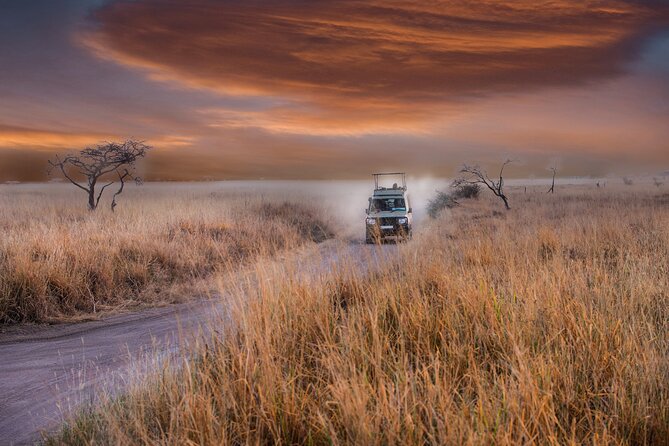
The itinerary returns to Ngorongoro on Day 4, with an early breakfast followed by a descent into the crater. The crater is described as home to more than 30,000 animals, and its enclosed floor can make wildlife viewing feel concentrated compared with a wide-open plain.
You will look for black rhinos, which are among the hardest animals to spot in the area. This is an important point: the crater may offer excellent general wildlife viewing, but rhinos are not guaranteed. Bring patience and use the guide’s eyes and binoculars.
The day includes a game drive and lunch before you ascend to camp and prepare for the journey back toward Arusha. It runs about nine hours. The repeated movement between crater, campsite, and town means the trip is efficient rather than relaxed, but it also lets you fit the crater into a short schedule.
The Ngorongoro section has two different pleasures. The viewpoint gives you the grand picture, while the crater floor brings you closer to the animals. Seeing both is more satisfying than treating the crater as a quick photo stop.
Day 5: Materuni Waterfalls, coffee, and Kikuletwa
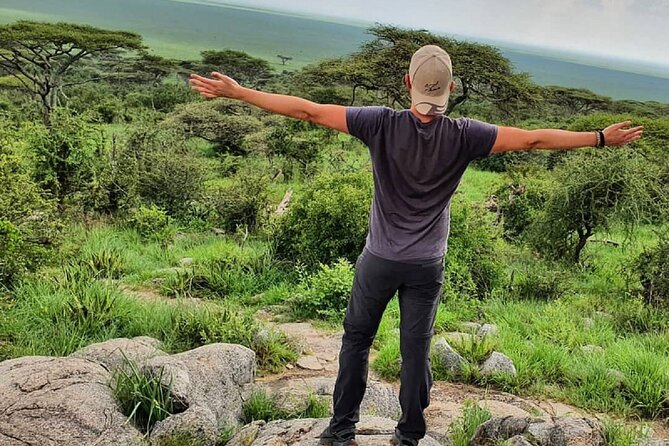
After breakfast, you head toward the Kilimanjaro area and join local activities in Materuni village. The hike to Materuni Waterfalls takes about two hours and 40 minutes. This is the most active section of the trip, so wear shoes suitable for a sustained walk and expect a change from vehicle-based sightseeing.
The appeal is the contrast. After several days of roads and game drives, you get time on foot among village scenery and natural surroundings. The supplied schedule calls this a peaceful walk with views and scenery, but the exact trail conditions can vary. If you have mobility concerns, ask the operator for current guidance before booking.
Next comes a local coffee farm visit. You learn how coffee is planted and processed, then take part in making your own cup. I like this because it turns a familiar drink into a practical lesson. You are not simply looking at crops from a vehicle. You are shown the work behind the final cup and take part in the process.
The final stop is Kikuletwa hot springs, where you can swim and rest before returning to your hotel in the evening. After four demanding safari days, this is a sensible finish. It gives you a chance to relax rather than ending with another long animal search.
The day is listed at about eight hours. Admission is not separately listed as included for these stops, so ask whether every activity and transfer is covered in your booking price.
Food, camping, and daily comfort
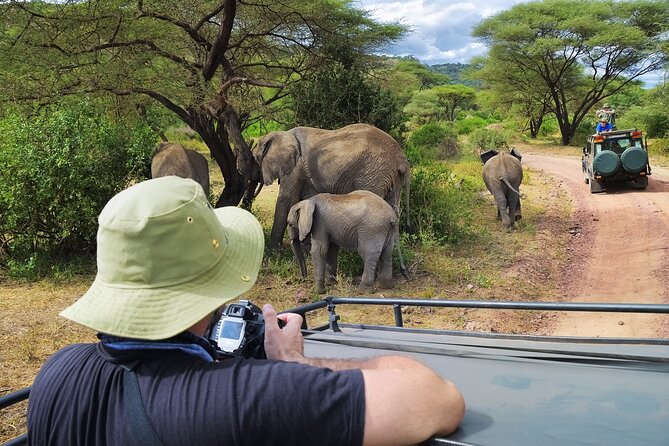
All meals are included, with five lunches, four dinners, and four breakfasts listed, along with dietary requests handled if you communicate them in advance. That is valuable on a route with long days and limited opportunities to choose restaurants.
Food has been a strong part of the operator’s past trips, with enough meals to keep people going through full game-drive schedules. Still, tell the company about allergies, vegetarian requirements, or other restrictions before arrival. Do not wait until the first breakfast.
Camping equipment is included, but onboard restrooms are not. The practical result is that you should plan for breaks at camps, park facilities, or other stops rather than expecting a toilet in the safari vehicle.
The experience is private, meaning only your group takes part. That can make a large difference. You can ask questions, adjust the pace within reason, and avoid being placed with an unrelated group. It does not remove the long drives, but it can make them easier to manage.
Who will enjoy this trip most
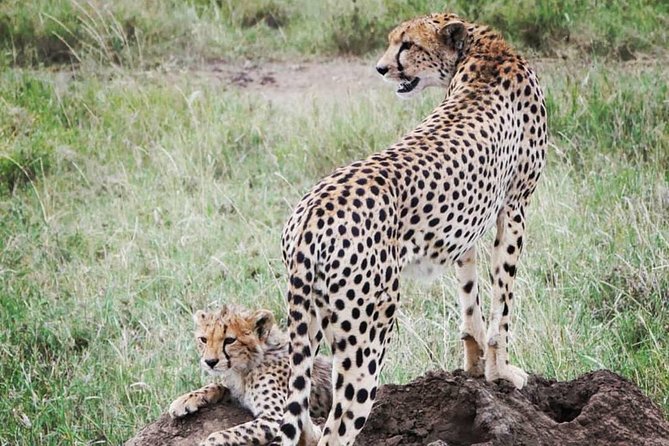
I would choose this tour if you want a first taste of northern Tanzania and care more about variety than luxury. It suits people who want major wildlife parks, camping, local culture, a waterfall walk, coffee, and hot springs without arranging several separate tours.
It also suits solo visitors and small private groups who want the support of a guide and organized transport. Past departures have included solo participants, families, older adults, and younger adults, with the operator adapting activities across longer trips. This five-day route still contains strenuous or tiring stretches, especially the 12-hour Day 3 and the nearly three-hour waterfall hike.
I would hesitate if you want lodges, short drives, guaranteed animal sightings, or a slow pace. The days are packed, and the accommodation details are not specific enough to assume a high level of comfort. Ask direct questions about sleeping arrangements, washing facilities, vehicle seating, and how many people will share the vehicle.
Booking value and practical details
At $1,950 per person, the strongest value comes from what is already bundled: taxes, park fees, camping equipment, binoculars, meals, and private participation. The price also buys a route that would be complicated to arrange independently, particularly the park entries, campsite movements, and guide-led wildlife drives.
The weaker point is that some useful details are not stated. Confirm the exact accommodation, vehicle type, group size, drinking water arrangements, and whether the $20 Maasai village fee is the only extra charge. Also confirm how the Kilimanjaro-area activities are priced, since admission is listed as free in the schedule but individual arrangements can vary.
Pickup is offered, with a 7:30 a.m. start. Confirmation is provided at booking. Most people can participate, but the itinerary requires long sitting periods, early mornings, camping, and a substantial hike.
Free cancellation is available if you cancel at least 24 hours before the local start time. Changes made inside that window are not accepted, and poor weather or failure to meet the minimum number of participants can lead to a new date, a different experience, or a full refund.
Should you book the five-day safari?
Book it if you want a broad northern Tanzania sampler and are happy to trade polish for range. The combination of Tarangire, Serengeti, Ngorongoro, Materuni, coffee, and Kikuletwa is the strongest reason to choose it.
Before paying, get the camping and vehicle details in writing, then tell the company about your diet and any mobility limits. If the answers suit you, $1,950 can be fair value for an active private trip with meals and major fees covered. If you want a gentler safari with lodge comfort, spend more days in fewer parks instead.
FAQ
Where does the tour start?
Pickup is offered from hotels in Arusha or Moshi. The listed start time is 7:30 a.m.
How long does the tour last?
The tour lasts approximately five days. Daily activities range from about eight to 12 hours.
Is this a private tour?
Yes. Only your group will participate in the private tour or activity.
Are meals included?
Yes. The package lists five lunches, four dinners, and four breakfasts. Dietary requirements can be accommodated if you communicate them in advance.
Is the Maasai village visit included?
No. The visit is optional and has a separate $20 entrance fee.
Is camping equipment included?
Yes. Camping equipment is included in the tour price. The available information does not specify the exact tent or campsite facilities.
Are park fees and taxes included?
Yes. All fees and taxes are included, along with binoculars.
What happens if I need to cancel?
You can receive a full refund if you cancel at least 24 hours before the experience start time. Cancellations or changes made less than 24 hours before the start are not accepted for a refund.
Just added around Arusha
- 4 Day: Hiking Mount Meru★ 5.0 · 3 reviews
- Kilimanjaro Waterfalls Hike & Moshi Hot Springs Day Trip Tour★ 5.0 · 4 reviews
- Private Materuni Waterfalls Hiking and Coffee Tour★ 5.0 · 4 reviews
- Materuni Waterfall Hike & Coffee Tour★ 5.0 · 4 reviews
- 7-Day Mt. Kilimanjaro Hiking: Machame Route★ 5.0 · 3 reviews
- Private Day Tour and Hike in Kilimanjaro National Park★ 5.0 · 3 reviews
- Day Hike to Mount Kilimanjaro (Mandara Hut)★ 5.0 · 6 reviews
- Day Hike to Mount Kilimanjaro, Local experience and Chagga Culture★ 5.0 · 6 reviews
Arusha Hiking Tours, compared.
Private Full Day Hiking Experience to Marangu Route
Read our review →
From Arusha/Moshi: Kilimanjaro Hike Marangu Route Day Trip
Read our review →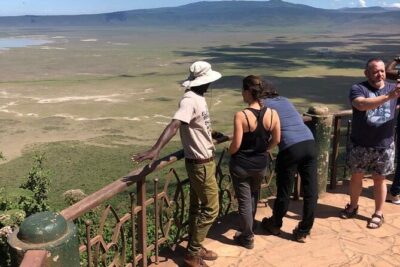
4 days Best experience Kilimanjaro Hike, Serengeti &Ngorongoro
Read our review →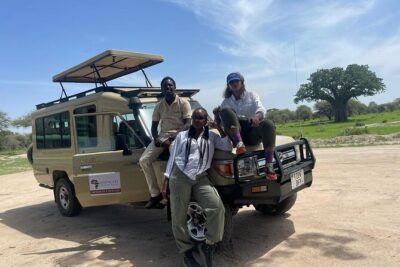
6 Days Serengeti Safari(hiking waterfalls &coffee tour)
Read our review →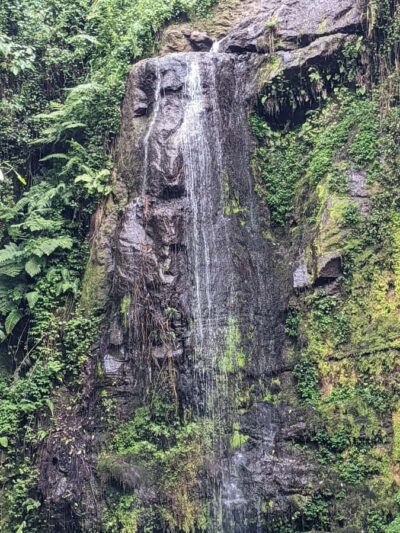
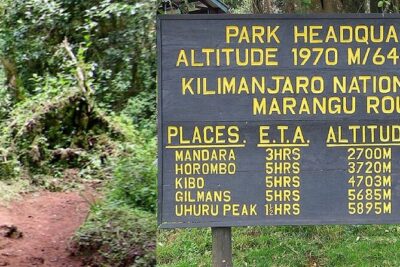
Mount Kilimanjaro Day Hike Through Marangu Route to Mandara Hut
Read our review →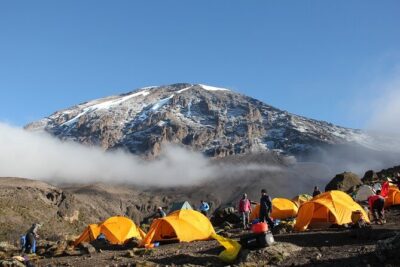
Browse the lists this tour appears in