
REVIEW · ARUSHA
6 Days: Hiking Kilimanjaro via Machame Route
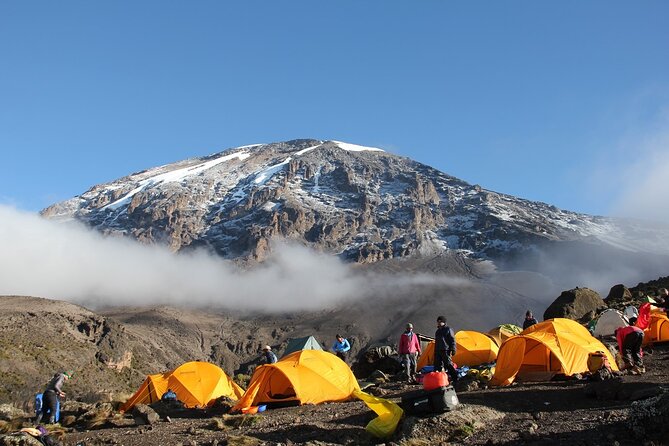
Mount Kilimanjaro saves its biggest test for the end, but the Machame Route gives you a fine preview of the mountain’s changing world. In six days, you move from rainforest and colobus monkeys to heather, moorland, alpine desert, glacier country, and the 5,895-meter summit of Uhuru Peak.
I like the route’s variety, and I like that the price includes the costly basics: park and rescue fees, mountain tents, meals, purified water, airport transfers, and an experienced guide team. Gasto is the guide most closely associated with this operation, and the trip’s strongest praise centers on his energy, encouragement, local stories, and calm support during the summit push.
The main drawback is simple: six days is a tight schedule for a very high mountain. The route is steep, the summit night begins around midnight, and the itinerary gives you less time to adjust to altitude than longer Kilimanjaro routes. You need solid fitness, patience, and a willingness to turn around if your body says no.
Key things to know before booking
- Machame gives you major scenery changes: rainforest, Shira Plateau, Barranco Valley, alpine desert, and the Kibo summit zone.
- The Barranco Wall is a hands-on section: you will use steady footing and may need help from your guides.
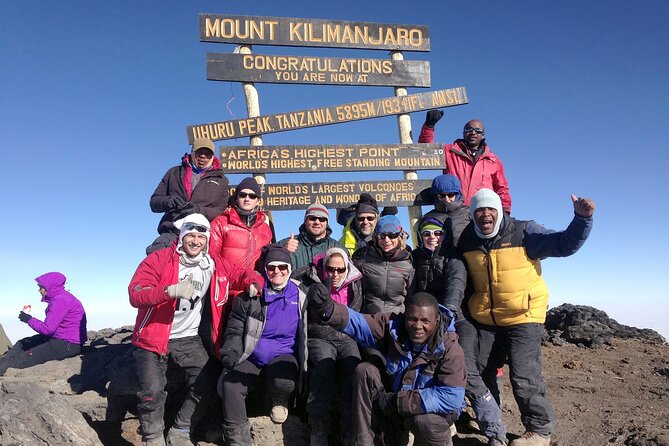
- Summit night is the real test: expect a dark, cold climb over scree to Stella Point, followed by the push to Uhuru Peak.
- Gasto and the support crew are central to the experience: personal encouragement and group spirit receive the strongest praise.
- The $1,950 price covers many major costs: park fees, rescue fees, tents, meals, drinking water, airport transfers, and camp equipment.
- You must bring or rent your own climbing gear: personal gear is not included, and tips and a Tanzania visa are extra.
What six days on Machame really means
The Machame Route is often chosen for its scenery and sense of progression. You do not simply walk uphill through one unchanging zone. The mountain keeps rewriting the view, and each day feels different from the last.
That variety comes with steep sections and substantial altitude gain. The route begins at the edge of Kilimanjaro National Park and finishes at Mweka Gate, with nights spent in tents rather than permanent huts. You will eat in a mess tent with tables and chairs, then sleep in a private, waterproof mountain tent.
The phrase private mountain sleeping tents needs a little context. It means the tents are supplied for your group and are designed for mountain conditions, not that you receive a hotel room in the forest. This is still a camping trip at high altitude, with early starts, basic camp life, and weather that can change quickly.
The operation is described as a private activity, so only your group takes part. That can make a real difference on a difficult climb. Your guide can keep the pace focused on your party, and the group can develop its own rhythm rather than being folded into a large crowd.
A few more hikes around Arusha worth a look
- 6 Days Serengeti Safari(hiking waterfalls &coffee tour)
★ 5.0 · 48 reviews - Kayak,Raft,Hiking,Canyon Exploration in Albania -6 day tour
★ 5.0 · 22 reviews - Nature Walking tour in the Mediterranean Cyprus-6days
★ 5.0 · 8 reviews
Day 1: Kilimanjaro gate to Machame Camp
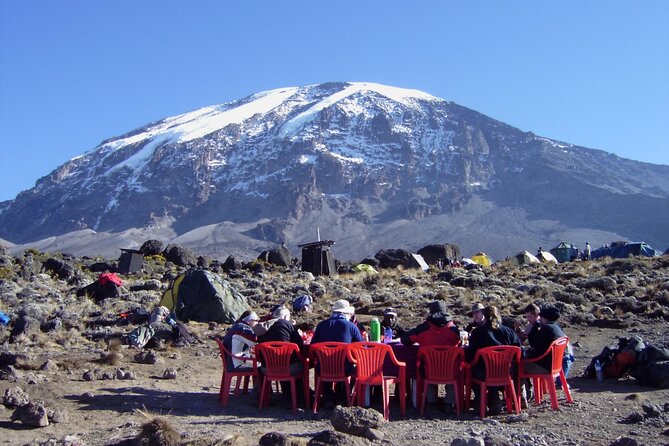
Pickup is offered, with the listed start time at 7:30 am. The drive to Kilimanjaro National Park takes about an hour, after which you begin walking through the lower forest.
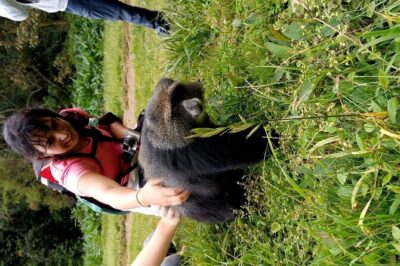
This opening section is a pleasant introduction to the mountain, but do not mistake it for a gentle stroll. The path rises steadily, and the full day is listed at roughly five to six hours of walking. The forest is the reward for starting low. You may see black and white colobus monkeys watching from the trees, a memorable first sign that this climb is also a wildlife experience.
The route description refers to the direction of Shira Cathedral before placing the night at Machame Camp, around 3,010 meters. The practical point is that you spend the first day gaining height through thick forest and reach camp above the main tree line.
At camp, dinner and sleep come after a useful first test of your legs. I would treat this day as a pacing lesson. Walk slowly from the start, drink regularly, and do not spend your energy trying to prove your fitness to the group.
Day 2: Heather, steep ridges, and Shira Camp
After breakfast, the forest gives way to heather and moorland. The trail crosses a small valley, then follows a steep, rocky ridge covered with heather before turning west toward a river gorge.
This is one of the days when the Machame Route feels properly mountainous. The vegetation becomes shorter and more open, and the views can include the Shira Ridge and, at times, Mount Meru. The path is not technically described as a climb requiring ropes, but steep rocky ground demands careful steps and a steady pace.
The walk takes about five to seven hours, with the night at Shira Hut Campsite at approximately 3,845 meters. That altitude is high enough for you to notice the difference, even if you are fit. A moderate fitness level is required, but fitness alone does not prevent altitude problems. Keep your guide informed if you develop a headache, nausea, unusual tiredness, or trouble breathing.
The camp’s position gives you an important adjustment night before the route rises higher. Your guides will be watching the group, but you also need to speak up. Quietly hiding symptoms is not courage on Kilimanjaro. It is poor mountain judgment.
Day 3: Lava Tower, alpine desert, and Barranco Valley
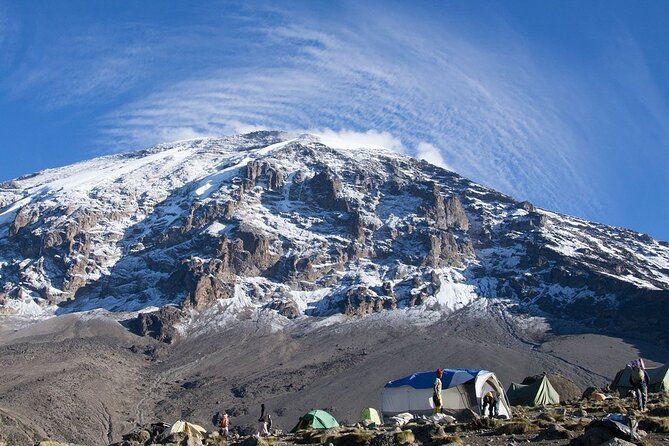
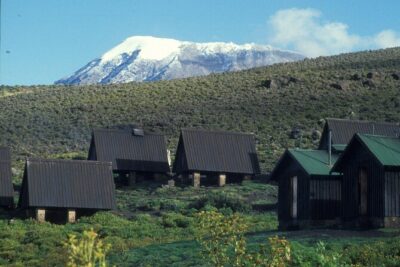
Day 3 is one of the best examples of the route’s design. You climb above the Shira Plateau toward Lava Tower at 4,640 meters, where the vegetation thins and the mountain becomes stark and dry.
The day is listed at six to seven hours. You may feel the altitude here, even if the walking itself does not look dramatic on paper. The point is not only to reach Lava Tower. You then descend toward Barranco Valley, giving your body some time lower down after spending part of the day high.
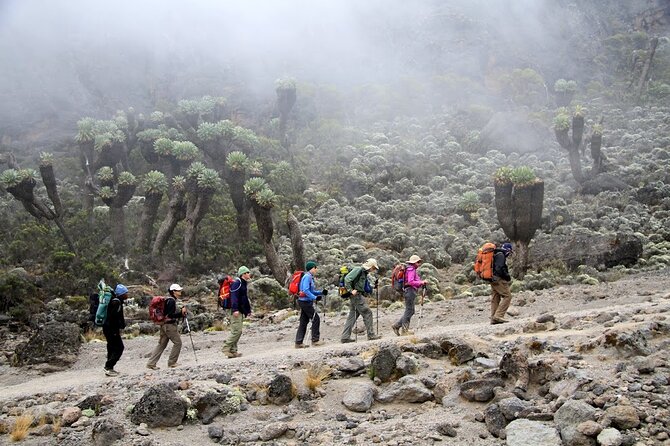
The surroundings shift into alpine desert, with broad open ground and fewer plants. In the Barranco Valley, giant senecio and lobelia plants add strange, almost prehistoric shapes to the route. This is the sort of detail that makes the Machame Route more than a basic summit staircase.
Barranco Camp is described as the most beautiful camp on the mountain, and its setting is certainly one of the trip’s highlights. The camp also prepares you for the next morning, when you face the Barranco Wall. After a long day at altitude, the tent and mess tent become especially valuable. A hot meal and a proper place to sit can feel like serious equipment.
Same trailhead, a different sort of day:
- Mountain Kilimanjaro Day Hike
★ 5.0 · 102 reviews - Private Full Day Hiking Experience to Marangu Route
★ 5.0 · 61 reviews - From Arusha/Moshi: Kilimanjaro Hike Marangu Route Day Trip
★ 4.5 · 54 reviews - 4 days Best experience Kilimanjaro Hike, Serengeti &Ngorongoro
★ 5.0 · 54 reviews
Day 4: The Barranco Wall and Barafu Camp
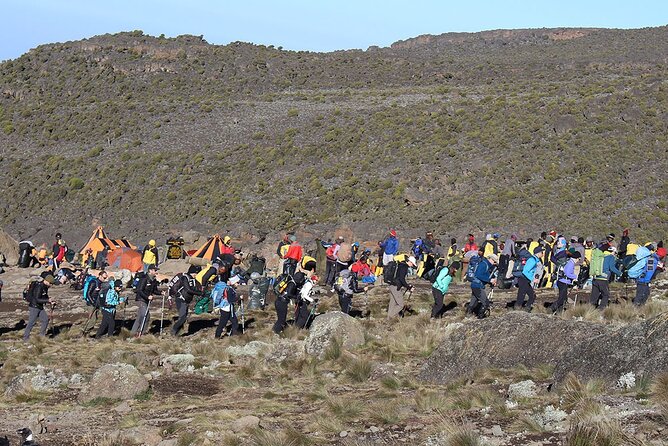
The Barranco Wall is the route’s most obvious hands-on passage. You need a steady hold and careful foot placement, but the guides assist where needed. The climb is not presented as a technical rock climb, yet it can feel exposed and awkward if you are not used to steep ground.
This is a good day to listen to your guide rather than rush. Put one foot where you are shown, keep your hands free when possible, and let faster members of the group move ahead if needed. Gasto and the guide team receive repeated praise for encouragement during hard sections, and this is exactly the sort of terrain where that support matters.
Once above the wall, you descend through the Karanga Valley and stop for lunch. Then comes another two to three hours of climbing to Barafu Camp at about 4,640 meters. The total walking time is listed at roughly six hours, but the day can feel longer because it combines a steep morning obstacle, a descent, and a final climb.
Barafu means that the big push is close. You have an evening meal, take an early night, and try to rest before the midnight start. Sleep may be difficult at this altitude. Do not worry if you do not sleep perfectly. Lying down, keeping warm, and conserving energy still help.
Day 5: Midnight to Uhuru Peak, then down to Mweka
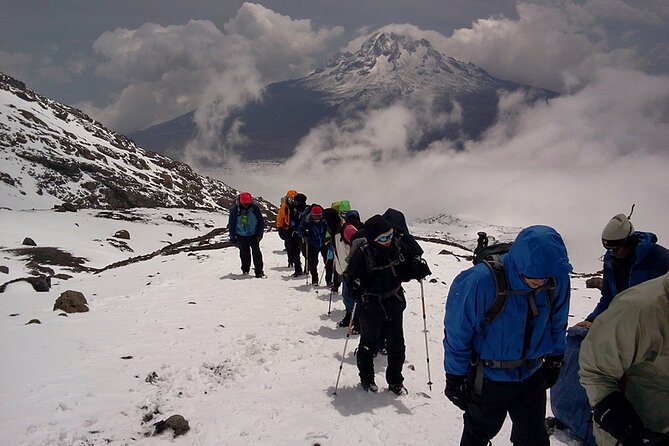
This is the day that tests your legs, lungs, focus, and mood. Around midnight, you receive hot tea and light snacks, then begin climbing in darkness with a headlamp.
The trail rises over the scree of Kibo toward Stella Point. The climb to Stella Point is listed at about five to seven hours. Scree is loose volcanic rock, so progress can be slow and frustrating. Your guide will likely set a measured pace. This is where the familiar mountain rhythm of slow walking matters most.
From Stella Point, you follow the crater ridge to Uhuru Peak at 5,895 meters. The reward is a 360-degree view from the Roof of Africa, though the cold and fatigue may limit how long you want to linger. Take your summit photographs, appreciate the moment, and follow the guide’s advice about moving on.
The descent follows the same route back to Barafu Camp, where you have a warm meal and a chance to rest. Then you continue to Mweka Hut Campsite at about 3,080 meters. The itinerary gives approximately five hours for this later journey, making Day 5 an exceptionally long physical effort even though the listed stop duration says six hours.
You should understand this clearly before booking: the summit day is not just a morning climb followed by a free afternoon. It includes the midnight ascent, the descent to Barafu, and the continued walk to Mweka. The emotional high of reaching Uhuru Peak arrives alongside real exhaustion.
Day 6: Rainforest descent and Mweka Gate
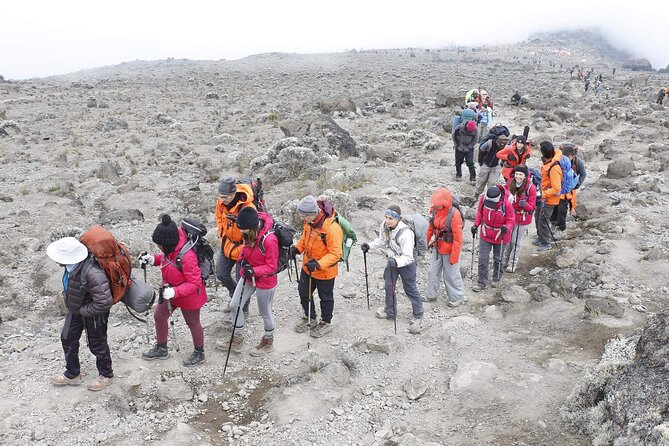
The final morning brings you back into rainforest as you descend to Mweka Gate. The route is gentler than summit day, but tired knees and sore feet can make downhill walking surprisingly demanding.
At the gate, the group gathers to congratulate those who completed the climb. You receive a certificate and have a chance to write in the guest book. The driver then takes you back to your hotel.
This closing ritual is simple, but it gives the trip a clear finish. After several nights above the trees, walking among heather, rock, and alpine desert, returning to the forest feels like a change of climate and a return to ordinary life.
What is included for $1,950
At $1,950 per person, the cost is not just a guiding fee. It includes the main expenses that make a Kilimanjaro climb possible:
- Quality, waterproof private mountain sleeping tents
- Professional mountain guides
- Park fees and rescue fees
- All meals on the mountain
- A mess tent with tables and chairs
- Clean, purified drinking water
- Airport transfers
- Six lunches and six breakfasts
- Five dinners
That package gives the price solid value, especially because park and rescue fees can make up a substantial part of a Kilimanjaro budget. The mess tent also matters more than it may sound. After a cold, wet, or tiring day, sitting at a table for meals is much better than eating wherever you can find space.
The price does not include a Tanzania visa, tips, or your personal climbing gear. The gear point deserves attention. You need to arrange the clothing and equipment required for cold, wet, steep, and high-altitude conditions. The supplied information does not specify a rental service or a packing list, so ask the company exactly what personal gear you need before departure.
Airport transfers are included, but the details of pickup timing and hotel coverage are not stated. Confirm those points when you book, particularly if your arrival and departure plans are separate from the climb.
The guide team and the human side of the climb
The strongest part of the experience appears to be the guide support. Gasto is repeatedly singled out for his energy, friendliness, local knowledge, and ability to keep the group moving when the route becomes difficult. He also shares stories about Tanzanian culture and the Maasai, adding a human dimension to the mountain days.
The support crew is described as encouraging, warm, and professional. One recurring theme is that the team helps people believe the summit is possible without pretending the climb is easy. That balance matters. You want motivation, but you also need honest decisions about health, pace, and safety.
The group atmosphere can become part of the reward. Several accounts describe the hikers and staff feeling like one family by the end. That does not mean every private group will have the same chemistry, but a small operation and private booking can give you more room to build that connection.
Dietary needs also deserve an early conversation. One account specifically praises the team for handling dietary requirements, but the supplied details do not list a standard menu or formal dietary policy. Tell the operator your needs before arrival, and confirm what meals can be provided.
Who should book this Machame Route climb
This trip suits you if you want a serious physical challenge with changing scenery and a supportive guide team. You should have a moderate level of fitness and be comfortable walking for five to seven hours on several days, including steep ground and a long summit night.
It is also a good match if you value a private trip rather than a large shared departure. The company presents this as an activity for your group alone, which may appeal to couples, families, or friends who want to set their own pace.
I would hesitate to recommend it to anyone looking for a relaxed mountain holiday. Six days leaves little spare time, and the altitude gain is rapid. If you prefer a gentler acclimatization schedule, ask about a longer Kilimanjaro itinerary before paying.
The route also suits people who care about natural variety. Colobus monkeys, heather, giant senecio, lobelia, Shira Ridge, Barranco Valley, and the alpine desert give you much more than a straightforward summit attempt.
Practical details before you commit
The start time is 7:30 am, with pickup offered. Confirmation is provided at booking, and the meeting area is near public transportation. The trip is listed as suitable for people with moderate physical fitness, but that phrase should not be read as easy. The altitude and summit night make this far more demanding than an ordinary multi-day hike.
Free cancellation is available if you cancel at least 24 hours before the local start time. Cancellations made within 24 hours are not refunded, and late changes are not accepted. Since the climb requires planning, transport, and mountain staff, read those terms carefully before booking.
The overall rating information is very strong, with a 100 percent recommendation rate and 24 five-star ratings. The praise is consistent in a few areas: Gasto’s support, the guides’ encouragement, good food, the sense of safety, and the emotional impact of reaching the summit. That does not remove the physical risks or guarantee a successful summit, but it does point to the service qualities that matter most on this route.
Should you book the six-day Machame Route?
Book it if you want Kilimanjaro’s classic scenery, a private group, and a well-supported climb at a price that includes most major mountain costs. The guide team, especially Gasto, appears to be the strongest reason to choose this operator.
Think twice if you want more acclimatization time or dislike long, demanding days. The six-day schedule is efficient, but it is not forgiving. Bring suitable personal gear, prepare your legs for steep walking, and treat the summit as a goal rather than a guarantee.
For a fit, determined person who understands the strain involved, this can be a powerful way to reach Africa’s highest point. The Machame Route gives you the scenery, the guide support gives you a better chance of managing the hard parts, and the final decision still depends on how your body responds high on the mountain.
FAQ
How long is the Kilimanjaro Machame Route tour?
The tour lasts approximately six days. Walking times are listed at about six hours on most days, with Day 3 taking six to seven hours and the summit day including a midnight start and continued descent.
What time does the tour start?
The listed start time is 7:30 am. Pickup is offered, and airport transfers are included.
Is personal climbing gear included?
No. Personal climbing gear is not included. A Tanzania visa and tips are also extra.
Are meals included during the climb?
Yes. The package includes all meals on the mountain, six breakfasts, six lunches, and five dinners.
Does the price include park and rescue fees?
Yes. All park fees and rescue fees are included in the $1,950 per-person price.
What happens if I need to cancel?
You can cancel for a full refund if you do so at least 24 hours before the experience start time. Cancellations or changes made less than 24 hours before the start are not accepted for a refund.
Just added around Arusha
- 5 days safari, hiking & culture (Serengeti & kilimanjaro)★ 5.0 · 27 reviews
- Private Materuni Waterfalls Hiking and Coffee Tour★ 5.0 · 4 reviews
- 4 Day: Hiking Mount Meru★ 5.0 · 3 reviews
- Kilimanjaro Waterfalls Hike & Moshi Hot Springs Day Trip Tour★ 5.0 · 4 reviews
- Materuni Waterfall Hike & Coffee Tour★ 5.0 · 4 reviews
- 7-Day Mt. Kilimanjaro Hiking: Machame Route★ 5.0 · 3 reviews
- Private Day Tour and Hike in Kilimanjaro National Park★ 5.0 · 3 reviews
- Day Hike to Mount Kilimanjaro (Mandara Hut)★ 5.0 · 6 reviews
Arusha Hiking Tours, compared.
Private Full Day Hiking Experience to Marangu Route
Read our review →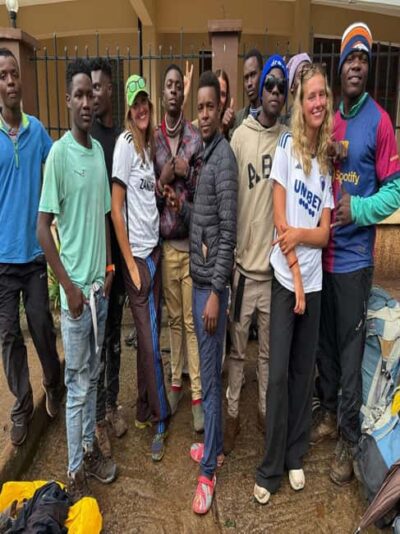
From Arusha/Moshi: Kilimanjaro Hike Marangu Route Day Trip
Read our review →
4 days Best experience Kilimanjaro Hike, Serengeti &Ngorongoro
Read our review →
6 Days Serengeti Safari(hiking waterfalls &coffee tour)
Read our review →
Mount Kilimanjaro Day Hike Through Marangu Route to Mandara Hut
Read our review →
5 days safari, hiking & culture (Serengeti & kilimanjaro)
Read our review →Browse the lists this tour appears in