

REVIEW · USA
Big Island: Native Bird Watching & Hiking Tour
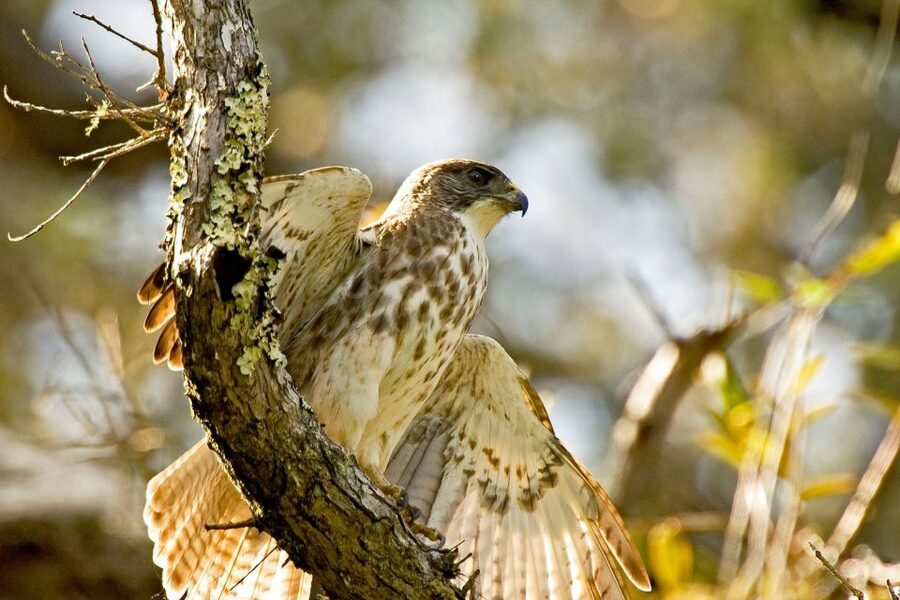
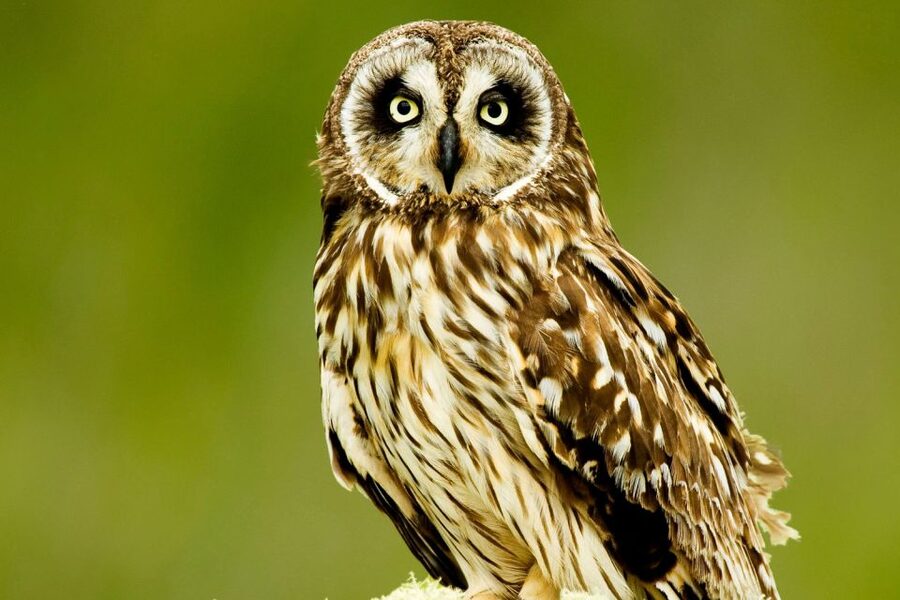
Hakalau Forest is the reason to book this tour. This restricted-access refuge protects some of Hawaiʻi Island’s rarest forest birds, and the day gives you a real chance to search for ʻIʻiwi, ʻApapane, ʻAkiapōlāʻau, ʻAmakihi, Hawaiʻi Creeper, ʻElepaio, ʻŌmaʻo, Pueo, and the Hawaiian hawk, or ʻIo. Guide Gary adds useful birding skill, island stories, and a good sense of humor.
I like the small group, limited to nine people, and the fact that the tour reaches rougher parts of the refuge in a 4WD Mercedes Sprinter. I also like the serious field kit: binoculars, daypacks, hiking sticks, rain gear, snacks, lunch, and refill water are included. The drawback is the long day, with about four hours in the van, plus muddy or uneven hiking and an off-road ride that can be bumpy.
Key points at a glance
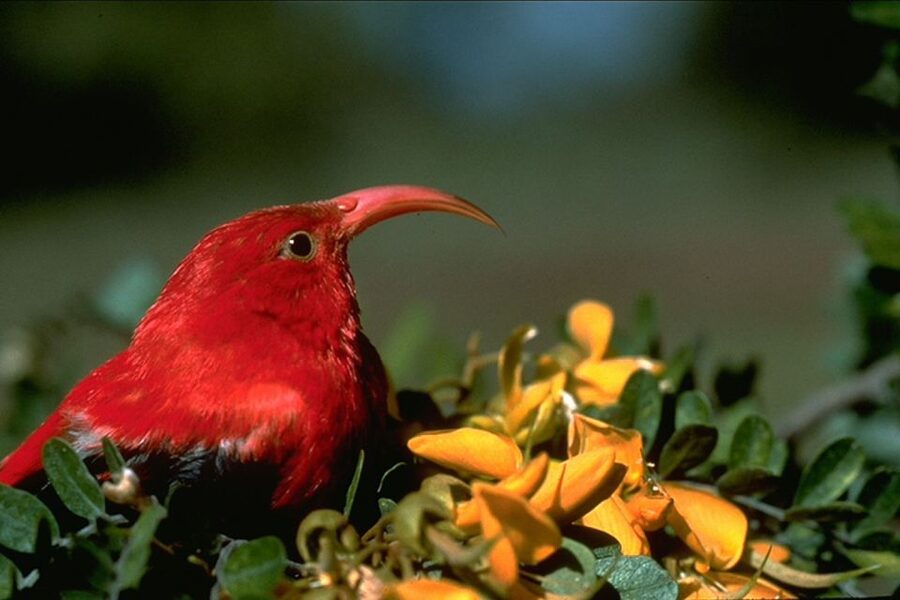
- Restricted-access Hakalau Forest: This is not a casual roadside bird stop. A permit-dependent visit takes you into one of Hawaiʻi’s key forest-bird refuges.
- A serious bird list: Look for ʻIʻiwi, ʻApapane, ʻAkiapōlāʻau, ʻAmakihi, Hawaiʻi Creeper, ʻElepaio, ʻŌmaʻo, Pueo, and ʻIo.
- Up to four miles of hiking: Expect uneven, rocky, wet, and sometimes muddy ground rather than a paved nature walk.
- Small group of nine or fewer: A compact group makes it easier to hear the guide and share good bird sightings.
- Useful equipment included: Binoculars, hiking sticks, daypacks, rain gear, sunscreen, breakfast snacks, lunch, and refill water are supplied.
- A full twelve-hour commitment: Pickup is available from select Kona and Waikoloa locations, but the exact meeting time must be confirmed directly.
Why Hakalau Forest is the main event
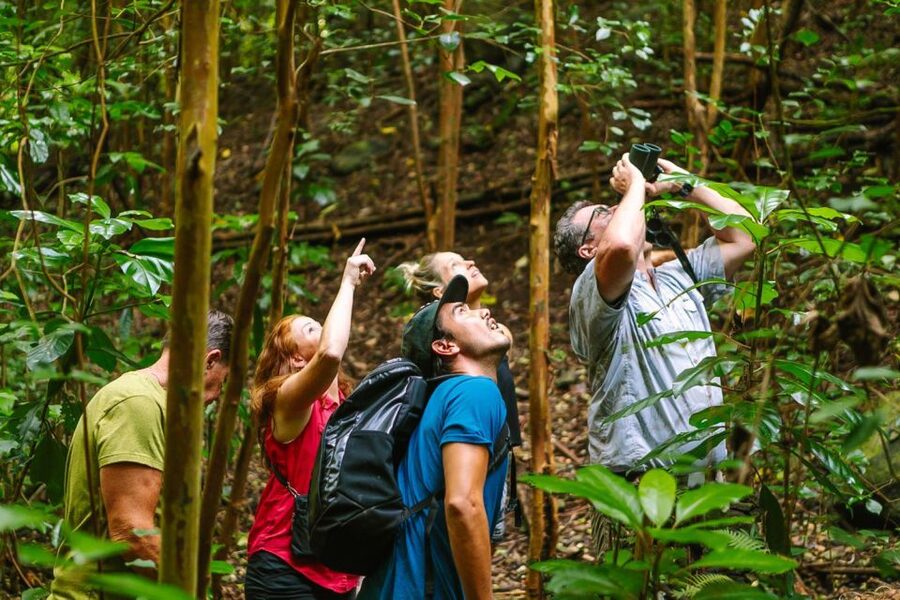
Hakalau Forest National Wildlife Refuge was the first national wildlife refuge established specifically for forest birds. That matters because Hawaiʻi’s native birds face a difficult battle against habitat loss, introduced predators, and disease. A guided visit here is not just about ticking species off a list. You are seeing a protected place where conservation work gives native plants and birds room to survive.
The refuge is home to birds found nowhere else on earth. The red ʻIʻiwi is the showpiece for many people, while the red-tinged ʻApapane may appear among the forest canopy. The yellow ʻAkiapōlāʻau is especially unusual, with a specialized bill used to search for food. You may also look for the yellow-green ʻAmakihi, the understated Hawaiʻi Creeper, ʻElepaio, ʻŌmaʻo, Pueo, and ʻIo.
Birding is never fully predictable. You may not see every species listed, and the birds will not arrange themselves for a perfect photograph. That is part of the deal. A trained guide can help you notice calls, movement, feeding behavior, and small shapes high in the trees that you would likely miss alone.
The refuge also protects rare native plants and less famous creatures. Keep an eye out for unusual insects, including carnivorous caterpillars. The plant life is not just decoration around the birds. It helps explain why this forest supports species with such narrow habitat needs.
A few more hikes around the USA worth a look
- Lower Antelope Canyon Hiking Tour
★ 5.0 · 6,216 reviews - Boston Freedom Trail Walking Tour with Costumed Guide
★ 4.5 · 2,531 reviews - Multnomah Falls and Columbia River Gorge Half-Day Hiking Tour
★ 5.0 · 2,108 reviews
The early road across Hawaiʻi Island
The day begins at one of four central pickup points: Waikōloa Plaza, Queens’ Marketplace, Four Seasons Resort Hualalai, or the Hawaii Forest & Trail Kona headquarters. Hotel pickup is not included, so you need to arrange your own way to the selected meeting point.
From there, expect roughly two hours in the van before reaching Hakalau Forest. This is a useful time to settle in, hear about the day, and watch the scenery change as you cross the island. It is also the least glamorous part of the tour, especially if you are prone to motion sickness. The route takes time because the refuge is far from the main resort areas.
The vehicle is a short-wheelbase Mercedes Sprinter fitted for 4WD access. That makes it possible to reach off-the-beaten-track parts of the refuge instead of stopping at the easiest public viewpoint. The tradeoff is comfort. A rough access road can mean shaking and jolts, so bring motion-sickness medication if you normally need it, and do not expect a smooth coach ride.
The small group helps here. With no more than nine participants, the van feels more personal than a large sightseeing bus. You have a better chance to ask questions, hear bird calls, and keep track of the day’s plan.
Five hours among native birds and plants
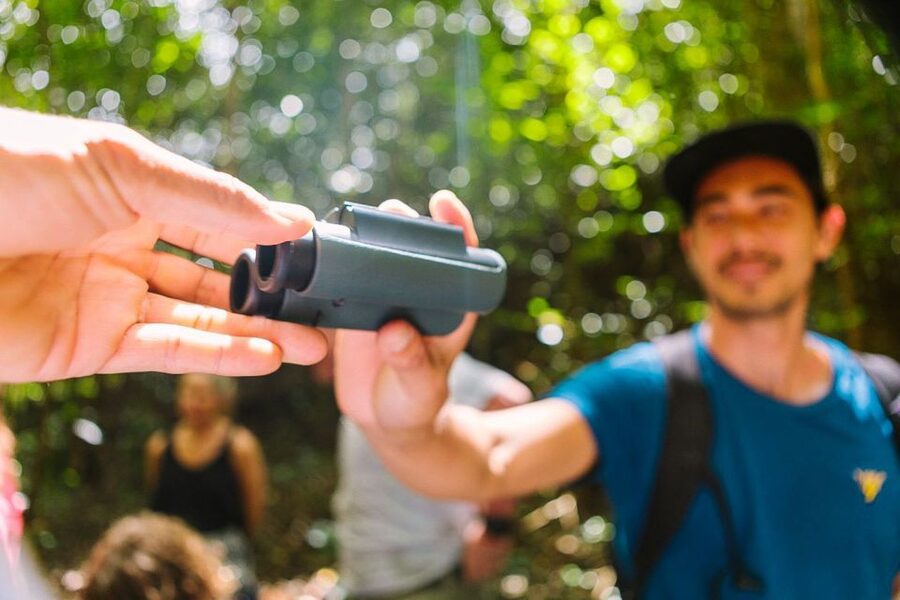
The main refuge visit lasts about five hours, including lunch, guided walking, hiking, and wildlife viewing. That gives you enough time to slow down and search instead of rushing from one stop to the next.
Your guide will help with bird tracking and identification. That can mean listening before walking on, scanning branches with binoculars, and pointing out a bird’s position so everyone gets a chance to see it. One particularly praised guide, Gary, is also an entertaining storyteller. His role goes beyond naming species. He brings in island history and explains ongoing conservation efforts, which gives the sightings more meaning.
Plan on hiking up to four miles. The distance itself is manageable for many active visitors, but the ground is the important detail. You should be ready for uneven or rocky terrain, wet conditions, mud, and changing temperatures. Hiking sticks are supplied, and they can be very useful when the trail is slick or rough.
You may spend long stretches standing quietly or walking slowly. This is not a high-speed wildlife safari. Patience is part of birdwatching, and a good sighting may come after several minutes of careful listening. If you enjoy close observation, this pace is a strength. If you want nonstop action, the day may feel quiet.
The refuge can also feel cool and damp compared with the sunny resort areas. Wear layers, long pants, and shoes with closed toes. Bring clothes that can get dirty. Sandals, flip-flops, shorts, and open-toed shoes are not allowed, and that rule makes sense once the trail turns muddy.
Lunch, binoculars, and the right amount of gear
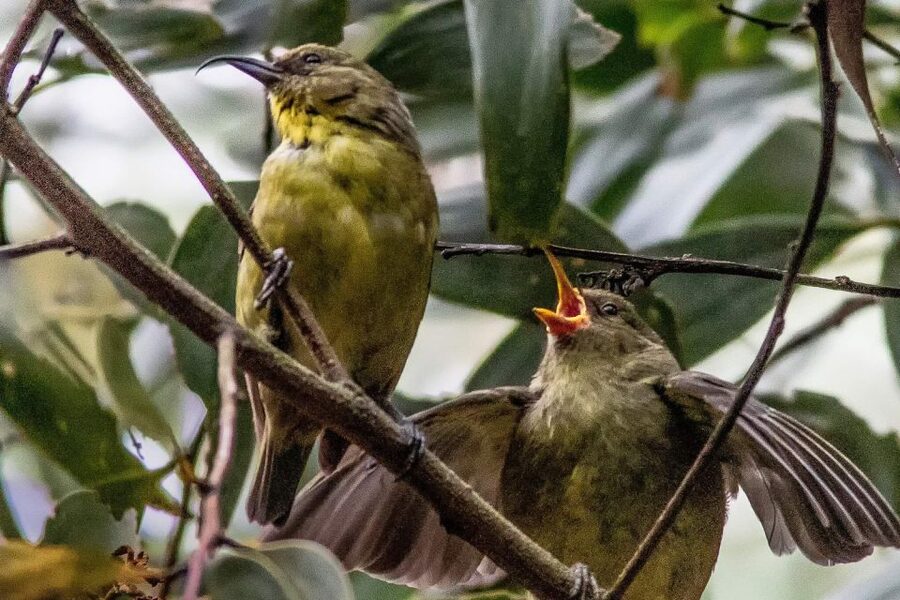
The practical details are handled well. Breakfast snacks, additional snacks, and a deli-style lunch are included, so you do not need to pack a full day of food. There is a water station for refills, but no water bottle is provided. Bring your own reusable bottle.
Binoculars are included, which is a real saving if you are visiting Hawaiʻi without birding equipment. Daypacks, hiking sticks, rain gear, and reef-safe sunscreen are also available. You should still bring a hat, jacket, weather-appropriate layers, and a spare layer that can handle dirt or rain.
The supplied gear lowers the barrier for casual birdwatchers. You do not need to own a spotting scope or arrive with a closet full of outdoor equipment. Still, the tour is easier if you already enjoy walking on natural trails and are comfortable with weather that changes during the day.
A camera with a long lens may help, but it is not essential. The supplied binoculars are more important for simply seeing the birds. Your guide’s ability to locate and describe them will matter more than having expensive photo gear.
Same trailhead, a different sort of day:
- Small Group: Valley of Fire Half Day Tour from Las Vegas
★ 5.0 · 2,130 reviews - San Francisco: Yosemite National Park & Giant Sequoias Hike
★ 4.5 · 1,777 reviews - Valley of Fire Guided Hike from Las Vegas
★ 5.0 · 1,611 reviews - Los Angeles: The Original 2.5-Hour Hollywood Sign Hike
★ 5.0 · 1,468 reviews
A rare chance for serious birding without going alone
This tour works particularly well for people who want to see endemic Hawaiian birds but do not want to plan access, transportation, equipment, and route-finding by themselves. It also suits nature-lovers who care about plants, insects, and conservation as much as they care about birds.
Experienced birdwatchers can have a productive day here. One participant counted 12 new species, which shows the potential for a strong list when conditions cooperate. The tour is also suitable for beginners because the guide handles the technical side of identifying calls and shapes.
The small group is important for both types of visitor. A beginner can ask basic questions without feeling lost, while an experienced birder can focus on species and behavior. The group size also makes it easier for the guide to help each person get a look when a bird appears.
This is not a good match for children under eight, pregnant women, people with back problems, or anyone with mobility impairments. It is also a poor choice if you suffer badly from motion sickness. The combination of a long van ride, 4WD roads, and uneven hiking requires a reasonable level of physical comfort.
What the twelve-hour schedule really means
A twelve-hour tour takes up most of your day. That is not a flaw, but you should plan around it. You will spend about two hours traveling to the refuge, roughly five hours at the site, and another two hours returning, with pickup and drop-off timing adding some flexibility.
The schedule is worthwhile because Hakalau Forest is not close to the Kona and Waikoloa resort areas. A shorter tour would leave less time for the actual forest visit and would make the long drive feel less useful.
The exact pickup time may differ from the start time shown when you book. Confirm the meeting time and closest pickup location with Hawaii Forest & Trail. Arrive at least ten minutes early, and look for the company van marked with the operator’s name on the front, sides, and rear.
There is a minimum of four participants for the tour to operate. If that minimum is not reached, you will be notified at least 24 hours ahead and can reschedule or receive a full refund. Free cancellation is available up to 24 hours before departure, and the reserve-now, pay-later option gives you some flexibility while plans are still shifting.
Is $287 a fair price?
At $287 per person, this is not a cheap sightseeing day. I would not compare it with a short forest walk or a standard island drive. You are paying for restricted-access arrangements, a full day of transportation, a professional bird-tracking guide, a small group, 4WD access, meals, binoculars, hiking equipment, and rain protection.
The value depends on your interests. If native birds are a major reason you came to Hawaiʻi, the price is easier to justify because arranging this experience independently would require transport, local knowledge, gear, and access approval. If you mainly want broad scenery or an easy walk, the cost and long schedule will probably feel excessive.
The strongest value is the guide. A forest bird that looks like a tiny shape in the canopy becomes more rewarding when someone explains its call, feeding habits, habitat, and conservation story. Gary’s combination of birding skill and storytelling is exactly the sort of help that turns a difficult sighting into a memorable one.
What to pack and how to prepare
Wear long pants, closed-toe walking shoes, a hat, and layers. Add a jacket even if the weather is warm at your resort. The forest can be cool, wet, or muddy, and your clothes should be able to handle all three.
Bring a reusable water bottle, since water is available only at the refill station. Pack any personal medication you need for a full day, including motion-sickness treatment if appropriate. Leave alcohol, drugs, pets, smoking materials, sandals, and flip-flops at home.
Set expectations before you go. You may see several rare species, but no wildlife tour can guarantee every bird on the list. The better goal is to spend focused time in protected native forest, learn how the ecosystem works, and appreciate each good sighting.
Should you book the Hakalau Forest tour?
Book it if you care about Hawaiian endemic birds, enjoy a full day outdoors, and can handle four miles of uneven hiking plus a bumpy 4WD ride. It is particularly strong for birders who want a serious species search without managing permits, driving, equipment, and field identification on their own.
Think twice if you want a relaxed resort excursion, dislike long drives, or need smooth roads and easy walking. For the right person, though, this is one of the more meaningful nature days you can arrange on Hawaiʻi Island. You get rare birds, unusual plants, conservation context, and access to a protected forest that is difficult to experience independently.
FAQ
How long does the Hakalau Forest tour last?
The experience lasts 12 hours. The schedule includes approximately two hours of van travel each way and about five hours at Hakalau Forest for lunch, guided walking, hiking, and wildlife viewing.
Where can I be picked up?
Pickup is available from select locations in the Kona and Waikoloa areas: Waikōloa Plaza, Queens’ Marketplace, Four Seasons Resort Hualalai, and the Hawaii Forest & Trail Kona headquarters. Hotel pickup and drop-off are not included.
What birds might I see?
The search may include ʻIʻiwi, ʻApapane, Pueo, ʻAkiapōlāʻau, ʻAmakihi, Hawaiʻi Creeper, ʻElepaio, ʻŌmaʻo, and the Hawaiian hawk, or ʻIo. Sightings depend on conditions and wildlife activity.
How much hiking is involved?
You may hike up to four miles on uneven or rocky terrain. Trails can be cool, wet, or muddy, so closed-toe shoes, long pants, layers, and weather-ready clothing are required.
Is equipment provided?
Yes. The tour provides binoculars, daypacks, hiking sticks, rain gear, reef-safe sunscreen, snacks, lunch, and access to a water refill station. You need to bring your own reusable water bottle.
Can I cancel the tour?
You can cancel up to 24 hours in advance for a full refund. The tour requires at least four participants to operate, and a cancellation caused by low participation allows you to reschedule or receive a full refund.
Just added around the USA
- Anchorage: Full-Day Matanuska Glacier Hike and Tour★ 4.7 · 48 reviews
- Oahu: Manoa Falls Hike and east side beach day★ 4.9 · 10 reviews
- From Springdale: Greater Zion Scenic Hiking Tour★ 4.9 · 21 reviews
- From Springdale: The Zion Narrows Hike with Lunch★ 4.8 · 85 reviews
- From Seward: Harding Icefield Trail Hiking Tour★ 5.0 · 11 reviews
- From Sedona: Archeology and Nature Hike★ 4.9 · 8 reviews
- From Seward: 6-hour Wilderness Hiking Tour★ 4.5 · 5 reviews
- From Rapid City: Private Devils Tower Tour and Hike★ 5.0 · 6 reviews
USA Hiking Tours, compared.

Small Group: Valley of Fire Half Day Tour from Las Vegas
Read our review →
Multnomah Falls and Columbia River Gorge Half-Day Hiking Tour
Read our review →
San Francisco: Yosemite National Park & Giant Sequoias Hike
Read our review →

Small Group Waterfall and Rainforest Hiking Adventure on Maui
Read our review →
Kauai Adventure: Kayak & Hike to Secret Falls with Expert Guide
Read our review →Browse the lists this tour appears in