
REVIEW · NORWAY
Oslo Nature Walks: Island Hopping Tour
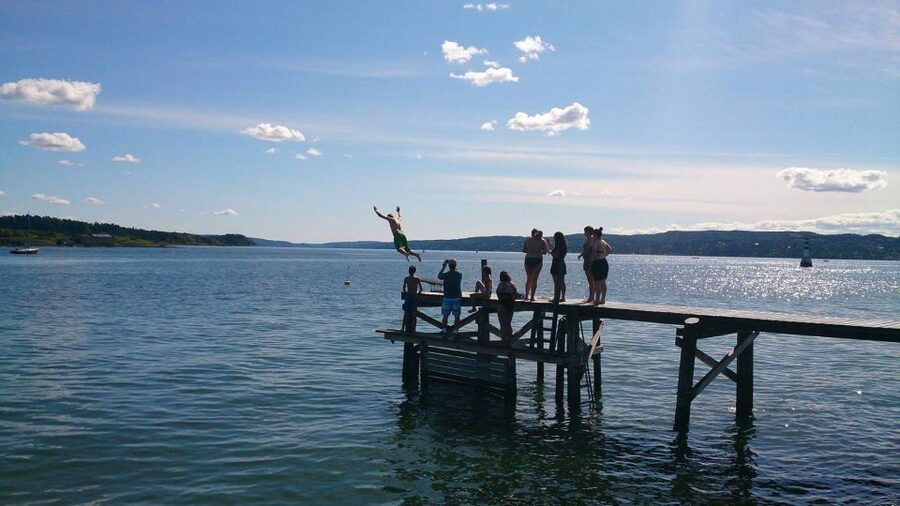
Oslo’s best escape from city streets may be only a short public-ferry ride away. This island-hopping tour takes you across the fjord to Hovedøya’s nearly 1,000-year-old abbey ruins, military remains, beaches, forests, and small cabin communities that feel far removed from central Oslo.
I like the mix of ferry travel and walking, since you get both broad fjord views and close-up details that are easy to miss on your own. I also like the guides’ personal touch. Patrick, Shaf, Giovanni, Jon, and others are praised for clear storytelling, local tips, humor, and keeping the group together.
The main consideration is the walking. You cover about 7 kilometers on gravel, dirt, and stone paths, so this is not a casual boat ride with a few photo stops. Winter adds ice, cold, and short daylight, while summer requires you to carry your own picnic lunch.
Key points to know before booking
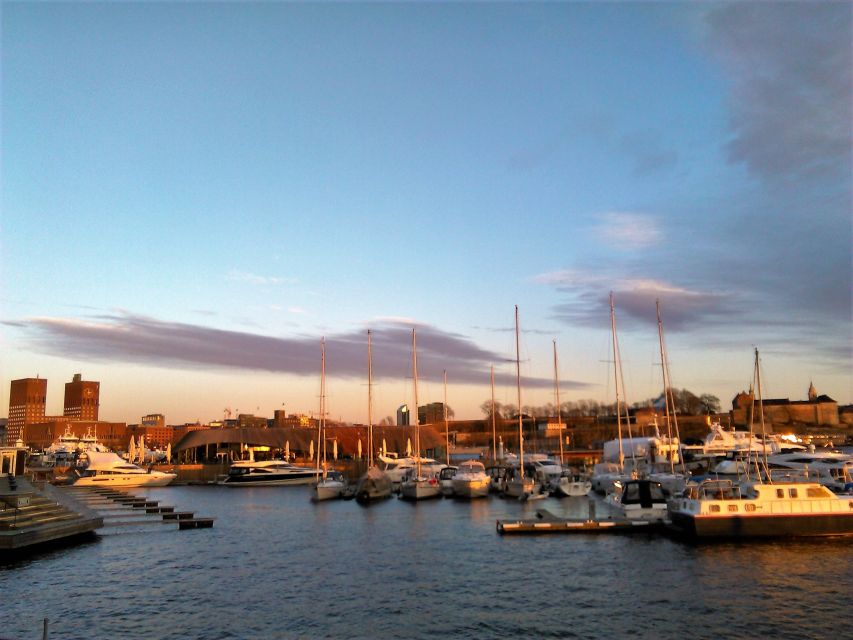
- Hovedøya combines abbey ruins, sheep pastures, beaches, forests, and old cannons in one island walk.
- The public ferries are part of the experience, giving you changing views of Oslo’s waterfront and fjord.
- Summer visits three islands, including Gressholmen and Lindøya, while the October to March version visits two.
- Lindøya’s flower-filled paths and wooden cabins show Oslo’s unusual island holiday culture.
- The walk covers about 7 kilometers, with uneven surfaces and some hills.
- Winter tours include warm drinks, while summer departures call for your own food, water, swimwear, and towel.
Why Oslo’s island ferry makes a fine half-day trip
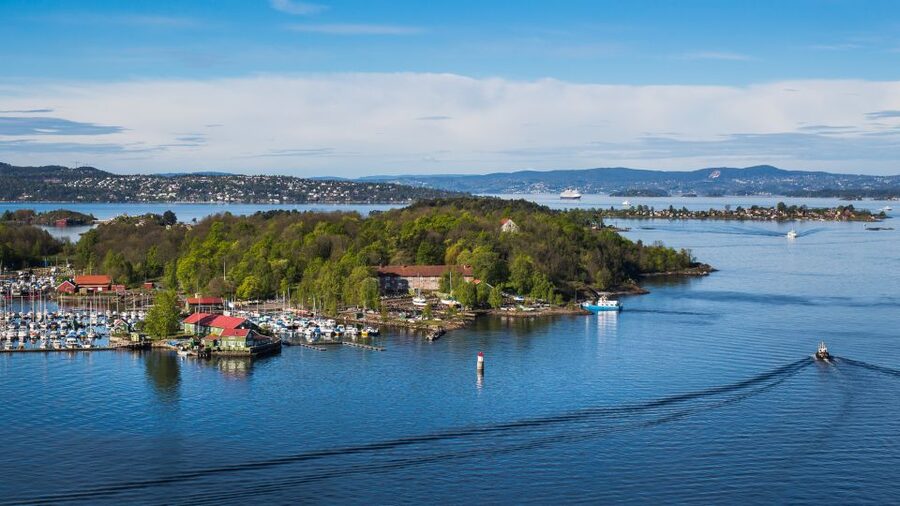
Oslo is often sold as a city of museums, modern architecture, and easy access to nature. This tour connects those ideas neatly. You begin at Rådhusbrygge 4, close to City Hall, then ride a regular public ferry into the Oslo Fjord.
The ferry ride is not just transportation. It gives you a quick change of scale. The city slips behind you, the water opens up, and the islands begin to look like small rural communities rather than districts of the capital. Since the ferry is public, you get a practical taste of how Oslo residents use their waterfront.
At $69 per person, the tour is not the cheapest way to reach the islands. You could take public ferries independently. The value comes from the guide, the route planning, and the stories that link Viking-era Oslo, Christianity, military defense, aviation, and modern cabin life. If you simply want a boat ride, buy a ferry ticket. If you want to understand what you are seeing, the guided version makes more sense.
The tour is offered in English and normally lasts four to four and a half hours from April through August. From September through March, it takes about three and a half hours and visits two islands rather than three. That seasonal change matters. Summer gives you more variety and more time outdoors, while winter is shorter but can feel wonderfully stark.
More Nature Walks in Norway:
- Oslo Nature Walks: Island hopping
★ 5.0 · 570 reviews - From Miami: Everglades Airboat Ride and Nature Walk
★ 4.8 · 459 reviews - Small Group Manly Snorkel Tour and Nature Walk with Local Guide
★ 5.0 · 290 reviews
Hovedøya: abbey ruins and the first taste of the fjord
The first ferry ride takes about 10 minutes. Hovedøya, meaning Main Island, is the historical centerpiece of the outing.
The island’s main sight is the remains of a Cistercian abbey founded nearly 1,000 years ago. English monks came to Oslo during the country’s shift from the Viking era toward Christian Europe. The stone ruins are well preserved enough for you to make out former rooms and chambers, and a guide adds the context that a signboard cannot provide.
I find this stop especially useful for understanding Norway as a country in transition. The abbey was not simply an old religious building. It represented new political and cultural ties, changing beliefs, and a different place for Oslo within Europe. The stories help you see the ruins as part of a major change, not just as attractive old walls.
After the abbey, the route moves through birch woods and sheep pastures. That combination is one of the tour’s pleasures. You are close to the capital, yet the path feels quiet and open. The setting also keeps the history grounded in the island itself, rather than turning the walk into a string of disconnected facts.
You then reach old ramparts and cannons linked to the Napoleonic Wars in the 19th century. The military remains add another layer to Hovedøya’s story. The island was useful not only for monks, but also for defending the approach to Oslo.
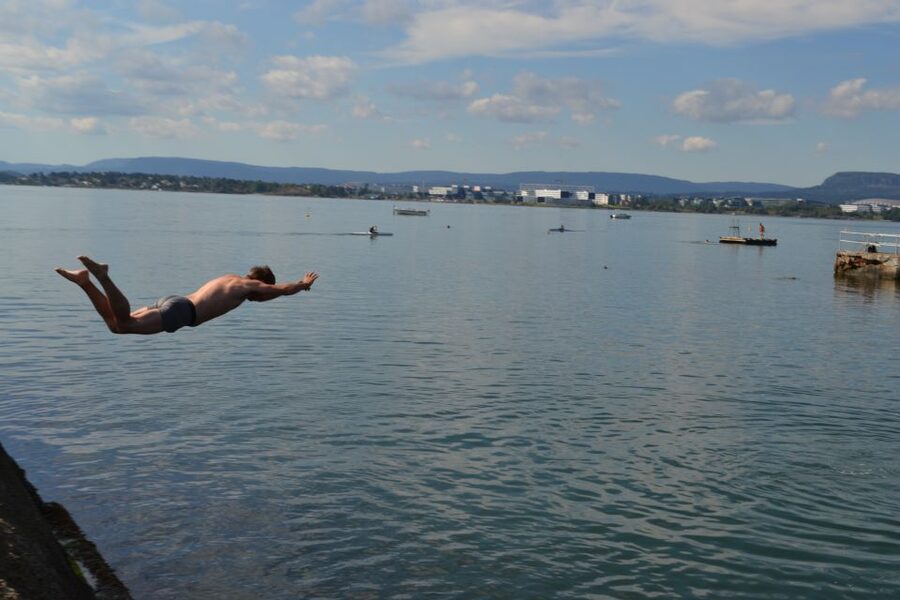
The coastline brings the best photo stops. Depending on the weather and season, you may pause at beaches and lookout points before returning to the ferry pier. Bring a swimsuit and towel in warmer months if you like the idea of a quick swim, but do not expect a beach holiday. The tour keeps moving, and the main purpose is walking and sightseeing.
Gressholmen: nature, military traces, and Oslo’s first airport
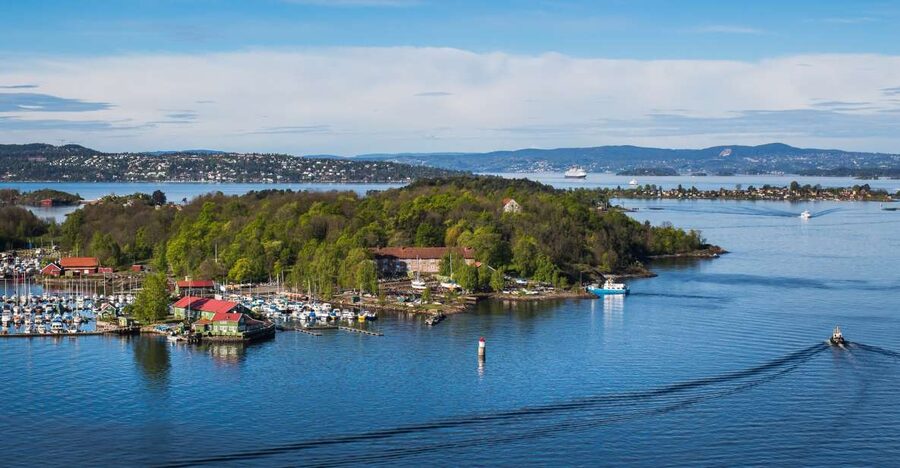
The next ferry takes about 10 minutes and brings you to Gressholmen. The walk here lasts around an hour and adds a different side of Oslo’s island story.
Gressholmen includes a nature reserve, but it also carries reminders of industry, defense, and transport. You see remnants connected with Oslo’s first airport, along with buildings and sites tied to the island’s military past. The contrast is useful: the island may look peaceful today, but it once played a practical role in the city’s development.
This is the kind of place that benefits from a guide. On your own, you might notice an old structure without knowing what it was for. With a guide such as Shaf, Jon, or Giovanni, the walk becomes a series of connections between the fjord, Oslo’s growth, and Norway’s changing priorities.
The nature reserve also provides a break from the city’s hard surfaces. Paths, trees, shoreline, and open water give the middle section of the tour a calmer pace. You will have time for photos, questions, and short pauses, but this is still a walking tour rather than a long stop at one attraction.
Lindøya: flower gardens and the island cabin way of life
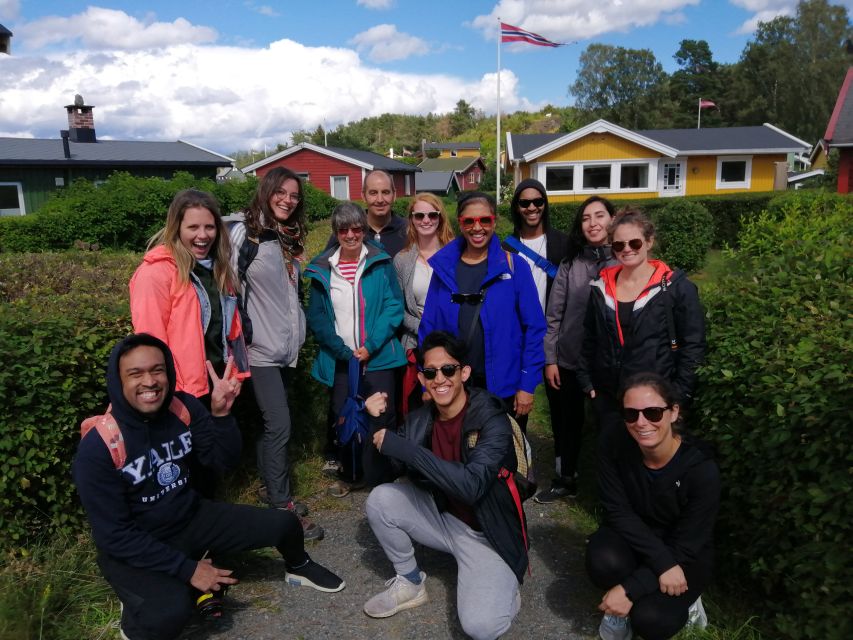
From Gressholmen, the ferry ride to the cabin islands takes about 15 minutes. In the warmer-season version, the main stop is Lindøya, where you spend roughly an hour and a half.
Lindøya is the most charming stop for many people because it shows a very Norwegian form of leisure. Small traditional wooden homes sit along paths lined with gardens and flowers. The cabins are not grand holiday estates. Their appeal comes from their scale, color, and setting beside the fjord.
The paths wind through the island rather than following a formal sightseeing route. That makes the visit feel more like a walk through a living community than a visit to a museum. You get a glimpse of how people use the islands as a retreat from city life, even though Oslo is close by.
Lookout points provide views over the water and hills. This is a good place to slow down, take photos, and notice the difference between the open fjord and the enclosed paths around the cabins. The setting is especially attractive in summer, when the flowers and greenery are at their strongest.
The tradeoff is that Lindøya is not a major monument. If you need a packed schedule of famous sights, this stop may seem quiet. I see that as its strength. It gives the tour a human scale and shows a side of Oslo you would not get from City Hall, the opera house, or a standard harbor cruise.
A few more hikes around Norway worth a look
- From Tromsø: Snowshoeing Hike with Picnic Lunch and Photos
★ 4.9 · 840 reviews - From Tromsø: Guided Husky Snowshoe Hike and Husky Camp Visit
★ 4.9 · 715 reviews - From Tromsø: Snowshoe Hike in the Arctic
★ 4.9 · 467 reviews - Guided hike to Pulpit Rock Preikestolen
★ 5.0 · 390 reviews
Picnic time, weather, and what to carry
The tour includes a picnic break, but food is not included from April through September. Bring your own lunch, water, and snacks in a small backpack. A kiosk may be open for extra food or ice cream, depending on opening hours and weather, but you should not rely on it as your only meal plan.
You can eat at one of several spots with views over the water and hills. This pause also gives your feet a rest after the island walks. Pack food that travels well and keep it simple. A sandwich, fruit, and something to drink are more useful here than a full meal requiring utensils.
From October through March, warm drinks are provided by the guide. Coffee, tea, or hot chocolate and ginger biscuits have been offered on winter departures, and this small detail matters when you are standing near a cold shoreline. Some guides add their own personality to the break. Lola, for example, has been praised for singing Norwegian folk songs, while other guides have used the pause to share local stories and restaurant tips.
The weather can change the mood of the whole outing. Rain does not cancel the views, but it makes waterproof clothing important. Rain gear is not included, so bring a waterproof jacket and trousers if the forecast is poor. The tour does not provide standard rain protection.
Winter conditions deserve extra care. Several departures have involved icy paths, and one guide supplied crampons when the route became slippery. That is helpful, but you should still wear proper shoes and bring warm layers. Cold weather can be beautiful, yet one January departure was described as very cold even though the scenery was clear and pristine.
The walking level and who should book it
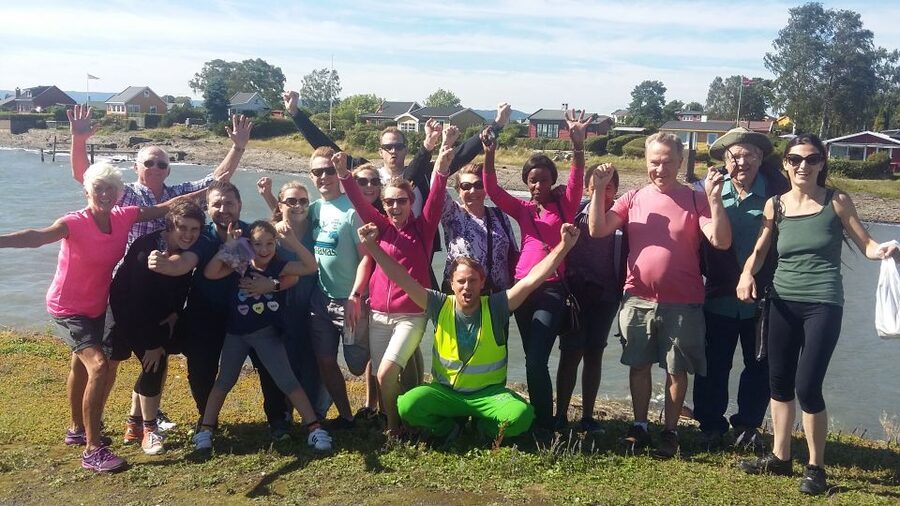
You walk approximately 7 kilometers, or about 10,000 steps, on gravel, dirt paths, and stones. There are forests, uneven ground, and some hills. This is manageable for many active visitors, but it is not suitable for wheelchair users or children under nine.
Good trail shoes are more important than stylish city footwear. In summer, you may also want swimwear and a towel. In winter, use warm socks, gloves, a hat, and shoes with strong grip.
The guides generally keep a steady pace and include rest stops. One guide was especially praised for adjusting the pace for someone with a knee injury, which shows the sort of care you can expect from a good departure. Still, you should be comfortable walking for several hours before booking.
I would recommend this for you if you enjoy nature, local history, modest hiking, and unhurried sightseeing. It works well on a first Oslo visit because you see the city from the water and learn how the fjord shapes daily life.
I would skip it if you want a fully relaxed cruise, a food-focused outing, or a tour centered only on major monuments. The islands are peaceful partly because they are not packed with attractions.
The guides make the difference

The tour’s strongest feature is the guide-led storytelling. Different departures use different guides, including Patrick, Shaf, Giovanni, Jon, Neil, Carolina, Laura, Kat, and others. The most praised qualities are warmth, humor, clear explanations, and attention to the group.
Shaf is known for adding practical Oslo suggestions, including walks and places to eat. Giovanni has been praised for explaining Norwegian culture and checking that everyone was comfortable. Patrick brings local insight and an easy manner, while Jon has a reputation for making the outing feel like a walk with a well-informed friend.
That variety means the tone can change from one departure to another, but the basic ingredients remain the same. You get explanations of Oslo and Norway, island stories, time for questions, and help finding the best viewpoints.
A guide also helps with the ferry changes. You do not need to work out which island comes next or how to fit the ferry schedule around a long walk. That practical help is a real part of the $69 price.
Returning through Oslo’s harbor
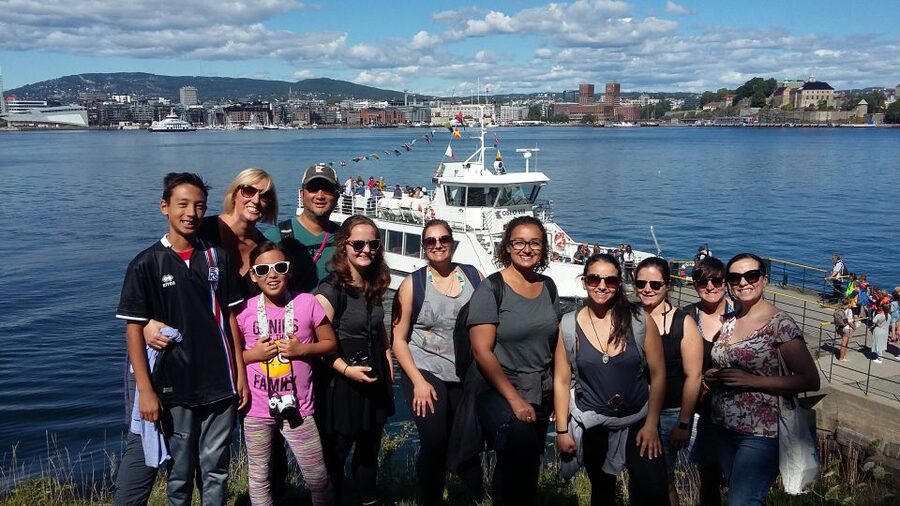
After the final island, you take the ferry back toward Rådhusbrygge 4. The return takes about 10 minutes, and the approach to the city gives you a fine closing view.
From the water, you can see Akershus Fortress, City Hall, and the renewed waterfront around Aker Brygge. These sights look different from the fjord than they do from city streets. After several hours of woods, cabins, and beaches, the return to the urban harbor feels like a natural final chapter.
The timing also works well. At four hours, the tour fills a morning or afternoon without consuming your entire day. The winter version is shorter, which helps in cold conditions and leaves more time for museums, meals, or a city walk.
Should you book the Oslo island-hopping tour?
Book it if you want to see Oslo beyond its center and are happy to walk. The combination of public ferries, Hovedøya’s abbey ruins, military remains, Gressholmen’s former airport sites, Lindøya’s cabins, and coastal viewpoints gives you far more variety than the simple phrase island tour suggests.
The best value comes from the guide. You can reach the islands independently, but you would lose the connections between the Viking-to-Christian transition, the Napoleonic defenses, Oslo’s first airport, and the modern cabin tradition.
For summer, carry lunch, water, swimwear, a towel, and sun or rain protection. For winter, dress for exposed shorelines and icy paths, and welcome the included hot drink. If 7 kilometers on rough paths sounds pleasant rather than tiring, this is one of the more rewarding ways to spend half a day in Oslo.
FAQ
How long does the Oslo island-hopping tour last?
From April through August, the tour lasts about four to four and a half hours and visits three islands. From September through March, it lasts about three and a half hours and visits two islands.
How many islands does the tour visit?
The warmer-season tour visits Hovedøya, Gressholmen, and Lindøya. The colder-season tour visits two islands, with the exact seasonal route depending on the departure period.
What is the meeting point?
Meet at Rådhusbrygge 4, near the public ferry departure area at Platform E, next to the restaurant Fisketorget. Arrive 10 minutes before the scheduled start.
Is ferry transportation included?
Yes. The ticket for the public ferries used during the tour is included.
How much walking is involved?
You walk approximately 7 kilometers, or about 10,000 steps, on gravel, dirt paths, and stones. Comfortable trail shoes are recommended.
Should I bring food?
From April through September, bring your own lunch, snacks, and water for the picnic stop. A kiosk may be available depending on weather and opening hours. From October through March, warm drinks are provided by the guide.
Is the tour suitable for children or wheelchair users?
The tour is not suitable for children under nine or for wheelchair users. The route includes uneven paths, stones, forests, and some hills.
Just added around Norway
- From Tromsø: Evening Fjellheisen Snowshoe Hike and Cable Car★ 4.8 · 91 reviews
- From Tromsø: Snowshoe Hike with Local Guides★ 4.9 · 30 reviews
- From Tromsø: Aurora Snowshoe Hike★ 5.0 · 14 reviews
- Frafjord Paddling & Månafossen Waterfall Hike Stavanger★ 5.0 · 22 reviews
- Flørli 4444: RIB & Hike★ 5.0 · 8 reviews
- Flåm: Tvinde Waterfalls, Stalheimskleiva Hike & Gudvangen★ 4.0 · 22 reviews
- Dovrefjell National Park: Hiking Tour and Musk Ox Safari★ 4.8 · 88 reviews
- Discovery hike along the Trondheimsfjord★ 5.0 · 4 reviews
Norway Hiking Tours, compared.

From Tromsø: Snowshoeing Hike with Picnic Lunch and Photos
Read our review →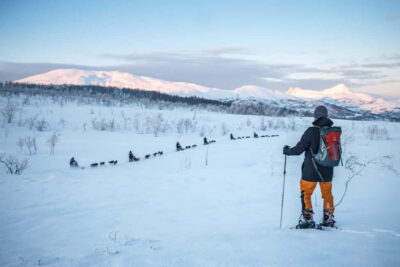
From Tromsø: Guided Husky Snowshoe Hike and Husky Camp Visit
Read our review →

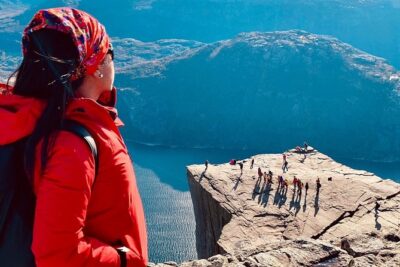

Preikestolen (Pulpit Rock) Hike with Local Guide
Read our review →Browse the lists this tour appears in