
REVIEW · SNOWSHOE HIKES
Kiruna: Daytime Snowshoe Hike
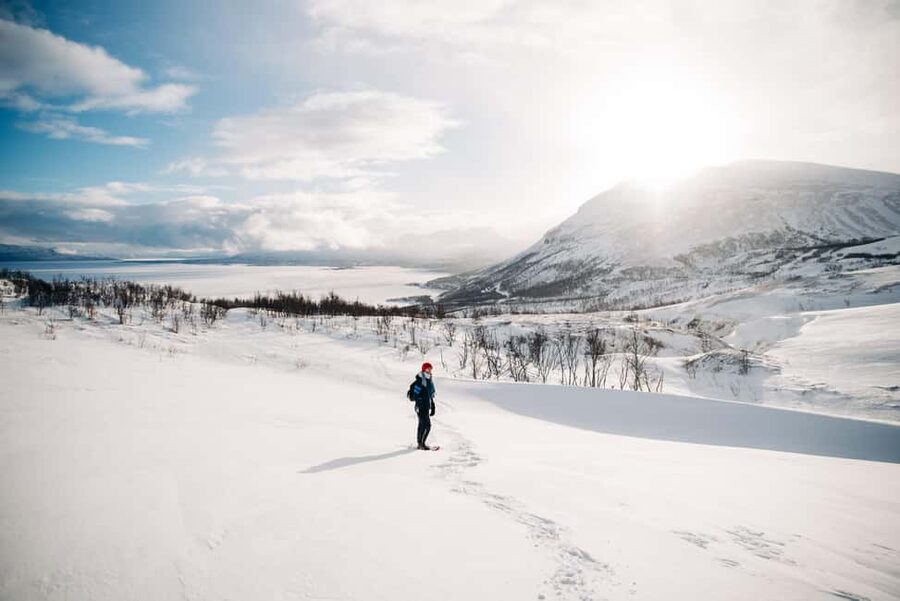
Kiruna’s winter woods are at their best when you leave the plowed paths behind. Snowshoes turn deep snow into a walkable trail, while a guide leads you through birch and conifer forest toward a viewpoint over the surrounding river or lake. The silence, bright snow, and Arctic air are the real attractions.
I like the small groups of no more than eight, which lets guides such as Daniel, Greg, and Léonie adjust the pace and keep an eye on everyone. I also like the warm drink stop, often lingonberry juice, which is a simple but welcome reward after an uphill stretch.
The main consideration is the cold. One outing took place at minus 30 degrees, and the group still enjoyed it, but you need serious winter clothing and warm shoes. The hike is suited to all fitness levels, yet snowshoes can feel awkward at first, and some routes include a climb.
Key points at a glance
- Small Arctic group: A maximum of eight people makes the outing more personal and keeps the pace manageable.
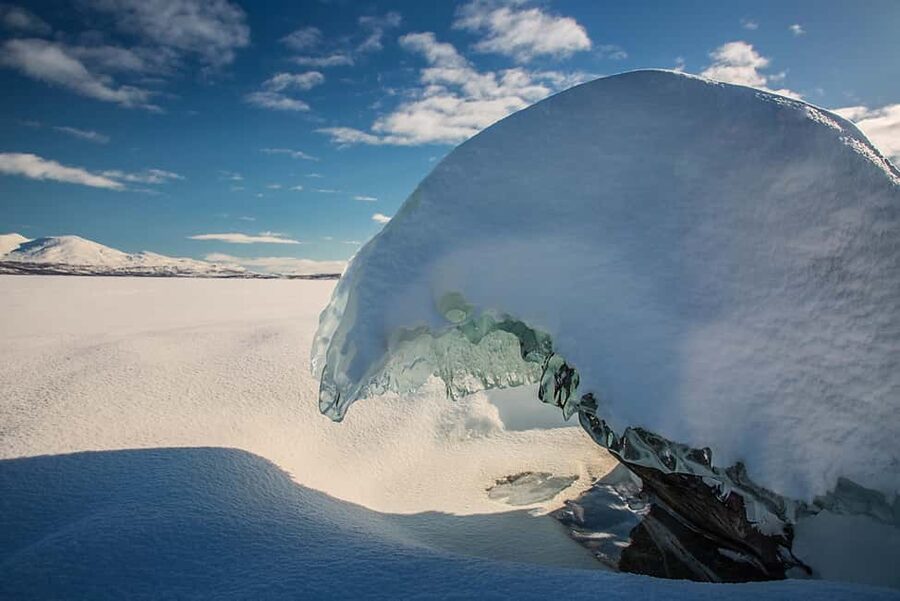
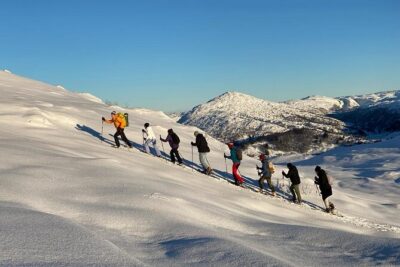
- Snowshoe route with a climb: Expect snowy forest, animal tracks, and a viewpoint reached by a walk that may include uphill sections.
- Strong local guiding: Daniel, Greg, and Léonie have led outings that combine nature facts with Kiruna history, Sami culture, and easy conversation.
- Warm lingonberry juice stop: The break comes at a useful point in the walk, often near the top or viewpoint.
- Wildlife clues, not guaranteed sightings: Reindeer and Arctic foxes live in the area, but tracks may be the more realistic discovery.
- Easy transport plan: Van pickup and return are offered at hotels and camps around Kiruna, with times adjusted when weather or daylight requires it.
What the three-hour outing is really like
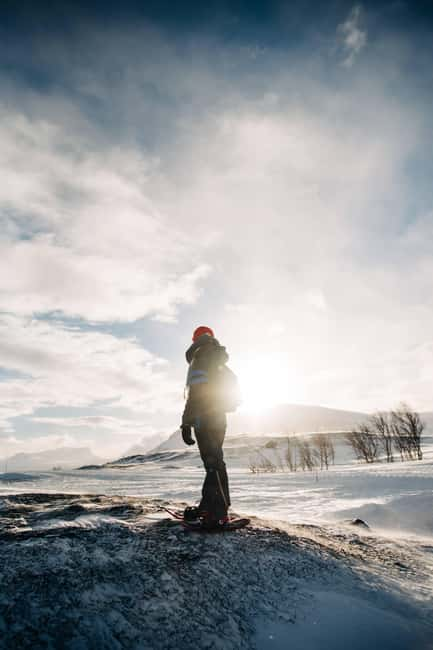
This is not a quick photo stop beside a road. You spend about three hours moving through the woods, with time to learn, pause, and take in the cold-weather setting. The snowshoes spread your weight over soft snow, so you can walk beyond ordinary packed paths without sinking as easily.
The route includes a guided walk, scenic views, and a viewpoint stop. A recent outing was described as roughly 3 kilometers with about 200 meters of elevation gain, though the exact route can vary with snow, weather, and daylight. That gives you a useful sense of scale: this is active enough to raise your heart rate, but it is not presented as a technical expedition.
I would expect a steady pace with pauses rather than a race to the top. Guides have been praised for waiting for slower walkers, checking that people are comfortable, and keeping the group together. That matters in snow, where a short hill can feel much harder than the same distance on a dry trail.
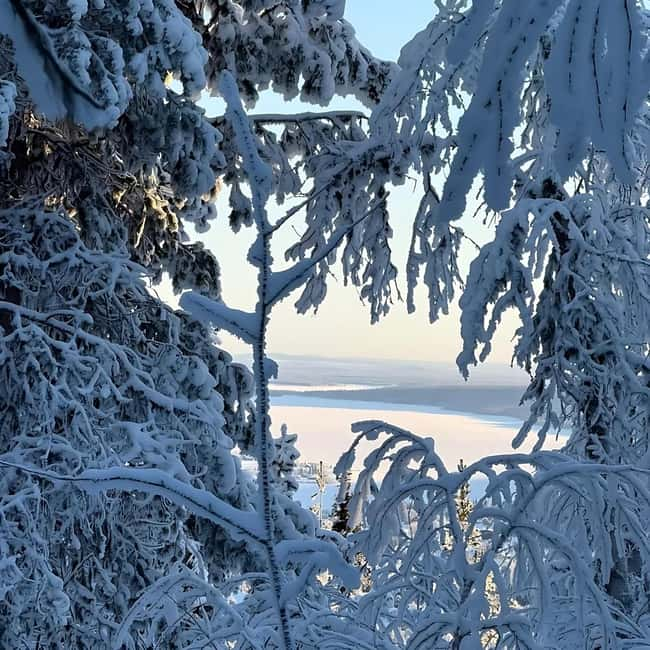
The scenery is quiet and open in a northern way. Snow-laden trees catch the daylight, while birch and conifers frame the route. Depending on the weather, you might see a broad view from the high point, or you might get cloud and muted visibility. One outing had a clouded viewpoint, but the forest walk still worked well as a winter activity.
More Snowshoe Hikes in Sweden:
- Abisko: Wilderness Snowshoe Hike
★ 4.8 · 94 reviews - Stockholm: Winter Snowshoe Full-Day Hike
★ 4.8 · 57 reviews - From Tromsø: Snowshoeing Hike with Picnic Lunch and Photos
★ 4.9 · 840 reviews
Starting with hotel pickup in Kiruna
The pickup system is one of the practical strengths of this experience. You can choose from a long list of stops, including STF Kiruna, Camp Ripan, Best Western Hotel Arctic Eden, Hotel E10, Scandic Kiruna, Elite Hotel Frost, Camp Alta, ICEHOTEL, Aurora River Camp, and the Tourist Information Point.
The listed morning schedule begins at 9:00 at STF Kiruna and moves through town before reaching ICEHOTEL at 9:45 and Aurora River Camp at 10:00. The van then takes the group to the walking area. Exact timing can shift by a few minutes, and pickup may be rearranged the day before because weather, group size, or daylight affects the plan.
That flexibility makes sense in Arctic winter. Still, keep your phone available and be ready a little early. The van is not the place to make a relaxed breakfast stop. Pickup and drop-off are included, which is valuable in Kiruna, where some accommodation options are spread beyond the central streets.
The return service covers the same broad set of locations. If you are staying at ICEHOTEL or one of the camps outside central Kiruna, this included transport saves you from arranging a separate taxi for an activity that already takes much of the morning.
Learning to walk on snowshoes
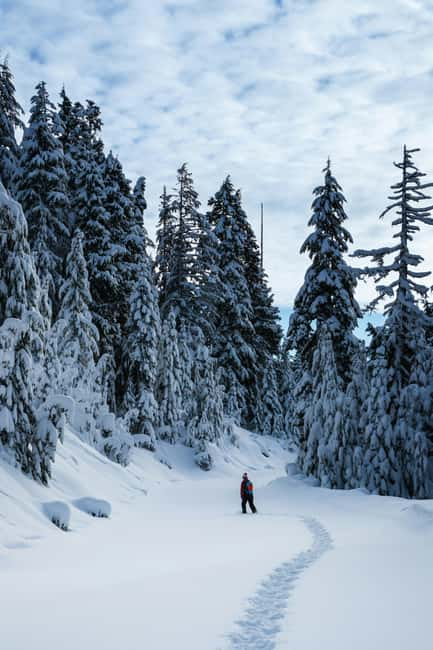
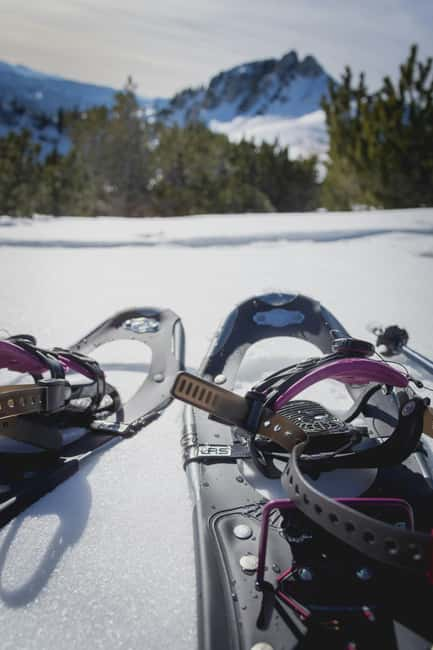
Snowshoes are included, and warm clothing and shoes can be requested if needed. You should still bring your own warm layers and proper winter footwear if you have them. The supplied information specifically advises warm clothing and warm shoes, and in Kiruna that is basic equipment, not a minor suggestion.
At first, snowshoes can feel clumsy. You need to lift your feet a little more and give yourself room to avoid catching one shoe on the other. The benefit appears once you reach softer snow. Instead of sinking deeply with every step, the broad frames help you stay on top.
The activity is described as suitable for all fitness levels, and the guides appear to manage mixed abilities well. A slower walker can be accommodated, while a stronger walker should not expect a hard workout designed for speed. One person found the outing less demanding than hoped, while another found the uphill section genuinely challenging. That is a fair picture: the effort depends on snow depth, slope, temperature, and your comfort with the equipment.
If you are pregnant, have balance concerns, or are unused to walking in snow, tell the guide early. One group included a pregnant participant who found the snowshoes difficult, and the pace was adjusted. The point is not to prove anything. The point is to enjoy the woods without turning the walk into a test of pride.
Forest, animal tracks, and Arctic facts
The guide adds much of the activity’s value. You are not simply walking past trees. You learn about local plants, animals, and the region’s culture as the group moves along. Daniel has been described as energetic, funny, and attentive, with useful explanations about Kiruna and its past. Greg has led groups along a main trail with a few off-trail sections, giving people a taste of snowshoeing without making the route unnecessarily difficult. Léonie has been praised for her calm attention and explanations of local animals and plants.
The subject matter is broad enough to suit different interests. You may hear about reindeer, Arctic foxes, animal tracks, forest plants, and Sami culture. This is especially useful if you are new to northern Sweden and want more context than a standard walk provides.
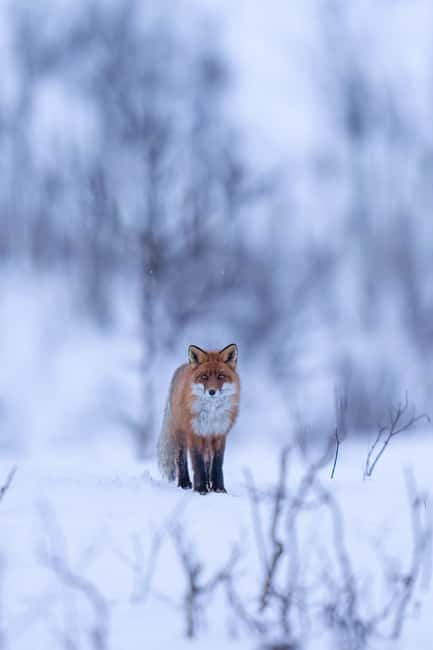
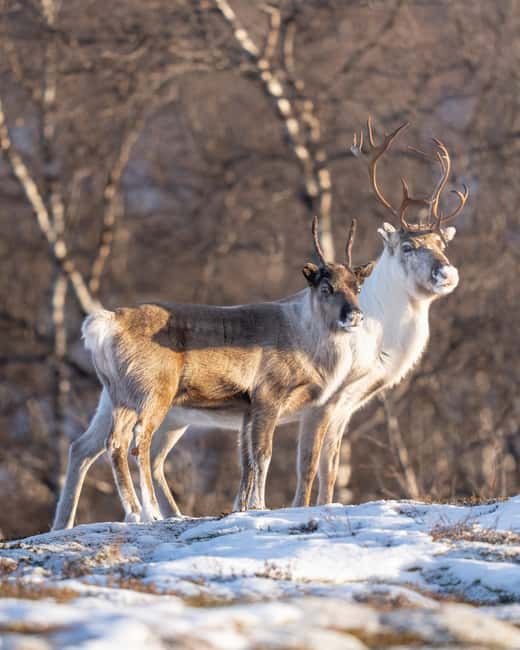
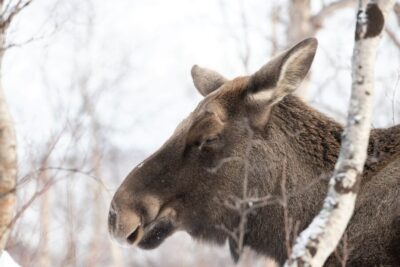
Wildlife sightings are possible, but they are not promised. Reindeer and Arctic foxes are listed as animals you might encounter, yet the more dependable discovery is a set of tracks in the snow. That can be just as rewarding. A print gives the guide something concrete to explain, and you begin to notice small signs you would otherwise pass without seeing.
The guides also seem to strike a good balance between facts and conversation. If you dislike long lectures while walking, this format should feel manageable. You get information in short stretches, with time to look around and keep moving.
More Winter Trips in Sweden:
- From Tromsø: Guided Husky Snowshoe Hike and Husky Camp Visit
★ 4.9 · 715 reviews - From Tromsø: Snowshoe Hike in the Arctic
★ 4.9 · 467 reviews - Winter Fairytale The BEST of Bohemian & Saxon Switzerland Hiking Tour
★ 5.0 · 105 reviews - Stavanger: Preikestolen Winter Hike + Hot Lunch
★ 5.0 · 96 reviews
The viewpoint and warm drink break
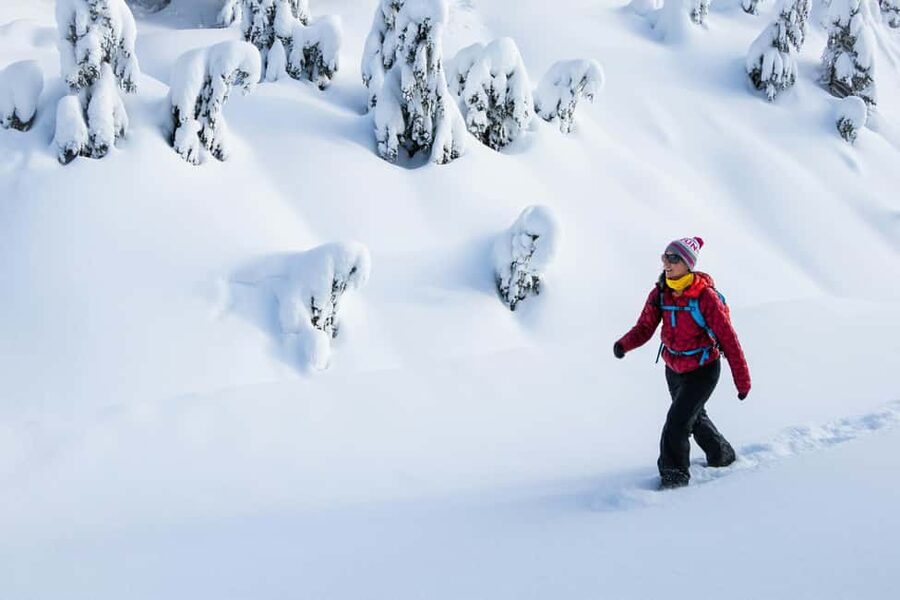
The route leads to a viewpoint, often after an uphill section. The reward is a wider view over the area, with the forest and frozen surroundings opening out below. Clear weather makes this part especially appealing, though clouds can block the view. Even then, the climb gives the walk a natural turning point.
The break usually includes a warm drink, with lingonberry juice mentioned several times. It is not a meal, and food is not included, so eat beforehand if you need more than a drink. Water is also available during the stop, but additional food and drinks are your responsibility.
I like this pause because it solves two problems at once. It gives you time to catch your breath after the climb, and it brings warmth back into cold fingers. A hot drink beside snowy trees feels more memorable than another indoor café stop, even if the beverage itself is simple.
Dress for standing around as well as walking. Many people warm up while climbing, then cool quickly when they stop. Use layers you can adjust, and keep gloves and a hat easy to reach.
Why the small group matters
With a limit of eight participants, the guide can see how each person is coping. That is useful when the group includes a first-time snowshoer, a confident walker, and someone who needs a slower pace. The best guides can stop without making the whole outing feel disorganized.
A small group also makes the nature side of the walk quieter. You are less likely to feel like part of a large procession through the woods. The setting remains calm, and there is more room to ask questions about tracks, plants, or the region.
The tradeoff is that a small-group departure may be less frequent than a large commercial tour. Starting times depend on availability, and pickup arrangements can change with the season’s limited daylight. Build a little flexibility into your morning rather than scheduling a tight connection immediately afterward.
The experience is led in English. If that is your preferred tour language, the combination of live explanations and a compact group should be easy to follow.
Is $127 a fair price?
At $127 per person, this is not the cheapest way to spend three hours in Kiruna. The price makes more sense when you count what is included: van transportation, hotel pickup and drop-off, snowshoes, a guide, warm drinks, and the option to request warm clothing and shoes.
You are also paying for local route planning and winter judgment. In an Arctic setting, weather and daylight matter. A guide who selects a suitable route, watches the pace, and adjusts the plan can add real value, especially if you have never used snowshoes.
For a confident winter hiker who already owns gear and has access to a car, the price may feel high. For a visitor staying in Kiruna without equipment, it is easier to justify. You get a guided outdoor activity without buying or renting separate snowshoes, finding a trailhead, or arranging a ride.
The strong rating of 4.9 from 96 bookings fits the main strengths: scenery, patient guides, small groups, and the warm drink stop. I would not book it expecting a strenuous mountain trek or guaranteed animal sightings. I would book it as a well-organized introduction to Arctic winter.
Who should book this snowshoe hike?
This is a good choice for families with older children who can manage three hours outdoors, couples looking for a quiet shared activity, and solo visitors who want a social but small-group outing. It also suits first-time snowshoers because the guide provides the equipment and controls the route.
You will get the most from it if you enjoy nature facts, local culture, and scenic walking. The activity is less suitable if you want a fast, athletic hike, a long wilderness journey, or a meal included in the price.
Cold tolerance matters more than athletic ability. You do not need to be a seasoned hiker, but you do need to take Arctic clothing seriously. At minus 30, even a gentle walk becomes demanding if your footwear or gloves are poor.
Free cancellation up to 24 hours before the start gives you some flexibility, and you can reserve now and pay later. Those terms are useful when your Kiruna plans depend on weather.
Practical tips for a better morning
- Wear warm layers rather than one bulky coat. You may heat up on the uphill section and need to adjust.
- Use genuinely warm shoes with enough room for thick socks. Cold feet can spoil an otherwise easy outing.
- Arrive at your pickup point early, since the van may arrive a few minutes before or after the listed time.
- Eat before pickup if you need a full breakfast. The included refreshment is a warm drink, not food.
- Keep your camera protected from the cold and do not spend the whole walk looking through it. The best details may be animal tracks close to your feet.
- Tell the guide if you need a slower pace or extra help with the snowshoes.
- Keep expectations realistic about wildlife. Look for signs and tracks, while treating an actual reindeer or Arctic fox sighting as a bonus.
Should you book it?
I would book this tour if you want a compact, well-supported way to get into Kiruna’s snowy woods. The strongest reasons are the eight-person limit, included transport and gear, capable guides such as Daniel, Greg, and Léonie, and the warm lingonberry juice break at the viewpoint.
Think twice if you want a demanding hike or guaranteed clear views. Cloud can cover the lookout, snowshoes take some getting used to, and the Arctic cold can be severe. For most visitors, though, this is a sensible introduction to winter outdoors: active without being extreme, informative without becoming a lecture, and scenic even when the weather refuses to cooperate.
FAQ
How long does the Kiruna snowshoe hike last?
The activity lasts three hours, including the guided walk, scenic stops, and warm drink break.
What is included in the price?
Snowshoes, a live English-speaking guide, warm drinks, van transportation, and hotel pickup and drop-off are included. Warm clothing and shoes can be requested.
Is the hike suitable for beginners?
Yes. The hike is described as suitable for all fitness levels, including first-time snowshoers. Snowshoes can feel difficult at first, and the route may include uphill sections.
Where can I be picked up?
Pickup is available at listed locations including STF Kiruna, Camp Ripan, Best Western Hotel Arctic Eden, Hotel E10, Scandic Kiruna, Elite Hotel Frost, the Tourist Information Point, Camp Alta, ICEHOTEL, and Aurora River Camp.
Could I see reindeer or Arctic foxes?
You might see local wildlife such as reindeer or Arctic foxes, but sightings are not guaranteed. You may have a better chance of finding animal tracks in the snow.
What should I bring?
Bring warm clothing and warm shoes. Food and additional drinks are not included, so eat beforehand if needed and bring anything else you require for the morning.
More Snow in Sweden
- From Tromsø: Evening Fjellheisen Snowshoe Hike and Cable Car
★ 4.8 · 91 reviews - Sierra Nevada: Snowshoe Hiking Tour
★ 4.9 · 88 reviews - Snowshoe hiking in Bergen – Public tour
★ 5.0 · 59 reviews - Snowshoe Hike to Castner Glacier Ice Cave
★ 5.0 · 35 reviews
Just added around Sweden
- Stockholm: Wildlife Tour With Dinner and Short Hike★ 4.4 · 99 reviews
- Stockholm: Nature Hike with Campfire Lunch★ 4.7 · 33 reviews
- Stockholm: Self-Guided hiking in beautiful nature★ 4.6 · 43 reviews
- Nature Hike from Stockholm★ 4.9 · 20 reviews
- Husky hike followed by a campfire near Skellefteå★ 4.0 · 4 reviews
- From Stockholm: Archipelago Hike to Landsort Lighthouse★ 5.0 · 26 reviews
- Abisko: Photo Hike with Professional Photographer★ 4.9 · 12 reviews
- Abisko: Northern Lights Hike with Husky Puppies★ 4.9 · 17 reviews
Snowshoe Hikes, compared.

From Tromsø: Snowshoeing Hike with Picnic Lunch and Photos
Read our review →
From Tromsø: Guided Husky Snowshoe Hike and Husky Camp Visit
Read our review →
From Tromsø: Evening Fjellheisen Snowshoe Hike and Cable Car
Read our review →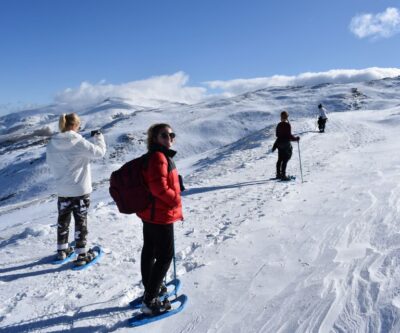
Browse the lists this tour appears in