
REVIEW · SEDONA
From Sedona: Archeology and Nature Hike
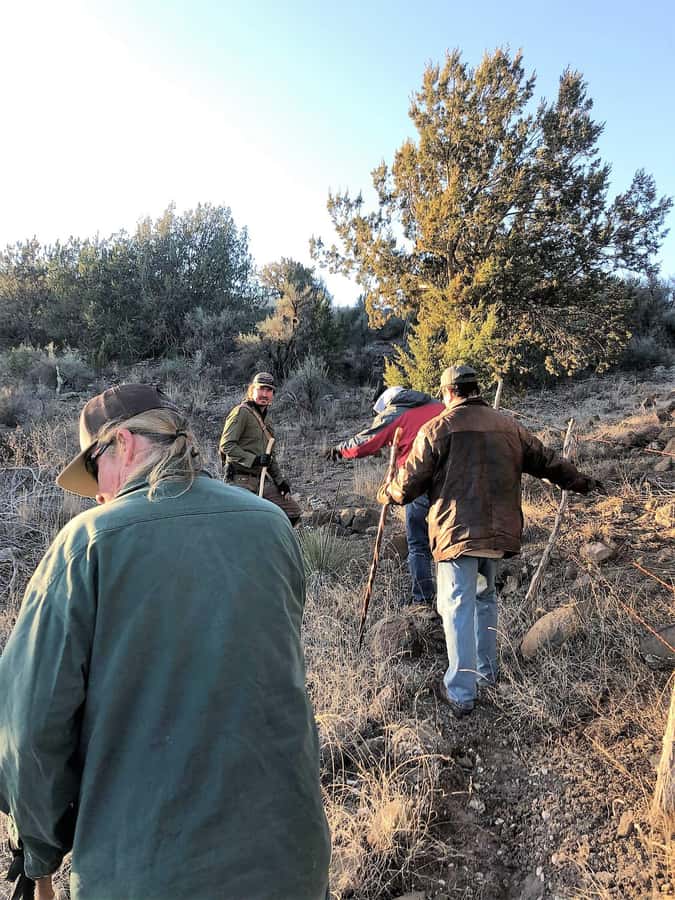
Sedona’s red rocks are only part of the story. This 150-minute outing takes you to a secluded site with 36 Native American pit houses, petroglyphs, and traces of long-ago homes, reached by open-air jeep and a roughly two-mile hike. I like the combination of archaeology and scenery, and I like that the guide has exclusive access to a place you are unlikely to find on your own.
The guides bring more than a script. Charlie has been praised for his patience and wide-ranging knowledge, while Moose is easy to talk with and well informed. One guide has worked as a screenwriter, adding a lively storytelling touch. The main caution is the hike: it is described as moderately difficult, and you must walk from the jeep to the site, with no bathroom there.
Key points to know before you book
- 36 pit houses and dwellings: See the remains of an extensive Native American settlement rather than a single isolated ruin.
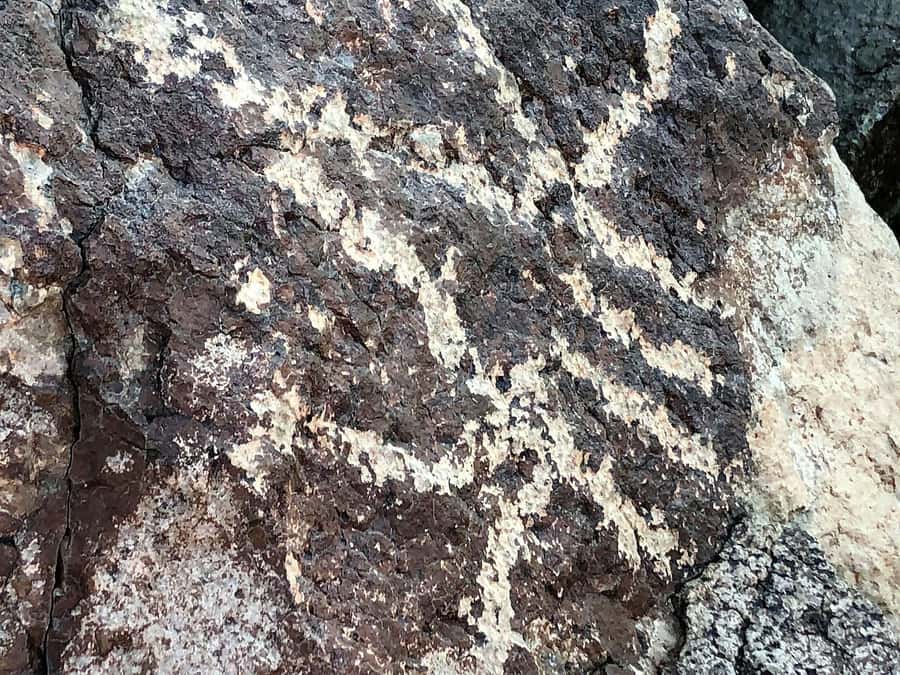
- Petroglyphs and desert scenery: Your guide connects rock carvings, plants, geology, and daily life.
- Pavement-only jeep ride: The open-air vehicle provides transport from Sedona, but this is not an off-road adventure.
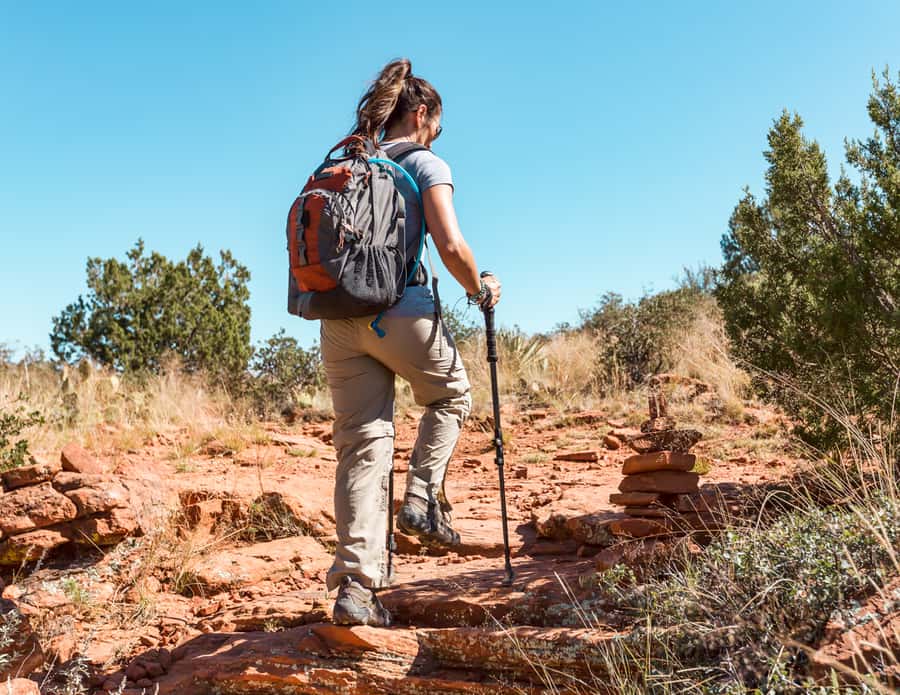
- About two miles on foot: Wear closed-toe hiking shoes and be ready for uneven desert ground.
- Small groups of up to eight: The limited group size gives you a better chance to ask questions.
- Water and walking sticks included: These useful basics are supplied, but you should still arrive prepared for the desert.
A Sedona archaeology trip, not a jeep thrill ride
The name may suggest a rough backcountry jeep excursion. It is not. The jeep travels on pavement only, so you do not get the jolting, off-road driving found on some Sedona outings.
That is not a flaw if your goal is archaeology. The vehicle gets you from the meeting point on Jordan Road to a secluded location that the tour company has exclusive access to. From there, the real work begins on foot.
I like this arrangement because the ride is practical rather than the main event. You spend your limited time looking at ruins and rock art instead of bouncing around for its own sake. You also avoid the crowds and traffic associated with some of Sedona’s better-known viewpoints.
The open-air jeep still adds a pleasant sense of occasion. You are outside during the ride, with the red-rock country around you, but you should not book this expecting an off-road driving spectacle.
More Nature Walks in the USA:
- From Miami: Everglades Airboat Ride and Nature Walk
★ 4.8 · 459 reviews - Self guided Hike Trail to Nature Walk & Waterfall
★ 4.5 · 283 reviews - Miami: Beach Horse Ride & Nature Trail
★ 4.8 · 161 reviews
Meeting at 335 Jordan Road
You meet at Safari Jeep Tours, located at 335 Jordan Rd. Arrive 30 minutes before departure. That early arrival matters because every member of your party must have a signed waiver before the tour starts.
The group is limited to eight people. That is a useful size for this kind of outing. A guide can stop to point out a carving, answer a question, or adjust the pace without trying to manage a large crowd.
For groups of six or more, an 18 percent gratuity is charged at check-in. Gratuities are not included in the listed price for smaller groups, so budget for a tip if your guide provides the kind of personal attention this tour is designed to offer.
There is a public restroom nearby, but no bathroom at the archaeological site. Use the facilities before leaving. Large bags and luggage are not allowed, and glass objects are also prohibited.
The ride to a secluded archaeological site
The jeep transport takes you from Sedona toward a site away from the usual visitor stops. Because this is a pavement-only trip, the transfer should be viewed as the link between town and the walking portion, not as a separate off-road attraction.
The secluded setting is one of the experience’s strongest features. Archaeological remains make more sense when you can see them in their original setting, with the surrounding rock, plants, and open desert still part of the picture.
Your guide leads the way once you leave the vehicle. The guide points out artifacts and explains what they can tell you about the people who lived here. The information is intended to connect the physical remains with everyday life, including how earlier communities used the area and responded to its natural surroundings.
The site is not right beside the jeep. You must walk to reach it. That detail is easy to overlook when booking, but it is central to the experience.
Walking among 36 pit houses
The hike covers about two miles and is described as moderately difficult. The exact challenge will depend on your balance, footwear, heat tolerance, and comfort on uneven ground. One past participant found the hike easy, but the official guidance is more cautious, and you should follow that guidance when deciding if it suits you.
The pit houses and dwellings are the main archaeological draw. Seeing 36 of them gives you a wider sense of the settlement than a tour focused on one ruin. The remains help you picture a community rather than treating Native American history as a single artifact or a quick roadside stop.
Do not expect intact buildings. The value lies in learning how to read what remains, with your guide explaining why certain features matter. A good guide turns stones, depressions, and fragments into clues about how people lived.
The trail also provides context that a museum display cannot. You see the ruins in relation to the rock formations, desert plants, and terrain around them. The site’s physical setting becomes part of the lesson.
Walking sticks are supplied. They can help with balance and make the uneven sections easier, but they do not replace proper shoes or a realistic assessment of your fitness.
A few more hikes around the USA worth a look
- Lower Antelope Canyon Hiking Tour
★ 5.0 · 6,216 reviews - Boston Freedom Trail Walking Tour with Costumed Guide
★ 4.5 · 2,531 reviews - Multnomah Falls and Columbia River Gorge Half-Day Hiking Tour
★ 5.0 · 2,108 reviews - San Francisco: Yosemite National Park & Giant Sequoias Hike
★ 4.5 · 1,777 reviews
Petroglyphs, plants, geology, and daily life
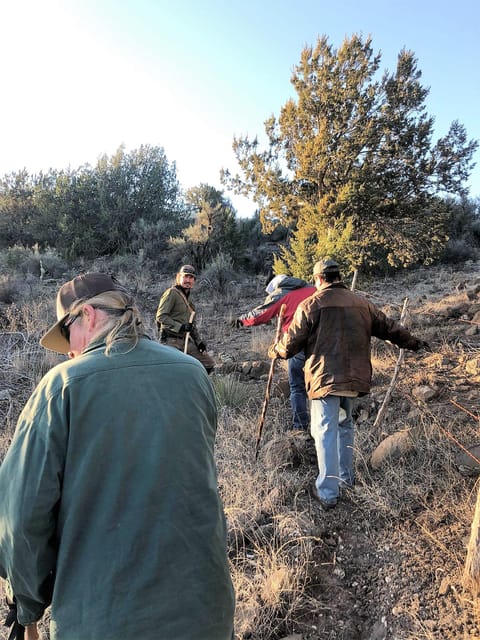
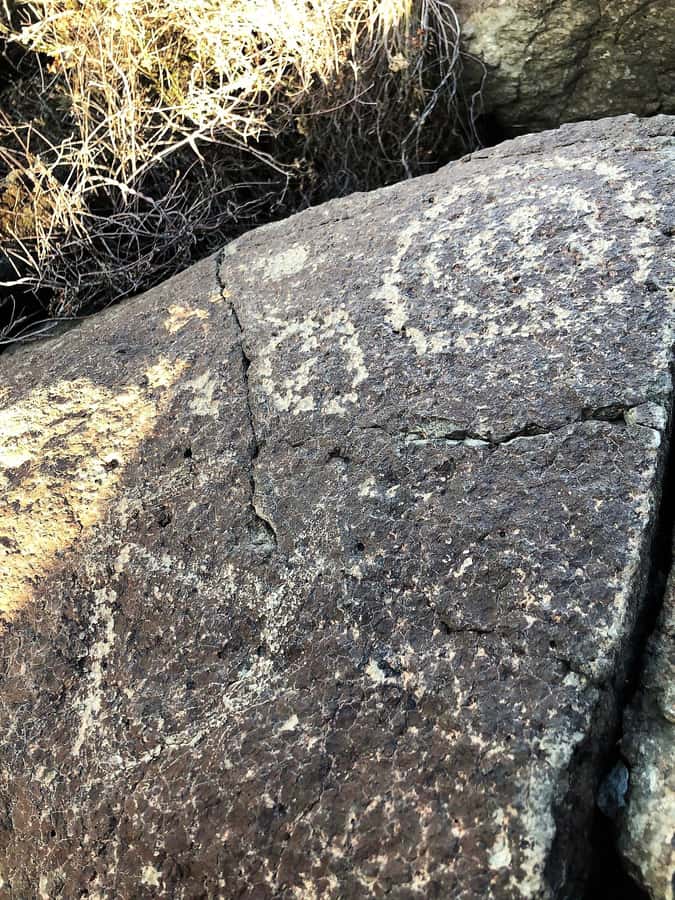
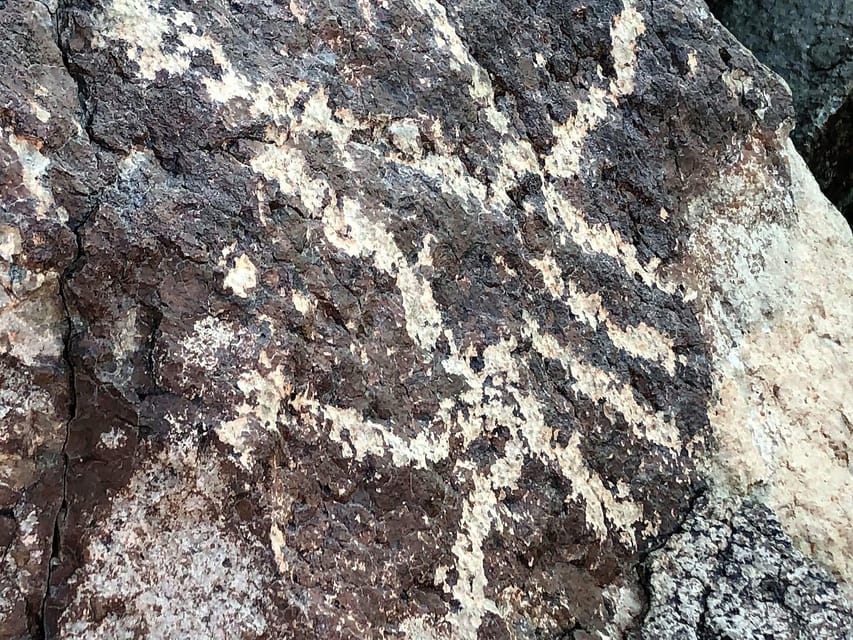
The rock carvings add another layer to the hike. Your guide points out petroglyphs and discusses their significance, while also explaining the area’s geology and plant life.
That mix is important. You are not getting an archaeology lecture detached from the scenery. The guide links the carvings and structures to the place itself, then adds background on Native American ways of life and the Verde Valley’s past.
The experience seems especially dependent on the guide’s ability to tell the story clearly. Charlie has been praised for patience with children and for answering questions across archaeological and mythological subjects. Moose has been described as easy to talk with and well informed. A guide with a background as a screenwriter has also been noted for bringing strong storytelling skills to the outing.
Guide assignments can change, so you should not book on the promise of a particular person. Still, those details help explain what kind of guiding works best here: conversational, curious, and able to connect several subjects without losing the main thread.
One caution is that the amount of archaeological detail may feel light to someone seeking a formal scholarly tour. The experience includes geology, plants, Native American life, and scenery, so it is broad rather than narrowly academic.
How hard is the two-mile hike?
The route is not suitable for everyone. You should be able to hike to some degree, and the tour is not recommended for people with limited mobility, recent injuries, or recent surgery. Pregnant women and children under five should not book this experience.
Closed-toe shoes are required. Comfortable tennis shoes may work for some participants, but hiking shoes or boots are the safer choice. Avoid open sandals and smooth fashion shoes.
Bring water, even though water is included. The supplied water is helpful, but desert conditions can make hydration important, particularly during warmer weather. Wear clothing suitable for outdoor walking and protect yourself from the sun, though the supplied information does not specify particular clothing or sun gear.
The tour can be canceled or changed because of weather conditions. That is sensible for a desert hike, where heat or storms can affect safety and trail conditions.
Is $123 a fair price?
At $123 per person, this is not the cheapest way to see Sedona. You are paying for a small group, an English-speaking guide, open-air transport, access to a secluded archaeological location, walking sticks, and water.
The value depends on what you want from a Sedona outing. If you mainly want a dramatic jeep ride over rough roads, this is the wrong choice because there is no off-roading. If you want a guide-led walk focused on Native American ruins, the price is easier to justify.
The small group is a real benefit. With no more than eight participants, you have more room to ask about a petroglyph or stop for an explanation. The exclusive access also adds value, since you are not simply being dropped at a crowded public viewpoint.
The main limitation is the tour’s short duration. Two and a half hours gives you a useful introduction, but not an exhaustive archaeological study. One person felt the tour had good information on geology, plants, and Native American life but lacked substance. I would read that as a fair warning for history specialists, not a reason to reject the tour altogether.
Who will enjoy this experience most?
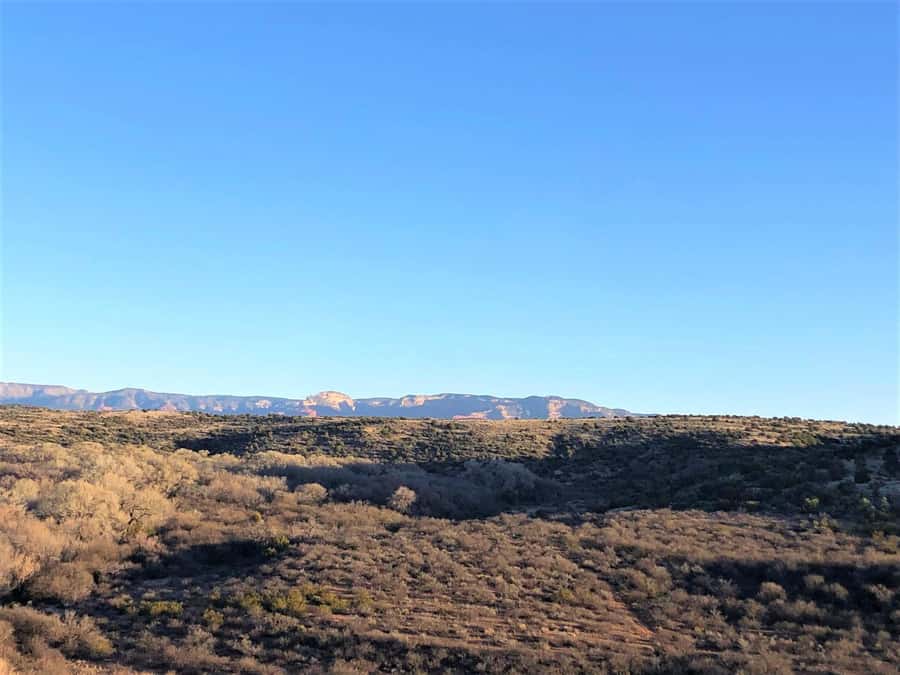
I would recommend it to you if you want a compact introduction to Sedona’s Native American past and are comfortable walking over desert ground. It suits people who enjoy asking questions and seeing how archaeology fits into geology, plants, and the surrounding scenery.
Families with older children may also find it rewarding. Charlie’s patience with two children suggests that the right guide can make the material accessible, but children still need to meet the physical requirements. Children under five are not permitted.
This is less suitable for anyone with mobility limits, a recent injury, or a strong dislike of walking. It is also a poor fit if you want a relaxed ride with little physical effort.
The tour works best for curious participants who want context, not just photographs. You will get more from it if you pay attention to the guide’s explanations and ask about the structures and carvings along the route.
Practical details that can make the day easier
Plan to arrive 30 minutes early at 335 Jordan Rd. Make sure all waivers are signed before arrival, rather than trying to handle paperwork at the last moment.
Wear closed-toe shoes with a firm sole. Bring only what you need because large bags and luggage are not allowed. Leave glass objects behind.
Use a restroom before departure. A public restroom is nearby, but there is no bathroom at the archaeological site.
The experience is offered in English with a live guide. Availability depends on the selected starting time and weather conditions. You can cancel up to 24 hours in advance for a full refund, and the reserve-now, pay-later option lets you hold a place without paying immediately.
Should you book the Sedona archaeology hike?
Book this tour if you want Native American ruins, petroglyphs, and a guided desert walk more than a high-speed jeep ride. The 36 pit houses, secluded access, and small group make it a worthwhile choice for visitors who want a closer look at Sedona’s human past.
Skip it if you need an easy, mostly vehicle-based outing or if you are looking for extensive archaeological detail. The two-mile hike requires real participation, and the tour’s broad mix of subjects may feel too light for a specialist.
For most reasonably fit visitors with an interest in history and scenery, the balance is good. Bring proper shoes, arrive early, and treat the jeep as transport to the ruins rather than the headline attraction.
FAQ
How long does the tour last?
The experience lasts 150 minutes, or two and a half hours.
Where do I meet the guide?
Meet at Safari Jeep Tours, 335 Jordan Rd in Sedona.
Is the jeep ride off-road?
No. The jeep portion takes place on pavement only. There is no off-roading.
How far do I hike?
The hike is about two miles. The site is not next to where the jeep parks, so all participants must be able to walk to it.
What archaeological features will I see?
The site includes 36 Native American pit houses or dwellings, petroglyphs, and other archaeological remains.
Are water and walking sticks provided?
Yes. Water and walking sticks are included.
What footwear is required?
Closed-toe shoes are required. Hiking shoes or comfortable hiking boots are recommended.
Is the tour suitable for children?
Children under five are not permitted. All other children must be able to manage the hike, and the tour is not recommended for people with mobility impairments.
Can I cancel my booking?
Yes. You can cancel up to 24 hours before the tour for a full refund. You can also reserve now and pay later.
Just added around the USA
- Anchorage: Full-Day Matanuska Glacier Hike and Tour★ 4.7 · 48 reviews
- Oahu: Manoa Falls Hike and east side beach day★ 4.9 · 10 reviews
- From Springdale: Greater Zion Scenic Hiking Tour★ 4.9 · 21 reviews
- From Springdale: The Zion Narrows Hike with Lunch★ 4.8 · 85 reviews
- From Seward: Harding Icefield Trail Hiking Tour★ 5.0 · 11 reviews
- From Seward: 6-hour Wilderness Hiking Tour★ 4.5 · 5 reviews
- From Rapid City: Private Devils Tower Tour and Hike★ 5.0 · 6 reviews
- From Moab: Arches National Park 4×4 Drive and Hiking Tour★ 4.6 · 31 reviews
Sedona Hiking Tours, compared.

Sedona Dark Sky Sunset & Night Hike With a Private Guide
Read our review →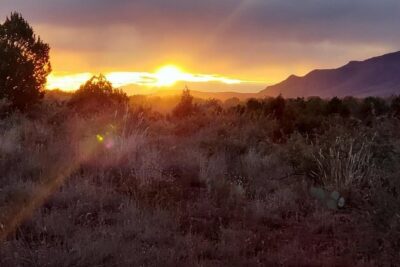
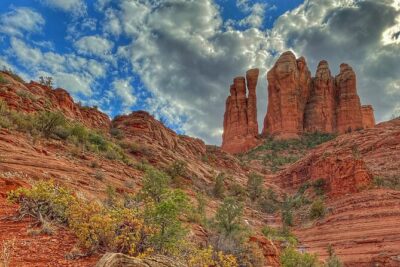
Sedona Creekside of Cathedral Rock Hike With a Private Guide
Read our review →Browse the lists this tour appears in